


If you’re selling on Amazon, you’ve likely heard of Fulfillment by Amazon (FBA). This is Amazon’s service that stores, packs, and ships your products for you. It handles logistics while you focus on listings and sales.
Dropshipping, on the other hand, lets you sell without holding inventory. You partner with third-party suppliers who ship products directly to your customers, giving you more flexibility and lower upfront risk compared to FBA.
Both models remove the hassle of managing fulfillment, but they differ in cost, control, margins, and speed to scale. This guide breaks down Amazon FBA vs dropshipping in 2026, including pros, cons, and which model fits different seller types. We’ll also show how tools like AutoDS can streamline dropshipping operations, from sourcing to fulfillment.
Dropshipping is low-risk and beginner-friendly with no upfront inventory where suppliers fulfill your orders.
Amazon FBA handles storage, packing, fast Prime delivery, and customer service.
Amazon FBA is best for scaling with faster shipping and higher margins.
A hybrid model works best → test with dropshipping, scale with FBA
Tools like AutoDS simplify and automate dropshipping growth.
Amazon FBA vs Dropshipping: Quick Answer
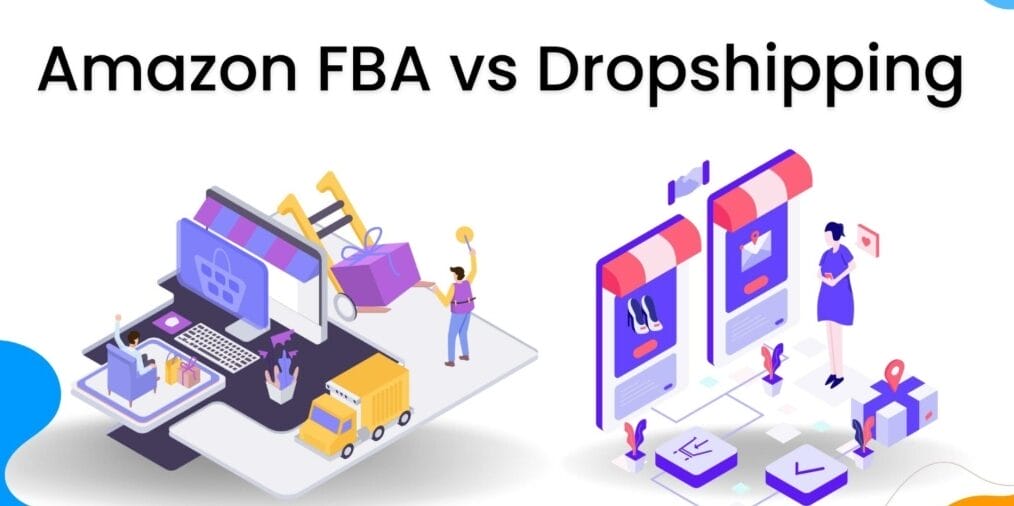
Both FBA and dropshipping let you sell without handling fulfillment yourself, but they operate very differently.
Amazon FBA stores your inventory in Amazon warehouses, handles packing, shipping, and returns, and gives your products Prime visibility. The trade-off: higher upfront costs, fees, and less control over branding and fulfillment.
Dropshipping skips inventory entirely. You partner with third-party suppliers who ship directly to your customers, giving you low risk, flexible scaling, and full control. But you handle customer service and can face slower delivery if suppliers aren’t U.S.-based.
In short: FBA is hands-off but upfront-heavy, while dropshipping is flexible and low-risk. Next, we’ll break it down in a criteria-based comparison table, so you can see exactly which model fits your goals in 2026.
📦 Supplier’s Tip: Work with reliable and vetted suppliers to ensure smooth order fulfillment and customer satisfaction. If you have high return/refund rates and unhappy customers, some selling platforms like eBay and TikTokShops will either suspend your account or slow down your sales.
Amazon FBA vs Dropshipping: Comparison Table
| Aspect | Amazon FBA | Dropshipping |
|---|---|---|
| Inventory | Buy it upfront | Buy it after a customer places an order |
| Risk | Moderate to high: unsold stock ties up capital | Low: you only pay for products after a sale |
| Fulfillment | Fulfilled by Amazon | Fulfilled by your supplier |
| Control | Limited (Amazon controls most of the process) | High (you’re in control of store, pricing, and suppliers) |
| Profit margins | Potentially higher, but fees eat into profits | Moderate: smaller margins, but low overhead |
| Scalability | Scales with inventory investment - higher risk | Highly scalable with multiple suppliers |
| Branding | Limited | Full branding freedom |
| Upfront Cost | Higher: inventory, storage, and fulfillment fees | Low: no inventory needed, pay per order |
What’s the Difference Between Amazon FBA and Dropshipping?
Initial Investment & Cash Flow
Amazon FBA requires a significant upfront investment. You purchase inventory in bulk, pay storage fees, and cover fulfillment costs before a single sale. This ties up capital and increases risk if products don’t sell quickly.
Dropshipping, in contrast, is low-cost and low-risk. You only pay for products after a sale, which keeps cash flow flexible and allows you to test products or niches without committing large sums of money.
Fulfillment & Brand Control
With FBA, Amazon handles packing, shipping, and returns, which is convenient but limits your control. Your branding is minimal, and you rarely interact with customers directly.
Dropshipping gives you more flexibility and control. Suppliers handle fulfillment, but you manage store design, pricing, marketing, and packaging. This makes it easier to create a unique brand and maintain a consistent customer experience.
Risk, Flexibility & Scaling Potential
FBA can scale quickly because Amazon’s Prime badge exposes products to millions of buyers. The trade-off is higher risk: unsold inventory eats into profits, and scaling requires continual reinvestment.
Dropshipping scales more gradually, but with far less financial risk. Poor-selling products can be removed instantly, letting you pivot quickly and test new opportunities without worrying about leftover stock.
Product Range & Testing Ability
FBA limits you to what you’ve purchased in bulk, making it harder to experiment with new products.
Dropshipping offers unlimited product variety, allowing you to update your store daily, explore trending items, and source from multiple suppliers. This flexibility is perfect for testing products, niches, or seasonal trends.
Profit Margins & Fees
FBA often delivers higher margins per sale, but fees for storage, fulfillment, and Amazon commissions can reduce profitability.
Dropshipping has moderate margins, but low overhead and minimal upfront costs mean fewer financial commitments and easier experimentation.
Customer Service & Returns Handling
FBA simplifies customer service since Amazon handles most returns, refunds, and disputes automatically. Dropshipping leaves this responsibility to the seller, requiring careful management of supplier performance and shipping standards to avoid negative reviews.
Bottom line: FBA is ideal for sellers who want hands-off fulfillment, faster scaling, and Prime exposure but can invest upfront. Dropshipping suits those who prefer low-risk growth, flexible product testing, and full control over their brand.



What Is Fulfillment by Amazon (FBA)?
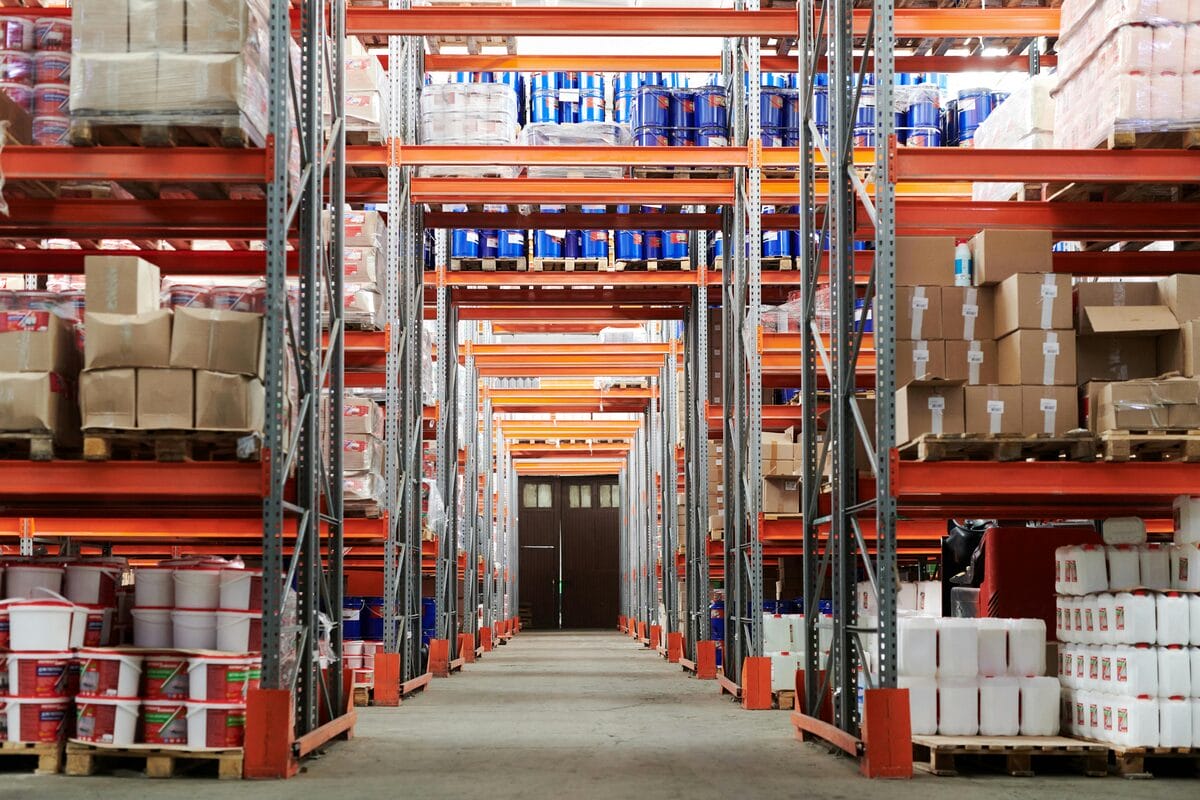
Fulfillment by Amazon (FBA) lets Amazon handle the heavy lifting. You send your inventory to their fulfillment centers, and they take care of packing, shipping, returns, and customer service. FBA is convenient for sellers who want hands-off logistics. Your products get the Prime badge, boosting visibility and fast shipping for millions of buyers. The trade-off: storage and fulfillment fees and less control over your business.
Unlike dropshipping, FBA requires buying inventory upfront, so it’s best for sellers with capital, proven products, or an existing brand. It’s also ideal for dropshippers looking to scale on Amazon, but not the best fit for beginners testing the waters.
What Is Dropshipping?
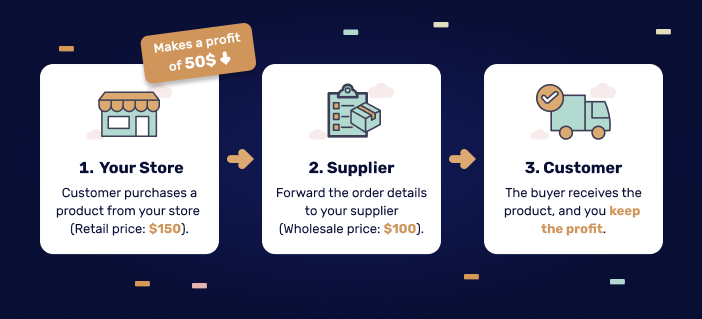
Dropshipping flips the traditional inventory model: you sell first and buy later. With no inventory, no upfront costs, you just list products, and purchase them from your supplier only when a customer places an order.
Here’s how it works:
- List your supplier’s products on your store.
- When a customer orders, buy the product from the supplier.
- The supplier ships directly to the customer—you never handle the product.
Your profit comes from the margin between your sale price and the supplier cost. Your focus is on sourcing, supplier management, and marketing—the better your strategy in these areas, the more successful your dropshipping business will be.
💡 Pro Tip: Utilizing an all-in-one dropshipping automation tool like AutoDS enables you to streamline and optimize your entire business, helping you scale faster and make more money.
Amazon FBA vs Dropshipping: Which Is Better for You?
So, the final showdown. Dropshipping vs Amazon FBA… which one wins? The short answer: it depends on where you are in your e-commerce journey. Here’s a quick quiz to see which one fits you better:
👉 Starting off fresh as a beginner? If you’re a beginner or have a low budget, dropshipping is the easiest way to start. You don’t need to invest in inventory upfront, making it ideal for learning the basics with minimal risk. For product testers, it’s also the fastest way to validate demand and find winning products before committing capital.
👉 Already an experienced seller? If you’re a more experienced seller with a bigger budget or thinking about long-term scaling, FBA is a strong next step. It gives you faster shipping, access to Prime customers, and better conversion potential. However, it’s best suited for those with some experience or proven products, since you’ll need to manage upfront inventory costs, fees, and stricter platform policies.
In both cases, you can utilize some of AutoDS’s extensive automation features that will optimize your store.
“If you’re running a dropshipping store, you have to fulfill your products through AutoDS. There is literally no one who can compete with them on pricing and the products that they can find and source.” – AC Hampton, dropshipping pro
Can You Use Dropshipping and Amazon FBA Together?
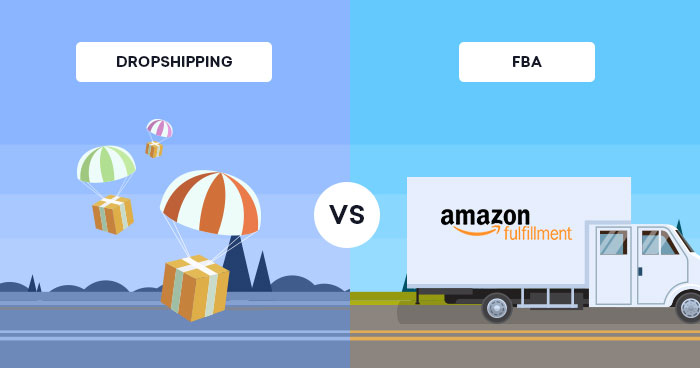
Yes—you can combine dropshipping and FBA to get the best of both worlds. Many sellers start with dropshipping to test products, validate demand, and reduce upfront risk. Once a product proves successful, they move it into FBA to take advantage of Prime visibility, faster shipping, and hands-off fulfillment.
How It Works
- Start with Dropshipping: List products from reliable suppliers on Amazon. You only purchase items after a sale, keeping costs low while testing demand.
- Transition to FBA: Once sales are consistent, buy inventory in bulk and ship it to Amazon fulfillment centers. Your product now gets the Prime badge, faster shipping, and better chances to scale.
- Hybrid Approach: Some sellers keep slow-moving or experimental products dropshipped, while FBA handles their bestsellers. This combines low-risk testing with high-volume fulfillment.
Dropshipping lets you experiment with new items before investing in stock. FBA handles logistics, boosts credibility, and speeds up delivery.
How AutoDS Supports Dropshippers (and FBA Sellers)
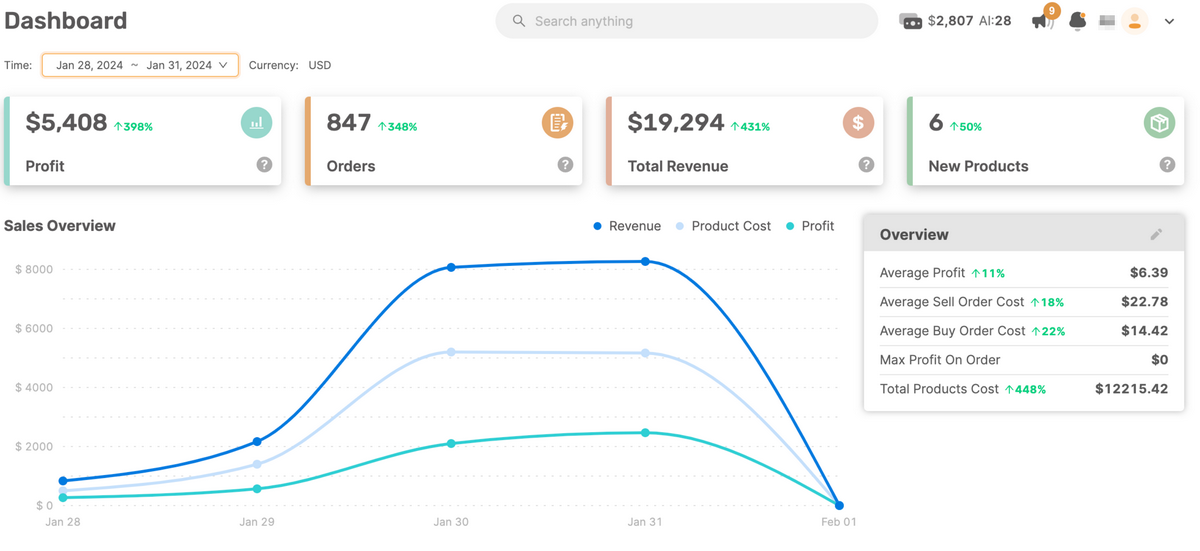
Whether you’re a team dropshipping, team FBA, or somewhere in between, AutoDS makes the entire process easier, faster, and more profitable. Here’s how:
- Automates product imports, pricing, and inventory from over +25 suppliers. This way, you never have to copy product details, monitor suppliers’ prices, update your listings, and so on. Everything works on autopilot.
💡 Pro Tip: Amazon has strict rules when it comes to dropshipping. If you want to skip compliance headaches, Fulfilled by AutoDS not only automates fulfillment, but it also uses AutoDS’s own seller accounts to protect your seller metrics and make sure the order complies with every Amazon dropshipping policy.
- Integrates with major selling platforms, like Amazon, eBay, Shopify, Etsy, and more. This lets you manage everything from one single place, even if you have operations running on multiple selling channels.
- Helps you test products for FBA validation. You can do this without any risks through dropshipping. AutoDS provides product sourcing tools, plus an exclusive marketplace with real-time market insights. This way, you can test, validate, and then move to Amazon later.

- Simplifies analytics and fulfillment in one single place. You can see how your listings are performing, which orders are active, request a return, and more…all in just a few clicks and without juggling multiple tabs and tools.
Like YouTuber Journey With The Hintons explains: “With one click, they are able to import their products directly into their Amazon store. And when someone places an order, AutoDS will fulfill it for you, which means they will be the one who’s ordering it from the supplier, so you don’t have to do that. They will also send tracking numbers to the marketplace, which will then update the customer. And if you have any kind of refunds, they take care of that too”.
All in all, AutoDS acts like your headquarters for all things dropshipping, letting you manage, automate, and sync every aspect of your business. If you want to give it a try, start the trial today for just $1!
Frequently Asked Questions
Can I use AutoDS for Amazon FBA?
Yes, you can use AutoDS to automate some parts of your Amazon FBA business, like product sourcing and testing.
Which model is better for beginners: FBA or dropshipping?
Dropshipping is generally better for beginners because it doesn’t require buying inventory upfront, making it easier to start and test products.
Do you need a lot of money to start Amazon FBA?
Yes, compared to dropshipping. FBA requires upfront investment in inventory, shipping to warehouses, and storage fees, making it better suited for sellers with some capital.
Can AutoDS help with both FBA and dropshipping?
Yes. AutoDS supports dropshipping automation and helps streamline operations like product sourcing, price monitoring, and order fulfillment, making it easier to scale either model.
How do you choose between FBA and dropshipping?
It depends on your goals:
- Low budget & testing → Dropshipping
- Scaling & branding → FBA
- Best of both → Hybrid approach
Start Your Dropshipping Journey with AutoDS
Dropshipping is the easiest way to start selling online, and AutoDS helps you do it faster with full automation, from product sourcing to order fulfillment. As you grow, you can even transition winning products to Amazon FBA to scale with faster shipping and higher margins.
Whether you’re just starting or planning to expand, AutoDS gives you the tools to launch, test, and scale your business with confidence.
Check out these helpful articles to learn more: