



Everybody talks about starting a dropshipping store. Much fewer people talk about the part that actually determines whether that store has a real chance to grow: choosing the right business idea from the beginning.
Because honestly, not every opportunity is worth pursuing. Some markets are overcrowded, others fade overnight, and a few somehow still believe selling random LED gadgets from 2019 is a winning strategy. The good news? Platforms like AutoDS make it much easier to spot trends early, automate operations, and test potential winners without having to handle everything manually.
In this guide, you’ll explore profitable dropshipping business ideas for 2026, learn what makes a niche worth pursuing, and understand how to identify them before they become oversaturated. Whether you’re building a side hustle or aiming for a long-term ecommerce brand, these ideas can help you start much smarter.
A solid dropshipping business idea usually combines three essential things: strong positioning, consistent demand, and products people genuinely care about.
Some of the best dropshipping business ideas for 2026 include AI gadgets, pet products, home organization, wellness, beauty, gaming setups, parenting products, eco-friendly stores, and print-on-demand brands.
The most profitable stores often succeed because they build around a clear identity instead of trying to sell everything to everyone.
AutoDS makes it much easier to discover winning products and automate the daily operations that turn a simple business idea into a scalable online store. 👇
Best Dropshipping Business Ideas for 2026
Not every dropshipping business idea is built for the long run. Some products explode for a couple of weeks and then quietly disappear. Others grow into sustainable ecommerce brands with returning customers, stronger margins, and audiences that keep coming back. More often than not, the difference comes down to three things: demand, positioning, and building real authority around a niche people genuinely care about.
And the opportunity keeps getting bigger. The global dropshipping market is projected to reach $1.25 trillion by 2030, fueled by the continued expansion of online shopping and lower barriers to entry. But as more stores enter the space, generic “sell-everything” shops become easier to ignore, while businesses with clearer identities naturally stick out from the crowd.
The following ideas stand out for 2026 because they tap into growing consumer interests, strong purchase intent, and products that truly connect with buyers when the right strategy is used.
| Business Idea | Startup cost | Profit potential | Best platform | Branding potential | Beginner Friendly |
|---|---|---|---|---|---|
| AI Gadgets & Smart Home | Low to medium | High | Shopify | High | Yes |
| Pet product brand | Low | High | Shopify | High | Yes |
| Home Organization Store | Low | Medium to high | Facebook Marketplace | High | Yes |
| Fitness store | Medium | High | TikTok Shop | High | Yes |
| Beaty & Self-care store | Medium | High | TikTok Shop | Very high | Moderate |
| Car accesories store | Low | Medium to high | eBay | Medium to high | Yes |
| Eco-friendly product store | Low to medium | Medium to high | Etsy | Very high | Yes |
| Baby & Parenting store | Medium | High | Shopify | Very high | Moderate |
| Gaming store | Low to medium | High | TikTok Shop | High | Yes |
| POD Clothing brand | Low to medium | Medium to high | Shopify | Very High | Moderate |
AI Gadgets & Smart Home Store
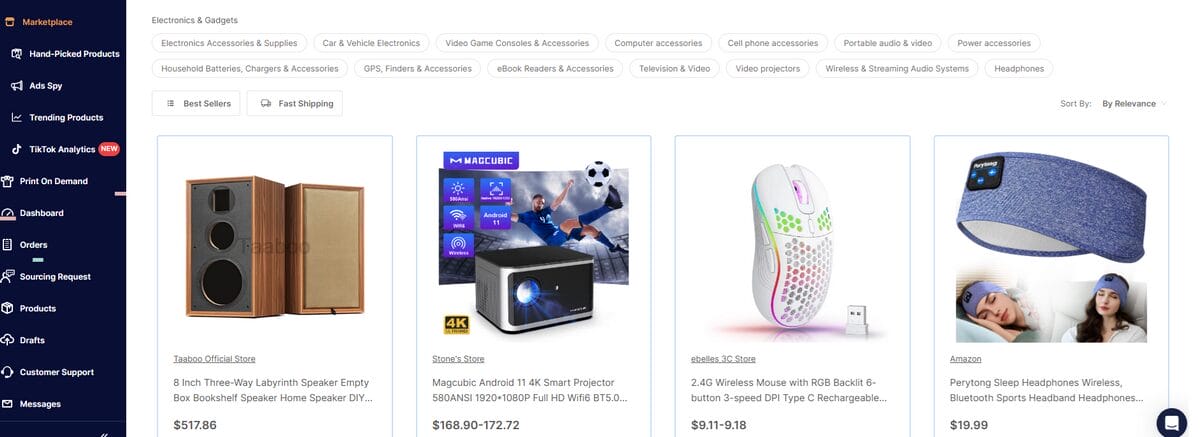
An AI gadgets and smart home store can be a seriously strong business idea for sellers looking to combine trendy products with highly visual appeal. Smart lighting setups, desk gadgets, AI-powered accessories, portable electronics, productivity tech: basically anything that makes a desk look like it belongs in a sci-fi movie.
What really pushes this category forward is how naturally it fits modern content consumption. A lamp reacting to voice control, a gadget solving a tiny everyday annoyance, or a desk setup suddenly looking ten times cleaner on camera… people get the value instantly. No explanation-heavy sales pitch needed.
There’s also a nice hidden advantage here: perceived value. Many of these products look expensive even when they aren’t, which creates much healthier margins than people expect at first glance.
There’s a real opportunity here to shape a clear identity. Some stores lean into productivity and “work smarter” setups, others go for gaming aesthetics, minimalist workspaces, or creator-style desks. Once people start associating your store with “cool upgrades for my setup,” something subtle happens: they come back. Not because they planned to, but because there’s always one more thing that could improve the space.
Best Selling Platforms:
- Shopify: Perfect for building a branded tech-focused store with product bundles, upsells, and a more premium shopping experience.
- TikTok Shop: Perfect match for this category. Why? Because half the job is already done when the product shows what it does in a 10–15 second video.
Best Suppliers:
- AutoDS Private Suppliers: Great for faster shipping options, stable stock, and products already gaining traction.
- AliExpress: Still one of the biggest playgrounds for discovering affordable gadgets and testing fast-moving tech ideas.
- Amazon: Handy for spotting what’s already converting and sourcing items that can ship faster in key markets.
👉 Best for: Beginner-friendly sellers building visual, content-led tech brands.
Pet Product Brand
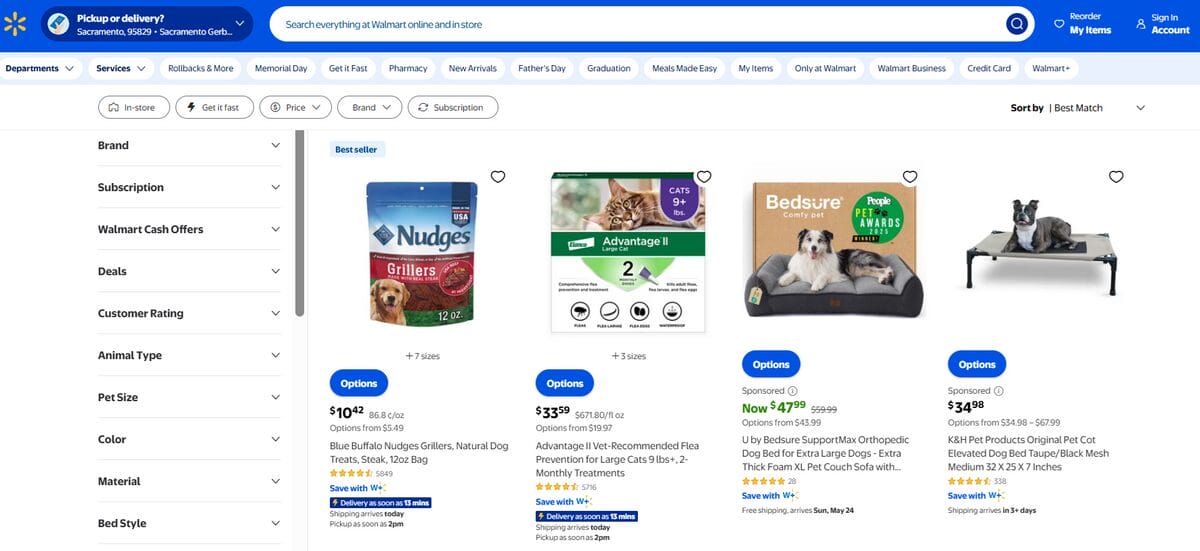
Pet products dropshipping is one of those business ideas that feels like it already has momentum before you even start. Pet owners don’t really “browse casually” in this space: they shop emotionally. And that changes everything.
The result is a category built on strong buying intent, frequent impulse purchases, and surprisingly high repeat demand. The strongest stores usually avoid the generic “everything for pets” approach and focus on a more specific angle instead: calming toys, travel accessories, aesthetic pet essentials, smart feeding gadgets, or grooming products for busy owners. Not just pet products, but a lifestyle built around pets.
And content? Honestly, the internet already did half the work years ago. Funny reactions, grooming transformations, chaotic puppy moments, or “my dog absolutely needed this” videos naturally pull engagement because the emotional connection is immediate. If it makes the owner smile, it usually performs.
The real strength of this niche is simple: pets create repeat demand naturally. Toys wear out, routines evolve, and owners constantly justify “just one more thing” for their animals.
Best Platforms
- Shopify: Ideal for building a long-term pet brand with subscriptions, bundles, loyalty-focused marketing, and a more personalized customer experience.
- Facebook Shop & Marketplace: Works well for practical pet products because discovery often happens through recommendations, community posts, and shared content inside pet-owner groups.
Best Suppliers
- AliExpress: A broad catalog for testing affordable pet accessories, toys, grooming tools, and trending gadgets across different price points.
- Walmart: Practical choice for faster domestic fulfillment on everyday pet essentials, especially when convenience becomes a deciding factor for buyers.
👉 Best for: Beginner dropshippers looking to build emotionally driven stores with strong social-media content potential.
Home Organization Store
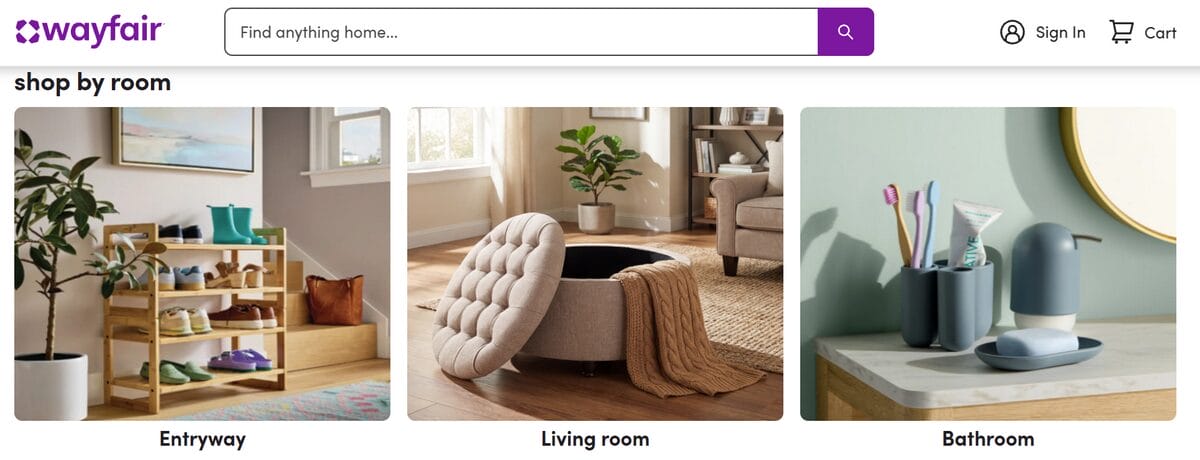
A home organization store taps into something bigger than storage boxes and drawer dividers: the quiet obsession people have with making their spaces feel calmer, cleaner, and a bit more “under control.”
From space-saving kitchen tools and closet organizers to cleaning gadgets, aesthetic containers, desk setups, and simple everyday upgrades, this type of store lives in the world of small improvements. Nothing flashy, just those “this actually makes my life easier” kind of items.
And visually? It’s almost unfair. Fridge restocks, clutter-to-clean transformations, tiny apartment hacks, cable management fixes. People don’t just watch this content, they stay for it. The value is obvious in seconds, which is exactly why these products convert so well in short-form videos and impulse-driven purchases.
Best Platforms
- Facebook Marketplace: Works particularly well here because discovery often happens through recommendations, community posts, and that classic moment of “wait, where did you get that?” inside home and cleaning groups.
Best Suppliers
- Wayfair: Strong source for home-focused products, storage solutions, and aesthetic-friendly items that fit a more curated store approach.
- Home Depot: Better suited for practical, utility-driven organization products and everyday household solutions with reliable availability.
👉 Best for: Aesthetic stores focused on practical problem-solving products and visual content.
Fitness & Wellness Store
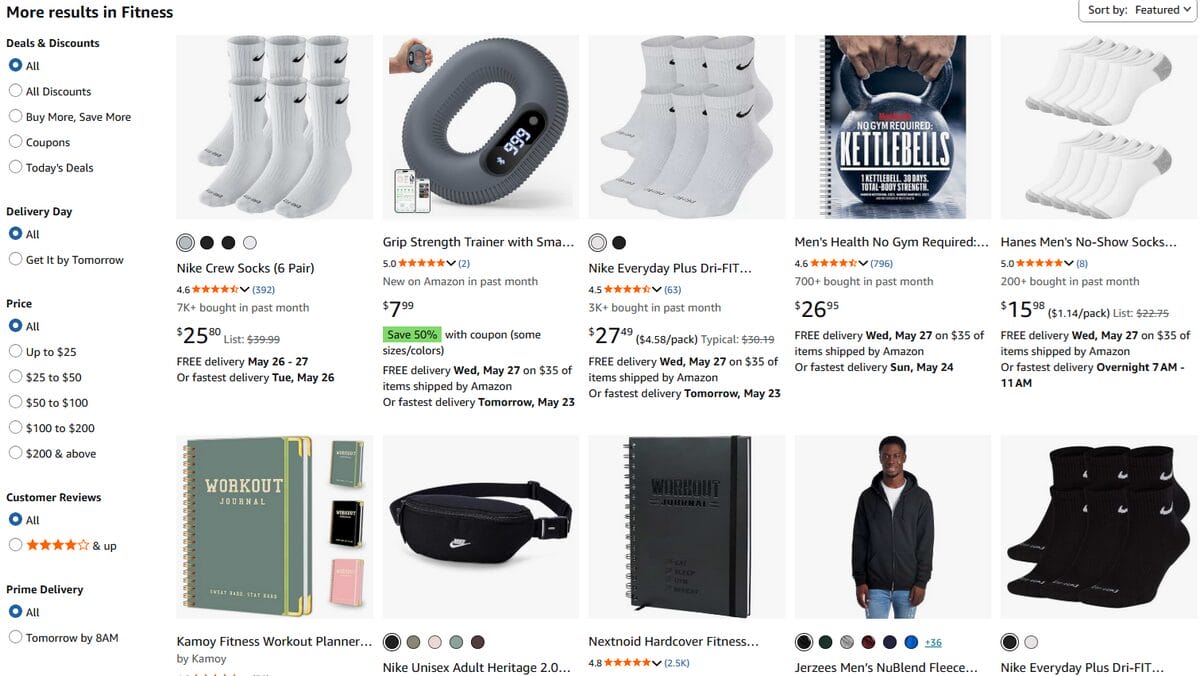
Fitness dropshipping works best when it goes beyond “selling workout gear” and actually taps into what people are really chasing: feeling better in their own skin. More energy, more confidence, less stress.
The products are just the vehicle. Think resistance bands, posture correctors, recovery tools, massage devices, yoga accessories, hydration essentials, wellness gadgets, or at-home fitness equipment. Practical tools that slot into someone’s daily routine and quietly become part of it.
And here’s where it gets interesting: this category isn’t driven by random impulse. There’s almost always a reason behind the purchase. A new habit. A “this time I’m serious” moment. And from a content perspective, that emotional layer makes the marketing way easier. Morning routines, workout setups, recovery sessions, challenge videos, transformations… it’s all naturally visual and easy to connect with.
There’s also a deeper dimension here: lifestyle consistency. Customers usually don’t just buy once and disappear. They come back when routines evolve, when goals change, or when they’re ready for the next upgrade. And once a brand becomes part of that “self-improvement loop,” it becomes a habit.
Best Platforms
- TikTok Shop: A strong fit because fitness content already lives here. Routines, transformations, and quick demos can turn a single product into a full narrative.
Best Suppliers
- Alibaba: Ideal for sellers thinking long-term. Especially when moving into branding, bulk sourcing, or private-label wellness products.
- Amazon: Helpful for spotting fast-moving products and sourcing items with shorter delivery times in specific regions.
👉 Best for: Content-driven lifestyle brands focused on habits, routines, and long-term customer retention.
Beauty & Self-Care Brand
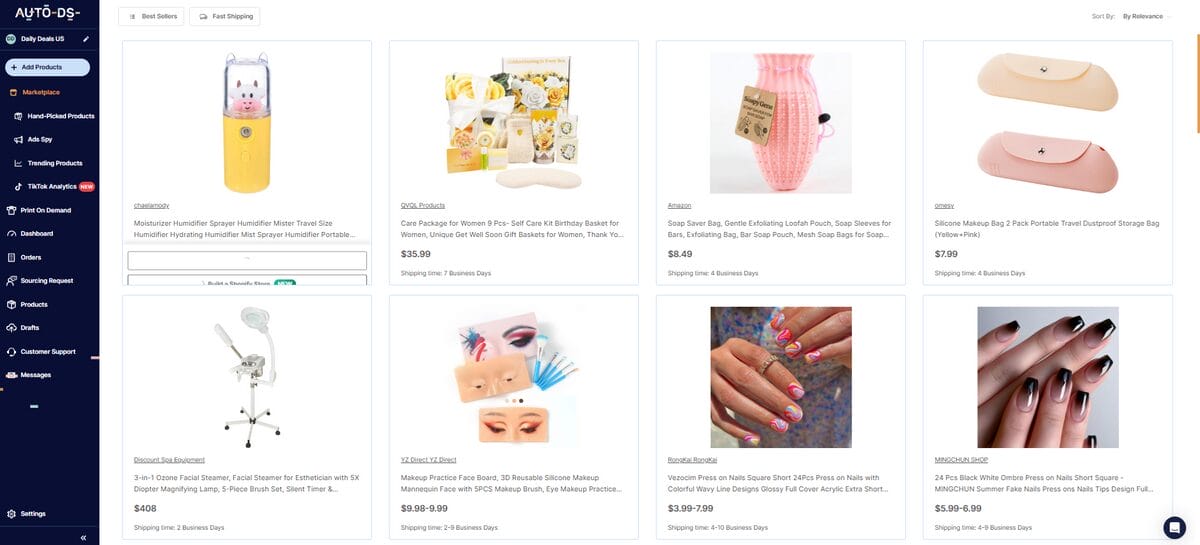
A beauty and self-care store can be one of the most rewarding dropshipping business ideas. Impulse buying? Check. Repeat purchases? Definitely. Strong branding potential? Yeah, that too.
But this doesn’t mean you need to launch a massive makeup store from day one. In most cases, it works better to focus on a specific “world” within beauty: skincare tools, spa-at-home products, nail kits, haircare essentials, beauty accessories, or simple routines that help people feel more put together in their daily life. That’s the key: small items, big impact.
Content is where this category really comes alive. GRWM clips, skincare routines and product tests are already part of the daily scroll on TikTok, Instagram, and YouTube. You don’t really need to “convince” people here. Just show it in action.
The best part here? Once a beauty product becomes part of a routine, it turns into something people rely on without even thinking about it.
Best Platforms
- TikTok Shop: Beauty content fits naturally here. Tutorials, reactions, and routine-based videos often function as the product demonstration itself.
- Shopify: Ideal for building a more curated brand experience, where aesthetics, storytelling, and product presentation all work together.
Best Suppliers
- Shein: Good for affordable accessories and fast-moving beauty items that perform well with trend-driven audiences.
- Alibaba: Strong option for private label development and building a more differentiated brand over time.
👉 Best for: Starters looking to build aesthetic brands based on repeat-purchase models.
Car Accessories Store
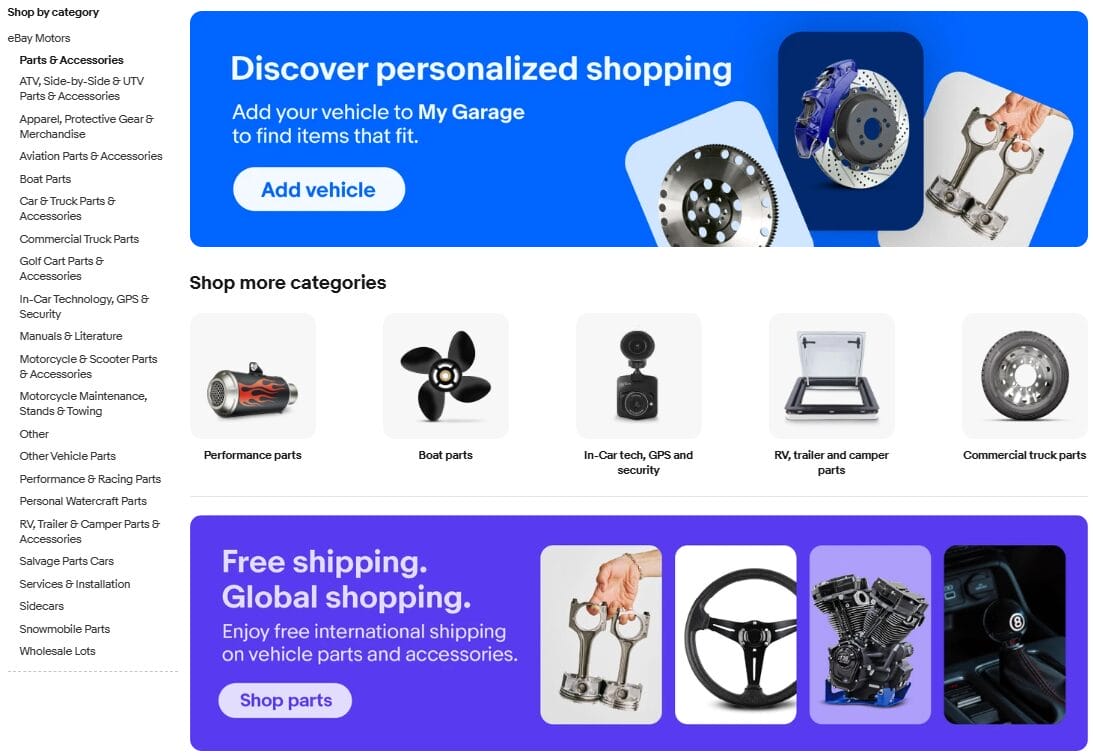
Cars create a very specific type of customer: people constantly looking for small upgrades that make driving feel smoother, cleaner, or a little less annoying. The products aren’t usually emotional purchases; they’re practical fixes people instantly justify buying.
Phone mounts, organizers, dash cams, charging solutions, and cleaning tools. Most of these products live in that sweet spot between “useful” and “why doesn’t my car already have this?”
And unlike many other niches, car accessories naturally fit into search-based shopping behavior. Buyers actively look for solutions after a frustration happens: bad storage, messy cables, and nowhere to place the phone. The intent is already there before they even reach the product page.
Content still matters, though. Cleaning transformations, satisfying detailing clips, clever gadgets, or quick before-and-afters tend to perform incredibly well because the payoff is immediate. One short demo and the value becomes obvious.
There’s also flexibility in how you position the store. Some brands focus on sleek interiors and tech upgrades, while others lean into road-trip convenience, detailing culture, or practical everyday driving solutions.
Best Platforms
- eBay: Especially effective for automotive products because shoppers often search with clear intent and specific problems already in mind.
Best Suppliers
- AutoDS Private Suppliers: Useful for sourcing trending accessories with stable stock and faster shipping options.
- AliExpress: Strong for affordable gadgets, lighting kits, organizers, and trend-driven car products.
- Walmart: Helpful for practical car essentials where faster domestic shipping can make a difference.
👉 Best for: Practical problem-solving stores targeting search-driven buyers.
Eco-Friendly Products Store
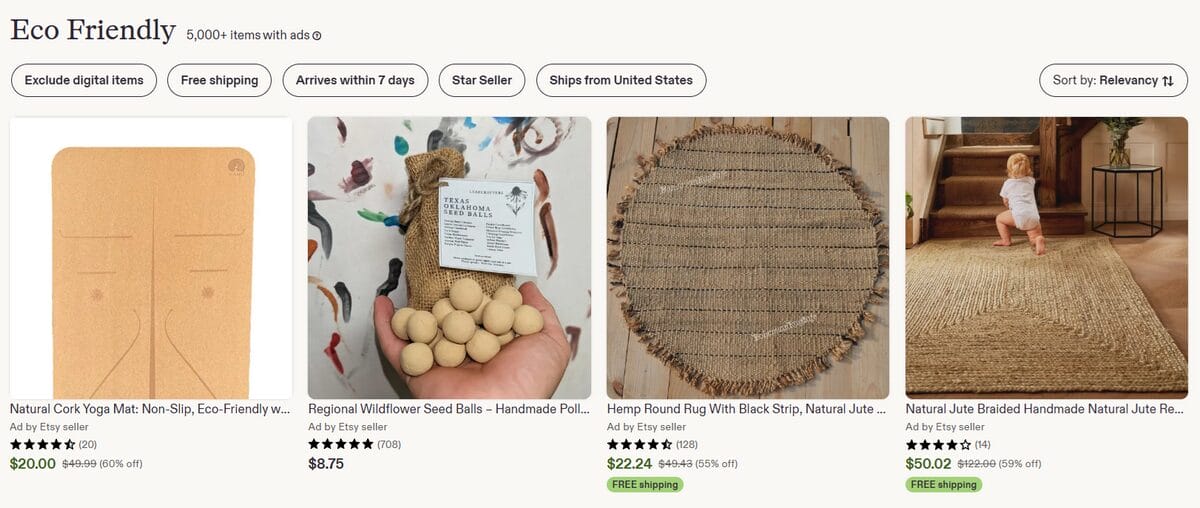
Eco-friendly stores tend to perform best when they stop feeling like “eco stores” and start feeling like smarter everyday living. That’s the real opportunity here.
Reusable kitchen products, refillable containers, bamboo essentials, sustainable beauty accessories, low-waste swaps, eco-friendly cleaning tools. These products succeed because they fit naturally into daily routines instead of demanding dramatic lifestyle changes.
There’s also an interesting buying psychology here: customers often want to justify the purchase. The product isn’t only useful: it feels responsible too. That combination quietly increases perceived value. “I’m organizing my kitchen and being environmentally conscious?” That’s an easy yes.
Unlike trend-heavy niches, these stores usually grow through trust, consistency, and aesthetics over time. People return because the products support the lifestyle they’re trying to build. That’s why they perform better with softer content across TikTok, Instagram Reels, Pinterest, and even long-form YouTube videos. Think realistic routine swaps, refill setups, “small changes that actually helped” posts, or calming UGC-style content users genuinely enjoy watching while scrolling.
Best Platforms
- Etsy: Great fit for shoppers already searching for sustainable products, handmade aesthetics, and more intentional purchasing habits.
Best Suppliers
- Alibaba: Strong option for custom packaging, branding, and private-label eco-friendly products.
- Wayfair: Useful for reusable household items and sustainable home-focused products.
👉 Best for: Mission-driven brands and lifestyle-focused stores with strong long-term branding.
Baby & Parenting Store
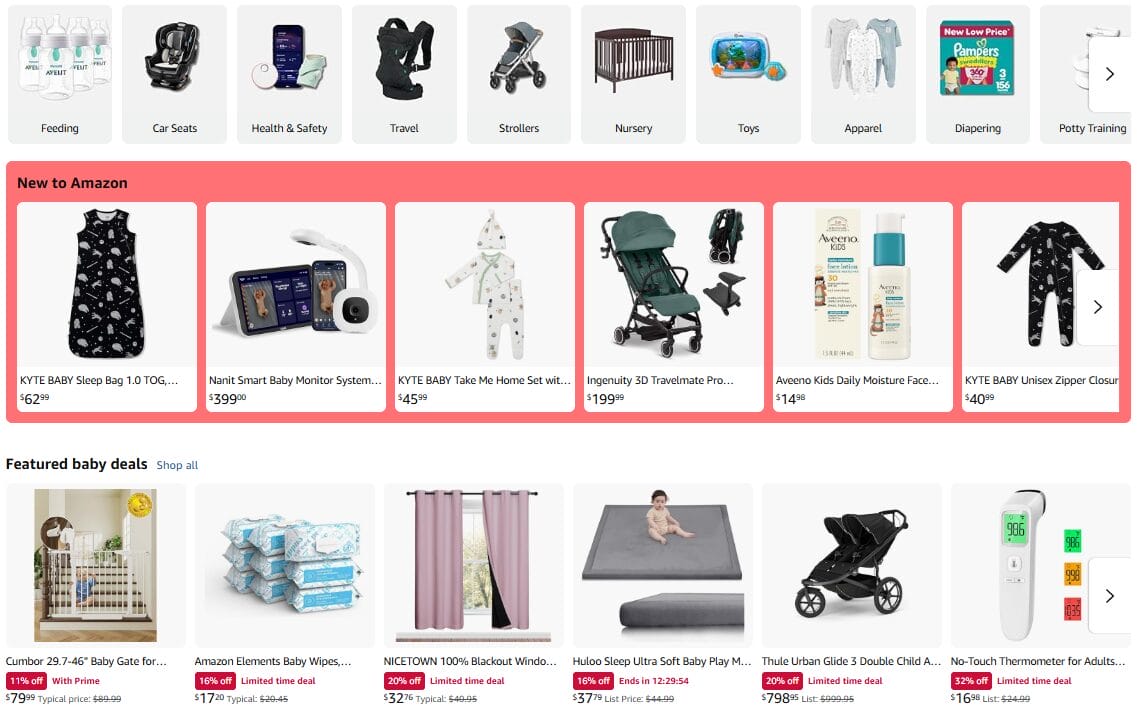
Some niches come and go. Dropshipping baby products doesn’t. Babies keep being born, and exhausted dads and moms keep searching for anything that makes daily life feel even slightly easier. That’s what makes this model so stable.
A parenting store can focus on feeding products, stroller accessories, nursery organization, sensory toys, safety gadgets, travel essentials, or convenience-focused items that solve very specific problems. And that specificity matters because buyers usually arrive with clear intent from the start.
Content behaves differently here too. Parenting hacks, nursery setups, travel tips, feeding routines, or “this actually helped” products tend to connect immediately because the audience recognizes the situation instantly.
On the other hand, the long-term advantage here is obvious: parenting needs constantly evolve. Feeding accessories eventually become travel products, organization tools, learning gadgets, and toddler essentials. And once trust is established, repeat shoppers tend to appear naturally.
Best Platforms
- Shopify: Strong fit for building a trustworthy and curated parenting-focused brand.
- Amazon: Particularly effective because parenting buyers prioritize convenience, reviews, and fast delivery.
Best Suppliers
- AutoDS Private Suppliers: Useful for trending parenting products with stable stock and faster shipping options.
- Target: Helpful for practical baby essentials and family-focused products.
- AliExpress: Good for affordable accessories, sensory products, and trending parenting gadgets.
👉 Best for: Evergreen dropshipping brands centered around practical solutions.
Gaming & Desk Setup Store
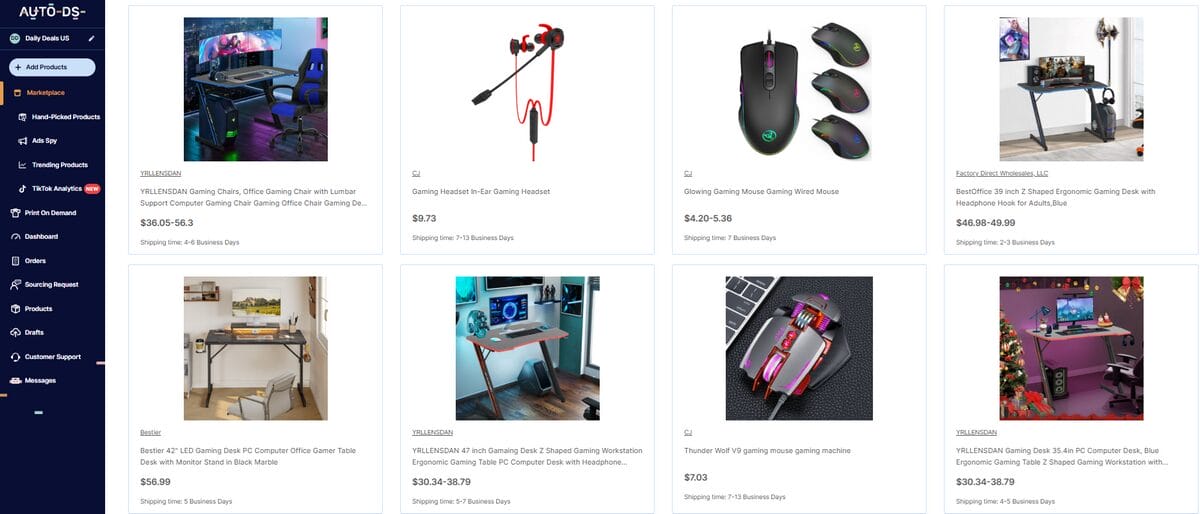
Few business ideas feel more “made for the internet” than gaming and desk setups. RGB lighting, cozy workspaces, streaming gear: setup culture already thrives online before the store even exists. And the products themselves are the content.
This type of business can revolve around monitor accessories, ergonomic gadgets, desk decor, gaming peripherals, streaming tools, headphone stands, lighting upgrades, and productivity-focused setup additions.
🆕 Beginner’s Tip: Want a full list of the best products to sell in this category? Check out this gaming dropshipping guide and start building your catalog, supported by key market insights.
What makes the category especially powerful is how instantly visual the transformation feels. One monitor arm or one LED strip can completely change the vibe of a setup in under ten seconds on camera.
And setup culture rarely stops at a single purchase. People upgrade gradually. One small improvement turns into another, then another. Because nobody with a gaming setup ever truly feels “finished.”
Some brands lean fully into gaming culture, while others focus on minimalist productivity spaces, creator setups, or full “digital lifestyle” aesthetics. That versatility makes branding much easier than it looks at first glance.
Best Platforms
- TikTok Shop: Perfect for desk transformations, RGB demos, and quick “setup glow-up” content.
Best Suppliers
- Banggood: Strong source for affordable gaming gadgets, RGB products, and setup-focused electronics.
- Amazon: Helpful for spotting fast-moving setup trends and sourcing electronics with faster delivery.
👉 Best for: Visual ecommerce stores targeting content-driven niche communities.
Print-on-Demand Clothing Brand
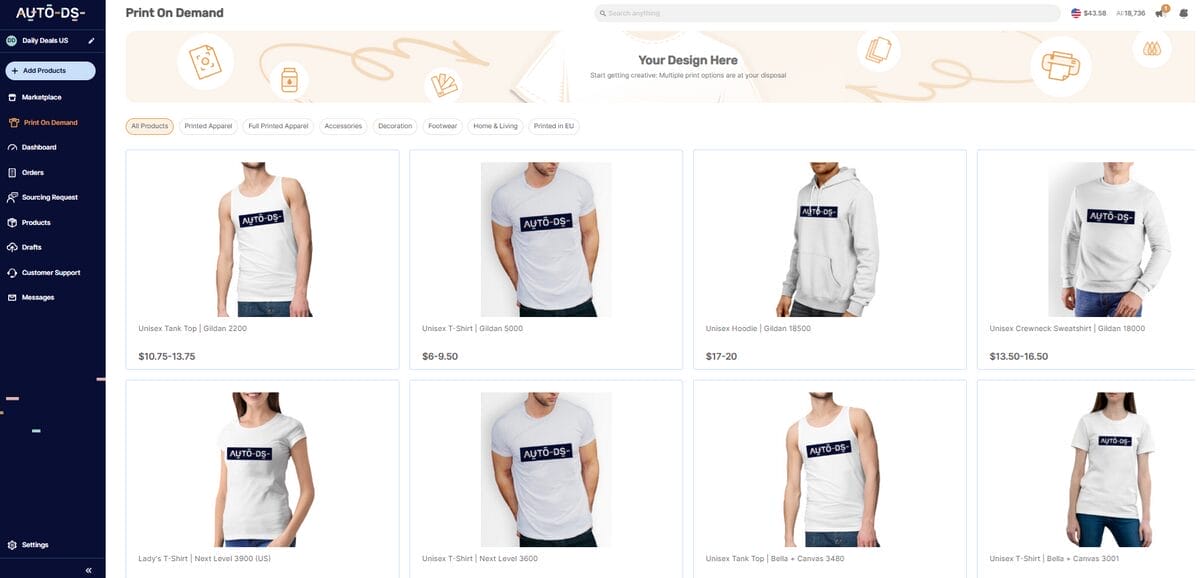
Print-on-demand is less about clothing and more about identity. People rarely buy niche apparel because they need another hoodie. They buy it because the design reflects a joke, a mindset, a reference, a community, or an aesthetic they already connect with emotionally.
That’s why the strongest POD brands usually stay hyper-focused instead of trying to appeal to everyone. Minimalist streetwear, gym culture, niche memes, creator merch, gaming references, internet humor, motivational designs: clarity matters more than variety here.
There’s also a major practical advantage: flexibility. Products are only printed after someone orders, which makes testing designs dramatically easier and removes most inventory risk upfront.
One design fails? Fine. Another suddenly takes off online? Scale it immediately.
Best Platforms
- Shopify: Ideal for building a stronger visual identity and more polished apparel experience.
- Etsy: Excellent for niche apparel, fandom-inspired products, and aesthetic-driven clothing audiences.
Best Suppliers
- AutoDS: AutoDS offers a POD feature built for designing, customizing, and shipping products from one screen.
- Alibaba: Strong option for evolving into custom apparel production or branded collections over time.
- Amazon: Helpful for researching fast-moving apparel trends and popular design styles.
👉 Best For: Creator businesses built around identity and strong branding.
What Makes a Profitable Dropshipping Business Idea?
As the ideas above show, profitable dropshipping businesses tend to share a few important things in common. It’s rarely just about finding a “cool” product. The stores that actually grow follow a smarter formula: strong demand, products people genuinely care about, and systems that make scaling feel manageable instead of chaotic.
A product can look “cool” for five minutes on TikTok and still turn into a terrible business idea. The difference usually comes down to factors like these:
- Strong product demand: The best items solve a problem, improve daily routines, or connect with interests people already spend money on. If customers are actively searching for something, selling becomes a whole lot easier.
- Emotional buying triggers: A huge part of e-commerce is emotional. Products tied to convenience, aesthetics, productivity, wellness, pets, or self-improvement tend to perform especially well because they create that immediate “Okay… I kind of want this now” reaction.
- Good profit margins: Viral sales look great until the math shows you made almost nothing from them. Strong business ideas usually balance affordable sourcing costs with high perceived value, leaving enough room for healthy margins.
- Branding opportunities: Some products are much easier to build an identity around. Niches with strong visuals, recognizable audiences, and lifestyle appeal create better opportunities for long-term growth instead of short-lived hype.
- Repeat customer potential: One-time buyers are great. Repeat customers are even better. Product categories with accessories, refills, bundles, or ongoing needs can increase customer lifetime value without constantly chasing brand-new traffic.
- Content-friendly products: If a product looks satisfying, useful, surprising, or oddly addictive on camera, that’s a huge advantage. Short-form platforms love products that instantly grab attention and make people stop scrolling for a second.
- Fast supplier availability: Nobody enjoys waiting three weeks for a phone stand that looked cool in a TikTok ad. Reliable suppliers with stable inventory and faster shipping can seriously improve customer experience and store reputation.
📦 Supplier’s Tip: If you want fewer refund requests and fewer “Where’s my order?” emails, supplier quality matters a lot. Using AutoDS can save you a lot of headaches by connecting you with a wide net of curated suppliers, automatic stock monitoring, and fast-shipping filters.
- Automation compatibility: The easier a store runs behind the scenes, the easier it becomes to scale without getting buried in repetitive tasks. No matter the business idea, integrating automation tools for sourcing, fulfillment, inventory syncing, and order management can make the entire workflow far more sustainable long term.
Mistakes to Avoid When Choosing a Dropshipping Business Idea
Finding a profitable idea is important. Avoiding the wrong ones? That matters just as much. A lot of beginners struggle because they jump into weak products, overcrowded markets, or chaotic setups that become impossible to scale later.
Here are some of the most common mistakes to watch out for:
- Choosing oversaturated niches: If thousands of stores are selling the exact same product with identical ads, standing out becomes much harder. Instead of blindly following trends, look for growing markets with room for differentiation and branding.
- Selling low-quality products: An item might go viral once, but poor quality usually leads to refunds, bad reviews, and frustrated customers. Long-term growth depends a lot more on customer experience than quick sales spikes.
- Picking niches with no emotional demand: People buy products because they solve problems, improve routines, save time, or simply make them feel something. If a niche doesn’t trigger curiosity, excitement, convenience, or identity, marketing becomes much harder.
- Ignoring shipping times: Fast marketing can’t save painfully slow delivery. Long shipping times often create customer complaints, chargebacks, and trust issues that quietly hurt store performance over time.
- Building a store without branding: Even simple stores need some personality. A recognizable aesthetic, consistent messaging, and cleaner product presentation can make a huge difference in how trustworthy the business feels.
- Depending on one viral product: One-item winners can generate fast sales, but trends cool off quickly. Stores with multiple complementary products usually have a much better chance of surviving long-term.
- Having no content strategy: Posting random videos and hoping the algorithm does magic isn’t really a strategy. Successful stores usually build consistent content around product demos, problem-solving, lifestyle positioning, or entertainment.
- Not automating operations: Manually handling orders, inventory updates, and supplier management might work at the beginning, but it becomes exhausting fast. Automation helps keep the business scalable without turning daily operations into a full-time headache.
How to Find New Dropshipping Business Ideas Before They Trend
One of the biggest advantages in dropshipping comes from finding products before the market becomes overcrowded. By the time everybody is posting the exact same ad for the exact same product, margins usually get tighter, competition gets louder, and standing out becomes much harder.
The bright side? Product discovery doesn’t have to depend on guesswork. Between trend-tracking platforms, ad libraries, eCommerce analytics tools, and AI-powered research, it’s much easier to spot growing opportunities early if you know where to look.
AutoDS Product Finding Tools
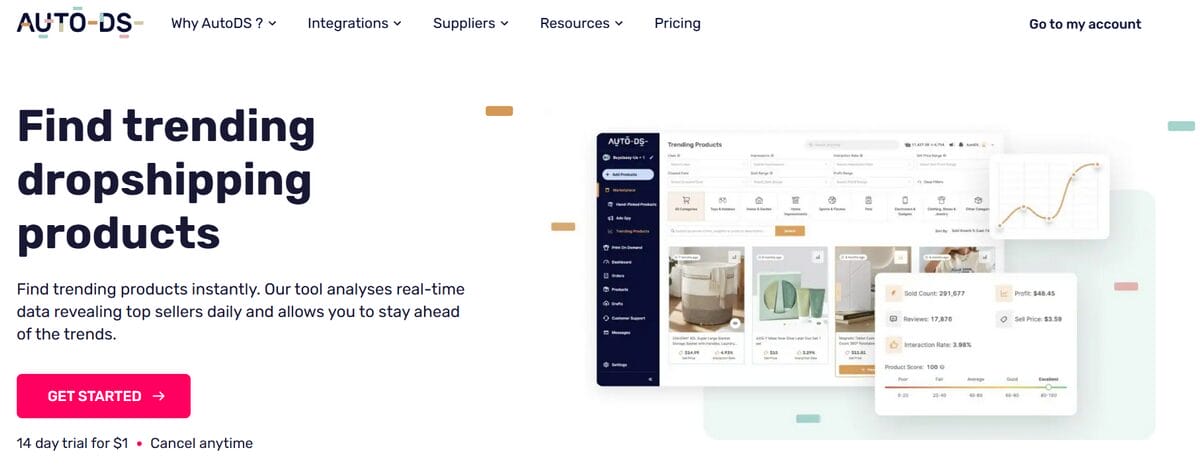
One of the smartest ways to discover new dropshipping business ideas is through product research platforms built specifically for dropshippers. Rather than depending on pure instinct or getting trapped in endless “doomscrolling for product ideas” sessions, AutoDS gives sellers a faster way to identify items already showing real momentum across the market.
Some standout features include:
- Trending Products Hub & Hand-Picked Products: Inside its dashboard, AutoDS showcases products gaining traction across its marketplace and global supplier network, giving sellers a faster way to identify rising categories and potential winners.
- Product Research & Analytics: AI-powered research tools and analytics make it easier to evaluate demand, pricing opportunities, engagement patterns, and overall product performance without manually digging through countless listings.
- Ads Spy Tools: Competitor research becomes far more practical when you can track products consistently appearing across TikTok, Facebook, and Instagram ads, making it easier to spot items stores are actively scaling.
Together, these functions turn product discovery into a much more data-driven process, using performance insights, market signals, and competitor activity to validate ideas before investing time into them.



AutoDS Videos & Articles
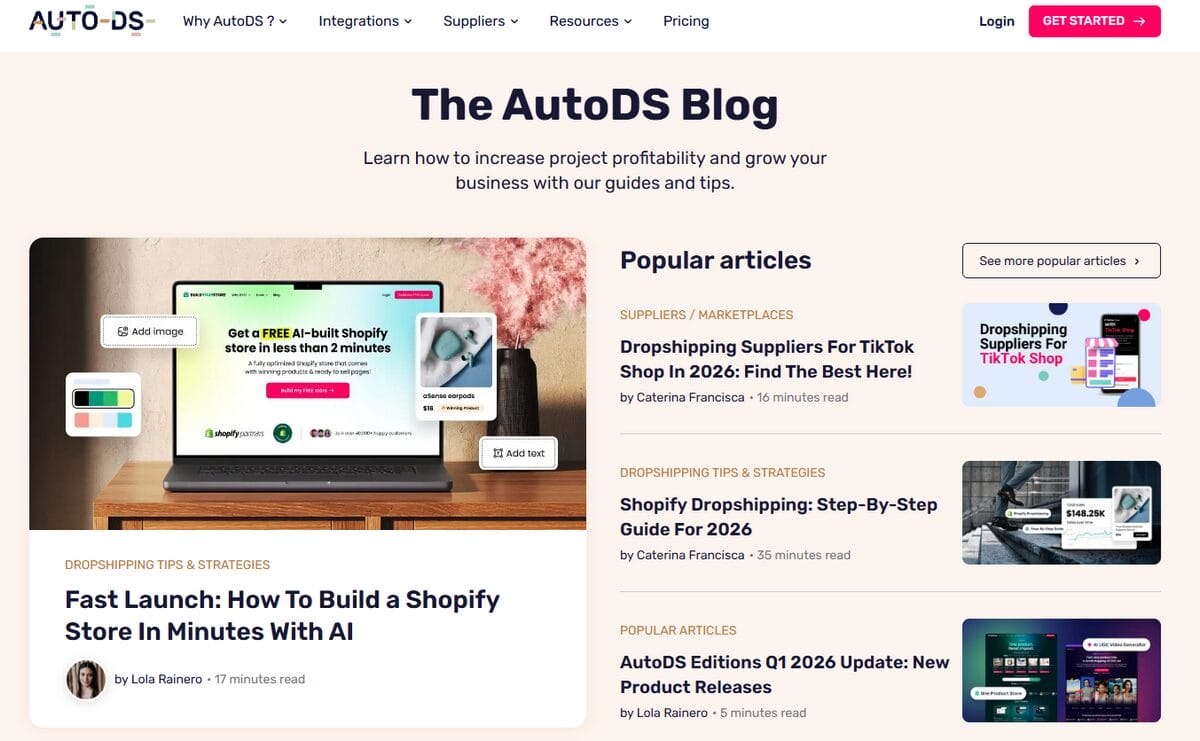
Another underrated strategy? Consistently following e-commerce-focused educational content. AutoDS regularly shares product ideas, trend breakdowns, supplier insights, marketing strategies, and beginner-friendly e-commerce guides through its dropshipping blog and YouTube channel, all designed to support both new and experienced dropshippers.
You’ll find everything from trending product roundups and niche ideas to practical guides like “TikTok Dropshipping Strategies” or “Best Products To Sell This Month.”
🔍 Research Tip: Want a real example of how AutoDS articles can spark new business ideas? (Besides the one you’re literally reading right now.)This trending niches guide explores popular categories, emerging opportunities, and products sellers are already paying attention to.
TikTok Creative Center
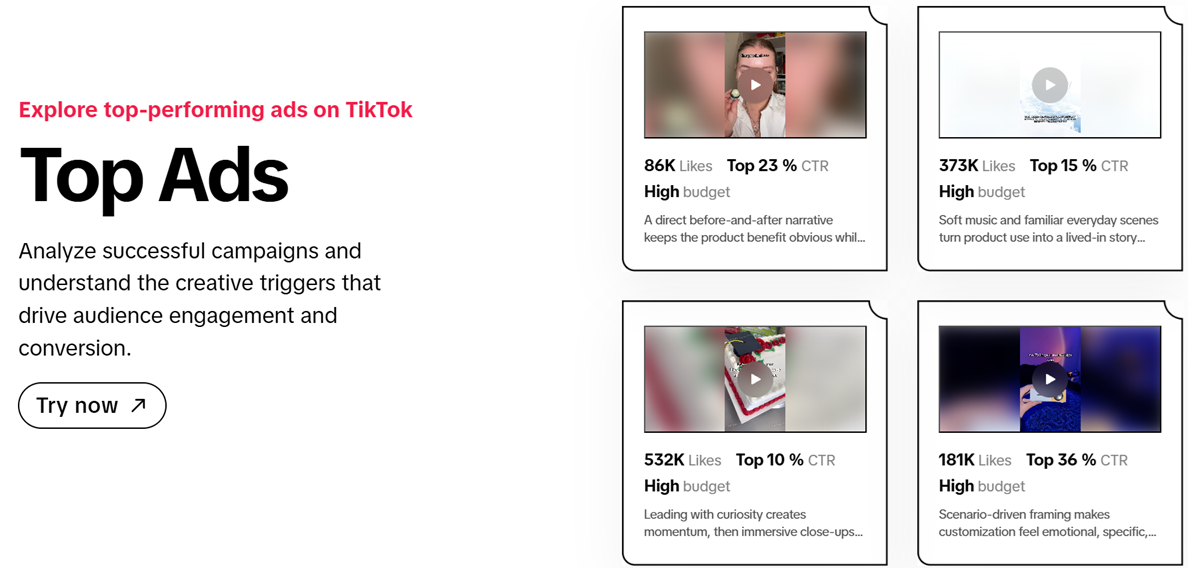
TikTok’s Creative Center works almost like a real-time snapshot of what’s blowing up across the platform. From breakout products and high-performing ad formats to viral hashtags and fast-growing categories, it’s one of the best places to catch momentum early.
And if the same kind of item keeps surfacing across creators, ads, and feeds? There’s probably a reason behind it.
💡 Pro Tip: Want to go one step further and actually analyze why it’s performing? Use ShopShark to monitor TikTok Shop activity in real time, analyze revenue signals, and break down ad creatives that are actively scaling.
Meta Ad Library
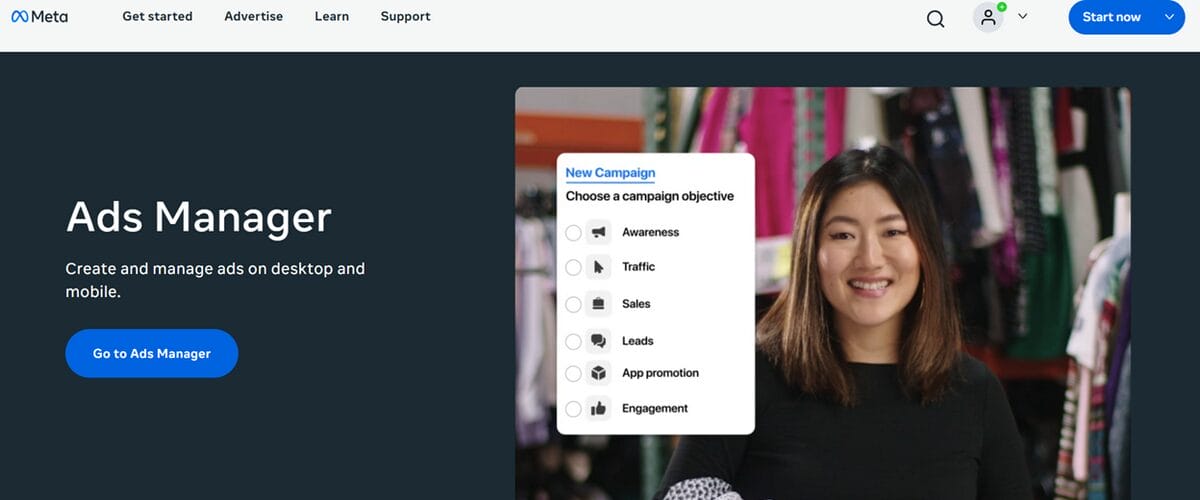
The Meta Ad Library is basically free competitor research hiding in plain sight. It lets you browse active Facebook and Instagram ads from brands, making it much easier to identify which products stores are seriously investing in.
A simple rule of thumb: if a company has been running the same ads consistently for weeks, chances are those campaigns are generating results worth scaling.
Amazon Movers & Shakers
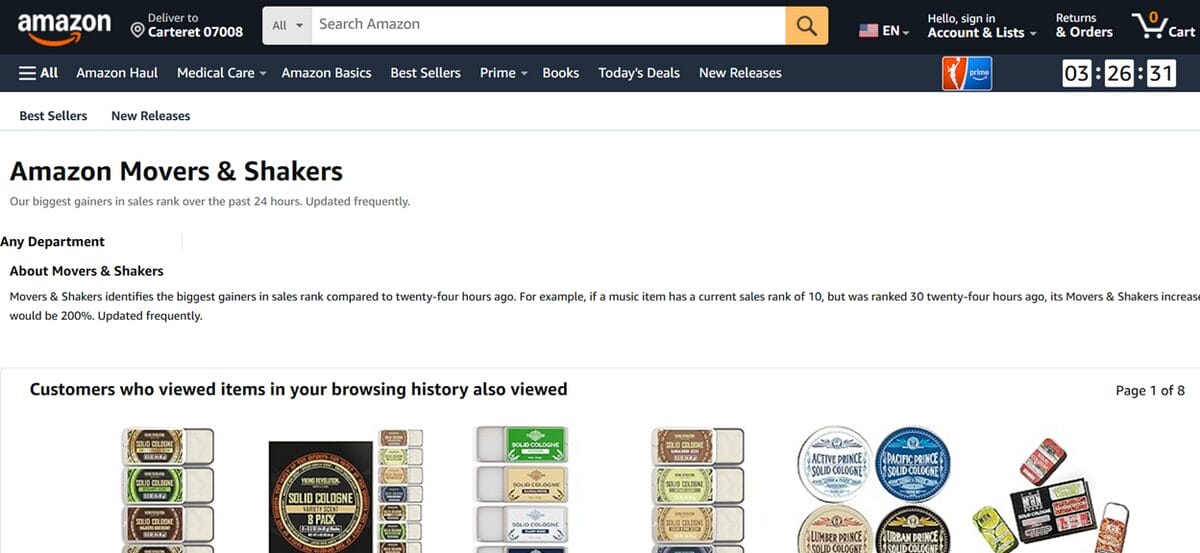
Amazon’s Movers & Shakers section tracks products rapidly climbing in sales rank across different categories. In other words, it’s a great way to spot products gaining traction before the market gets populated.
It’s also incredibly useful for identifying shifts in consumer interest based on real purchasing behavior, not just whatever happens to be viral that week.
Pinterest Trends
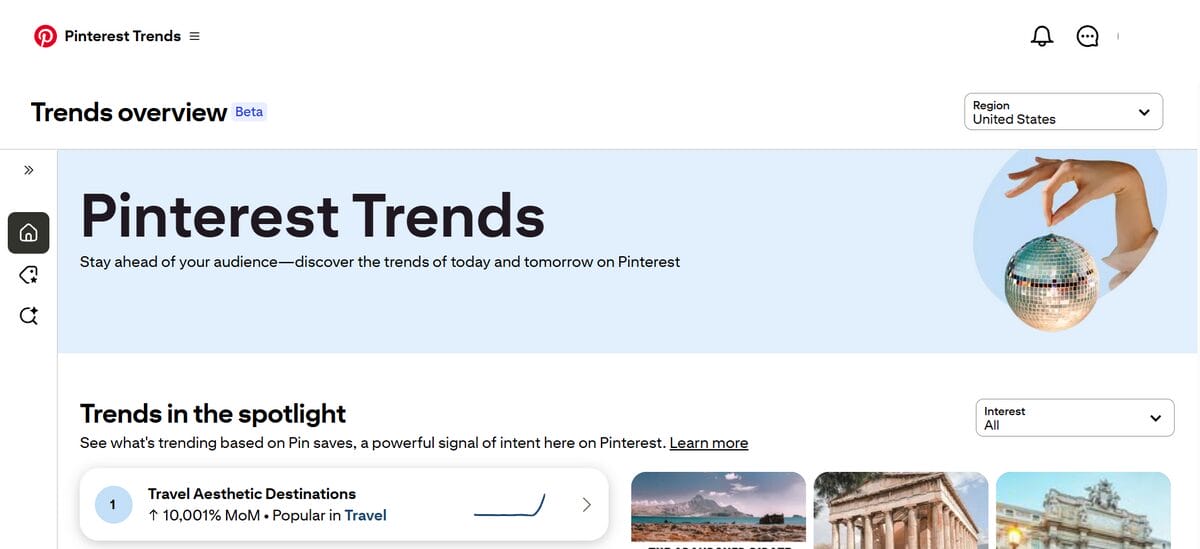
Pinterest tends to fly under the radar in dropshipping research, which honestly makes it even more valuable. Since users actively search for inspiration, aesthetics, and shopping ideas there, new consumer interests often start surfacing surprisingly early.
It’s a particularly strong platform for uncovering emerging visual styles, seasonal demand, and fast-growing categories before they fully reach mainstream ecommerce audiences.
Google Trends
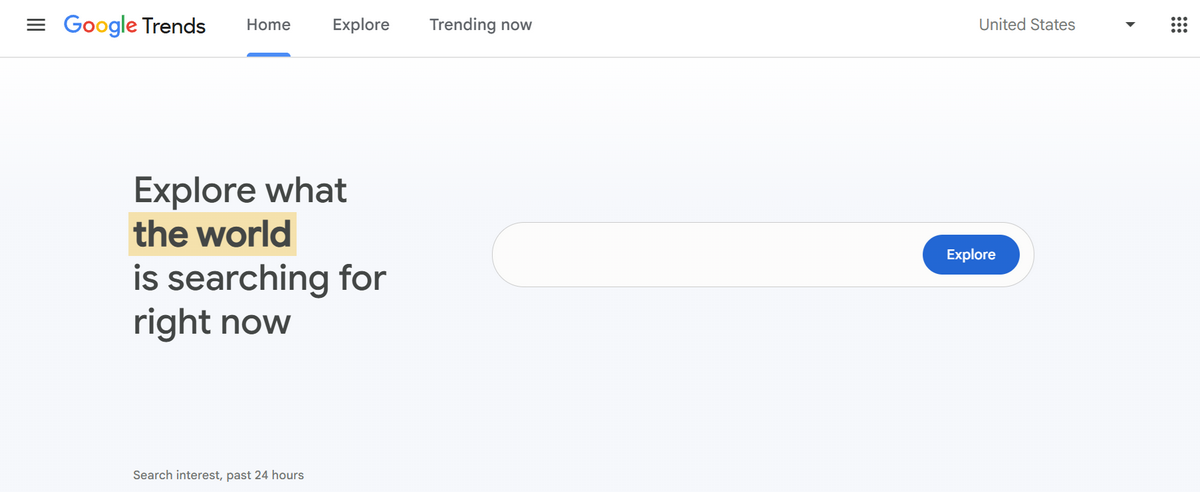
Google Trends is one of the simplest ways to check whether interest in a product is genuinely growing or quietly fading away. It helps sellers avoid jumping into trends that already peaked months ago but are still circulating online.
Comparing search interest over time can also uncover seasonal opportunities, rising categories, and growing niches before competition starts piling in.
Frequently Asked Questions
What is the most profitable dropshipping business?
The most profitable dropshipping businesses usually combine strong product demand, healthy profit margins, repeat purchase potential, and branding opportunities. In most cases, long-term success comes from building a store around niche products people actively want, not just random viral items.
What are the best dropshipping business ideas for beginners?
The best dropshipping business ideas for beginners are usually categories with consistent demand, accessible suppliers, and products that are easy to market and test. Niches like pet products, home organization, beauty, smart gadgets, and wellness tend to work well because they combine strong consumer interest with solid branding and content potential.
Can you start dropshipping with a low budget?
Yes, dropshipping can be started with a relatively low budget compared to traditional ecommerce. Since sellers don’t need to buy inventory upfront, most early expenses usually go toward store setup, marketing, and automation tools that simplify operations.
Which dropshipping niches are oversaturated?
Oversaturated dropshipping niches are usually categories where thousands of sellers push nearly identical products using the same marketing angles. Generic phone accessories, low-quality fashion items, and heavily copied “viral” products often become harder to scale without strong branding or differentiation.
Are AI dropshipping stores profitable?
Yes, AI dropshipping stores can be profitable when automation is used strategically. AI tools can simplify product research, content creation, and store management, allowing sellers to test faster and operate more efficiently.
What products are best for TikTok Shop?
The best products for TikTok Shop are usually visually engaging, affordable, and easy to demonstrate in short videos. Smart gadgets, beauty products, fitness accessories, kitchen tools, and problem-solving items tend to perform especially well on the platform.
Can I automate my dropshipping business?
Yes, many parts of a dropshipping business can be automated, including product imports, pricing updates, and order fulfillment. Platforms like AutoDS help reduce repetitive manual work so sellers can focus more on strategic growth.
How long does it take to become profitable?
The time it takes to become profitable varies depending on the niche, product selection, and consistency. Some stores generate sales within weeks, while others take longer to optimize products, content, and advertising before scaling successfully.
Is dropshipping still worth it in 2026?
Yes, dropshipping is still worth it in 2026 for sellers willing to approach it like a real business instead of a quick-money shortcut. Ecommerce keeps growing globally, and with the right systems and automation tools, dropshipping still offers strong profit potential with relatively low startup costs.
What platform is best for dropshipping beginners?
For beginners, the best dropshipping platforms are usually the ones that simplify operations instead of adding more complexity. AutoDS stands out as it combines product sourcing, supplier access, automation, fulfillment, and store management tools in one place, making it much easier to start and scale efficiently.
Start Your Dropshipping Journey with AutoDS
The biggest takeaway? Successful dropshipping businesses rarely happen by accident. The stores that actually grow tend to start with the same foundation: a clear idea, products people genuinely care about, and systems that can scale without turning daily operations into chaos.
That’s exactly where tools like AutoDS become valuable. From product discovery and supplier access to automation, AutoDS helps turn business ideas into something far more practical to launch and manage in the long run.
Because finding a promising niche is important, sure, but building a workflow that actually supports growth? That’s what makes the difference once sales start coming in.
🚀 Ready to start building? You can start exploring products, suppliers, and automation tools with AutoDS through its $1 trial and begin testing your first business idea with a lot less friction.
Looking for your next move? These reads will point you in the right direction: