


Vitamin supplements are a booming health and wellness movement that’s reshaping consumer habits worldwide. From immune-boosting powerhouses to brain-enhancing nootropics, people are more invested than ever in optimizing their well-being.
For dropshippers, that creates a unique opportunity. But before you dive in and start listing bottles of supplements, there’s more to this niche than just high demand. Supplements directly impact people’s health, meaning you need to play by the rules, ensure quality products, and stay compliant with regulations.
Choosing what to sell matters, but knowing who manufactures it, what documentation supports it, and whether it meets the requirements of your target audience matters just as much. That’s where careful research and the right operational tools come into play. AutoDS can help you find and source products and streamline your dropshipping workflow, while you stay focused on evaluating suppliers, checking documentation, and meeting the regulations that apply to your market.
In this guide, you’ll learn how vitamin supplements dropshipping works, what makes the market attractive, which rules you need to understand, and how to evaluate suppliers and certifications. You’ll also explore product ideas and practical tips to help you approach this niche with a more informed strategy.
Dropshipping vitamins is legal but regulated. Sellers must follow strict health and safety rules (FDA, EFSA, etc.) to ensure compliance.
Marketing must be truthful. Avoid exaggerated health claims and ensure accurate labeling to prevent legal issues.
Each platform has strict supplement policies. Amazon requires approval, eBay monitors ingredients, and Shopify puts compliance on sellers.
Automation tools like AutoDS simplify dropshipping. They help with supplier selection, pricing, inventory, and fulfillment. 👇
Is Vitamin Supplements Dropshipping Profitable?
Vitamin supplements dropshipping can be highly profitable. The opportunity is hard to ignore. The global dietary supplements market was valued at USD 209.5 billion in 2025 and is expected to reach USD 228.2 billion in 2026. Even more relevant for online sellers, dietary supplement sales through online channels are projected to grow at a CAGR of 9.5% from 2026 to 2033.
So, what makes this niche particularly interesting for dropshipping? Beyond market size, there are several structural advantages:
- Repeat purchase potential: Supplements are consumable products, which creates opportunities for recurring orders when customers find products that fit their routines.
- Multiple audiences and sub-niches: The category spans vitamins, minerals, sports nutrition, probiotics, botanicals, and other segments, giving you room to build a focused store around a specific audience rather than selling everything to everyone.
- Year-round demand: Unlike highly seasonal niches, many supplement categories are purchased throughout the year, although individual products can still experience demand peaks tied to fitness goals, seasonal routines, or consumer trends.
- Strong online growth: As eCommerce adoption expands in the category, dropshippers can reach specific audiences through educational content, niche positioning, and targeted marketing rather than competing only on price.
Of course, there’s a catch. And it’s an important one. The same characteristics that make supplements attractive also make supplier selection and compliance especially important. You’re selling products people consume, so manufacturing standards, labeling, documentation, and marketing claims can’t be treated as afterthoughts.
That’s where the next question comes in: What do you actually need to know before legally selling vitamins and supplements?
Is It Legal To Dropship Vitamin Supplements?
Yes, dropshipping vitamin supplements is legal, but it’s not as simple as selling phone cases or trendy fashion accessories. The supplement industry is heavily scrutinized, with tight regulations and health standards in place to protect consumers.
When dropshipping health products, playing by the rules isn’t optional. Since these products claim to support wellness, they fall under the watchful eyes of government agencies, each with its own considerations and restrictions. That means navigating compliance, avoiding misleading claims, and ensuring proper labeling are all essential before launching your store. Let’s break down the key regulations and considerations you need to keep in mind before getting started.
U.S. Regulatory Framework: DSHEA, CGMP, and Labeling
What Does DSHEA Actually Cover?
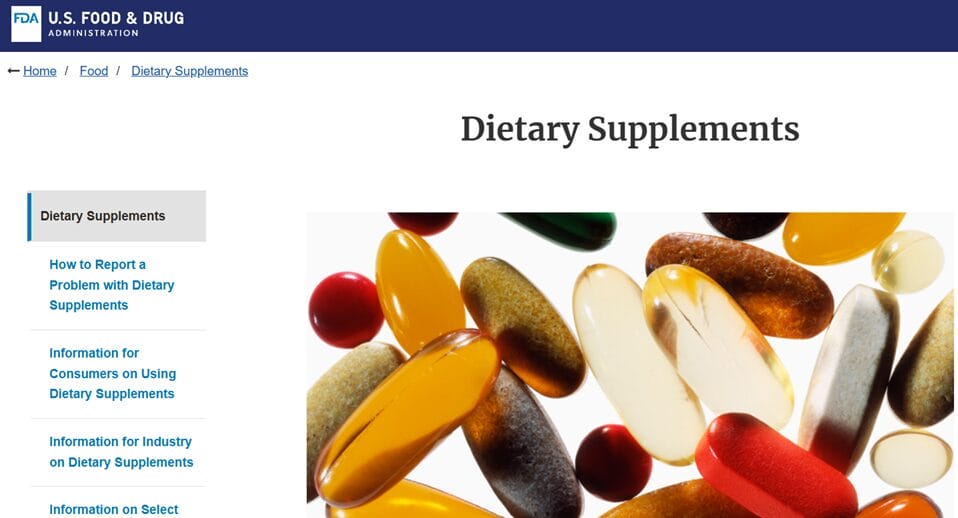
The Dietary Supplement Health and Education Act (DSHEA) of 1994 established the modern regulatory framework for dietary supplements in the U.S. Under federal law, the category includes products intended for ingestion that supplement the diet and contain ingredients such as vitamins, minerals, herbs or other botanicals, amino acids, and certain other dietary substances.
Why does that definition matter? Because the way an item is classified affects the rules that apply to it. A dietary supplement, a conventional food, and a drug don’t follow identical regulatory pathways.
Under DSHEA, the FDA (Food and Drug Administration) doesn’t have to approve dietary supplements before they’re marketed. However, that doesn’t give manufacturers or marketers free rein. New dietary ingredients may trigger premarket notification requirements, while labeling and marketing claims remain subject to specific conventions.
And this is particularly important for sellers: a supplement can’t be marketed as diagnosing, treating, curing, or preventing a disease unless it meets the applicable requirements for drugs. That means your descriptions, ads, social media copy, and other promotional materials deserve just as much attention as the product label itself.
CGMP Requirements Under 21 CFR Part 111
So, how are supplements expected to be manufactured? In the U.S., Current Good Manufacturing Practice (CGMP) requirements for dietary supplements are established under 21 CFR Part 111. These rules cover manufacturing, packaging, labeling, and holding operations and are intended to help ensure supplements are produced consistently and meet applicable quality requirements.
Among other areas, CGMP requirements address:
- Ingredient identity and specifications: Establishing appropriate specifications and conducting required testing or examinations.
- Production records: Documenting manufacturing steps and batch history for traceability.
Facility and equipment controls: Maintaining suitable facilities, equipment, sanitation, and production controls. - Quality control operations: Reviewing and approving or rejecting components, packaging, labels, and finished batches as required.
- Complaint handling and records: Maintaining systems and documentation for applicable complaints and quality issues.
For a dropshipper, the practical takeaway is simple: you may not manufacture the product yourself, but the quality of your supplier still affects your business. Sourcing from a non-compliant manufacturer can expose your store to product removals, recalls, customer complaints, and potential regulatory or platform consequences.
Labeling Requirements
A good product isn’t enough if the label doesn’t meet the requirements of the market where you’re selling it. Accurate labeling is non-negotiable in the supplement world. Depending on the product, it generally needs to display elements such as:
- A statement identifying the product as a supplement.
- The net quantity of contents.
- A Supplement Facts panel.
- An ingredient list for ingredients not already declared in the Supplement Facts panel.
- The name and place of business of the manufacturer, packer, or distributor.
📢 Heads up: FDA’s supplement labeling guidance applies to products sold in the U.S., including imported supplements, so sourcing from an overseas manufacturer doesn’t remove the need to check whether the final product is properly labeled for the U.S. market.
What Can (and Can’t) You Claim?
This is where things can get tricky. A catchy product description may sound harmless from a marketing perspective but create a regulatory problem if it crosses the line into an impermissible claim. Here’s a practical comparison:
- Structure/function claims: Describe how a nutrient or ingredient supports normal body structure or function, such as “Supports immune health.” 👉 These claims must be truthful and not misleading, supported by substantiation, and meet applicable notification and disclaimer requirements.
- Nutrient content claims: Describe the level of a nutrient in a product, such as “High in vitamin C.” 👉 These claims must meet the FDA-defined conditions for the specific term being used.
- Disease claims: State or imply that a product can diagnose, treat, cure, or prevent a disease, such as “Treats arthritis.” 👉 These claims can cause the product to be regulated as a drug and shouldn’t be used for an ordinary dietary supplement.
The practical rule? Don’t improvise health claims because they sound good in an ad. Check what the product label actually supports, what evidence exists behind the claim, and what the rules allow before using health-related language in listings or campaigns.
When it comes to supplements, trust is everything. Customers want to know exactly what they’re putting in their bodies, and the last thing any seller wants is to lose credibility or, worse, get banned from selling altogether. Be upfront about what your products do (and don’t do) and you’ll build a loyal customer base in this fast-growing market.
International Regulations: The Rules Change by Market
Planning to sell beyond the U.S.? Then your compliance research needs to travel with your products. Different markets classify and regulate supplements differently, so a product that can be sold under one framework isn’t automatically ready for another:
- European Union: Food supplements are subject to EU food law and the Food Supplements Directive, with additional national rules potentially applying to substances beyond vitamins and minerals. Health claims are scientifically evaluated by EFSA (European Food Safety Authority), while the European Commission authorizes claims and maintains the EU Register of permitted and non-authorized claims.
- Canada: Vitamins and many other supplements fall under the Natural Health Products framework. Products authorized for sale carry an eight-digit Natural Product Number (NPN), or a DIN-HM for homeopathic medicines, which can be checked through Health Canada’s database.
- United Kingdom: Food supplements generally fall under food composition, safety, and labeling rules. In Great Britain, only authorized health claims in the GB Register may generally be used, subject to applicable rules and exceptions. Products presented as medicines may instead fall under medicines regulation and MHRA (Medicines and Healthcare products Regulatory Agency) oversight.
The lesson here is clear: don’t assume that a supplier offering worldwide shipping means a product is compliant worldwide. Shipping availability and regulatory eligibility are two different things.
Supplier Quality: What Do GMP, NSF, and USP Actually Tell You?
Once you understand the rules, the next question is unavoidable: How do you know whether a supplier can actually meet the standards your business needs?
This is where documentation and independent certification or verification programs can help—but it’s important to understand that CGMP compliance, NSF (National Sanitation Foundation) certification, and USP (United States Pharmacopeia) verification aren’t interchangeable concepts.
| Standard or Program | What it checks | Why it matters |
|---|---|---|
| FDA CGMP / 21 CFR Part 111 | Manufacturing and quality controls | U.S. regulatory baseline |
| NSF Supplement Certification | Label accuracy and contaminants | Independent quality assurance |
| NSF Certified for Sport® | Quality and banned substances | Designed for sports supplements |
| USP Verified | Identity, potency, purity, and quality | Independent product verification |
🆕 Beginner’s Tip:Verify the exact product and facility involved rather than assuming that one certification applies to an entire supplier catalog. NSF provides searchable certified-product listings, while USP identifies products participating in its verification program.
When vetting a supplier, ask for:
- A current Certificate of Analysis (COA) for the relevant product or batch.
- Evidence supporting applicable CGMP compliance claims.
- Any third-party certification or verification information, checked against the certifier’s official database.
A polished website and a “premium quality” badge aren’t enough here. The stronger supplier is the one that can answer specific questions with specific documentation.
Selling Supplements on Different Platforms

Selling supplements online comes with specific guidelines—each eCommerce platform has its own set of rules to follow, and ignoring them can lead to product bans or, worse, store suspensions. Here’s how the major platforms handle supplement sales:
- Amazon: The marketplace giant isn’t taking chances when it comes to vitamins and supplements. For Amazon dropshipping, approval is mandatory, and sellers must meet strict safety and labeling requirements. Be prepared for detailed documentation requests, including certificates of analysis and proof of good manufacturing practices.
- eBay: Think of eBay as a watchdog for supplement compliance. It closely monitors supplement ingredients and imposes restrictions based on regional regulations. Certain substances that might be legal in one country could be banned in another, making it essential to double-check policies before listing.
- Shopify: This platform offers sellers the most flexibility, but that doesn’t mean it’s a free pass. Shopify places the responsibility squarely on the seller’s shoulders to ensure that all applicable laws and regulations are met. If a claim or ingredient raises red flags, your payment processor might step in with restrictions.
No matter which platform you choose, one rule remains constant: work with reputable suppliers. Always source products from GMP-certified manufacturers and ensure they provide proper documentation—think third-party lab tests, ingredient transparency, and compliance certificates. Cutting corners in this industry isn’t just risky—it could cost you your business.
10 Top-Selling Vitamin Supplements For Dropshipping
The supplement market offers a huge opportunity, but to stand out, you need more than just generic multivitamins. The best strategy? Offer sub-niche selections like organic, vegan, sports nutrition, and nootropic supplements to cater to specific customer needs. Below are ten of the most in-demand supplements in the dropshipping world.
Liposomal Vitamin C

This isn’t your basic vitamin C. Liposomal technology enhances absorption, making it a best-seller for immune support and skin health. It’s a premium pick for customers looking for superior results.
Vitamin D3 + K2 Drops

Think of this duo as the ultimate tag team for strong bones, a healthy heart, and a rock-solid immune system. Vitamin D3 helps your body absorb calcium, while K2 ensures it goes to the right places—like your bones, not your arteries. The liquid form makes it easier for your body to absorb, which is why it’s a go-to for people of all ages, especially during winter when sunlight (our natural D3 source) is in short supply.
Ashwagandha Capsules

Meet nature’s chill pill—a powerful adaptogen that helps the body fight stress, improve sleep, and boost overall well-being. Used in Ayurvedic medicine for centuries, ashwagandha is now a must-have for anyone looking to calm anxiety, enhance focus, or even support muscle recovery. For students battling exam stress, professionals juggling deadlines, or fitness enthusiasts speeding up post-workout recovery, this herbal supplement is a go-to.
Collagen Peptides Powder

Collagen isn’t just for beauty influencers—this supplement supports skin elasticity, hair growth, and joint recovery. The hydrolyzed form ensures better digestion, making it a must-have in the anti-aging and fitness markets.
Magnesium Glycinate Capsules

If stress had an enemy, it would be magnesium glycinate. This highly bioavailable form of magnesium is a go-to for relaxation. Unlike other magnesium types that can upset the stomach, this one is gentle and absorbs efficiently, making it a customer favorite. If someone is dealing with muscle cramps, sleepless nights, or high stress levels, this supplement is a must-have for those prioritizing wellness and balance.
Probiotic + Prebiotic Blend

Gut health is trending, and for good reason. A balanced gut supports digestion, immunity, and even mental health, making this probiotic + prebiotic blend a no-brainer for wellness seekers. The probiotics introduce good bacteria into the gut, while prebiotics feed and strengthen them, ensuring optimal gut function. This supplement is a staple for anyone looking to feel their best from the inside out.
💡 Pro Tip: Adding a vitamin subscription option to your store can boost customer retention and generate recurring revenue effortlessly.
CoQ10 Ubiquinol Softgels

Often called the “cellular energy booster,” CoQ10 is a must-have for heart health, stamina, and overall vitality. As we age, our natural CoQ10 levels decline, which can lead to fatigue and decreased cardiovascular function. That’s why this supplement is especially popular among older adults and those taking statin medications.
L-Theanine + Caffeine Capsules

The ultimate brain fuel for students, professionals, and gamers—this dynamic duo delivers calm, focused energy without the jitters. L-Theanine smooths out caffeine’s harsh edges, preventing crashes and anxiety while keeping mental clarity sharp.
Apple Cider Vinegar Gummies

Forget the harsh taste and burning throat. ACV gummies deliver all the benefits of traditional apple cider vinegar without the downside. Packed with digestive support, metabolism-boosting properties, and detox benefits, these gummies are a viral sensation in the wellness world.
Turmeric Curcumin with BioPerine

Turmeric isn’t just a spice. It’s a powerful anti-inflammatory with benefits for joint health, heart function, and immunity. But here’s the catch: turmeric alone isn’t easily absorbed by the body. That’s why this formula includes BioPerine (black pepper extract) to enhance absorption, ensuring maximum effectiveness. Whether for soothing aching joints, reducing inflammation, or supporting overall wellness, this supplement is a top-seller for a reason.
💡 Pro Tip: Pairing supplements with related wellness products like protein powders, shaker bottles, sleep masks can increase your average order value!
How To Easily Add Vitamin Supplements To Your Dropshipping Store
Let’s say you want to start selling Apple Cider Vinegar Gummies, one of the most popular immune-boosting supplements. With AutoDS, the process is seamless and automated, saving you time and effort. Follow these steps to import products, manage inventory, and set competitive pricing for maximum profitability.
Finding a Reliable Supplier & Importing Products
1. Head to a trusted supplier and find a high-quality Apple Cider Vinegar (ACV) Gummies product. Look for a supplier that offers GMP-certified supplements, has strong customer reviews, and offers reliable shipping times. In this case, we chose Amazon as our supplier.

2. Use AutoDS’s Single Product Import tool. Copy the product’s Amazon URL and paste it into the AutoDS Single Product Import tool, allowing you to instantly add the ACV gummies to your store.

3. Optimize your listing. Once imported, adjust the title, description, and images to match your branding and appeal to your target audience. Highlight key benefits like digestive support, detox properties, and weight management to attract more buyers.
The best part? AutoDS has your back when it comes to stock management and pricing updates, too. No more stressing over overselling or sudden price changes. AutoDS automatically tracks your supplier’s inventory. If the product runs out, your store updates instantly to avoid disappointing customers. And if your supplier tweaks their prices, AutoDS adjusts yours, too, so your profit margins stay intact without you lifting a finger. Less manual work means smoother sales—just how it should be!
Setting Competitive Pricing

Finding the perfect price for your supplements doesn’t have to be a guessing game. With AutoDS’s Dynamic Pricing Automation, your prices adjust automatically based on market trends, demand, and supplier cost changes—keeping you competitive and profitable without constant manual updates.
If your supplier raises their price, AutoDS updates your store instantly so you don’t lose money. If demand spikes, the system can slightly increase your price to maximize profits, just like a smart pricing assistant working behind the scenes. Want to boost sales? AutoDS even lets you set automatic bulk discounts—like “Buy 2, Get 10% Off”—to encourage bigger orders.

With AutoDS handling pricing, you can focus on growing your brand, marketing your store, and keeping your customers happy without stressing over constant price adjustments!
Customer Service & Managing Returns In The Supplement Industry
Delivering top-tier customer service in the supplement industry is all about building trust in a market where credibility is everything. When people are buying products that impact their health, they expect clear information, prompt support, and fair return policies. If handled well, great customer service can turn one-time buyers into lifelong customers.
Proactive Customer Support
- Clarity is king. Customers want to know exactly what they’re putting in their bodies, so make sure your product listings include detailed ingredient lists, dosage instructions, and disclaimers. The more transparent you are, the fewer customer complaints you’ll have to deal with.
- Speed matters. Health-conscious shoppers don’t like waiting for answers about their supplements. Use AutoDS’s Customer Support Management Tool to respond to inquiries quickly, whether they’re about allergens, dosage adjustments, or product certifications.
- Become an authority. Establish credibility by offering educational content—think blog posts on supplement benefits, FAQs addressing common concerns, and even live chat support with a knowledgeable representative. The more informed your customers feel, the more likely they are to buy (and return!).
Managing Returns & Refunds
- Set expectations upfront. Unlike clothes or gadgets, supplements are often non-returnable once opened due to health and safety regulations. Make sure your return policy clearly states this to avoid misunderstandings.
- Handle complaints with care. If a customer is unsatisfied with a product, don’t just dismiss them—offer alternatives like store credit, a discount on their next purchase, or a replacement if the issue is supplier-related.
- Track feedback & adapt. Use AutoDS’s Order Management System to monitor recurring complaints, identify trends (like a supplier with frequent quality issues), and improve product selection over time.
Frequently Asked Questions
Is it profitable to dropship vitamin supplements in 2026?
Yes! The wellness industry is booming, and supplements are a high-demand product with strong profit margins. With the right suppliers and marketing strategies, dropshipping vitamins can be a lucrative business in 2026.
Are dietary supplements approved by the FDA before they are sold?
No. The FDA does not approve dietary supplements before they reach the market in the same way it approves pharmaceutical drugs. However, supplements are still regulated, and businesses involved must follow applicable rules for manufacturing, labeling, ingredients, and claims.
What are the labeling requirements for dietary supplements?
Dietary supplements sold in the U.S. generally need a statement of identity, net quantity of contents, a Supplement Facts panel, an ingredient list when applicable, and the name and place of business of the manufacturer, packer, or distributor. Additional warnings, directions, disclaimers, or disclosures may be required depending on the product and the claims being made.
Can I ship vitamins and supplements internationally?
Yes, but international shipping availability doesn’t automatically mean a supplement can legally be sold in every destination. Each market has its own requirements for ingredients, product registration or authorization, labeling, and health claims, so you need to check the rules of each target country before listing or shipping a product there.
How do I find reliable suppliers for vitamin supplements?
Look for suppliers with high-quality, third-party-tested products. Platforms like AutoDS and their supported suppliers offer a variety of vitamins, but you can also consider private-label suppliers. Always check for certifications, shipping times, and customer reviews before listing products.
Can I brand my own vitamin supplements in a dropshipping business?
Yes! Some suppliers offer private labeling, allowing you to add your own brand name to the packaging. This can help build brand loyalty and increase profit margins. Look for suppliers with white-label or private-label options if you want to create a custom supplement brand.
Start Your Vitamin Supplements Dropshipping Business
The supplement industry is thriving, and dropshipping vitamins presents an incredible opportunity to build a profitable online business. With the right suppliers, smart pricing strategies, and strong compliance with industry regulations, you can establish a successful brand in the wellness niche.
However, staying ahead means leveraging automation, optimizing product listings, and making data-driven decisions to scale efficiently. AutoDS can simplify that process by helping you import items, monitor supplier stock, and automate your pricing strategy—reducing manual work while keeping your store well-oiled.
💊 Looking to start your vitamin supplements dropshipping business? You can try AutoDS for $1 and automate your business.
Dropship Medical Supplies: 2025 Winning Products & Suppliers
From Farm To Checkout: Guide To Dropshipping Organic Foods
Dropshipping Fitness Products: 2025 Trends & Pro Tips
From Burnout To Buy Now: Mental Health And Self-Care Products Dropshipping