


Finding reliable dropshipping suppliers for Shopify is the first step, not the last. Your suppliers directly impact shipping times, product quality, and customer experience, which is why most Shopify stores fail or scale based on this one decision. Instead of treating supplier selection as a one-time task, think of it as part of your store-building process
In this guide, you’ll learn how to find, evaluate, and connect with the right suppliers. Tools like AutoDS centralize multiple suppliers and simplify sourcing, importing, and fulfillment in one workflow.
Your supplier strategy directly impacts conversions, margins, and customer experience.
Start with marketplaces for fast, low-risk product testing, then shift to faster or branded suppliers as you scale.
Shipping speed and reliability matter more than the lowest price when it comes to reducing refunds and complaints.
Always test orders, product quality, and fulfillment flow before investing in ads or scaling.
Use tools like AutoDS to automate sourcing, pricing, and fulfillment as your store grows.
Best Shopify Dropshipping Suppliers in 2026
AutoDS Warehouse
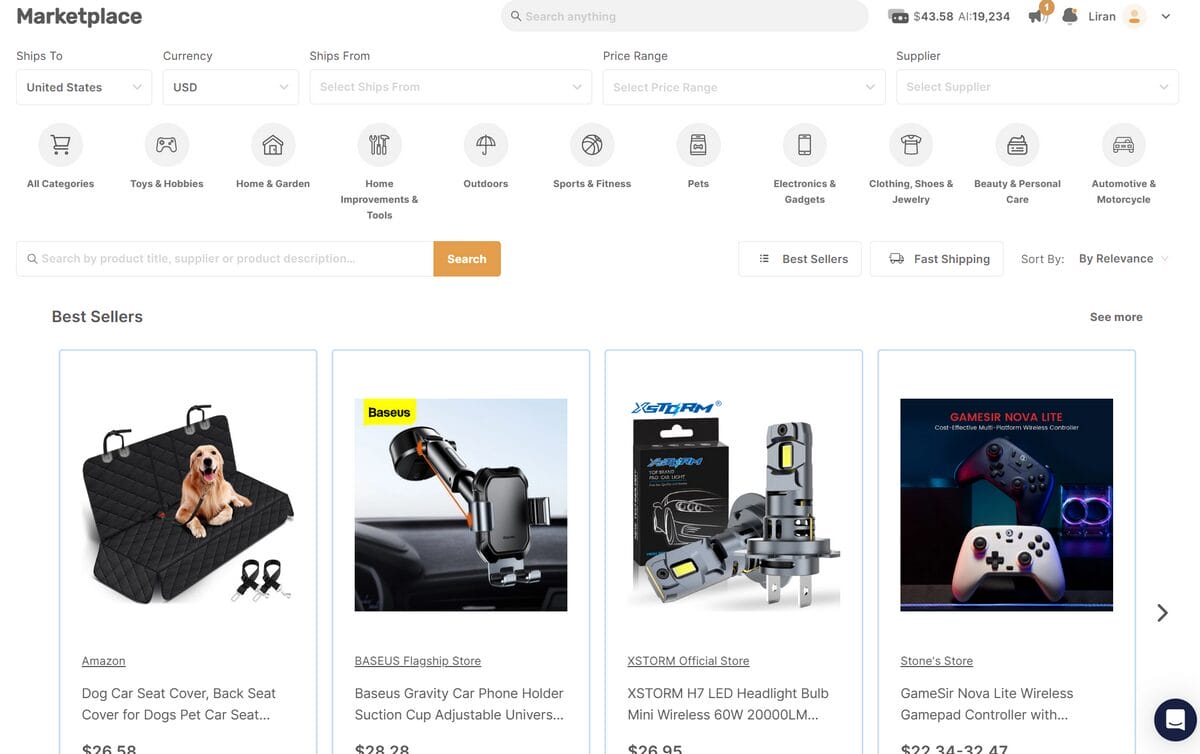
Think of this as your shortcut to working with dropshipping suppliers more efficiently. AutoDS is an all-in-one automation platform built to streamline all your operations while helping you scale faster and stay flexible as your store grows. One of its biggest advantages? Multiple product sourcing methods, all in one place.
To start, AutoDS functions as a Shopify supplier itself through its own strategically located warehouses, allowing you to source products directly without relying on third parties. On top of that, it connects you with private suppliers worldwide, along with a broad selection of well-known supported suppliers. This gives you reliable sourcing options no matter your niche or target market.
Plus, you can stand out! The Print On Demand feature lets you create and sell custom-designed products, helping you build a recognizable brand and offer something unique and differentiated to your customers.
Overall, AutoDS simplifies the supplier search process for Shopify sellers by combining warehouse-based sourcing, a global private supplier network, and trusted supplier integrations, all within one centralized platform.
eBay
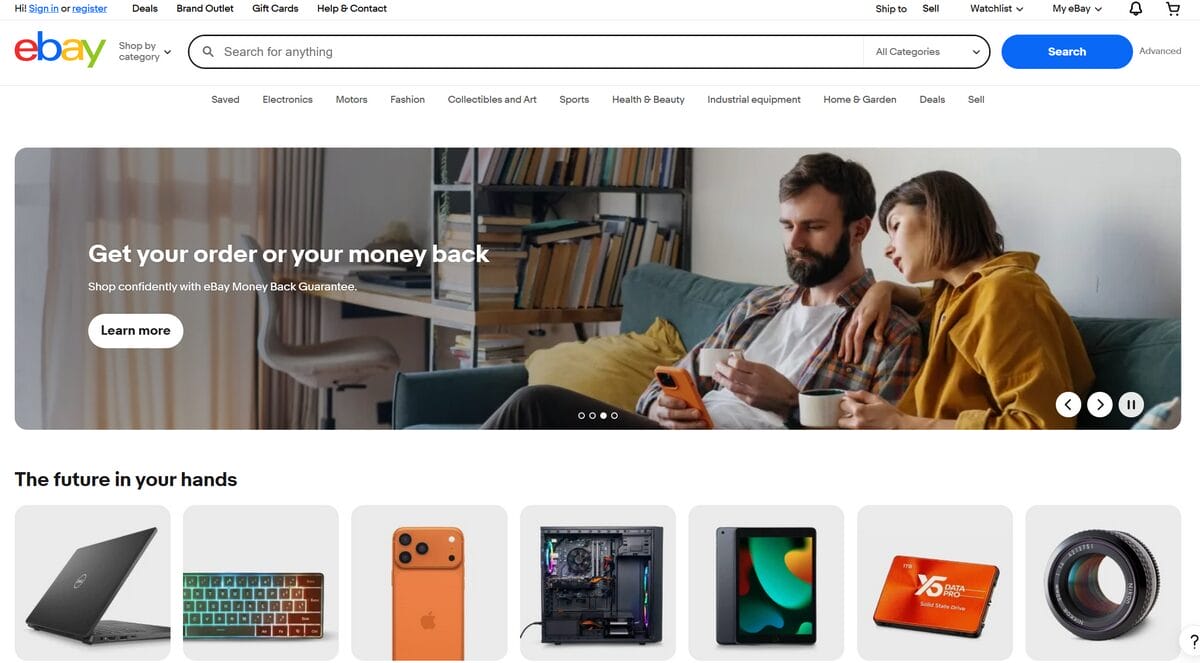
If you’re getting into eCommerce and somehow haven’t come across eBay yet, it’s time for a quick catch-up. Chances are, though, you’ve definitely heard of it. eBay is a global marketplace that connects buyers and sellers from virtually everywhere. For dropshippers, it’s a goldmine of product variety across countless categories, making it easy to source items for almost any niche.
Even better, you’re not tied to a single supplier, in fact, you’re tapping into a global seller network. This helps you diversify sourcing and reduce risk. It may be one of the oldest platforms in the game, but eBay is still a reliable, flexible, and smart choice for sourcing products.
AliExpress
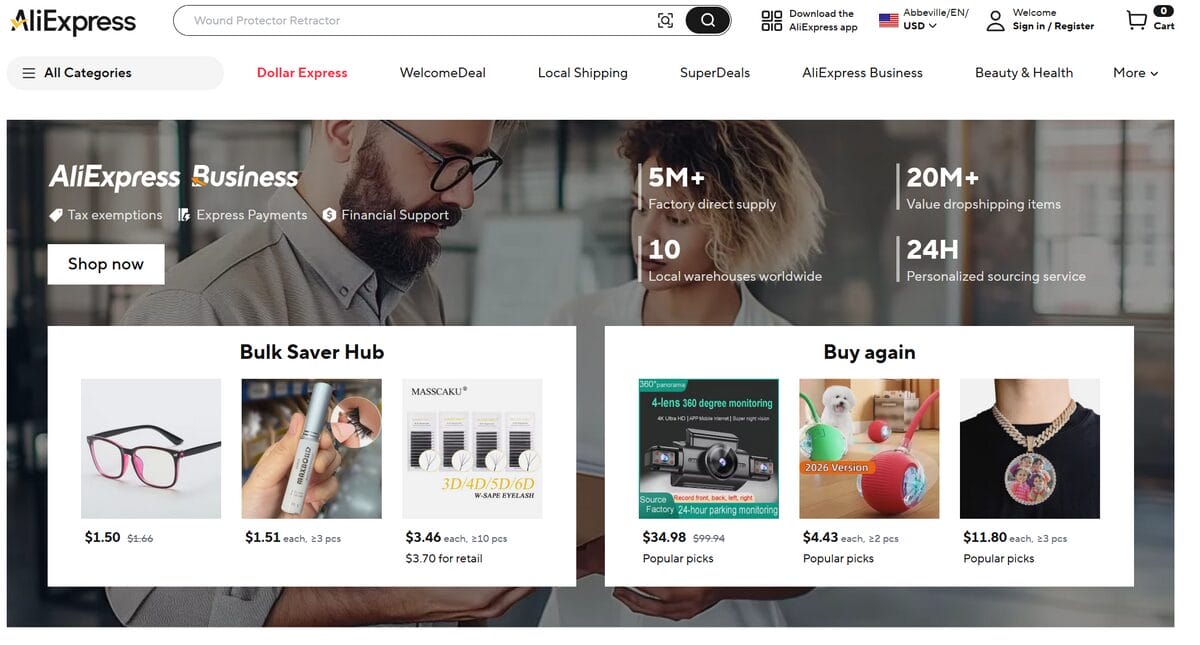
A true staple in the dropshipping world. Based in China, AliExpress is one of the largest global marketplaces, offering an almost unlimited product selection across every niche you can think of. Even better, many suppliers are already dropshipping-friendly, so you’re working within a system that’s built for this model.
Yes, one trade-off is that shipping times have traditionally been slower than those of local suppliers. Today, many listings offer U.S. and EU warehouse shipping, and programs like AliExpress Choice are improving delivery speed and overall reliability. AliExpress to Shopify dropshipping is ideal if you’re testing products, validating demand, or simply looking to keep upfront costs low while building your store.
Wayfair
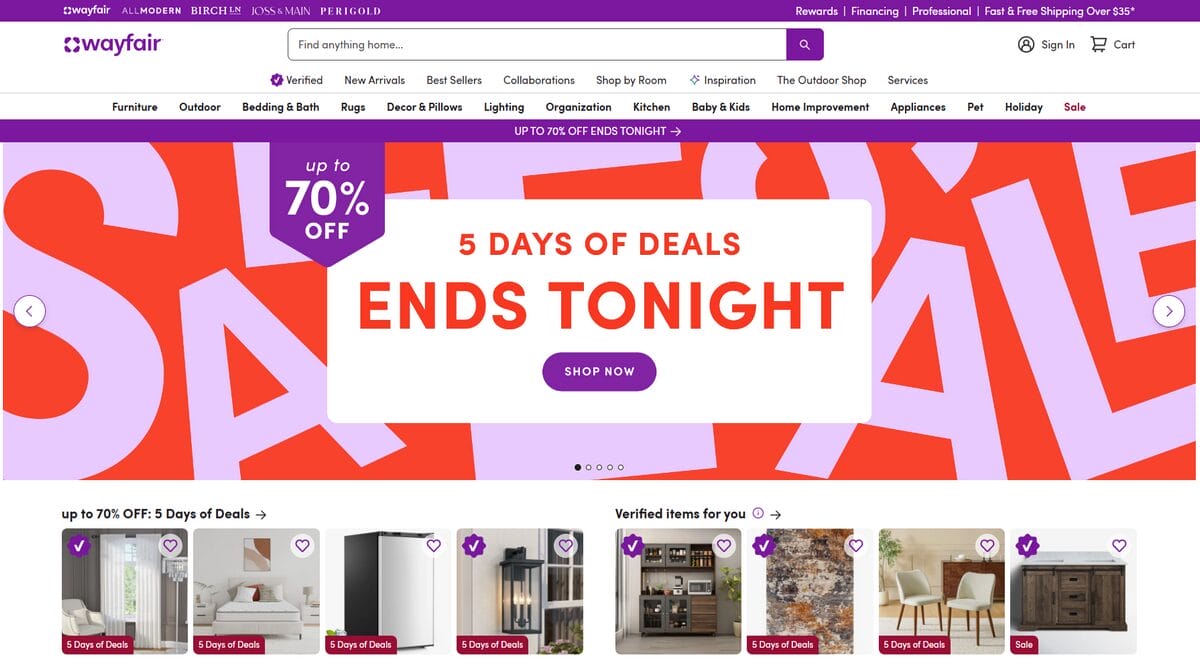
Wayfair is completely focused on home-related products like furniture, décor, lighting, and outdoor essentials. Interestingly, the company originally operated using a dropshipping-first model, so it understands both the supplier and seller sides of the business.
With thousands of partner suppliers and manufacturers, Wayfair offers a diverse product selection within the home niche. It also operates strategically placed U.S. warehouses, helping ensure faster shipping times and better customer satisfaction. If your focus is home décor or furniture, Wayfair dropshipping is a great choice.
Costway
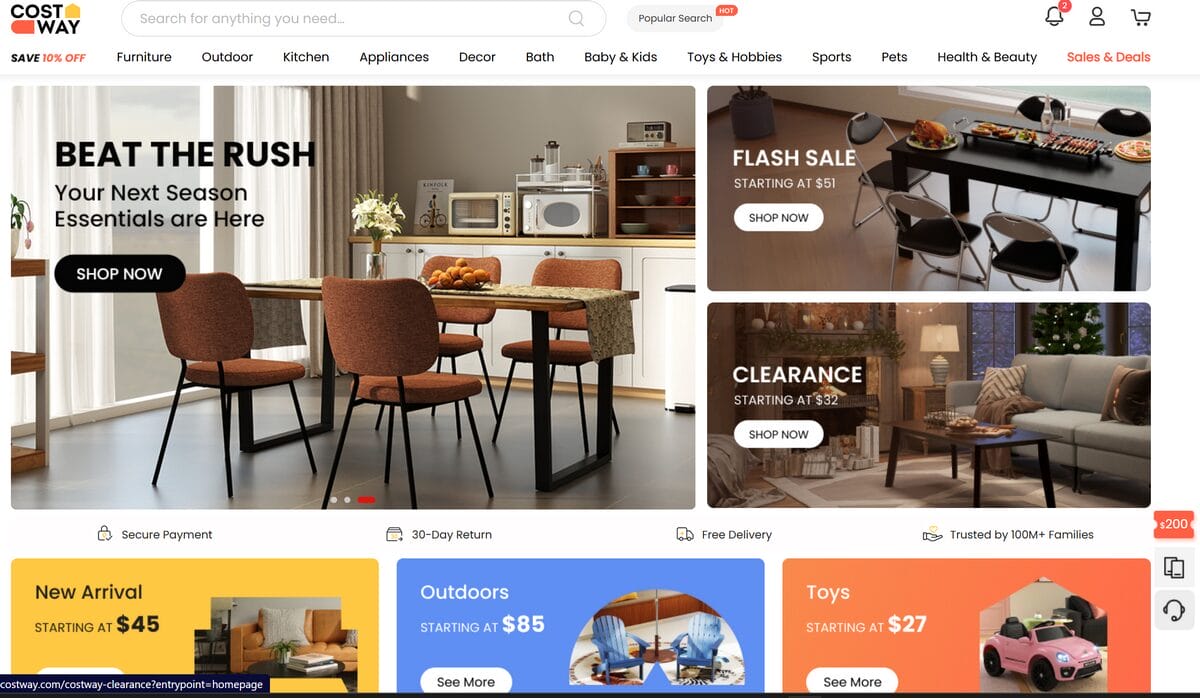
If your store has a home or family-focused vibe, Costway is a strong fit. Their catalog includes practical essentials like furniture, baby products, and garden items, making it easy to stay niche-focused.
They also offer multiple U.S. warehouses for faster shipping, plus free standard delivery and responsive support. A 90-day return policy on damaged items adds extra reliability. The only downside is occasional branded packaging, but that’s easy to manage with clear communication or added branding.
Banggood
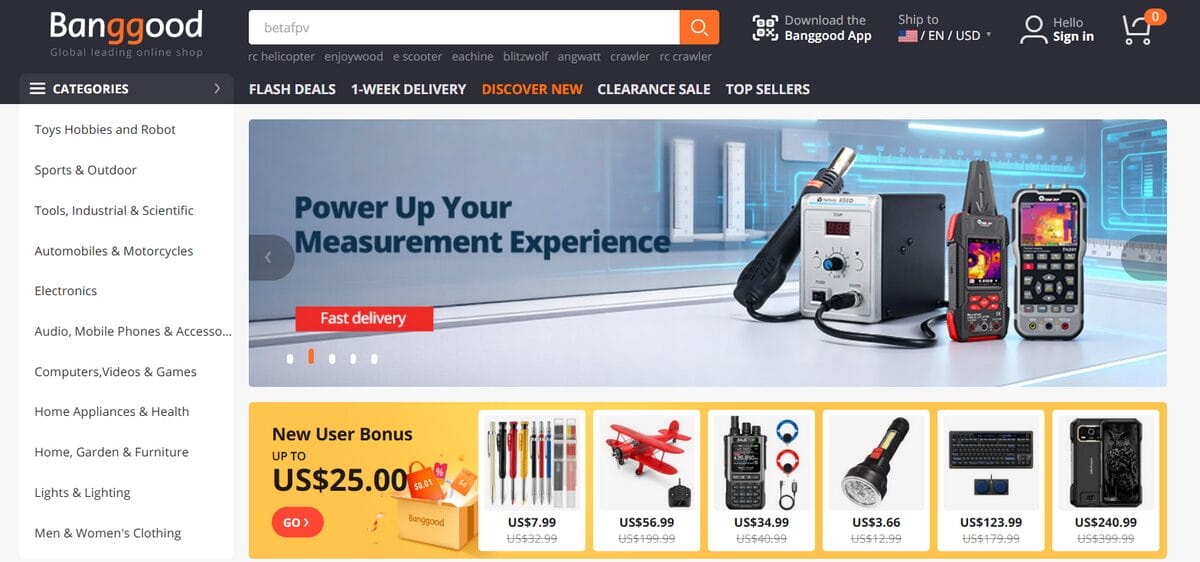
You can think of Banggod as a low-key platform with massive variety. They offer everything from electronics and fashion to tools and home décor, all at highly competitive prices. For dropshippers, it comes with real advantages: a global warehouse network (including the U.S. and Europe) and a dedicated dropshipping program with perks like discounted pricing and clean, watermark-free images.
The trade-off? Some items may lack warranty coverage, and returns can be slower. Still, if you’re looking to explore new niches and access a broad product range, Banggood is a solid option.
Overstock
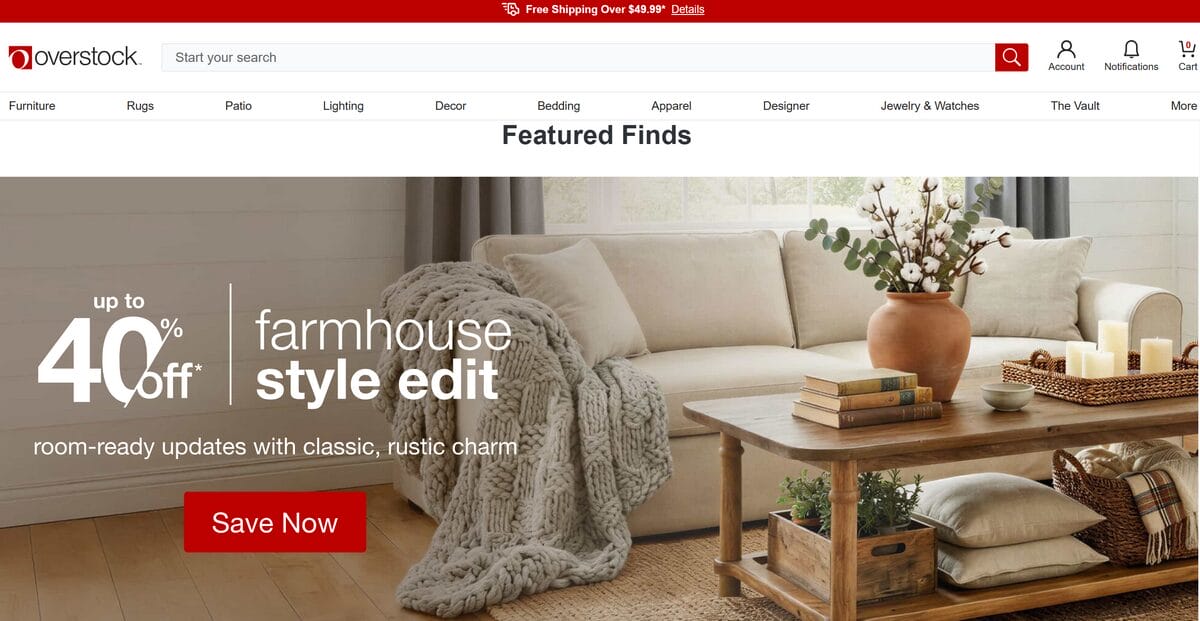
Overstock specializes in liquidation and surplus deals, meaning you can source high-quality products at lower costs and still maintain healthy margins. The platform focuses mainly on home, furniture, and décor, with an inventory that changes frequently. This is ideal for flash sales or stores that rely on rotating product catalogs. Many items come with free shipping and a reliable return policy.
It may not be the best choice for long-term evergreen products, but it’s perfect for sourcing high-impact “wow” items that can sell quickly.
CJDropshipping
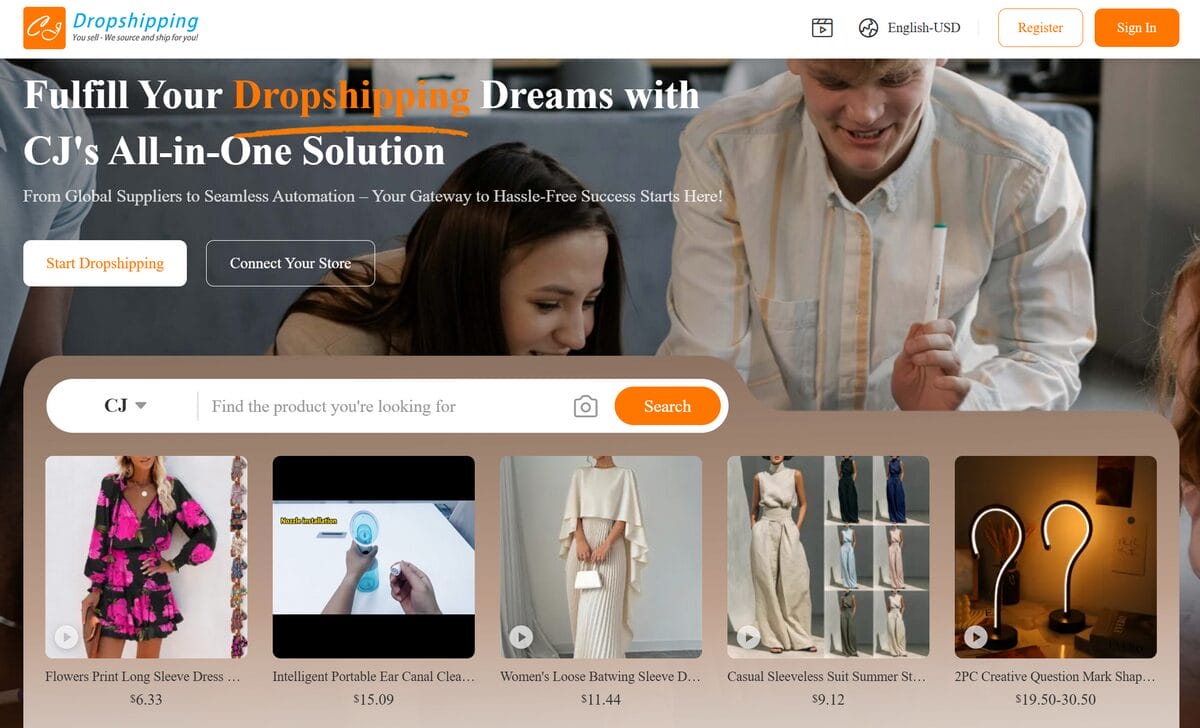
You’ve likely come across CJ Dropshipping before, but it’s worth highlighting how it works like an outsourced logistics team without the overhead. It supports product sourcing, quality control, custom packaging, and even professional product photography.
With warehouses in multiple regions, you benefit from faster delivery times and more reliable fulfillment. The platform also offers a smooth Shopify integration. And, if you’re looking for a unique product or branded packaging, CJ can handle both. It’s a strong choice if you want to upgrade your operations while staying fully within the dropshipping model.
Walmart
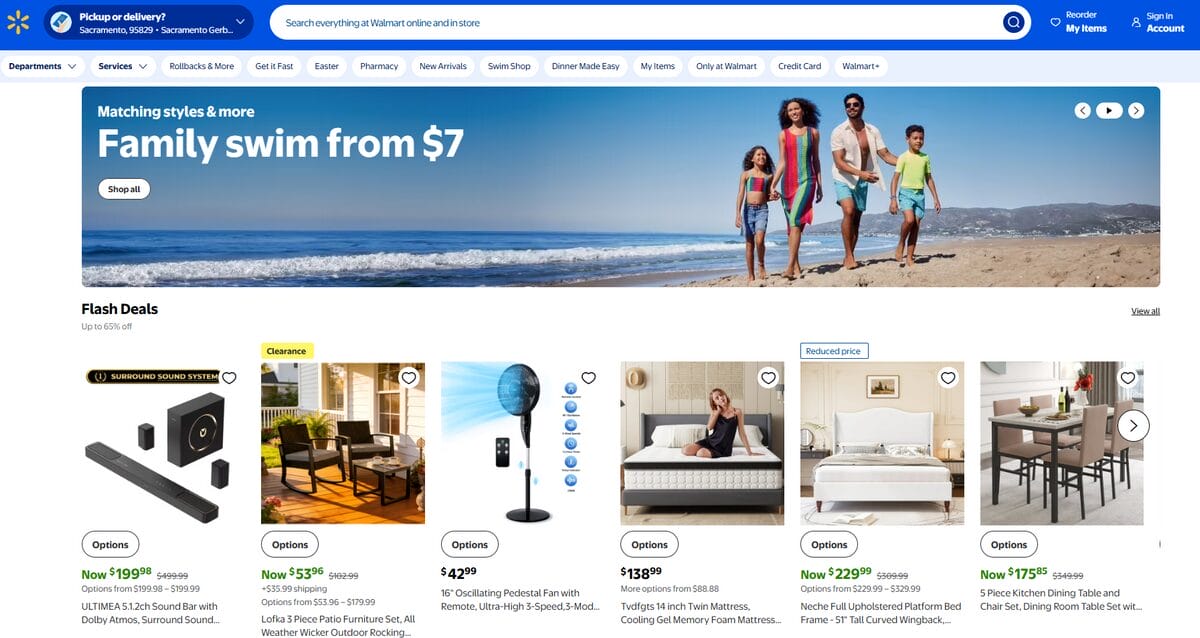
Walmart is a strong contender with 35+ product categories and items already found in millions of U.S. households. Plus, it gives you access to high-demand products and fast shipping options, including same-day delivery in some cases.
A standout advantage is its price-match policy, which lets you stay competitive and retain customers even when prices shift elsewhere. However, since Walmart isn’t built specifically for dropshipping, you’ll need to closely monitor stock and pricing changes.
Etsy
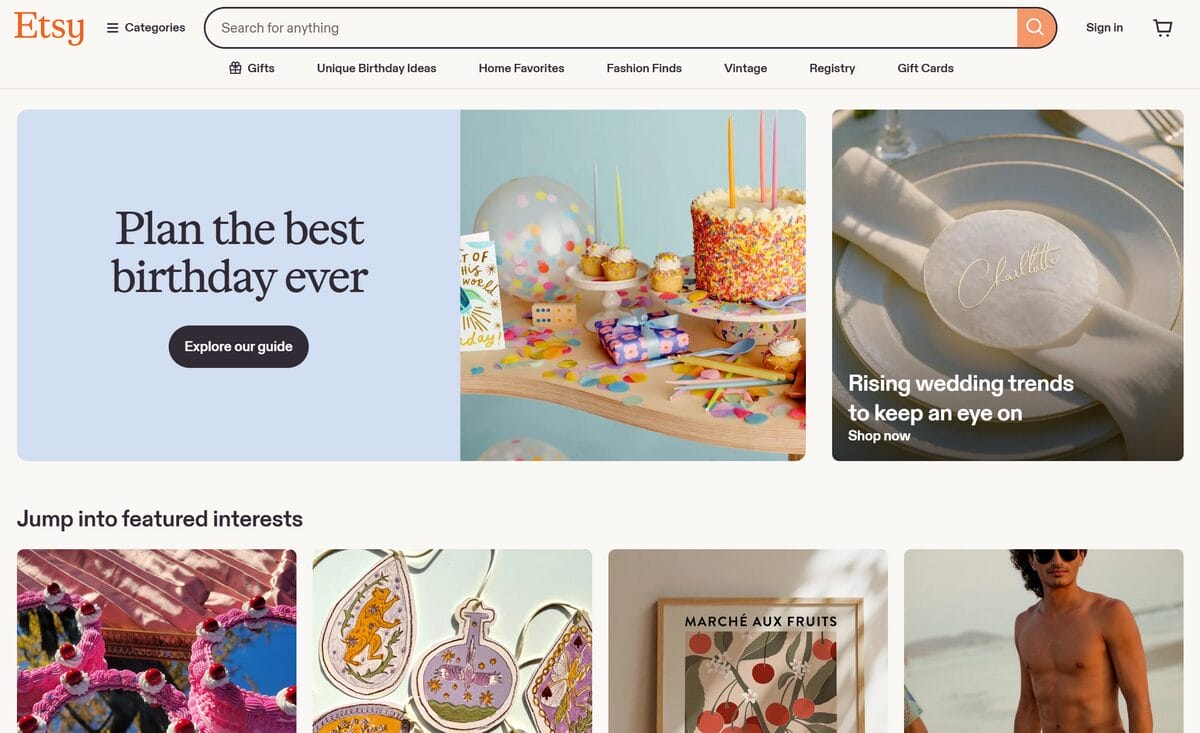
Etsy is a big standout in the supplier lineup because authenticity is its real advantage. If your store leans into handmade, vintage, or personalized products, it gives you access to truly unique inventory.
It does require a bit more effort, since each seller has different shipping and return policies. But once you find reliable vendors, you can build long-term partnerships and offer one-of-a-kind products that differentiate your brand. It’s agreat option for dropshippers focused on branding, storytelling, and originality.
🆕 News for creative sellers! OpenAI has officially partnered with Shopify and Etsy to bring AI-powered shopping directly into ChatGPT. Now, shoppers can browse and buy handmade or personalized products through real-time conversations, turning product discovery into a seamless experience. Learn all about this groundbreaking update in our full article on Shopify & Etsy + ChatGPT AI Shopping.
Amazon
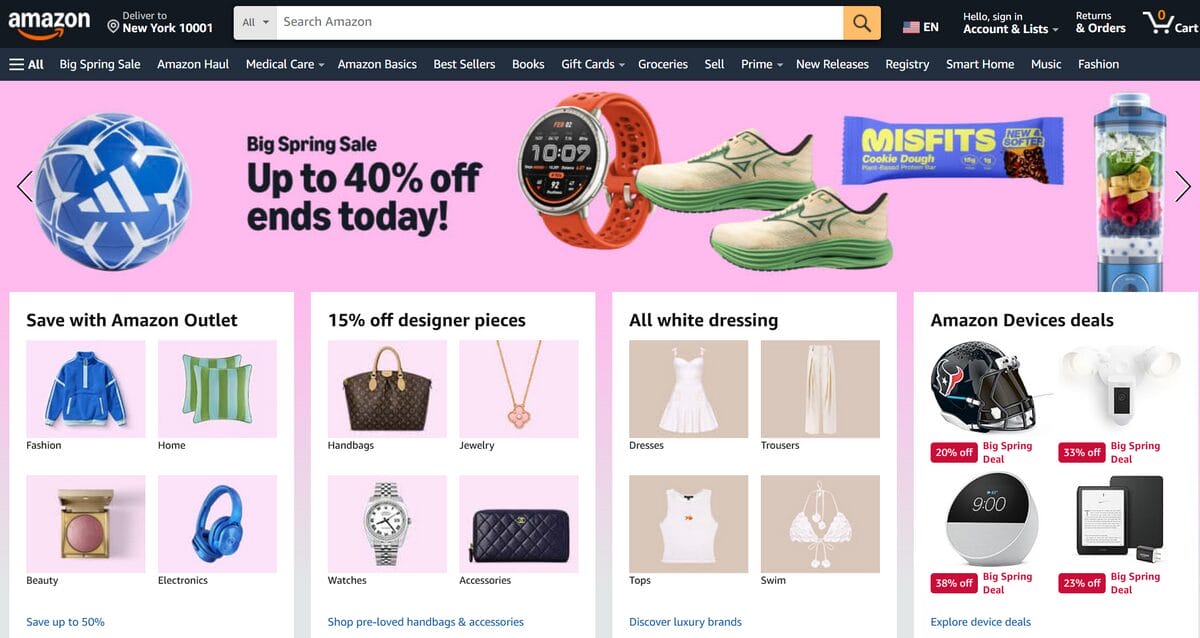
You can find almost any product imaginable on Amazon. While it’s not designed specifically for dropshipping, its massive catalog, ultra-fast shipping, and customer-friendly return policies make it a great supplier to work with.
Plus, with Amazon Prime, you can offer 1–2 day delivery in the U.S., which gives you a strong competitive edge. Buuuut, the tradeoff is that they do have frequent price changes, and the fact that not all products are resale-friendly. That’s why using automation tools like AutoDS is key, with features like price and stock monitoring that help you stay accurate.
Costco
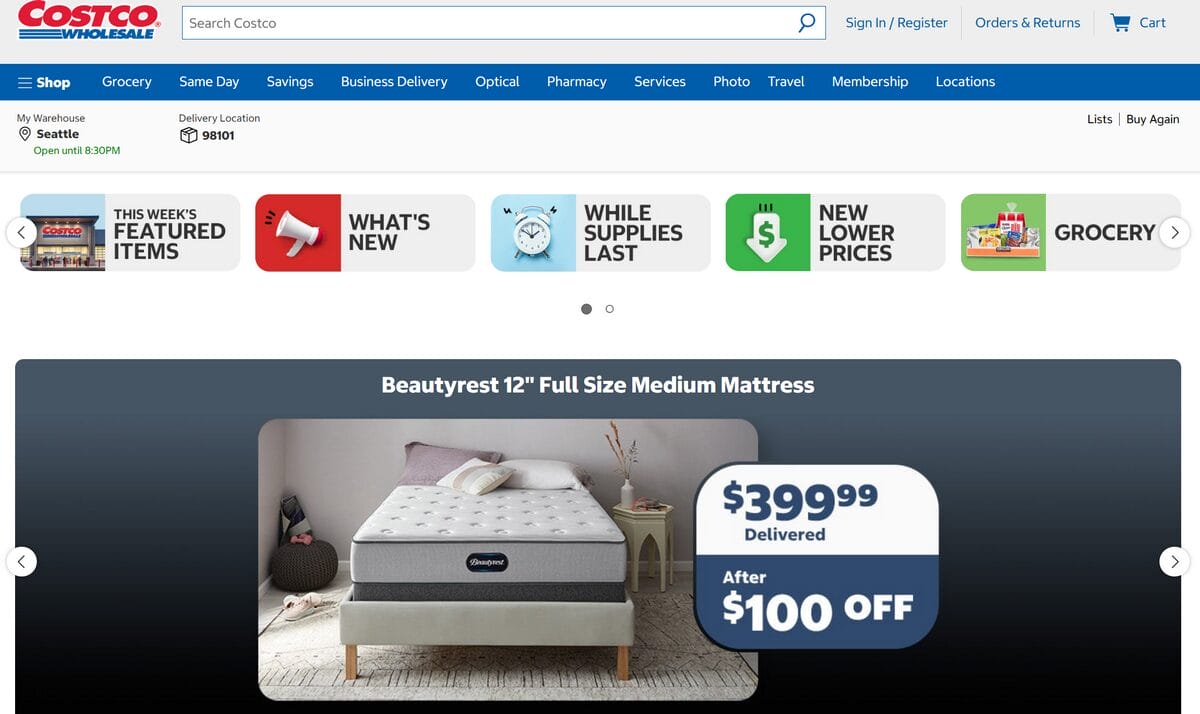
Costco barely needs an introduction. But here’s the twist: if you have an active membership, it can also be a reliable supplier. Their model focuses on offering quality at wholesale prices—great for your margins.
They shine in categories like kitchen, furniture, tech, and home goods. Some items even offer same-day delivery, and their customer service is strong. Downsides? No PayPal, and some items require a minimum purchase. But if you’ve got the volume and logistics dialed in, Costco is a solid, low-key supplier.
Sam’s Club
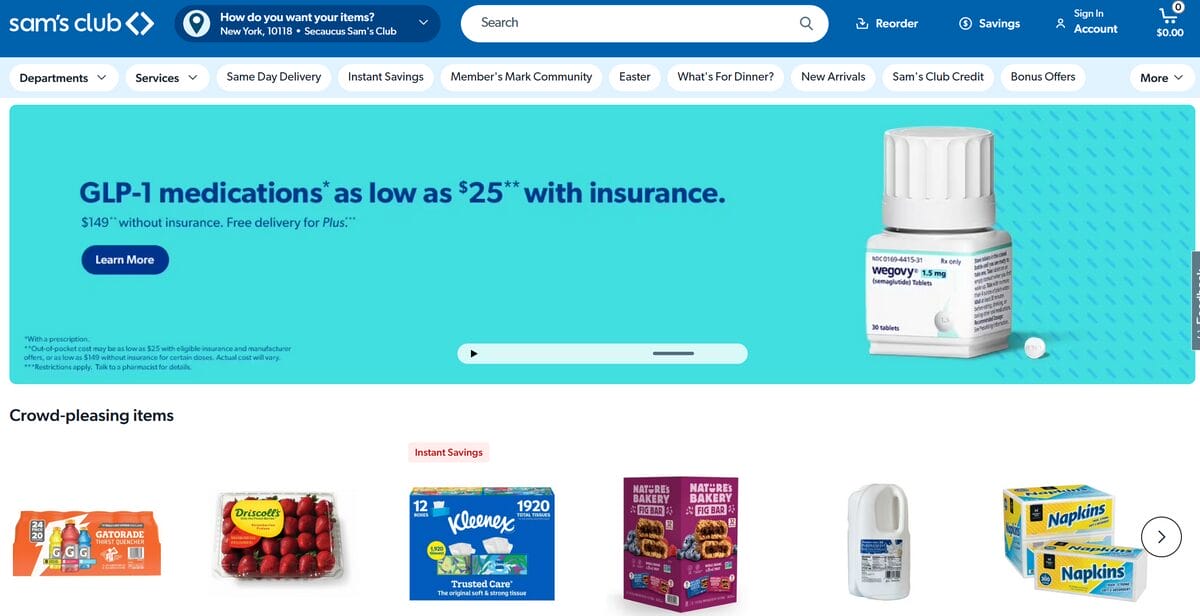
Sam’s Club, operated by Walmart, uses a membership-based model to offer competitive pricing on quality products, from groceries to electronics. One of its biggest advantages is the rewards program, with perks like cashback, bulk discounts, and free shipping, helping you optimize costs and boost margins.
The limitations? No PayPal and a required membership for access. Still, for U.S.-focused stores, it’s a valuable addition to your supplier mix.
Home Depot
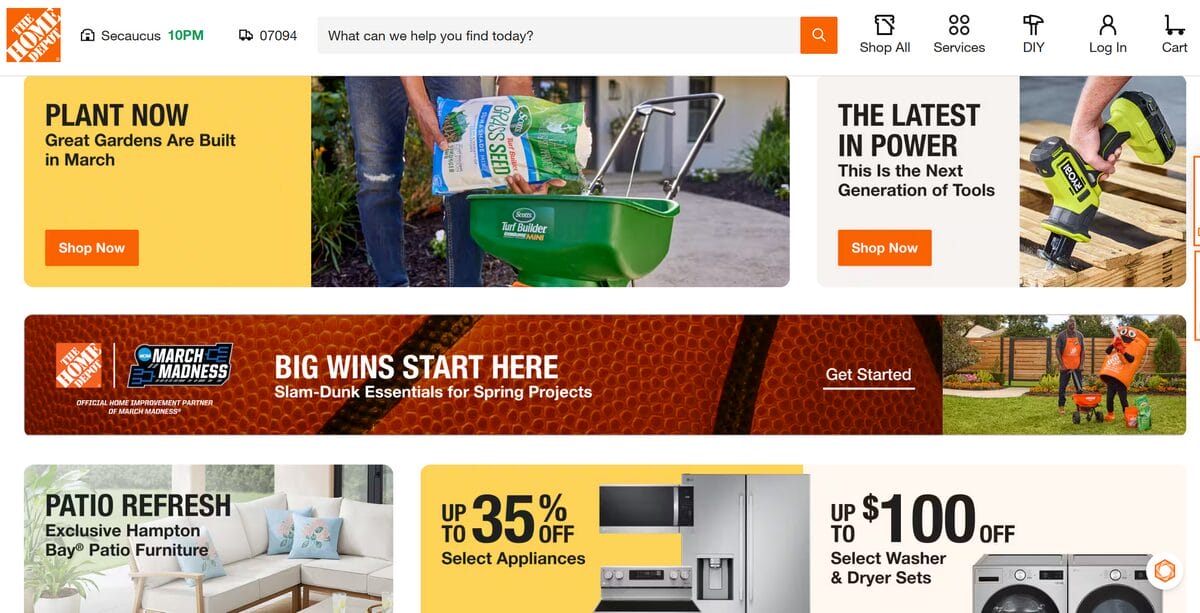
The Home Depot is a strong option if you’re focused on dropshipping home improvement products. It offers a wide selection of products, making it easy to cover the entire niche. Where it really stands out is fast and flexible fulfillment. Many items ship within two days, and you can also offer in-store pickup. On top of that, there’s a reliable price-match and return policy, and if you qualify for tax-exempt purchasing, your margins can improve even further.
Just keep in mind that return policies vary by product, and in some cases, you may need to cover return costs yourself.
Target
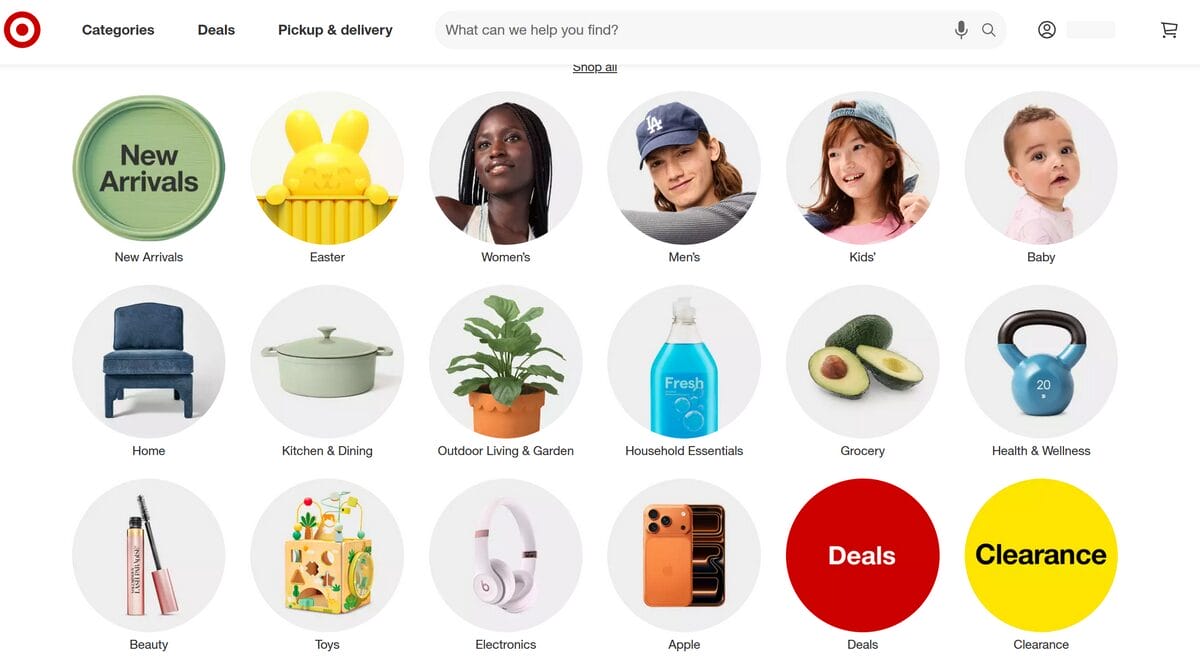
Target is known for blending affordability with modern style. From home and fashion to beauty and tech, its catalog is well-curated, trend-driven, and competitively priced. With the RedCard program, you can unlock perks like 5% discounts, free 2-day shipping, and extended return windows, helping you stay competitive.
While it’s not a dedicated dropshipping supplier, it can still be used strategically for select products. Just make sure to monitor stock and pricing closely to avoid issues.
Lowe’s
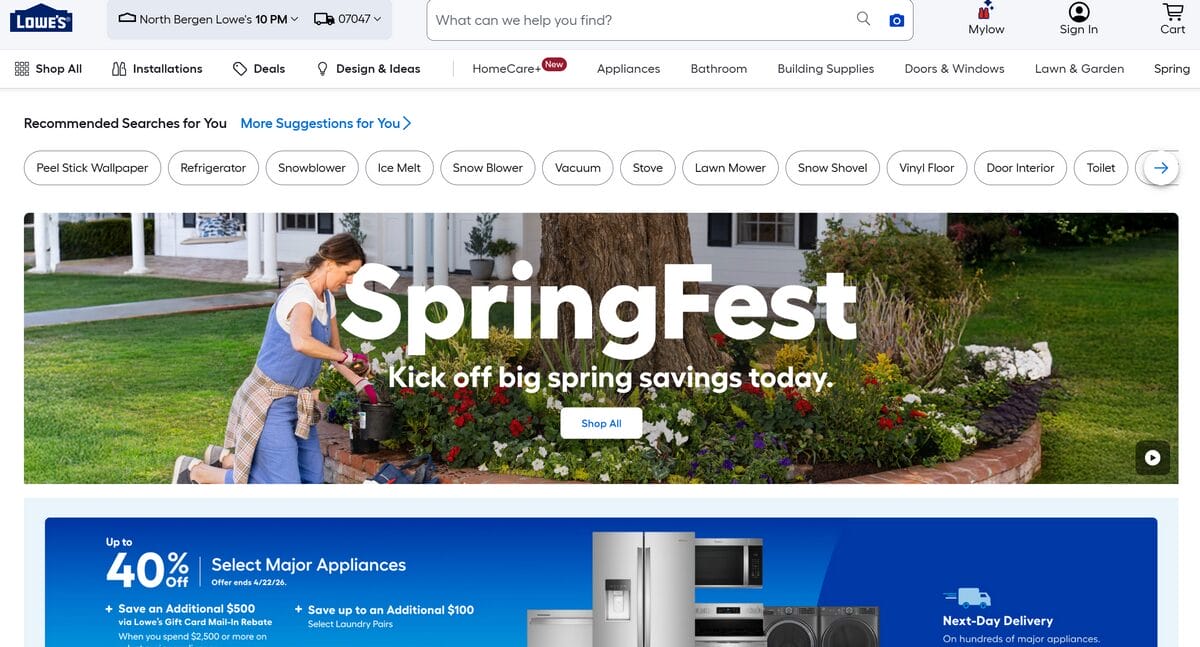
Lowe’s is a strong choice for stores focused on tools, outdoor furniture, construction materials, and DIY products. Its Pro Loyalty Program is designed for businesses, offering exclusive discounts, extended warranties, and purchase tracking to help streamline operations. Shipping is generally reliable, with some items even qualifying for free delivery, though not all products support standard shipping, so careful filtering is important.
Within the home niche, Lowe’s delivers similar value to Home Depot, with a slightly more tech-forward and business-friendly approach.



Types of Shopify Dropshipping Suppliers
Choosing the right supplier type isn’t just about where you source products. It also defines your shipping speed, margins, branding potential, and scalability. Here are the main types of Shopify dropshipping suppliers and how they fit different strategies:
Marketplaces
Marketplaces like AliExpress and CJdropshipping are the most accessible starting points. They offer a huge product variety, low upfront costs, and fast product testing. This makes them ideal for beginners. However, shipping times and product consistency can vary unless you carefully vet suppliers or choose local warehouses within these platforms.
US / EU Local Suppliers
Local suppliers based in the US or Europe prioritize faster shipping, easier returns, and more reliable delivery expectations. This makes them a strong choice if you’re targeting customers who expect Amazon-like delivery speeds. While product costs are typically higher, the trade-off is better customer satisfaction and fewer support issues.
Private Label / Branded Suppliers
Private label suppliers let you sell your own branded products instead of generic listings. This model focuses on long-term brand building, higher perceived value, and better profit margins. It requires more effort up front, like packaging, logos, and supplier coordination. But it gives you more control and differentiation as you scale.
Retail Suppliers
Retail suppliers include well-known stores like Walmart or Amazon, where you resell products directly to customers. This approach offers trusted product quality and fast domestic shipping, but comes with lower margins and potential policy limitations, especially on certain platforms.
Print-on-Demand (POD) Suppliers
Print-on-demand suppliers allow you to create custom products like apparel, mugs, or accessories that are produced only after a sale. This eliminates inventory risk while enabling unique designs and brand identity. The downside is higher production costs and longer fulfillment times compared to bulk sourcing.
Each supplier type serves a different purpose. The key is to match your choice with your current goal, whether that is testing products, improving delivery speed, or building a long-term brand, and to evolve your supplier strategy as your Shopify store grows.
How to Choose the Right Supplier for Your Store
The right supplier isn’t the cheapest or the fastest; it’s the one that aligns with how you want to run and scale your store.
- Shipping Speed vs Cost – There’s always a trade-off between faster delivery and higher product costs. If you’re targeting impulse buyers or competitive markets, fast shipping improves conversion and reduces refunds. If you’re still testing products, lower-cost suppliers can help you validate demand before optimizing for speed.
- Product Quality and Consistency – Your supplier controls what your customer receives. Focus on consistent product quality, accurate listings, and reliable packaging, not just one good sample. Inconsistent quality leads to returns, chargebacks, and negative reviews that are hard to recover from.
- Branding and Private Label Options – If you’re thinking long term, choose suppliers that offer custom packaging, branding, or private label options. This allows you to move from a generic store to a recognizable brand with higher perceived value and better margins.
- Supplier Reliability and Stock Stability – A good supplier isn’t just about products, it’s about operational stability. Look for consistent stock levels, accurate inventory updates, and dependable fulfillment times. Stockouts or delays can break your customer experience and disrupt scaling.
- Integration With Automation Tools – Manual processes slow you down fast. Suppliers that integrate with tools like AutoDS enable automatic product imports, price and stock monitoring, and order fulfillment. This reduces errors and lets you focus on testing, marketing, and scaling instead of daily operations.
📦 Supplier’s Tip: Working with multiple suppliers is probably the biggest piece of advice you can get. It’s beneficial because it helps you keep your Shopify store up to date with the best shipping, pricing, and quality, and if one supplier runs out of stock, you can always fall back on your other suppliers.
Step-by-Step: How to Start With a Shopify Supplier
Getting started with a Shopify supplier is not just about finding products. It’s about setting up a workflow that lets you source, import, automate, and fulfill without hassle, delays or errors.
Step 0 – Before Starting
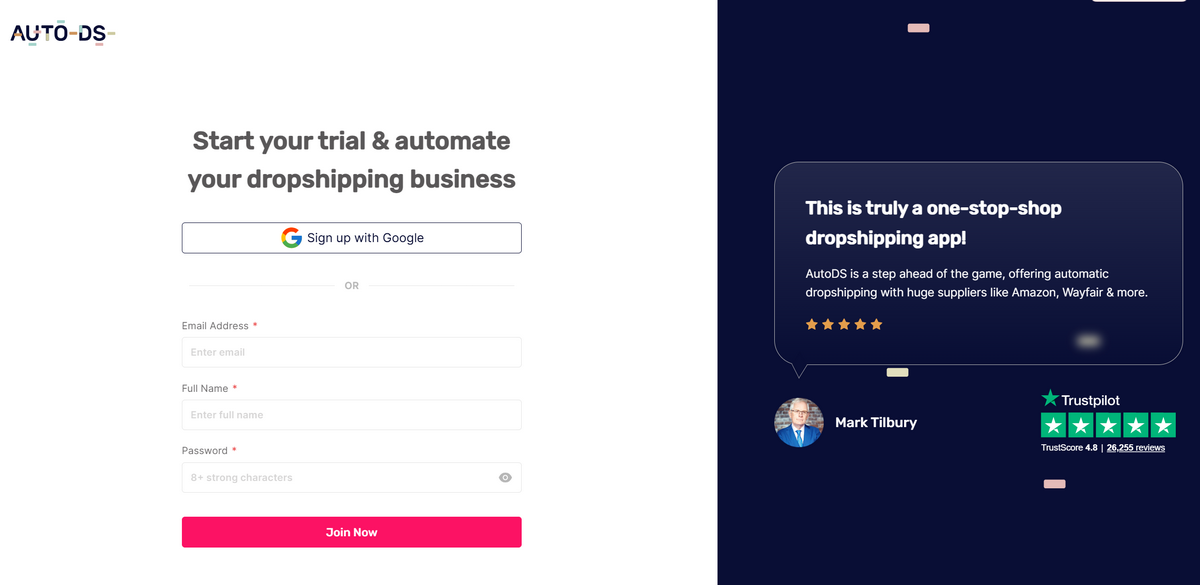
Before choosing a supplier, make sure your store setup is ready. Start by creating your Shopify account and your AutoDS account so you can manage products, suppliers, pricing, and orders from one place. If you want to speed up the setup process, you can also use the AutoDS AI Store Builder to create a ready-to-launch Shopify store faster, instead of building everything from scratch. This gives you a working foundation before you move into supplier selection and product sourcing.
Step 1 – Choose Your Supplier Type
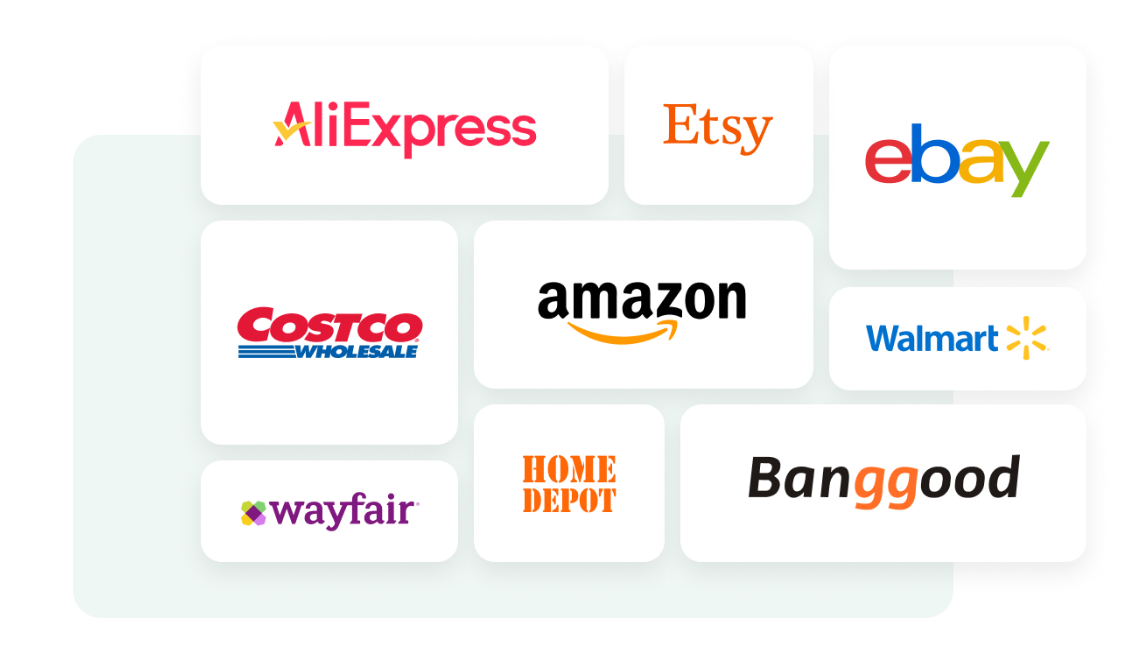
Your first decision is choosing the supplier type that fits your store’s needs and goals. If you’re starting out, marketplaces are best for fast testing and low-cost entry, but offer less control over shipping and consistency.
If you want a better customer experience, local suppliers provide faster delivery and more reliable fulfillment, with higher product costs. However, for long-term growth, private label suppliers enable branding, differentiation, and stronger margins, but require more setup.
The key is simple: start with what helps you validate products quickly, then shift toward suppliers that support faster shipping, better experience, and brand building as you scale.
Step 2 – Connect Supplier to Shopify
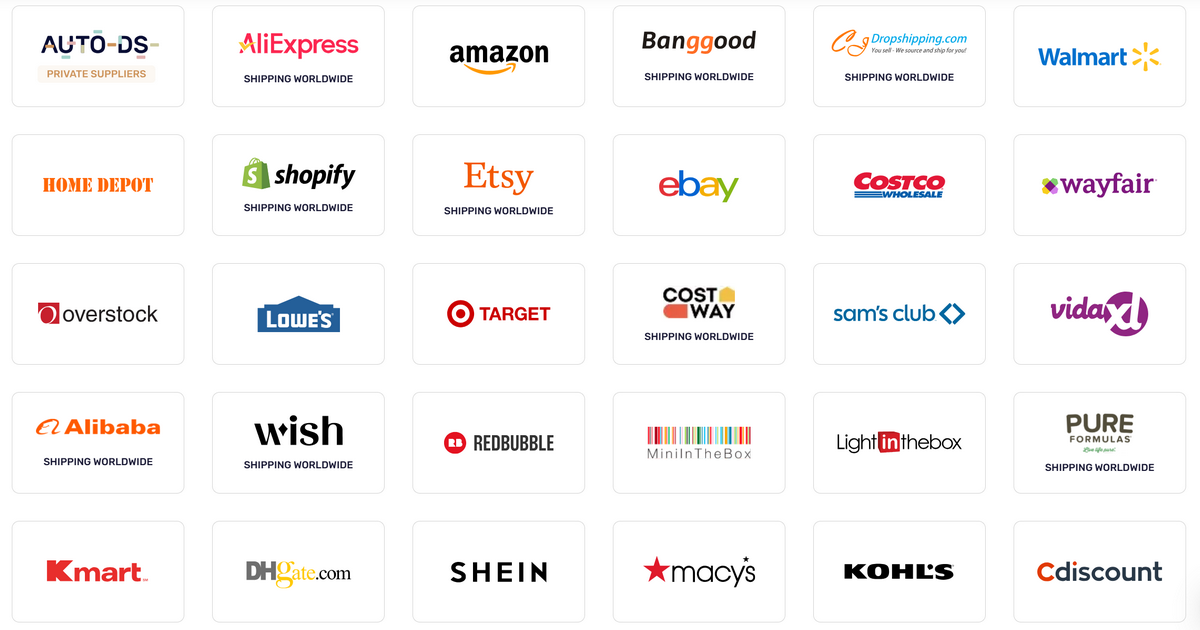
Once you know what type of supplier you want to use, the next step is connecting that supplier workflow to your Shopify store. Using an automation platform like AutoDS makes this easier because it connects your store with supported suppliers and centralizes product sourcing and fulfillment in one dashboard. This removes a lot of the manual setup that usually slows beginners down.
Step 3 – Import Products

You can do this on one of 2 ways: manually or automatically.
If you go manual, you’ll need to download images, copy product details, and upload everything to Shopify yourself. It works, but it’s time-consuming and easy to mess up.
With automation, tools like AutoDS let you import products in seconds. Just paste a product link and everything (images, descriptions, variants) gets added to your store automatically, even across multiple suppliers. You can even schedule imports or import products in bulk, optimizing the entire process.
Step 4 – Set Pricing and Shipping Rules
Before publishing products, set clear rules for pricing, profit margins, and shipping expectations. This step matters because supplier costs and delivery times directly affect your margins and customer experience. With automation tools like the AutoDS Price & Stock Monitoring and the AutoDS Automatic Price Optimization, you can also set rules that help you respond to price changes, stock updates, and shipping adjustments more efficiently as your store grows.
Step 5 – Test Orders and Fulfillment
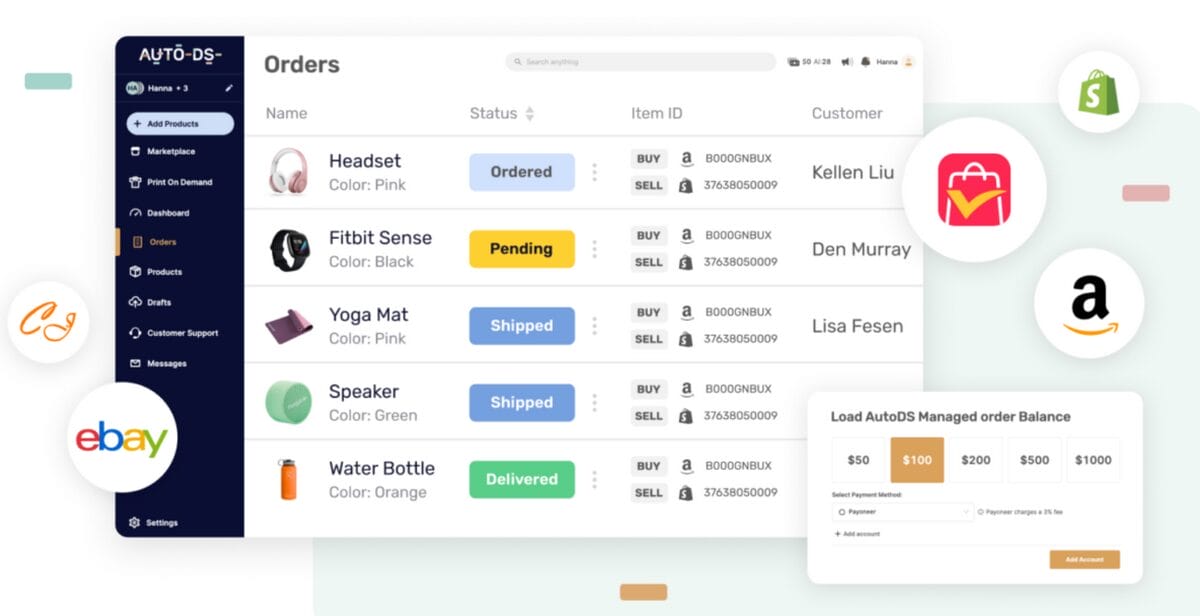
Before you start scaling, run a few test orders to check that everything works end to end. This lets you confirm your supplier connection, product setup, pricing, shipping settings, and order flow are all working correctly. It’s one of the easiest ways to catch issues early, before they affect real customers.
Using tools like AutoDS makes this process much smoother. You can automate order fulfillment, track orders in real time, and sync tracking numbers back to your store automatically. So, you can see exactly how the system performs without manual handling. This gives you a clear view of your operations before you scale.
When you set things up step by step and validate the process early, you’re not just adding products, you’re building a reliable, automated supplier system that can handle growth without breaking.
💡 Pro Tip: Focus on testing a few high-potential products, not uploading dozens at once. A smaller, well-optimized catalog is easier to manage, faster to validate, and helps you identify winning products without overwhelming your operations.
Best Practices for Working With Shopify Suppliers

- Using multiple suppliers
- Managing shipping expectations
- Handling returns and refunds
- Avoiding stock and price issues
Working with Shopify suppliers requires more than just choosing one and hoping it works. Relying on a single supplier creates risk. If they run out of stock or delay orders, your entire store is affected. Using multiple suppliers for similar products gives you backup options, pricing flexibility, and more control over fulfillment.
Shipping is one of the biggest drivers of customer satisfaction, so it’s important to be clear about delivery times, processing windows, and tracking availability. Setting realistic expectations on your product pages helps reduce refunds, complaints, and chargebacks, especially when working with international suppliers.
At the same time, you need a clear system for handling returns and refunds. Since each supplier has different policies, defining return conditions, refund timelines, and communication processes helps you resolve issues quickly and maintain customer trust when problems come up.
Finally, supplier inventory and pricing can change without notice. Without proper tracking, you risk selling out-of-stock products or cutting into your margins. Tools like AutoDS help by automatically monitoring stock and price changes, updating your store in real time, and reducing manual errors as your business scales.
Common Mistakes When Choosing Suppliers
- Choosing based on price only
- Ignoring shipping times
- Relying on one supplier
- Not testing products
Many sellers make decisions based on price alone. While lower costs may seem attractive, they often come with trade-offs in product quality, shipping speed, and reliability, which can hurt your store in the long run.
Another common mistake is ignoring shipping times. Long or inconsistent delivery can lead to frustrated customers, negative reviews, and higher refund rates. Fast and predictable shipping often matters more than saving a few extra dollars per product.
Relying on a single supplier is also risky. If they run out of stock, increase prices, or delay fulfillment, your entire operation is affected. Having backup suppliers gives you more flexibility and protects your store from disruptions.
Finally, many sellers skip testing products and suppliers before scaling. Without test orders, you can’t verify product quality, shipping speed, or fulfillment accuracy. Taking the time to test early helps you avoid costly issues and build a more reliable foundation for growth.
💡 Pro Tip: Take advantage of AutoDS 30+ vetted, global and reliable Shopify suppliers to ensure your business runs smoothly and your customers are happy.
How AutoDS Helps You Work With Shopify Suppliers
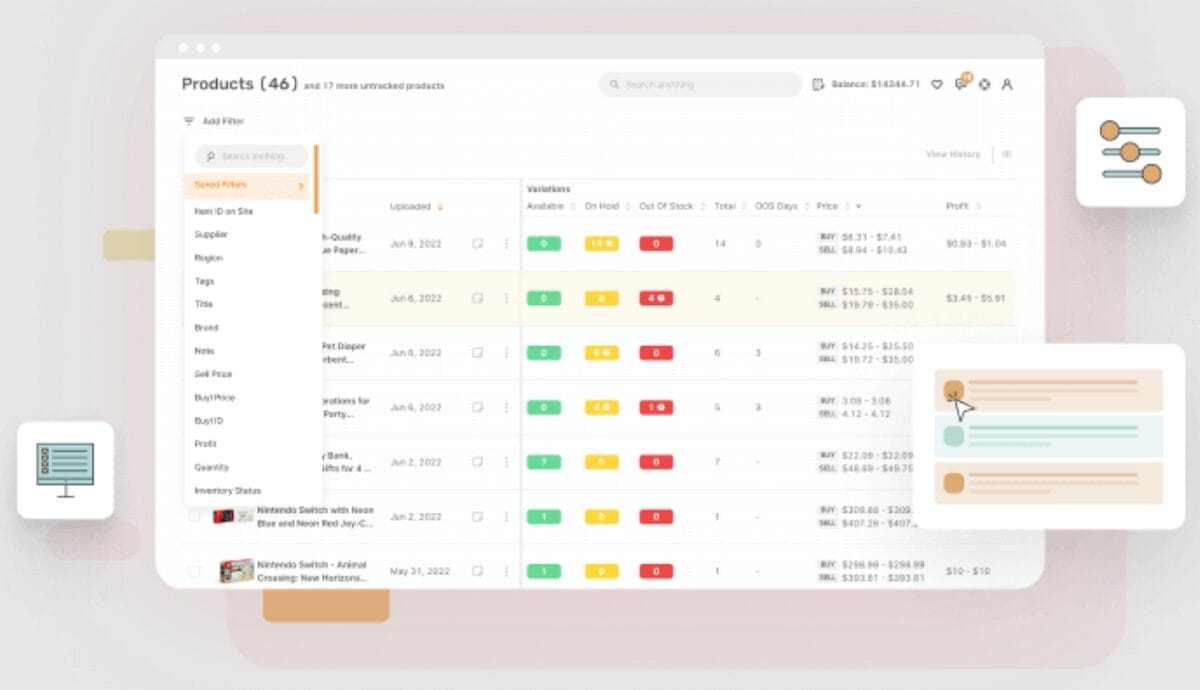
Working with multiple suppliers can quickly become complex, especially as your store grows. AutoDS simplifies this by offering multi-supplier integration, allowing you to connect and manage different suppliers from one dashboard instead of juggling multiple platforms manually.
You can start by creating your AutoDS account for $1, so you can find and integrate multiple reliable suppliers for your Shopify store. 🚀
Key for working with Shopify suppliers:
- Automated product importing
- Price and stock monitoring
- Order fulfillment automation
AutoDS streamlines product sourcing with automated product importing. Instead of copying product details one by one, you can import products in seconds using a link, with images, descriptions, and variants added automatically. This makes it much easier to build and test your product catalog without slowing down.
To protect your margins and avoid errors, AutoDS includes price and stock monitoring. It automatically tracks supplier changes and updates your store in real time, helping you avoid selling out-of-stock products or losing profit due to price fluctuations.
Finally, AutoDS handles order fulfillment automation, so orders can be processed and sent to suppliers with minimal manual work. Tracking updates are synced back to your store automatically, giving you a smoother, more reliable workflow.
Together, these features turn supplier management into a scalable, automated system, so you can focus on testing, marketing, and growing your Shopify store instead of handling daily operations.
Which Shopify Supplier Strategy Is Best for You?
Beginners
If you’re just starting out, focus on low-cost, flexible suppliers that let you test products quickly without big commitments. Marketplaces are ideal here because they offer wide product variety and easy entry, so you can validate demand before investing more into your store.
Scaling stores
If you already have traction, prioritize faster shipping and reliable fulfillment. Local US/EU suppliers or private supplier networks help you improve delivery times, reduce complaints, and increase conversion rates, which are key for scaling profitably.
Brand builders
If your goal is long-term growth, shift toward private label suppliers. This allows you to build a recognizable brand, customize products and packaging, and increase margins. It requires more setup, but gives you full control and stronger positioning as you scale.
Frequently Asked Questions
How do I find a dropshipping supplier for Shopify?
You’ll find many top-rated Shopify dropshipping suppliers listed in this article. For even more options, feel free to visit our dedicated Dropshipping Suppliers page and explore other trusted companies available.
What features should we look for in Shopify dropshipping suppliers?
Look for suppliers that match your niche, offer a wide range of products, support reliable shipping carriers, deliver quickly, and have fair return policies.
Is there a free Shopify dropshipping course?
Absolutely! We offer a free 6-hour Shopify dropshipping course that walks you through the entire process, from setting up your store to growing your brand and making sales.
Choose the Right Supplier Strategy with AutoDS
Choosing the right Shopify dropshipping supplier isn’t about finding a single “perfect” option – it’s about building a system that evolves with your store. Start with suppliers that help you test products quickly, then shift toward those that support faster shipping, better customer experience, and stronger margins as you grow.
With AutoDS, you don’t have to manage this process manually. From multi-supplier integration and tons of automation tools, AutoDS helps you streamline operations and stay flexible as your strategy changes. The goal isn’t just to launch, it’s to create a scalable supplier workflow that supports long-term growth.
You can keep learning more about dropshipping by checking out any of the following articles:
- Best Shopify Dropshipping Suppliers In 2026
- Types Of Shopify Dropshipping Suppliers
- How To Choose The Right Supplier
- How To Start With A Shopify Supplier
- Best Practices For Working With Suppliers
- Common Mistakes When Choosing Suppliers
- How AutoDS Helps You Work With Suppliers
- Which Supplier Strategy Is Best For You?
- FAQ
- Conclusion