

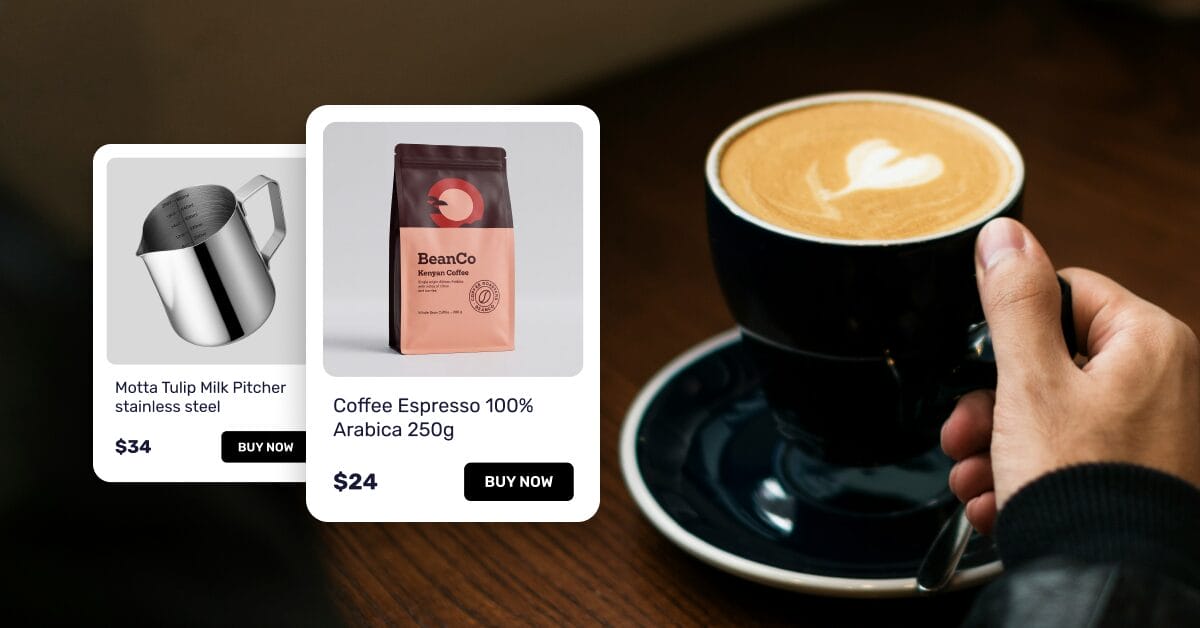
Coffee dropshipping can be a profitable e-commerce niche, but it is not as simple as adding random coffee products to a store and waiting for sales. Coffee is a consumable product, which gives it strong repeat-purchase potential, but it is also a food product, meaning supplier quality, labeling, freshness, shipping speed, and legal compliance matter more than in many traditional dropshipping niches.
The opportunity comes from coffee’s strong everyday demand, wide product variety, and natural repeat-purchase potential. From whole beans and ground coffee to pods, subscriptions, gift sets, and brewing accessories, coffee gives dropshippers several ways to build a focused store around a specific audience.
In this guide, I’ll break down whether coffee dropshipping is profitable, which coffee products are best to sell, how to compare suppliers, what costs to consider, and what FDA requirements sellers should understand before launching.
Plus, I’ll show you how to scale your coffee dropshipping store with full automation. For instance, AutoDS automates product importing, price and stock monitoring, order fulfillment, tracking updates, and store management, so you can focus on building your coffee brand instead of handling every task manually.
Coffee dropshipping offers a promising opportunity for entrepreneurs to tap into the thriving coffee market without handling inventory or shipping.
There are three methods to do coffee dropshipping: white-label, private-label, and dropshipping from established brands, each with unique benefits and considerations.
Legal compliance is vital, covering tax regulations, licenses, intellectual property rights, transparency, and working with reputable suppliers.
Platforms like AutoDS Private Suppliers offer a variety of coffee-related products with features like easy importing and fulfillment automation.
Understanding and adhering to food safety regulations, labeling requirements, country-specific regulations, and food hygiene legislation are crucial for legal compliance and product quality in coffee dropshipping.
What Is Coffee Dropshipping?
Coffee dropshipping streamlines the process of selling coffee online. As with any other dropshipping product, the goal is to relieve you of storage and shipping logistics burdens and let you focus on sales and marketing.
Coffee dropshipping comes in various shapes. For example, you can sell existing coffee under your brand (white-label). You can also create unique blends with your own label (private label) or sell another company’s brand without developing your own. Let’s explore these three methods in more depth:
- White-label: With white-label dropshipping, you market and sell existing coffee products under your own brand. You leverage suppliers’ products, rebranding them as your own to establish a unique presence in the market. This option offers convenience and speed to market, requiring minimal investment in product development.
- Private-label: Private-label dropshipping enables us to create custom coffee blends adorned with your brand label. You collaborate with suppliers to develop exclusive coffee offerings tailored to your specifications. This approach grants greater control over product quality and differentiation, fostering stronger brand identity and customer loyalty.
- Dropshipping from a brand: You can sell established coffee brands without developing your own products. You capitalize on their existing customer base and brand recognition by partnering with reputable coffee brands. This strategy is particularly advantageous for those seeking to enter the coffee market quickly without investing resources in product development.
Either way, the core model stays the same: you sell coffee through your online store, and your supplier handles inventory, packaging, and shipping after a customer places an order. This means you do not need to buy coffee in bulk, manage a warehouse, or fulfill every order manually.
Is Coffee Dropshipping Worth It In 2026?
Yes, coffee dropshipping can be worth it in 2026, especially for sellers who build a focused brand instead of selling generic coffee products. Coffee has three strong advantages as a dropshipping niche: it is consumed regularly, it has a wide range of product formats, and it naturally supports repeat purchases through subscriptions, bundles, and customer loyalty.
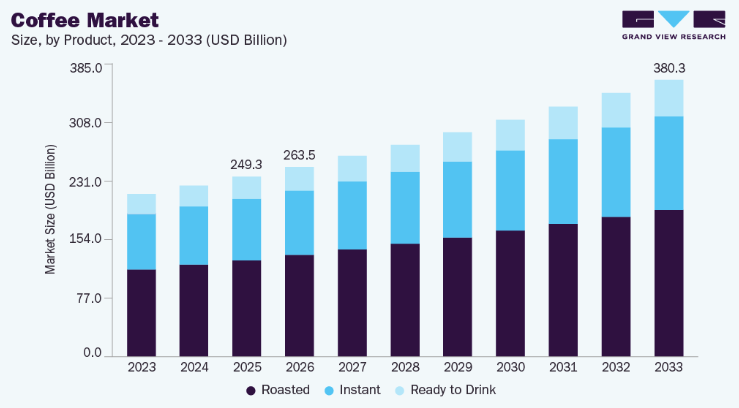
The market itself is large and still growing. According to Grand View Research, the global coffee market was valued at $249.3 billion in 2025 and is projected to reach $263.5 billion in 2026, with expected growth to $380.3 billion by 2033. That demand is not limited to cafés or restaurants, either. In the U.S., the National Coffee Association reported that nearly 195 million adults drink coffee weekly, with 66% drinking coffee in the past day and 73% drinking coffee in the past week.
An even happier news? 45% of US coffee consumers aged 25-34 buy coffee online regularly, and that’s where your coffee dropshipping store comes in. In fact, more people are preparing coffee at home, which creates demand for products like whole beans, ground coffee, pods, instant coffee, cold brew, syrups, mugs, grinders, and brewing accessories.
Plus, specialty coffee remains a strong segment, with 46% of American consumers drinking it (up 84% since 2011). This shows that buyers are willing to pay more for higher quality, unique flavors, ethical sourcing, and a more personalized coffee experience.
That said, coffee dropshipping is not automatically profitable. The niche is competitive, and food products require more attention to supplier quality, freshness, packaging, labeling, and shipping times. To make it work, sellers need to choose a clear angle, such as organic coffee, specialty blends, low-acid coffee, functional coffee, espresso products, coffee gifts, or subscription boxes.
In other words, coffee dropshipping is worth it when it is treated as a brand-building opportunity, not just a quick product listing. The strongest stores combine reliable suppliers, clear positioning, repeat-purchase products, and a smooth post-purchase experience.
Is It Legal To Dropship Coffee?
Yes, dropshipping is entirely legal. However, there are crucial legal factors to consider when venturing into coffee dropshipping. For example, sticking to laws concerning taxes, business licensing, intellectual property rights, and truthful marketing practices is paramount. In fact, these requirements are crucial not only for coffee dropshipping but also for any kind of food dropshipping.
Let’s break down some of the most important factors to keep in mind:
- Tax regulations: This includes understanding sales tax requirements in your customers’ jurisdictions and registering for appropriate permits if necessary. You can maintain a smooth and lawful operation by staying informed about tax obligations.
- Licenses and Permits: Depending on your location and the nature of your operations, you may need permits related to food handling, online retail, or general business operations. You must conduct thorough research to ensure that your business is fully compliant.
- Intellectual Property Rights: Respecting this is crucial in the dropshipping industry, especially concerning branding and product labeling. You must avoid using trademarked logos or designs without permission.
- Transparency: You must clearly communicate shipping times, return policies, and any potential risks or limitations associated with the products you sell. Honesty and integrity in business dealings will help us establish long-lasting customer relationships.
- Suppliers: Working with reputable suppliers is essential for ensuring the quality and legality of your dropshipping products. You should always choose suppliers who prioritize compliance with industry regulations and standards and verify their credentials and track records before entering into agreements.
- FDA requirements: This impacts any product that falls under food and beverage regulations, including coffee, so it’s important to understand the basics before selling. We’ll zoom in on this later on in the article.
In conclusion, while coffee dropshipping is legal, it’s essential to approach the business with care and attention to legal compliance. You can ensure that your dropshipping venture operates lawfully and ethically by staying informed about these topics.
Top Coffee Dropshipping Categories
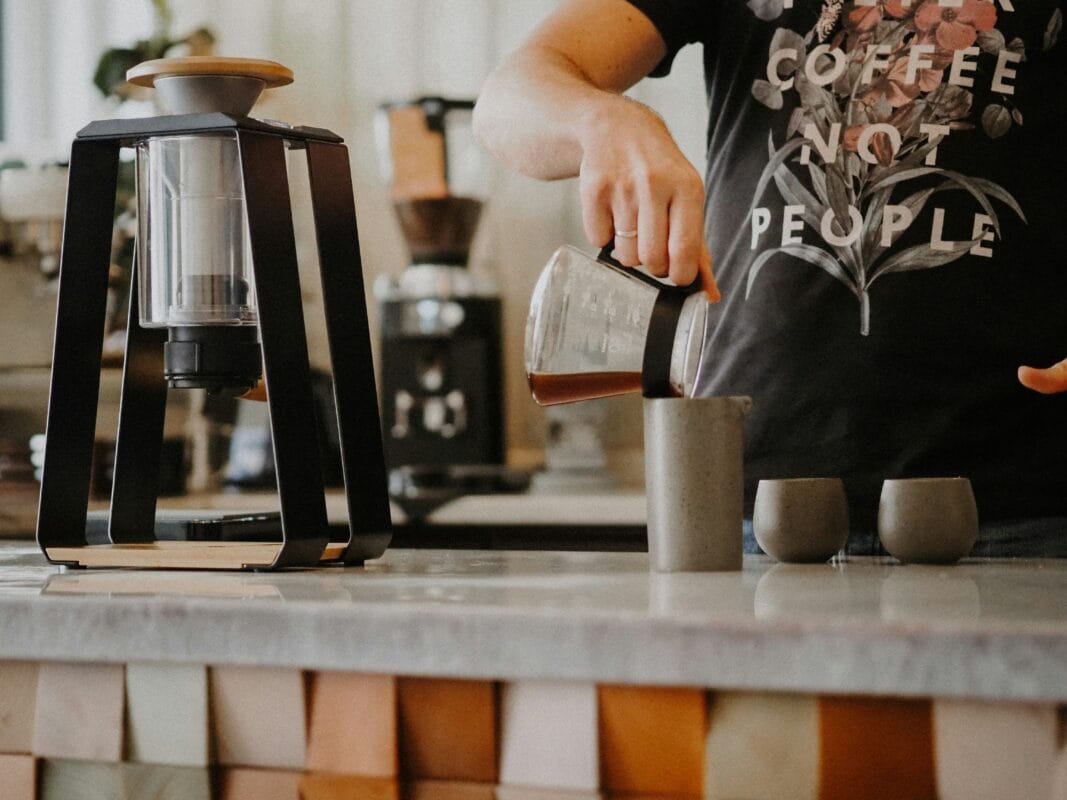
Coffee dropshipping is not limited to selling bags of roasted coffee. In fact, one of the biggest advantages of this niche is the wide variety of product categories you can build around a specific audience, price point, or buying habit. Some products are better for repeat purchases, while others work well as upsells, bundles, or seasonal gifts.
Whole Bean Coffee
Whole bean coffee is a great option for customers who care about freshness, flavor, and the full brewing experience. It usually appeals to specialty coffee drinkers, home baristas, and buyers who already own grinders. This category works especially well for premium positioning, single-origin coffees, espresso blends, and subscription models.
Ground Coffee
Ground coffee is one of the most beginner-friendly coffee products to sell because it is convenient and familiar. Customers do not need extra equipment, which makes it easier to market to everyday coffee drinkers. You can position ground coffee around flavor, roast level, origin, organic sourcing, or daily-use convenience.
Coffee Pods And Capsules
Coffee pods and capsules are popular because they are fast, simple, and easy to reorder. This category works well for customers who value convenience, especially office workers, busy parents, and people who use single-serve coffee machines. Before selling pods, make sure to clearly state machine compatibility to avoid confusion and returns.
Functional Coffee
Functional coffee includes products with added ingredients like mushrooms, adaptogens, collagen, protein, or nootropics. This category often has a higher perceived value than standard coffee, making it attractive for wellness-focused audiences. However, it also requires extra care with labeling and marketing claims, especially if the product suggests benefits related to energy, focus, digestion, or immunity.
Decaf And Low-Acid Coffee
Decaf and low-acid coffee serve customers with specific preferences or sensitivities. These products can be easier to differentiate because they solve a clear problem: enjoying coffee without too much caffeine or acidity. They are especially useful for stores targeting health-conscious buyers, older customers, or people with sensitive stomachs.
Cold Brew Coffee
Cold brew products are a strong fit for lifestyle-driven brands, especially during warmer months. You can sell cold brew blends, concentrates, kits, filters, bottles, or accessories that help customers recreate a café-style drink at home. This category is also highly visual, which makes it useful for TikTok, Instagram, and influencer marketing.
Coffee Subscriptions
Coffee subscriptions are one of the most attractive categories because they create recurring revenue. Instead of relying on one-time purchases, customers receive coffee every few weeks or every month. Subscriptions work best when the offer feels curated, such as a roast-of-the-month club, discovery box, espresso subscription, or personalized coffee plan.
Coffee Gift Sets
Coffee gift sets are ideal for special occasions, such as holidays, birthdays, corporate gifts, and seasonal campaigns. They can include coffee bags, mugs, syrups, filters, chocolates, or brewing accessories. This category helps increase average order value and gives you more room to create themed bundles around specific occasions.
Coffee Accessories
Coffee accessories are not consumable, but they are excellent for upsells and bundles. Products like mugs, grinders, French presses, milk frothers, reusable filters, scales, and storage containers can help customers improve their at-home coffee routine. They also make your store feel more complete and can support content around brewing tips and coffee education.
How To Dropship Coffee – Simple Steps
Ok, but what’s the best way to approach coffee dropshipping? Together, we’ll explore how to get into this step-by-step guide to start dropshipping coffee. Let’s demystify the process, ensuring clarity every step of the way.
1. Select A Selling Channel
When delving into coffee dropshipping, selecting the ideal selling channel to showcase your products is the first step. Platforms like Shopify, WooCommerce, and Amazon offer robust features. Here are a few key characteristics to consider when making your selection:
- Ease of use: Choose a platform that allows for seamless integration and effortless navigation, ensuring a user-friendly experience for customers.
- Customization options: Look for platforms that offer flexibility in branding and design. This will enable you to create a unique and captivating storefront that reflects the essence of your coffee brand.
- Target audience alignment: Ensure the platform’s user base aligns with your ideal customer profile to maximize reach and engagement.
- Integration capabilities: Select a platform that seamlessly integrates with your chosen suppliers and fulfillment services. As a result, this will streamline the order fulfillment process and minimize potential disruptions in your coffee dropshipping business.
By carefully evaluating these key characteristics, you can confidently select a selling channel that aligns with your goals. All of them are crucial to setting the stage for success in the world of coffee dropshipping.
2. Choose Your Dropshipping Method
The next pivotal decision revolves around whether to go for white-label or private-label options. As we’ve seen before, white-label entails marketing existing coffee blends under your brand, while private label involves creating unique blends adorned with your label.
Consider each option’s good and bad sides depending on your business goals and target. Consider whether getting your products out quickly is more important or if having unique products and strong branding matters more. By thinking about these things carefully, you can choose the best option for your business and ensure you’re on track to grow and make money in the coffee dropshipping world.
💡 Pro Tip: You can use both private-label and white-label! Private label coffee under your brand and dropship coffee-related products from a regular supplier, like AutoDS.
3. Connect With A Dropshipping Supplier
When the time comes to make connections, start by looking for coffee dropshipping suppliers you can trust. Look for ones known for having great products, delivering on time, and being helpful if you have questions. Also, make sure they have enough stock to meet your needs and always send out top-quality products.
A few tips on finding the best suppliers:
- Research extensively: Look for reviews and feedback from other dropshippers to understand their reputation and reliability.
- Check for quality: Quality is key when it comes to coffee. Make sure the suppliers you’re considering offer high-quality products that meet your standards. (You can request samples!)
- Communication is key: Reach out to potential suppliers and see how responsive they are. Good communication is essential for smooth transactions and addressing any issues.
- Ask about shipping: You want a supplier who can ship orders promptly and efficiently to ensure customer satisfaction.
- Verify their credentials: Ensure they are legitimate and have all the necessary certifications and licenses.
If you’re thinking about making your own blends, we’ll discuss finding the perfect private-label coffee suppliers later in this article. We’ll show you how to pick the best partners to bring your unique coffee creations to life.
📦 Supplier’s Tip: If you’re thinking about going with AutoDS for sourcing + automation services, this is the part where you can sign up for the AutoDS $1 trial to connect with private suppliers, analyze product data, bulk import items, optimize listings, and automate fulfillment.
4. Create Your Dropshipping Coffee Store

Now, it’s time to create your store for coffee dropshipping on the platform you selected. It’s important to keep things simple and easy to navigate. Don’t forget to customize your store to reflect who you are. Use colors, fonts, and images that represent your coffee business.
Once your store is set up, it’s crucial to ensure it’s optimized for mobile devices. Many customers shop on their phones, so making sure your store functions smoothly on mobile is essential. Additionally, consider implementing SEO strategies to improve your store’s visibility in search engine results. This can help drive organic traffic to your site and increase sales.
Finally, don’t forget to test your store before launching it to the public. Check for any glitches or errors and make sure everything is working correctly. A smooth and seamless shopping experience will leave a positive impression on your customers and encourage repeat business.
💡 Pro Tip: Create a Shopify store in less than 2 minutes with AutoDS AI Pre-built Shopify Store.
5. Market Your Online Coffee Business
Last, but not least, it’s crucial to embrace the power of a comprehensive marketing strategy for coffee dropshipping.
Social media platforms like Instagram and Facebook offer excellent opportunities to showcase coffee products and interact with potential customers. On the other hand, email marketing is another powerful tool for informing about launches, promotions, and special offers. Building an email list of interested subscribers can boost relationships with your audience and drive repeat sales.
You could also consider collaborating with influencers in the coffee niche to amplify your brand’s reach. Partnering with influencers who have a loyal following can help increase brand awareness and credibility among their audience. Moreover, optimizing your online store for search engines is essential for attracting organic traffic.
With the help of the AI product title & description generator, you can craft amazing and captivating product descriptions that effectively convey the quality, flavor profiles, and origins of your coffee blends. By showcasing the unique aspects of your products, you can differentiate yourself from competitors and attract more customers.
Best Private Label Dropshipping Coffee Suppliers + Product Ideas
So, ready to start sourcing coffee? Below, we’ll compare some of the best private label dropshipping coffee suppliers and highlight product ideas you can use to build a focused, profitable coffee store.
AutoDS Private Suppliers

When it comes to coffee dropshipping, having access to reliable suppliers is key to ensuring quality products and timely delivery. AutoDS is a complete solution offering a vast selection of over 500 million trending products from trusted global dropshipping suppliers.
AutoDS lets you effortlessly browse various coffee-related items, from beans and ground coffee to brewing equipment and accessories. The platform lets you instantly add new coffee products to your store with just one click. Moreover, it ensures fast shipping to your customers, allowing you to provide a seamless shopping experience that keeps them coming back.
AutoDS Key Features:
- AutoDS Research Tools: Discover winning dropshipping coffee-related products from a diverse selection of suppliers, plus a Hand-Picked Product Selection and a Trending Products hub.
- Products Importer: Import products with just one click, streamlining the process of adding new items to your store.
- Fulfilled by AutoDS: Automatically fulfill your coffee orders, saving you time and effort in managing your inventory.
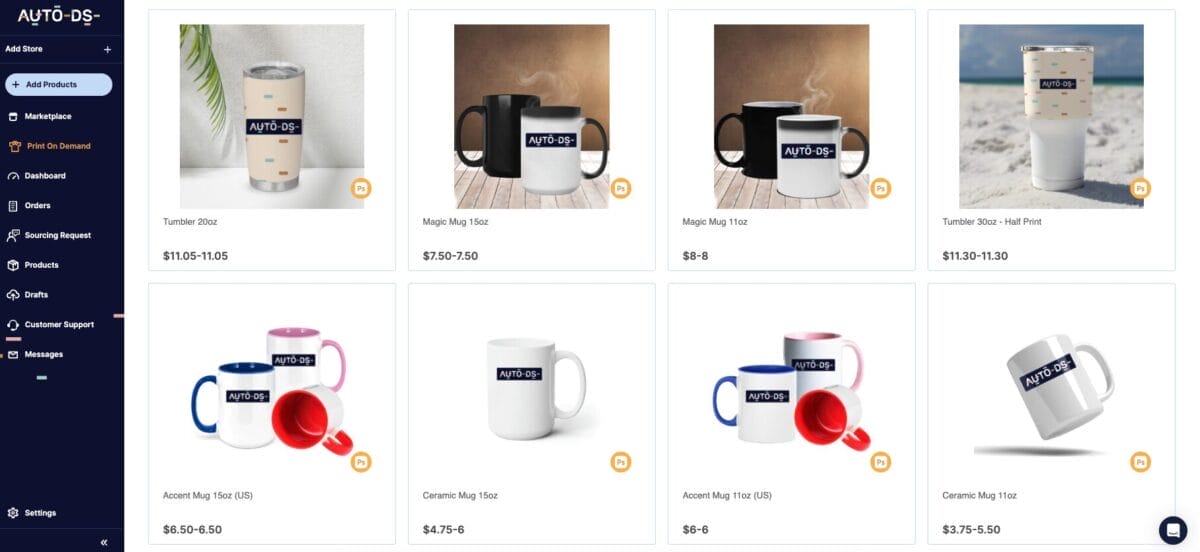
- Print on Demand: Create and sell custom coffee-related products to cater to unique customer preferences.
- Price and Stock Monitoring: Keep prices and inventory levels synced to your suppliers’ listings and automatically updated 24/7.



Product Recommendation
The POD Ceramic Coffee Mug is a customizable option for coffee enthusiasts. It’s available in white, black, and gold, catering to diverse customer tastes. Its customizable feature allows dropshippers to offer personalized options, enhancing customer engagement and satisfaction. This mug promises to be a great addition to any dropshipping store’s lineup, whether for cozy home settings or trendy office environments.
Path Coffee Roasters

Path Coffee Roasters also makes setting up your own private-label coffee brand a quick, convenient, and cost-effective process. It handles everything from sourcing to fulfillment, ensuring quality and convenience every step of the way.
Path Coffee Roasters Key Features:
- Comprehensive Program: Path Coffee Roasters provides a comprehensive dropshipping program, guiding you through each step of the process.
- No Recurring Fees: Unlike some roasters, Path Coffee Roasters doesn’t charge recurring monthly fees, allowing you to focus on growing your business.
- Seasonal Specialty Coffee: They source from sustainable farms across Central & South America, Indonesia, and Africa.
- Professional Support: They provide a personal Account Manager who will assist you throughout the process and handle any questions or concerns.
Product Recommendation

The Coffee Gentry Premium French Press is a must-have for any coffee aficionado’s collection. This coffee maker can brew the best-tasting coffee in just four minutes, making it an ideal choice for busy mornings or leisurely afternoons. Its advanced 3-level filtration system ensures fine filtration, extracting aromatic oils and subtle flavors to deliver a rich and satisfying coffee experience. This product is a must-have addition to any coffee enthusiast’s collection, making it a lucrative choice for boosting a coffee dropshipping business.
Dripshipper

Dripshipper lets you start a coffee dropshipping business in just one day. This platform lets you create private-label coffee products featuring your logo and launch your website. Over 1,000 enterprises trust Dripshipper for wholesale and coffee dropshipping, offering a hassle-free solution for entering the $80 billion coffee industry.
Dripshipper Key Features:
- Build Your Brand: All coffee dropshipping products come with your branding.
- Low Risk and Quick Setup: Beginner-friendly platform, allowing you to create private-label coffee products within minutes.
- Wide Product Variety: Choose from over 40 wholesale beans and flavored coffees for dropshipping or bulk purchases.
- Compliant Coffee Roasters: Dripshipper ensures compliance with FDA regulations, offering coffee roasters with organic, Fair Trade, SHG, SHB, and other certifications, providing quality and reliability for your brand.
Product Recommendation

The Automatic Coffee Grinder is an essential tool for dropshippers seeking to provide their customers with freshly ground coffee. This automatic device simplifies the grinding process, delivering consistently delicious coffee grounds with just the press of a button. Featuring flat burr plates, this grinder preserves the full spectrum of coffee flavors in every cup. It accommodates various brewing methods, including drip machines, espresso makers, French presses, and pour-overs, catering to diverse coffee preferences. This is another good example of high-quality coffee-related accessories that elevate the dropshipping experience.
Aroma Ridge

Aroma Ridge offers a comprehensive fulfillment and dropship program to streamline your coffee business operations. With their program, you can outsource your fulfillment and shipping needs, eliminating the requirement for a warehouse or dedicated staff.
Aroma Ridge Key Features:
- Virtual Fulfillment Partner: Aroma Ridge handles order processing, packaging, and shipping. You retain control over your website, branding, product selection, and pricing.
- Customizable Options: It lets you own, design, and manage your website according to your preferences. Also, you can decide which products to carry and how to price them.
- Quality Assurance: They ensure quality products and offer wholesale pricing to dropship partners.
Product Recommendation

Introducing the Espresso Portafilter, a must-have for coffee dropshipping stores. Crafted from premium food-grade stainless steel, it offers durability and environmental friendliness, perfect for eco-conscious customers. Its high-temperature resistance and multi-layer sintering ensure robustness and efficient filtration, making it ideal for handling water flow under pressure. Dropshippers can offer this reusable and easy-to-clean portafilter to espresso enthusiasts, adding value to their product lineup.
Rumble Coffee Roasters

Rumble Coffee Roasters specializes in contract and private-label roasting services. They offer custom coffee beans sourced, roasted, and blended to specific flavor profiles. With a focus on quality and consistency, they use sustainably and ethically sourced specialty-grade coffee, ensuring every batch meets the ideal flavor profile. Their range includes knockout blends, world-class single origins, and ethically sourced coffee beans, available for wholesale and retail purchases.
Rumble Coffee Roasters Key Features:
- Customized Roasting: Tailored coffee beans roasted to specific flavor profiles.
- Quality and Consistency: State-of-the-art technology ensures consistent quality in every batch.
- Comprehensive Support: Expert assistance from barista training to packaging design.
- Commitment to Sustainability: Fair payment to farmers and transparent sourcing practices.
Product Recommendation

Another smart addition to any coffee dropshipping store is a Stainless Steel Milk Frothing Jug. With measurement scales on both sides inside, customers can easily pour the perfect amount of milk, ensuring accuracy. Crafted from high-grade 304 stainless steel, this jug is resistant to stains and rust, guaranteeing long-lasting durability. Available in three sizes, it offers versatility for various coffee beverage preparations, from espressos to larger servings. Backed by a lifetime guarantee, customers can trust in its quality and reliability, making it a top choice for coffee enthusiasts.
Limini Coffee

Limini Coffee is a specialty coffee supplier and roaster. They use state-of-the-art roasting technology, offering a range of espresso blends, single-origin coffees, decaffeinated options, and limited editions. They also provide barista training courses, consultancy services, and eco-friendly practices, including coffee dropshipping, tea, and chocolate products.
Limini Coffee Key Features:
- Extensive Coffee Selection: Limini offers a wide range of espresso blends, single-origin coffees, and decaffeinated options.
- Convenient Ordering: Easy online ordering with next-day delivery and subscription options available.
- Comprehensive Training: It provides professional barista training courses and consultancy services for coffee shop owners.
- Eco-Friendly Practices: Limini shows commitment to sustainability through eco-friendly initiatives and support for World Coffee Research.
Product Recommendation

Meet the Set with Glass Carafe & Stainless-Steel Mesh Filter. This cold-brew maker boasts stainless steel filter holes, ensuring a clean taste while saving on paper filters. Crafted for professional-grade results, it offers versatility with pour-over, Japanese-style, and flash brewing methods. It’s available in various sizes and colors, it’s barista-approved for unlocking coffee’s full flavor potential. Made from BPA-free, heat-resistant glass, it’s practical and eco-friendly. Elevate your coffee dropshipping offerings with this must-have accessory!
Temecula Coffee Roasters

Temecula Coffee Roasters offers services for wholesale, private label, and coffee dropshipping solutions. With transparent pricing, personalized label design, and a fully automated fulfillment tool, they provide flexibility and control to clients.
Temecula Key Features:
- Transparent Pricing: Clear pricing structure with no hidden costs, ensuring clients only pay for the coffee they sell.
- Customizable Label Design: Complete freedom to design labels within FDA requirements, with bag colors and on-demand printing options.
- Weekly Training Sessions: Regular Zoom Q&A and monthly training sessions to help clients create, market, and sell their brands effectively.
- Wide Coffee Selection: It offers 44 constant coffee offerings in various sizes and formats, including single-serve cups, catering to diverse consumer preferences.
Product Recommendation

The Programmable Classic Coffee Maker is another must-have for any coffee enthusiast’s kitchen. With its extra-large capacity, this coffee maker brews up to 14 cups of delicious hot coffee. Its advanced showerhead evenly saturates grounds for enhanced flavor extraction, while the Small Batch setting lets you brew 1-4 cups with ease. It keeps coffee at the perfect temperature for up to 4 hours with the adjustable Keep Warm setting. Plus, with its Automatic Cleaning Cycle, maintaining a clean machine has never been easier. Perfect for both coffee fans and coffee aficionados, this programmable coffee maker is a game-changer. Add it to your dropshipping lineup today and delight your customers with every brew.
Best Dropshipping Coffee Suppliers — Comparison Table
Here’s a quick comparison between all previously mentioned suppliers:
| Supplier | Best For | Pricing / Fees | Minimum Order Quantity | Shipping & Fulfillment | Key Notes |
|---|---|---|---|---|---|
| AutoDS | Sellers who want coffee-related products plus automation | Monthly subscription (starting at $19.90/mo) + product cost depending on supplier | No minimum orders | Fully automated for dropshipping (shipping times vary by supplier and shipping location) | Not a coffee roaster, but useful for sourcing coffee products and automating workflow |
| Path Coffee Roasters | Private-label coffee brands in the U.S. | Wholesale pricing | No MOQ for dropshipping; 25-bag MOQ if shipping your own orders | Dropship fulfillment available | Offers private-label coffee, account support, and order-by-order fulfillment |
| Dripshipper | Shopify sellers who want branded coffee with no inventory | Monthly subscription starts at $30/month + wholesale cost of coffee | No minimum orders | U.S.-roasted coffee; fulfillment available through its dropshipping system | Offers private-label coffee and tea products under your brand |
| Aroma Ridge | Sellers who want specialty coffee, custom labels, and gift options | $100 starting cost; wholesale pricing on request; $3.25 service fee per order | No minimum orders | Shipping varies by customer preference | Offers dropshipping, custom labels, flavored coffees, and gift-oriented products |
| Rumble Coffee Roasters | Australian sellers looking for private-label roasting, not dropshipping | From $38–$40/kg, with volume discounts from 30kg per blend | 10kg MOQ | Ships roasted coffee to you, not directly to customers | Strong for private-label coffee in Australia, but it does not offer dropshipping |
| Limini Coffee | UK-focused coffee shops, online brands, and subscription sellers | No setup charge or monthly charge, just product cost | No minimum orders | Roasts, picks, and ships directly to customers | Offers dropshipping for coffee, tea, and chocolate with white-label options |
| Temecula Coffee Roasters | U.S. private-label coffee brands that want transparent fulfillment costs | No monthly fees; pay for the coffee you sell | No minimum orders | U.S. shipping included in dropship pricing | Offers roast-to-order coffee, label printing, bag options, functional coffee, tea, and instant coffee |
Food Safety Regulations For Dropshipping Coffee
Ensuring the safety and quality of products is crucial in the coffee dropshipping business. Now, I’ll cover important aspects of food safety regulations that dropshippers need to consider when dealing with coffee products. From compliance with food safety laws to labeling requirements and specific regulations for shipping countries, it’s essential to understand and follow these guidelines to maintain legal compliance and ensure customer satisfaction. Let’s dive into the key points to keep in mind when dropshipping coffee.
Compliance With Food Safety Laws

In the world of coffee dropshipping, it’s crucial to follow food safety laws and regulations. These rules ensure that the coffee products meet global standards for quality and safety. As a dropshipper, it’s essential to verify that your supplier complies with these regulations to keep the integrity of your product.
For example, in the US, the Food and Drug Administration regulates the safety and labeling of food products, including coffee. The FDA sets standards for levels of contaminants, proper labeling of ingredients and allergens, and requirements for packaging and storage.
Dropshippers should not assume that the supplier “handles everything” without verification. Ask each supplier whether its facilities are FDA-registered, whether labels meet U.S. food labeling requirements, and whether it supports compliant private-label packaging.
💡 Pro Tip: Always avoid making health claims unless they are legally supported and approved for use. This is especially important if you sell functional coffee, mushroom coffee, supplements, or coffee with added ingredients, all of which can create additional labeling and compliance responsibilities.
Labeling Requirements
Ensuring proper labeling of coffee products is crucial to meet consumer expectations and legal obligations. Labels play a vital role in offering essential information to consumers, such as ingredients, allergens, expiration dates, and nutritional content.
For instance, labels should clearly identify the type of coffee, whether it’s whole bean, ground, or instant. This information helps consumers make informed choices based on their preferences and dietary requirements.
Moreover, allergen labeling is critical to alert consumers to the presence of common allergens. These could be nuts, soy, or dairy, which may be present in flavored or specialty coffee blends. Failure to accurately label allergens could pose serious health risks to individuals with allergies.
Additionally, expiration dates or best-before dates provide consumers with guidance on the freshness and shelf life of the coffee product. Ensuring these dates are clearly visible helps prevent the sale of expired or stale coffee, enhancing consumer satisfaction and safety.
Here’s a quick checklist of what you should double-check with your suppliers:
- Proper product labeling
- Accurate ingredient information
- Allergen disclosures, when applicable
- Nutrition labeling, when required
- Traceability and batch information
Specific Regulations for Shipping Countries
When you’re selling coffee through dropshipping, it’s crucial to know and follow the rules in the countries where you’ll send the coffee. Each country has its own laws on importing, selling, and labeling food, such as coffee. For instance, some countries are strict about importing agricultural products, such as coffee beans, to prevent pests or disease. You might need to follow certain rules or get special papers to ensure your store meets the country’s standards.
Plus, customs rules, import taxes, and fees differ in every country. These things can affect how much it costs and how fast your coffee ships. You should know about these things and work with your shipping company to handle customs and complete any necessary paperwork.
By understanding the rules in each country where you ship your coffee, you can comply with the law, avoid shipping delays, and ensure your customers receive their coffee without issues.
Food Hygiene Legislation
Following food hygiene laws is super important to make sure the coffee you’re selling is safe and of good quality. Food hygiene laws are rules to keep food safe and protect people’s health. They usually include rules on how to handle, store, pack, and move food, such as coffee. This means ensuring everything is clean and safe, from getting the coffee beans to sending them to customers.
Some important parts of food hygiene laws are:
- Keeping Things Clean: Make sure places where coffee is made, stored, and moved around are really clean so that no nasty stuff gets into the coffee.
- Using the Right Packaging: Putting coffee in packages made of clean, safe materials that stop moisture, bugs, and people from messing with it.
- Keeping It Cool: Make sure coffee stays at the right temperature to stop germs from growing and to keep it tasting fresh.
- Teaching People: Teach everyone who handles coffee how to keep it safe, like washing their hands, cleaning equipment, and not letting different foods touch each other.
- Keeping Records: Write down everything about how coffee is made, where it comes from, and how it’s checked to show that you follow the rules. This makes it easier to find out what happened if there’s a problem with the food.
Dropshippers can make customers feel good about buying their coffee by following food hygiene rules. It shows that the coffee is safe and of good quality, which makes people trust the brand more.
Frequently Asked Questions
Can I Private Label Dropship Coffee?
Yes, you can private-label dropship coffee. You can work with suppliers who offer white-label services, allowing you to customize the packaging and labeling of the coffee products with your brand logo and design. This gives you the flexibility to create a unique brand identity and offer exclusive coffee products to your customers.
What Are The Risks Of Coffee Dropshipping?
While coffee dropshipping offers many benefits, such as low startup costs and flexibility, there are also some risks to consider. Quality issues with the coffee products or shipping delays can lead to unhappy customers and harm your brand reputation. To minimize these risks, select reliable suppliers, maintain clear communication with customers, and prioritize excellent customer service.
Is Dropshipping Coffee Profitable?
Dropshipping coffee can be profitable since coffee is a popular and consumable product, making it a lucrative niche for dropshipping. However, competition in the coffee market can be stiff, so finding a unique selling proposition or targeting a specific audience can help you stand out and attract customers. Additionally, carefully managing your costs, including product sourcing, shipping fees, and marketing expenses, is essential to maximizing profits. With the right approach and execution, dropshipping coffee can indeed be profitable.
What are the best coffee products to dropship?
The best coffee products to dropship are whole-bean coffee, ground coffee, coffee pods, functional coffee, instant coffee, cold-brew products, coffee subscriptions, gift boxes, and coffee accessories. Beginners should start with a small catalog of core coffee products, then add bundles, subscriptions, and accessories once they understand what customers buy most often.
Do I need FDA approval to dropship coffee?
The FDA does not approve individual food products, labels, importers, or shipments before they are sold. However, coffee sellers still need to follow applicable food safety, labeling, facility registration, and import rules. If you are selling coffee in the U.S., work with suppliers that use compliant facilities and packaging, and confirm whether FDA facility registration, nutrition labeling, allergen labeling, or prior notice for imported foods applies to your products.
Start Dropshipping Coffee With AutoDS
Coffee dropshipping can be a strong niche. The demand is there, the product variety is wide, and coffee naturally supports repeat purchases through subscriptions, bundles, and branded experiences.
That said, success depends on more than choosing a popular product. You need reliable suppliers, clear positioning, transparent pricing, fast shipping, and a solid understanding of food-related requirements before launching.
To make the process easier, AutoDS helps automate key parts of your coffee dropshipping business, from importing products and monitoring prices to managing orders, fulfillment, and tracking updates. With the right supplier, a focused product selection, and automation behind the scenes, you can build a coffee store that is easier to manage and better prepared to scale.
So, seize the opportunity, brew up your entrepreneurial spirit, and embark on the exciting journey of coffee dropshipping today! If you want to learn more about dropshipping hacks, check these out: