


eCommerce Dropshipping, more commonly called just dropshipping, is an e-commerce business model where you sell products online without holding inventory. In the meantime, suppliers store, pack, and ship the items directly to your customer.
In other words, you focus on running the store while your supplier handles the logistics. This makes it an easy option to start selling online. Sellers don’t need a warehouse, a large upfront investment, or a complicated supply chain to get started.
In this guide, we’ll cover what a typical day looks like for a dropshipper, the pros and cons of this business model, how to start dropshipping step by step, startup costs, and popular selling channels.
We’ll also look at how to add automation to your workflows with AutoDS to make them more efficient.
Dropshipping is an e-commerce model where you sell products without holding inventory. Suppliers are the ones who store and ship the orders directly to customers.
Success depends on product research, marketing, and store optimization. While the setup is simple, building a profitable store requires testing products, attracting customers, and improving your listings over time.
You can start with relatively low upfront costs. Because there’s no upfront inventory, you mainly need to cover platform fees, basic tools, and some marketing to begin.
Automation tools can simplify the workflow. AutoDS helps reduce repetitive tasks such as importing, price and stock monitoring, and order fulfillment, making it easier to manage and scale a dropshipping store.
What Is eCommerce Dropshipping?
The ABC: dropshipping is an e-commerce fulfillment model. In a few words, it’s all about selling online without actually holding inventory. There’s no stock, no warehouses, no upfront investment in huge inventory, and no order handling. Instead, the supplier is the one doing all that.
After a customer places an order, dropshippers transfer that order to their supplier, who owns the stock. Then, the supplier is the one actually shipping the product to the customer.
In other words, the seller runs the online store and handles marketing (they don’t even touch the product). Meanwhile, the supplier handles storage, packaging, and shipping.
In the dropshipping business model, there are three main characters:
- First, the seller (hey, that’s you!). You own and manage the online store. You’re the boss! And being the boss includes choosing products, listing them on the store, setting prices, running marketing campaigns, and providing customer support. It’s the overall strategy behind the store.
- Then, there’s the supplier. Meet your new best friend (hopefully). This person manages inventory and fulfills orders. When a customer buys a product from your store, the supplier packs and ships the item directly to the buyer. So, if you’re doing the strategy, they’re the ones doing the heavy lifting backstage.
- Finally, the customer who purchases the product from your store. From their perspective, they’re simply buying from an online shop like any other. They never even interact with the supplier, and they don’t even care if you’re dropshipping or not. They just expect an easy and quick experience.
Put together, this whole setup makes dropshipping a pretty easy, low-risk entry point to start selling online. You do the fun part (marketing, listing, strategy) while your supplier is the one running warehouses and shipping orders.
How Does Dropshipping Work?
So, how does dropshipping work? It’s actually pretty straightforward:
- First, you choose a product from a supplier and list it in your online store. You set your own price, write your own product description, and craft your own branding.
- A customer visits your store. They buy your product, paying the final price you set.
- After the order comes in, you forward the order to the supplier. You can also have a system do this for you automatically, but we’ll get to that later.
- The supplier packs and ships the product to the customer’s address.
- From the customer’s perspective, they simply ordered from your store and received the product at their doorstep.
So, how do you actually make money in this process? Easy. Your profit comes from the difference between the price you charge and the price the supplier charges you. That’s called profit margin.
For example, let’s say a supplier sells the product for $15 and you list it in your store for $30. Once you sell the item, you keep the difference. That margin is your profit.
That profit is what you earn as a dropshipper for finding products people want, presenting them well, and bringing customers to the store.
What Does an eCommerce Dropshipper Actually Do?
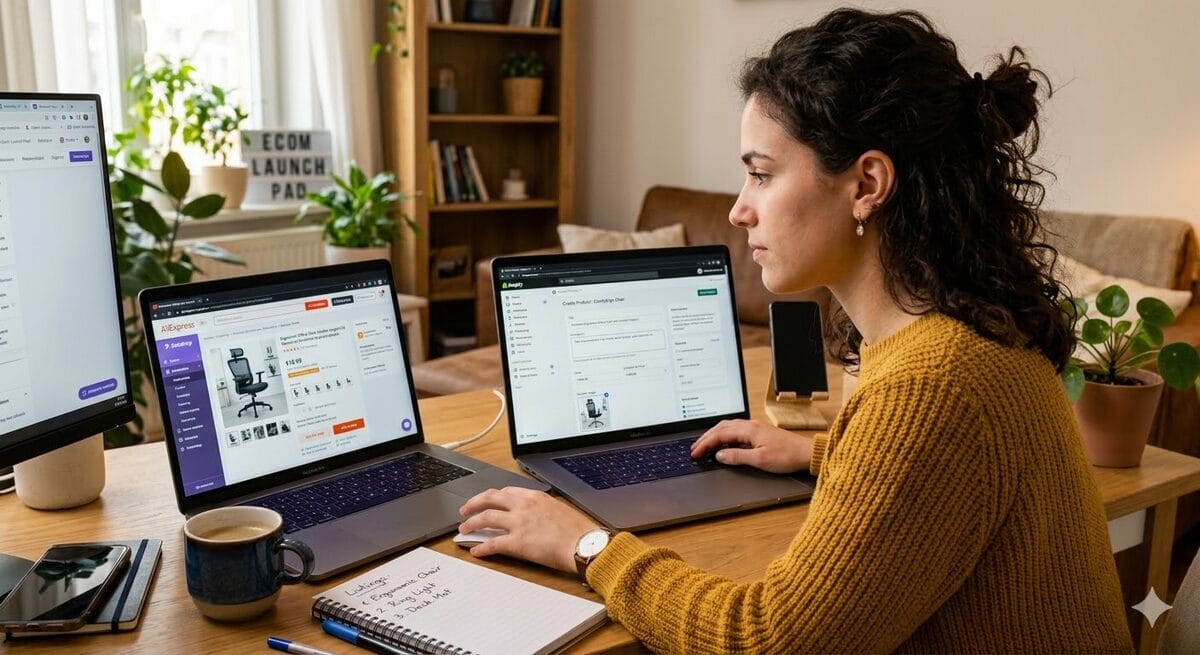
A lot of people think dropshipping is completely hands-off. Like you press a button, go make coffee, and money magically appears. Well, not quite.
You don’t have to store products or ship packages yourself. But you’re still running an e-commerce business. The difference is that you focus on building and managing the store, not packing boxes.
Common tasks in dropshipping include:
- Product selection. One of the most important parts of the whole business. Dropshippers are experts at finding products that sell fast. Sometimes it’s a viral gadget, sometimes it’s an everyday item. The key is finding products people want.
- Listing optimization. As with all forms of eCommerce, product presentation is crucially import, and eCommerce dropshipping is no different. That includes writing a clear product title, adding good images, and crafting a description that explains why the product is useful. Optimized listings = more traffic, clicks, and conversions.
- Setting prices. You also get to decide how to price products. You want to be competitive while also leaving room for profit. It’s a bit of balancing. Not too expensive, not too cheap.
- Marketing. A great product won’t sell if nobody sees it. This includes social media, organic traffic, ads, influencers, and online marketplaces. The goal is simple: get people to discover the product and convince them to buy it.
- Customer service. The supplier ships the product, but the customer bought it from your store. So if they have a question, need help with a return, or want an update, you’re the one they contact.
- Supplier coordination and fulfillment oversight. While you’re not the one fulfilling orders, you do have to confirm that those fulfillments happen. That means making sure orders reach the supplier, checking that products stay in stock, and confirming shipments go out on time.
Put it all together, and the dropshipper’s job is pretty simple. You’re the mastermind! You find winning products, you sell them, and make sure orders get fulfilled.
Why Do People Start Dropshipping?
Most people start dropshipping because they want to start an online business. As you might imagine, there are many ways to do this nowadays. Dropshipping happens to be one of the easiest ones.
It’s a quick and straightforward entry point, especially for beginners who don’t want to risk thousands of dollars on inventory right away. The benefits are clear:
- Low upfront inventory commitment. Traditional retail usually requires buying inventory before you sell anything. In other words, a huge upfront investment. Instead, dropshipping removes that barrier. Since suppliers hold the stock, you only pay for a product after a customer buys it. That makes it much less risky.
- Flexibility and remote management. You don’t need a warehouse, a physical store, or even a specific location to run the business. As long as you have a laptop and an internet connection, you can manage your store.
- Fast testing of products and niches. You can experiment super quickly. You can test different products, niches, and pricing strategies with relatively little to no risk. If something doesn’t sell, you can simply swap it out for something else.
- Easier entry than traditional retail. You don’t need to deal with warehouses, inventory management, or complicated logistics. That lower barrier to entry is what makes dropshipping for beginners such a common starting point.
Of course, easier to start doesn’t mean it happens magically. There’s still work to be done. You have research, sourcing, testing, marketing, and so on. But it does come with lots of perks that make it easy for anyone to give it a try.
Pros and Cons of Dropshipping
Every business model comes with perks as well as a few trade-offs. That’s life! Specifically, the reason dropshipping is so popular is that the benefits make it incredibly accessible for beginners, while the cons are super manageable.
Let’s break down the main dropshipping pros and cons.
Advantages of Dropshipping
- Low startup costs. No buying inventory upfront, you can even start dropshipping with no money if you want to.
- No inventory management. Why spend your day piling up boxes when a supplier can do it for you? They handle storage, packaging, and shipping. For you, it means there are no warehouses, inventory tracking, or shipping logistics.
- Flexible and location-independent. Everything happens online! You can manage your dropshipping store from anywhere. Just picture yourself picking products from the beach while drinking a Margarita. Fun, right?
- Large product selection. You’re not limited by the inventory you can physically store. In dropshipping, the sky is the limit. You can test different niches and products without worrying about storage or large boxes piling up in your living room.
- Easy to experiment and test. If a product doesn’t perform well, you can simply remove it and move on. There are plenty of products to keep testing. This flexibility makes it super easy to keep going after something doesn’t work.
Cons Of Dropshipping To Consider
- Lower margins compared to wholesale models. Because you’re buying products individually rather than in bulk, profit margins can be thinner.
- Dependence on suppliers. Your supplier handles fulfillment, so delays, stock shortages, or product issues can affect your overall customer experience without it being your fault. A tip? Always order samples before committing to a supplier to assess the overall delivery process.
- Higher competition. Since it’s relatively easy to get started, everyone’s giving it a shot. Standing out often requires strong branding, good marketing, and excellent product selection.
- Customer service responsibility. Even though suppliers ship the products, you’re still the visible face for your customers. That means handling questions, returns, and refunds when issues arise.
When Dropshipping Works Best
So, who is dropshipping really for? Typically, it’s best for sellers who want to focus on product research and marketing rather than logistics. Already love market research, content, paid ads, and pricing strategies? Then this is definitely for you. This is especially true if you want to avoid inventory logistics and want to go low-risk first.
Many successful e-commerce brands actually begin with dropshipping and later move to other models once they feel more established.
Just keep in mind that dropshipping is not “easy money” as many people think. A common myth is that it requires almost no effort. Well, breaking news: while the setup is simple, building a profitable store still takes work.
The happy part? With the right systems and automation, you can absolutely simplify workflows. But you’re still the mastermind behind the strategy. You have to put some time and thought into it.
How to Start Dropshipping
Time to roll up our sleeves and get our hands dirty. This is the part where we go step by step through how to start dropshipping, helping you set up your business from the ground up. Ready?
Step 1: Create an AutoDS Account
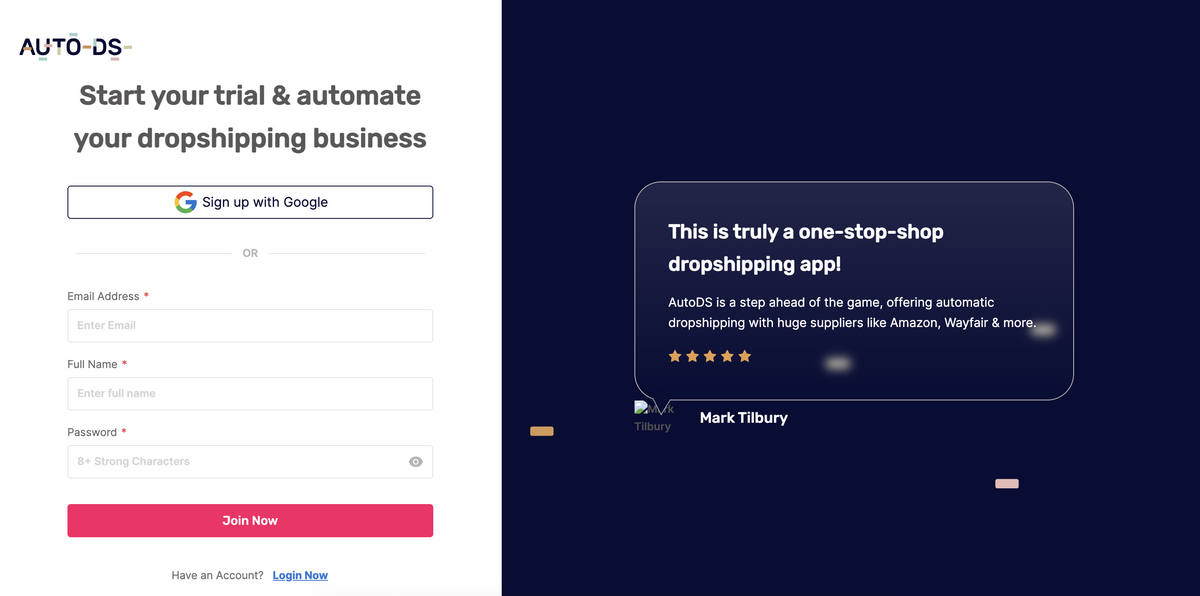
Before anything else, it’s best if we set ourselves up with the right system. AutoDS, an all-in-one dropshipping platform, helps sellers manage and automate each step of the dropshipping workflow in one single place. It makes the whole process easier and more efficient.
By setting this up right at the beginning, we’ll avoid messy manual steps and potential mistakes along the way.
To connect to AutoDS, you only have to create an account. It only takes a minute! Just follow the prompts, and you’re in.
Ready? Start the AutoDS $1 trial and begin finding high-converting products, importing them in one click, and fulfilling orders with full automation.
Step 2: Choose Your Selling Channel
Now, it’s time to decide where you want to sell. You have options:
If you want your own site with full control over branding 👉 Go for direct-to-consumer platforms like Shopify, Wix, or WooCommerce. These give you lots of beginner-friendly tools to create your own shop with lots of customization options to brand it. The downside? You have to drive your own traffic.
If you want built-in traffic 👉 Go for marketplaces, like Amazon, eBay, AliExpress, Etsy, and more. Here, you’re a bit stuck on the platform’s branding, although you have a few customization features to brand your profile. The biggest perk is that it comes with built-in traffic, making it easier to start selling quickly.
Don’t worry, we’ll zoom in on this later.
Step 3: Connect Your Store With AutoDS
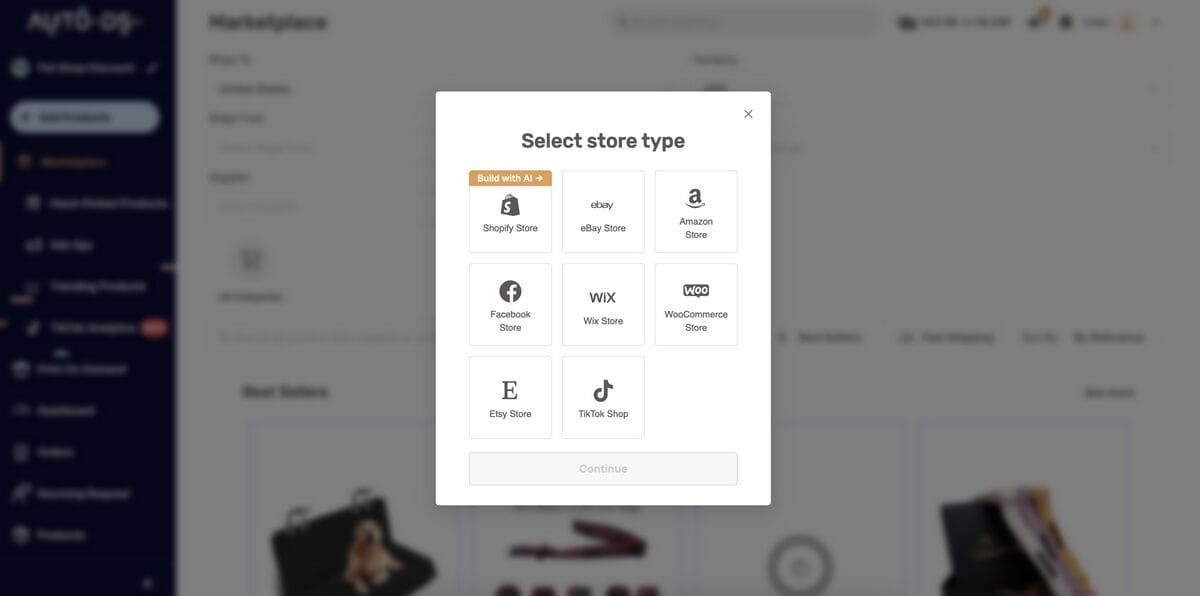
You have your AutoDS account and your store set up either in a marketplace or a platform like Shopify. Next step? Connecting them.
This is super easy, as AutoDS integrates directly with major platforms, including Amazon, eBay, Shopify, Facebook, TikTok, Etsy, and more. Just head to the AutoDS dashboard, click on “Add Store” on the top left menu, and follow the instructions.
Step 4: Customize Your Store
The fun part! This is where you make your store look like a real business. Your possibilities depend on your selling channel. Marketplaces like Amazon or eBay will let you add minimal customization, like a banner and store information.
But if you’re using Shopify, Wix, or WooCommerce, you can add your branding, organize your pages, and create customizable layouts. This is all about choosing your fonts and color palette, distributing your elements, and making your store look professional and trustworthy.
🆕 Beginner’s Tip: Want to avoid the hassle of creating a site from scratch? AutoDS’s AI-built Shopify Store creates it for you automatically in just two minutes. It includes pre-selected products, ready-to-sell pages, and a free .store domain.
Step 5: Find Products To Sell
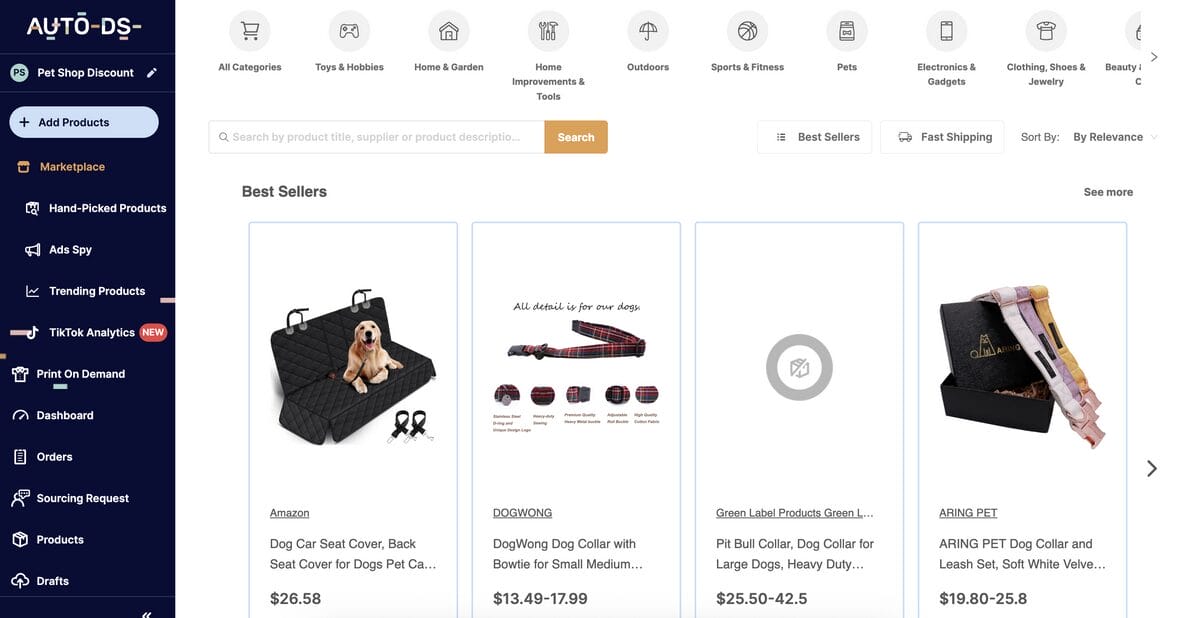
Time to start crafting your catalogue!
First, start by picking your niche. You might already have some idea of what you want to sell. If you don’t, the most popular niches in dropshipping are beauty, fashion, technology, home & decor, pets, baby stuff, and health & fitness.
Next, look for products within your niche that have these traits:
- Clear demand. Are they driving engagement on social media? Are they included in bestseller rankings? Is interest rising on Google Trends?
- Strong visual appeal. Is it something you can showcase in just a few seconds? Focus on products that are viral, aesthetic, or solve a specific problem.
- Leave room for profits. Factor in fees, costs, and potential returns to make sure the item is profitable.
You can also go for trending items that are viral right now or for evergreen ones that sell year-round. A mix of both is the perfect strategy.
🔍 Research Tip: If you want to skip the heavy research, you can use AutoDS’s built-in research tools. You have a marketplace, hand-picked curation, and a trending products hub, all with real-time market data to make informed decisions.
Step 6: Import Products To Your Store

Got your products? Time to import them! If you have AutoDS, this is super easy:
👉 If you’re sourcing directly from the AutoDS marketplace, just click on “Import Draft,” and that’s it!
👉 If you’re sourcing from any of the 25+ supported global suppliers, you can import them in one click through the Google Chrome extension, or just copy-paste the URL into the importing tool from the main dashboard.
Either way, you can add as many items at once, even if they come from different suppliers. The system will automatically pull all the information: titles, descriptions, images, variations, and more.
There you go: no manual inputs, no copy-pasting detail by detail, no typos. Just smooth, automatic importing.
Step 7: Optimize Listings
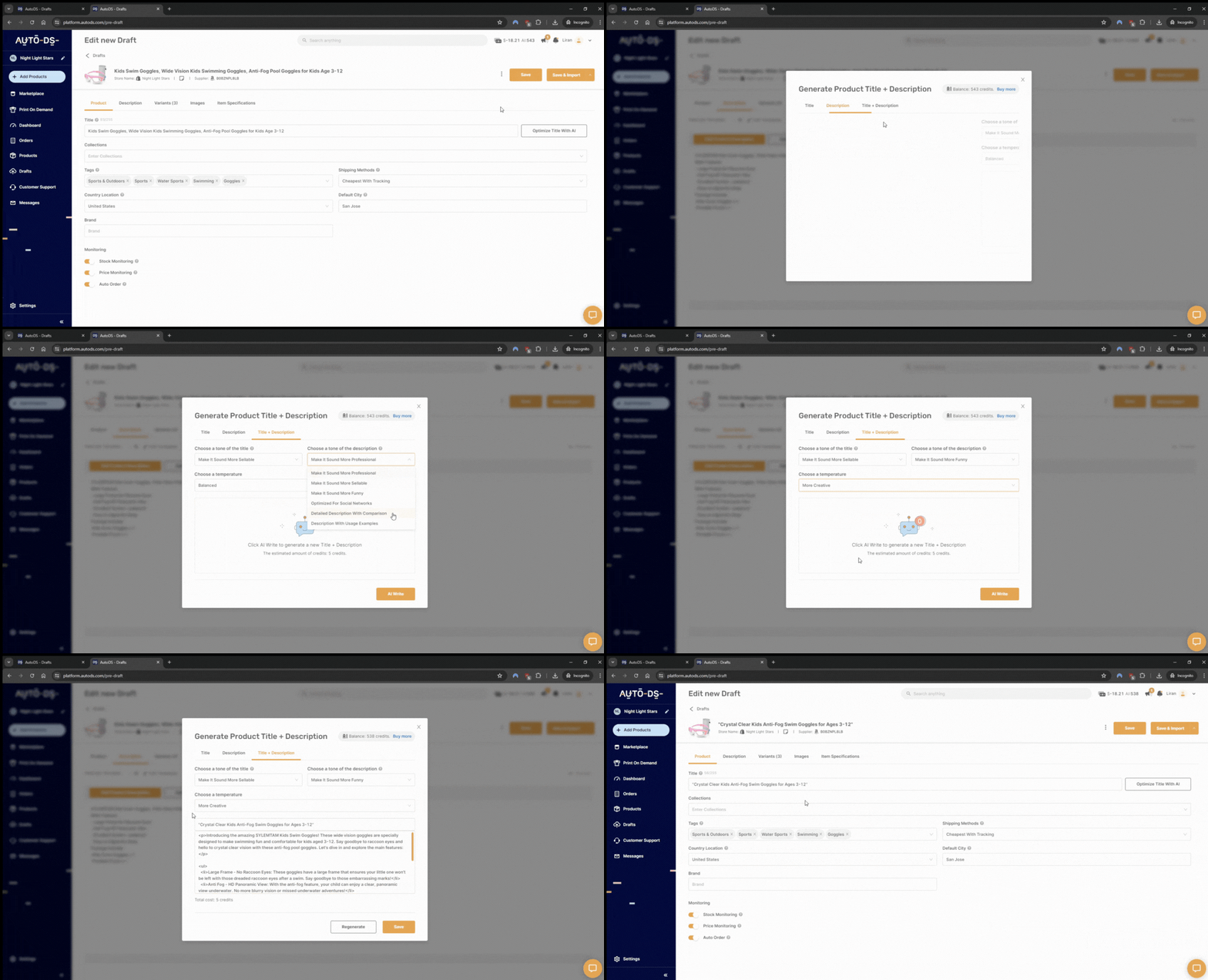
Once your products are imported, the next step is polishing your listings. The goal is to optimize them for traffic and conversions. This includes:
- Revising titles. Make sure they’re keyword-friendly, clear, relevant, and professional.
- Crafting compelling descriptions. Stand out from the crowd! Focus on clear benefits, simple language, and how the product actually improves the customer’s life.
- Updating images. You can use your supplier’s original visuals, but so is everyone else selling the same product. If you can, order a few samples to take your own pictures, at least for your highest-converting items.
- Checking variations. Make sure they’re accurate, clearly labeled, and easy for customers to select.
💡 Pro Tip: Don’t waste time creating copies from scratch. Use AutoDS’s AI Product title & description generator to quickly create optimized product listings and tweak them to match your store’s style.
Step 8: Set Your Pricing
Next, decide how much you’re going to charge for each product. You want to cover the supplier cost while leaving enough room for profit after transaction fees, ad spend, and any other business expenses.
Pricing too high can scare people off. Pricing too low can leave you working for free, which is not exactly the entrepreneurial dream.
A solid dropshipping pricing strategy should balance competitiveness with actual margin.
Step 9: Set Up Automation
One final touch to your listings: enabling automation. This includes:
- Price and stock monitoring. This is what keeps your listings in sync with your supplier’s current price and availability. It helps you avoid selling out-of-stock items or losing profit due to unexpected price changes.
- Automatic price rules. You can set rules that automatically adjust your product prices according to different scenarios. This keeps your margins protected without manually updating every listing.
- Automated fulfillment. This is the feature that will change your life. When an order comes in, your automation platform (like AutoDS) can automatically place the order with your supplier and update tracking information once it ships. This saves you from processing orders manually and helps keep everything running on autopilot.
Step 10: Launch And Start Marketing
Your store is ready! Now, it’s time to get people to see it. You can promote your products through organic content, paid ads, SEO, influencer marketing, or marketplace traffic. It depends on your selling channel and strategy.
No matter what you sell, the rule is the same: great products need visibility. A store without marketing is basically a very pretty empty room.
Step 11: Monitor And Scale What Works
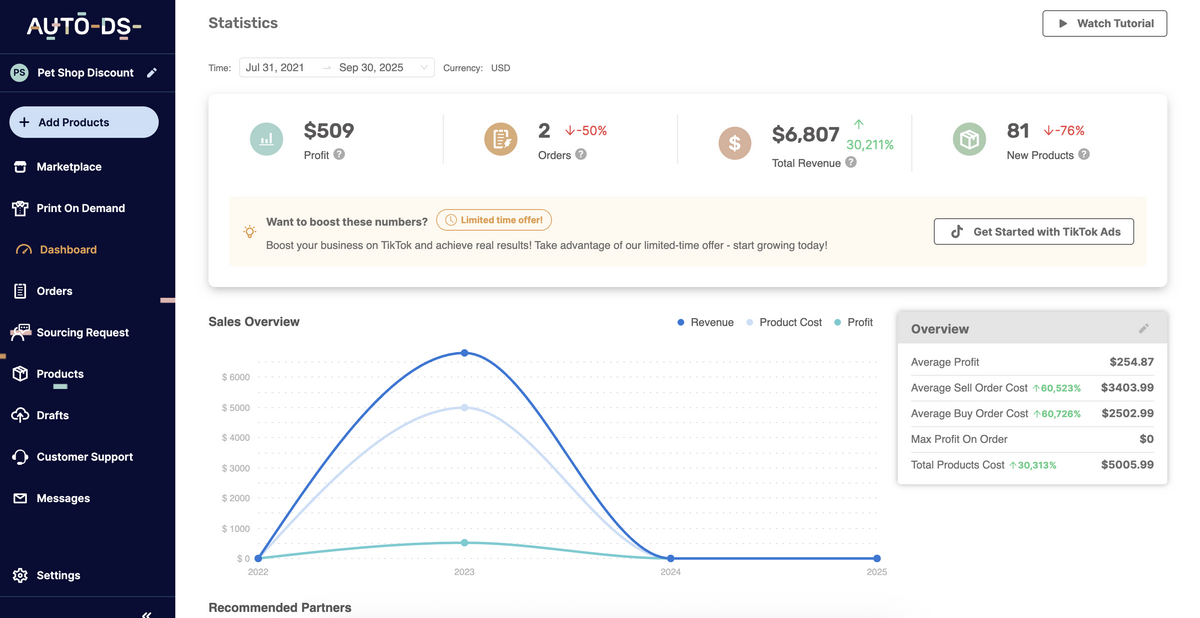
After launch, there’s still work to do. It’s time to analyze how everything is performing. Keep an eye on:
- What products are getting clicks.
- Which listings are converting.
- How your margins look.
- Where customers are dropping off.
Then, replace listings that are not converting for new ones. You should also scale the ones that are working by increasing ad spend, expanding to new channels, or creating new organic content to drive traffic.
The idea is to grow from what’s already working instead of reinventing the wheel every week.
How Much Does It Cost to Start Dropshipping?
One of the reasons dropshipping attracts so many beginners is the relatively low startup cost compared to traditional retail. That said, there’s no fixed price for all. Each channel and tool has different fees, and ad spend varies depending on your strategy.
Here’s a general idea of what startup costs look like across popular platforms:
- Shopify: The base plan starts at $39/month, plus transaction fees, additional app costs, and a domain name.
- Amazon: The Professional seller plan costs $39.99/month. Otherwise, you can pay $0.99/item for the Individual plan. Then you need to factor in referral fees, which are around 8-15% per sale.
- eBay: The first 250 listings per month are free, so you can get started for $0. Then, you pay $0.35 per listing, plus 13-15% in fees of the total amount of the sale.
- Facebook Marketplace: This one is completely free for local or cash-in-person sales. For items shipped through Facebook, there’s a 5% fee per shipment (with a minimum of $0.40).
These are part of your fixed costs, meaning they stay roughly the same each month. Besides your selling channel subscription, other fixed costs are domain names and essential tools.
Then, there are variable costs. These change depending on how your business performs. Think ad spend, transaction fees, and product costs. In fact, these are the costs that beginners tend to forget, just because they’re not part of a monthly subscription. As your store grows, variable costs increase, but so does revenue.
With everything included, dropshipping is considered a low-cost business model. That said, it’s not completely free. You’ll still need to pay for tools, platform fees, and sometimes marketing to bring customers to your store. The difference is that you’re not investing thousands of dollars in inventory before making your first sale.
Best Selling Channels for Dropshipping
Let’s talk about selling channels, because these are a major part of your strategy. We’ve already briefly mentioned a few, like Amazon and Shopify, but there are more options to consider.
Your selling channel is more than just a checkout page. This is where people experience your brand. It’s the storefront and the place where customers discover your products, browse your listings, and decide to buy.
In general, dropshipping channels fall into two main categories:
- Customizable e-commerce platforms, where you build your own branded store. These give you more control over design, branding, and customer experience.
- Marketplaces, where you sell inside an existing platform with built-in traffic. These usually provide immediate access to large audiences, which can make it easier to start getting sales.
Let’s take a look at some of the most popular channels dropshippers use today.
Shopify
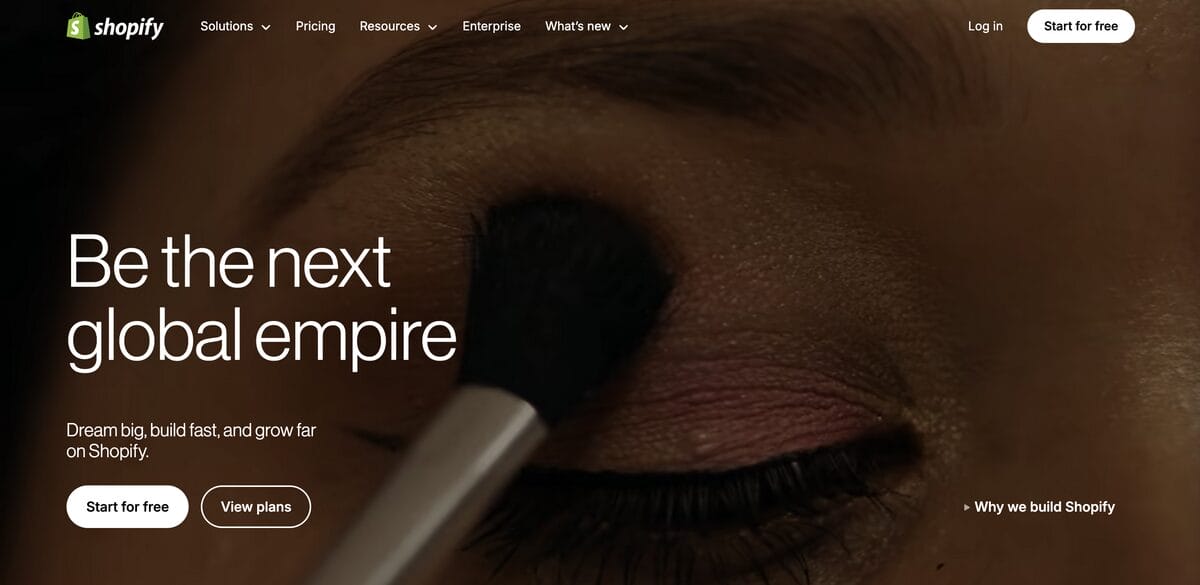
A favorite among online sellers! Shopify is one of the most widely used platforms. It gives you everything you need to build a shop from start to finish. No complications or tech skills. You get hundreds of templates, customization features, and product pages ready to go live.
That said, you’ll need to drive traffic to your site to reach buyers. And that’s where your marketing strategy needs to be on point.
Key features of Shopify:
- Easy store setup and management.
- Customizable themes and branding.
- Large ecosystem of e-commerce apps and tools.
Amazon
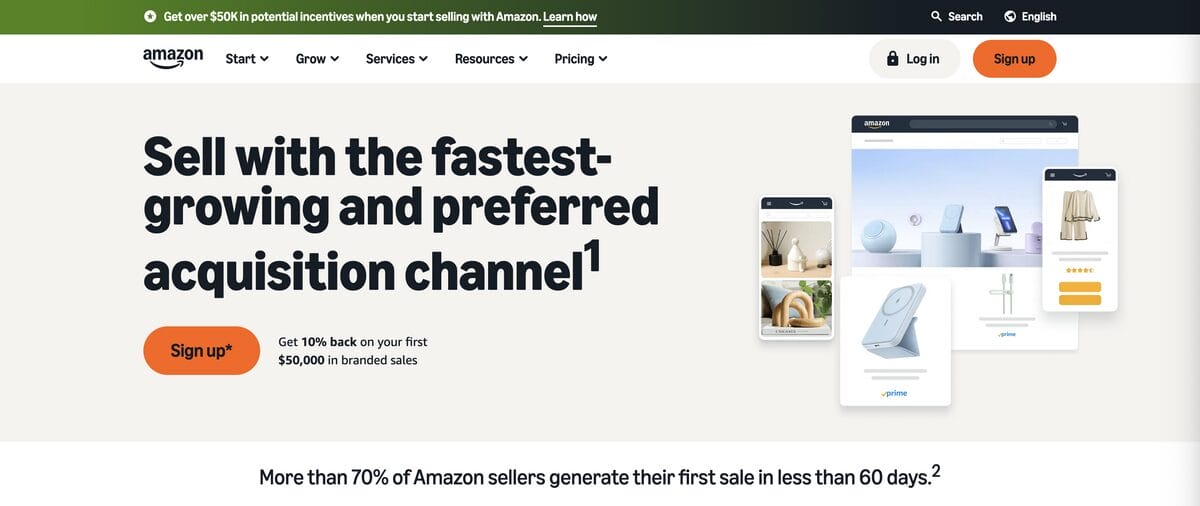
This one needs no introduction, right? Everyone knows Amazon, and everyone uses it (it’s literally the largest e-commerce marketplace in the world). No wonder almost every seller wants to make it here.
But why is it so popular? Simple: its search engine makes it super easy for buyers to find what they’re looking for. For sellers, this means it’s also easy to increase reach fast if listings are optimized.
Of course, it comes with a catch: Amazon has stricter policies compared to other marketplaces. And not only that: because it’s so popular, competition is also higher.
Key features of Amazon:
- Huge global customer base.
- Advanced search and recommendation algorithms.
- Strong brand trust among buyers.
eBay
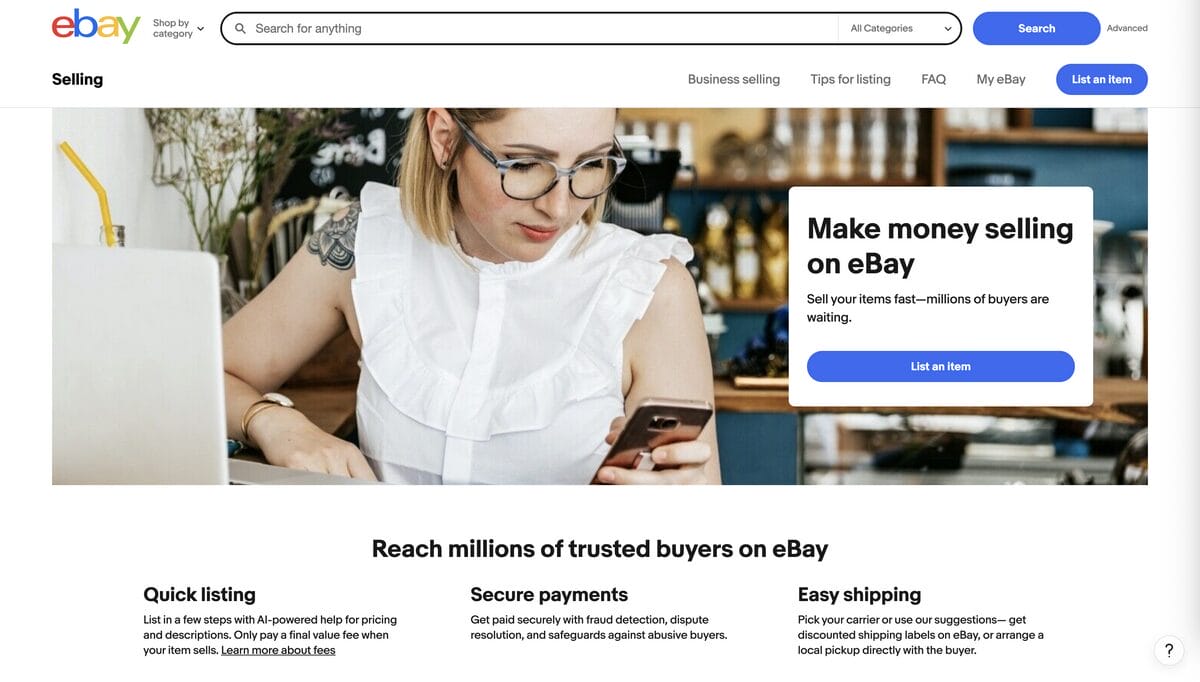
eBay, our old friend! This one has been around since the early days of e-commerce. And it’s easy to see why it’s still around. It’s easy to list items, it has millions of active buyers (more than 134 million worldwide, according to Red Stag Fulfillment), and it has a solid reputation that helps sellers build trust.
Key features of eBay:
- Massive global audiences.
- Built-in marketplace traffic.
- Strong buyer protection system.
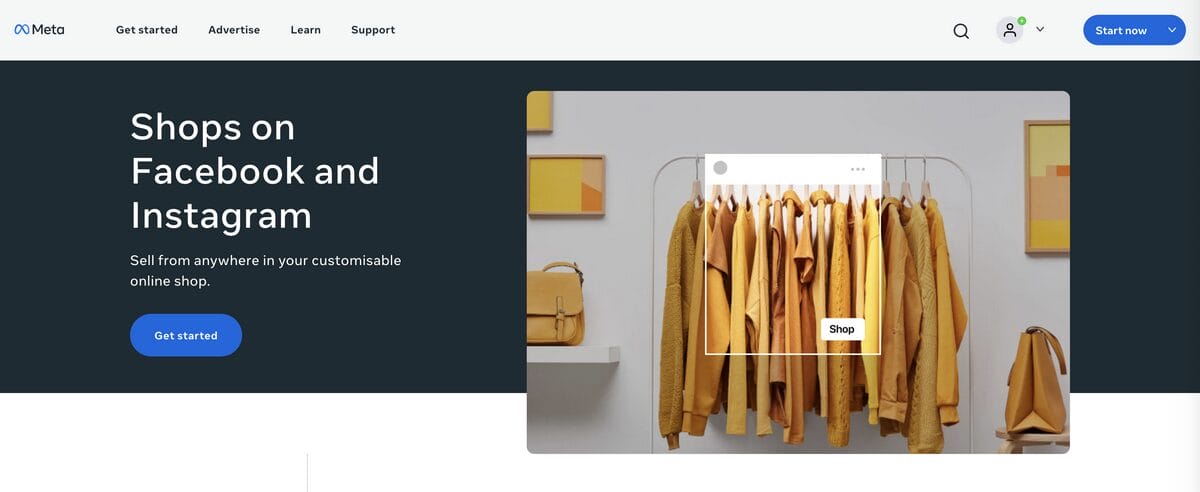
This is a surprisingly strong option for dropshipping, especially for beginners. Millions of people already use Facebook’s ecosystem, so why not sell where shoppers already are?
This includes Instagram, Facebook Shop, and Facebook Marketplace (this last one is the most beginner-friendly one, as it requires basic setup).
Key features of Facebook:
- Built-in audience and organic traffic.
- Direct communication with buyers through direct messages.
- No monthly subscription needed.
Etsy
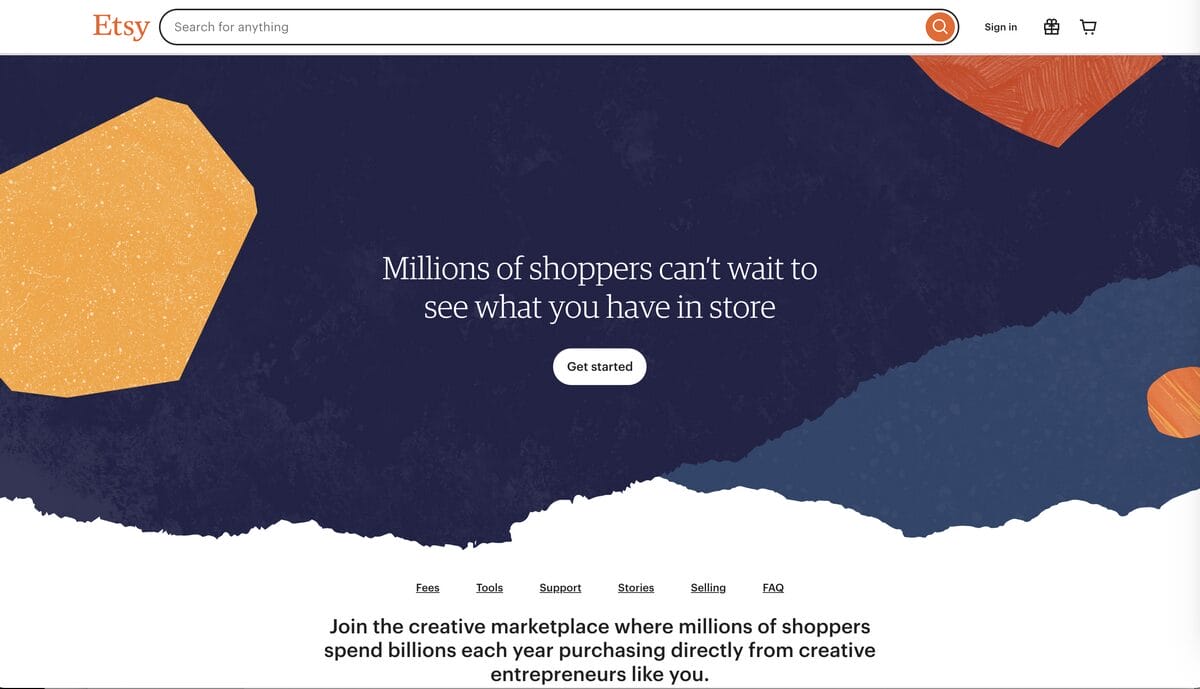
Selling handmade items or vintage finds? Then Etsy is perfect for you. It has a different vibe than other platforms. Here, it’s all about community, unique products, and authentic vibes. This makes it especially appealing for sellers who want to target a more niche audience.
Key features of Etsy:
- Strong niche audience.
- Global marketplace reach.
- Simple storefront setup.
WooCommerce
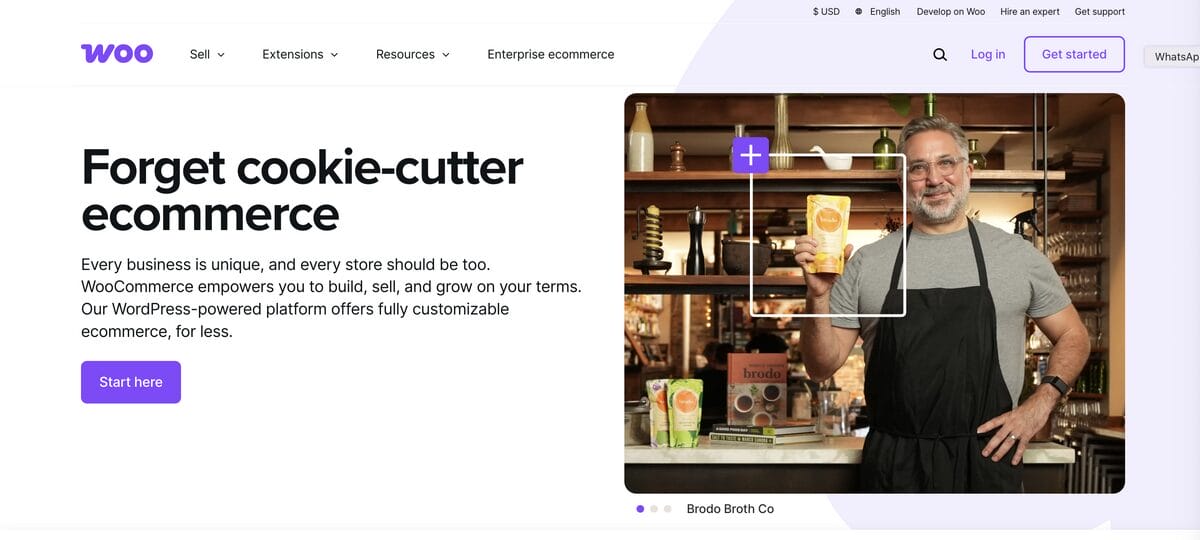
WooCommerce is a WordPress plugin that you can install on any website. It turns a regular site into a fully functional online store (you know, with all the selling features). It’s open source, which means you have total control over customization and design.
Experienced sellers love that kind of flexibility. But that’s the same reason why it may be a bit more technical than other platforms. Compared to plug-and-play platforms like Shopify, it requires some coding and complex setup beginners might not like.
Key features of WooCommerce:
- Highly-customizable.
- Open-source platform.
- Large library of extensions and themes.
Wix
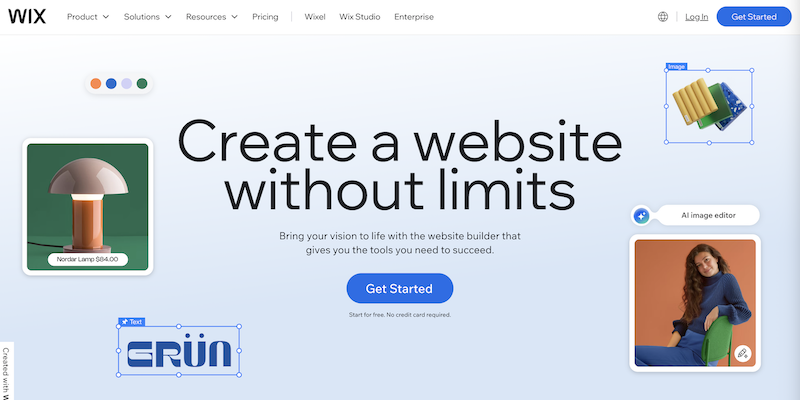
Wix is a popular website builder that also supports e-commerce stores. It’s super beginner-friendly, as it offers a drag-and-drop designer that makes it easy to design without coding.
All in all, it’s ideal for sellers who want something simple and quick to set up. That said, you’ll still need to bring in traffic (just like Shopify).
Key features of Wix:
- Drag-and-drop store builder.
- Hundreds of customizable templates.
- Built-in SEO tools.
TikTok Shop
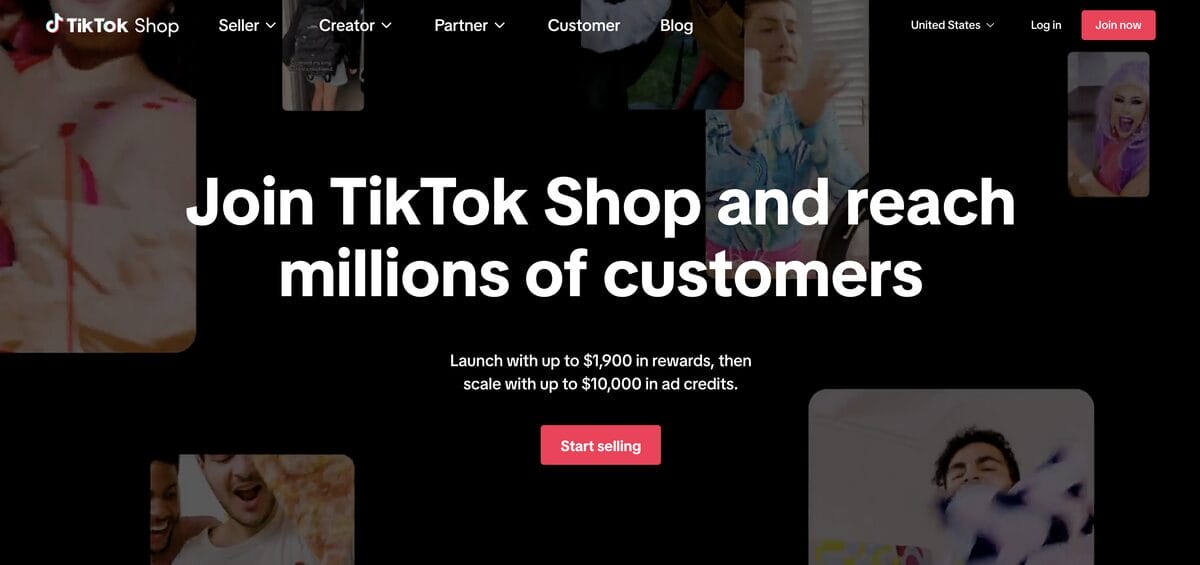
TikTok Shop is the new popular kid in town. It’s one of the newest selling channels in e-commerce, but it’s growing super fast.
The whole point is to sell through content. Users can discover products while scrolling and seeing short videos. Then, they can buy whatever they like right inside the app. This reduces friction and makes the purchasing process almost effortless.
Now, here’s the magic: it all comes down to the algorithm. The system is constantly looking for engaging content. A single viral video can get you thousands of sales almost overnight. That’s what makes it so great, but also challenging for some creators: it all comes down to consistent content creation.
Key features of TikTok Shop:
- Short-form video commerce.
- In-app purchasing.
- Powerful discovery algorithm.
How AutoDS Fits Into the Dropshipping Workflow
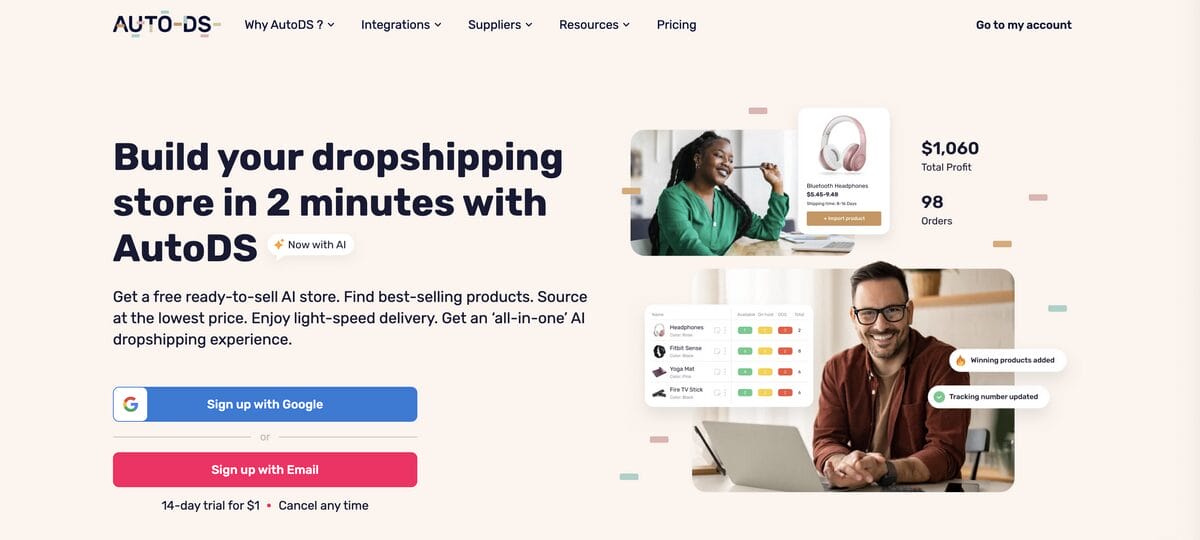
Dropshipping itself is pretty simple. But it involves day-to-day workflows with repetitive tasks that can take forever. We’re talking about importing products, checking supplier prices, processing orders, updating tracking numbers, and so on. Doing all of this manually becomes a full-time job, and it’s also more prone to errors.
That’s where automation comes in. AutoDS works as your operational layer, automating each step of the workflow while centralizing everything in one single place. It doesn’t replace your store or marketplace. It actually integrates with them and your suppliers to keep everything synced, optimized, and running on autopilot.
For example, AutoDS helps dropshippers:
- Import products quickly from suppliers to their store.
- Monitor price and stock changes so listings stay accurate.
- Automate order fulfillment when a customer places an order.
- Update tracking information automatically once items ship.
- Manage products and suppliers from one dashboard.
In short, AutoDS helps keep your store’s operations running smoothly, error-free, and scalable.



Is Dropshipping Worth It in 2026?
Before we wrap this up, the million-dollar question: is dropshipping worth it in 2026? Straight to the point: Yes. The global dropshipping market went from $439.63 billion in 2025 to $569.49 billion in 2026 — a 29.5% jump in a single year — and it’s projected to hit $1542.38 billion by 2030. That’s not a dying model. But not for the reasons many viral videos promise.
Dropshipping is just as viable as it was five years ago. The problem is that many gurus make it look like it’s a quick money shortcut, something that magically makes you a millionaire overnight. Sorry to break the news: it isn’t.
At the same time, competition is higher than it used to be, which means strategy and execution are more important than ever.
This scenario takes us to one simple truth: dropshipping works when you actually treat it like a real business. The formula is pretty simple. You need strong product research, good marketing, and consistent testing. If you understand your niche, present products well, and know how to drive traffic, you’re on the right track. And that takes work, of course.
Luckily, we have two pieces of good news:
- Dropshipping remains one of the most accessible ways to start selling online. It allows beginners to get started with almost no budget, no inventory, and even no experience.
- Once you’re in, the right automation tools can reduce all that work to simple, automated workflows.
If you take those two perks to your advantage, congrats: you’re on your way to building a scalable business without financial risk, warehouses, and crazy logistics.
Frequently Asked Questions
How Does AutoDS Work?
AutoDS works as the operational layer that centralizes your entire dropshipping workflow. By connecting with suppliers and selling channels, it offers quick product importing, full order fulfillment, price and stock monitoring, price optimization, automatic tracking updates, inventory management, and more.
Is It Easy To Start Dropshipping?
Yes, it is relatively easy to start dropshipping. You don’t need to buy inventory upfront or manage shipping. Instead, you can start with product research and find a reliable dropshipping supplier. From there, you can set up our store, import products, and fulfill orders with the help of AutoDS.
How Can I Automate My Dropshipping Business?
You can automate your dropshipping business with specialized tools like AutoDS. It connects to your selling channel and your suppliers to streamline tasks like product importing, price and stock monitoring, and order fulfillment. This way, it helps you manage your store more efficiently from a single dashboard.
What are AutoDS Managed Accounts, and how do they work?
AutoDS Managed Accounts are pre-configured buyer accounts provided by AutoDS to handle automated order fulfillment. Instead of placing orders through your own Amazon or Walmart account, AutoDS uses its own secure accounts to process and complete orders for you.
What is dropshipping in simple terms?
Dropshipping is an e-commerce business model where you sell products online without keeping inventory. When a customer places an order, a supplier ships the product directly to them while you manage the store and keep the profit margin.
Do I need inventory to start dropshipping?
No, you don’t need to buy upfront inventory to start dropshipping. One of the main advantages of dropshipping is that suppliers hold and ship inventory for you. You only purchase the product after a customer places an order in your store.
How much money do I need to start dropshipping?
How much money you need to start dropshipping depends on the selling channel you choose. Many beginners start with around $50-$300 to cover platform fees, basic tools, and initial marketing costs.
Is dropshipping legal?
Yes, dropshipping is a legal e-commerce business model used by many online retailers. The key is to follow marketplace policies, work with reliable suppliers, and comply with local tax and consumer protection laws.
What is the best platform for beginners to start dropshipping?
The best platforms for beginners to start dropshipping are usually Shopify, Facebook Marketplace, and TikTok Shop. They’re relatively easy to set up and support automation tools that simplify store management.
Can beginners still succeed with dropshipping?
Yes, beginners can absolutely succeed with dropshipping. It requires learning product research, marketing, and store optimization. Just keep in mind that while it’s totally accessible, it still requires testing and consistency to build a profitable store.
Who is dropshipping best for?
Dropshipping is best for people interested in e-commerce, digital marketing, and testing product ideas without investing heavily in inventory. It’s especially suitable for beginners who want to start an online business with lower upfront risk.
Start Your Dropshipping Journey with AutoDS
If there’s one thing clear is this: dropshipping remains one of the most accessible ways to start selling online. No need to buy inventory upfront, manage a warehouse, or deal with complex logistics. Instead, the focus shifts to choosing the right products, presenting them well, and bringing customers to your store.
Automation tools make this process easier. AutoDS centralizes your entire dropshipping workflow in one single dashboard, connecting your store with suppliers, automating daily tasks, and optimizing your store. This way, AutoDS makes it easier to get started and quicker to scale.
🔥 Start selling in minutes — Try AutoDS today for just $1
Start by checking out these gems on beginning dropshipping:
- AI Shopify Store Builder: Get A Free Dropshipping Store In 2 Minutes!
- 100+ Best Dropshipping Products To Sell In 2026
- 30+ Free Dropshipping Suppliers To Scale Your Business In 2026
APA Citation (7th Ed.)
Rainero, L. (2026, March 13). What Is Dropshipping And How Does It Work In 2026? AutoDS. https://www.autods.com/blog/dropshipping-tips-strategies/what-is-dropshipping-and-how-it-works/
- What Is eCommerce Dropshipping?
- How Does Dropshipping Work?
- What Does an eCommerce Dropshipper Actually Do?
- Why Do People Start Dropshipping?
- Pros And Cons Of Dropshipping
- How To Start Dropshipping
- How Much Does It Cost To Start?
- Best Selling Channels For Dropshipping
- How AutoDS Fits Into Еhe Workflow
- Is Dropshipping Worth It In 2026?
- FAQ
- Conclusion