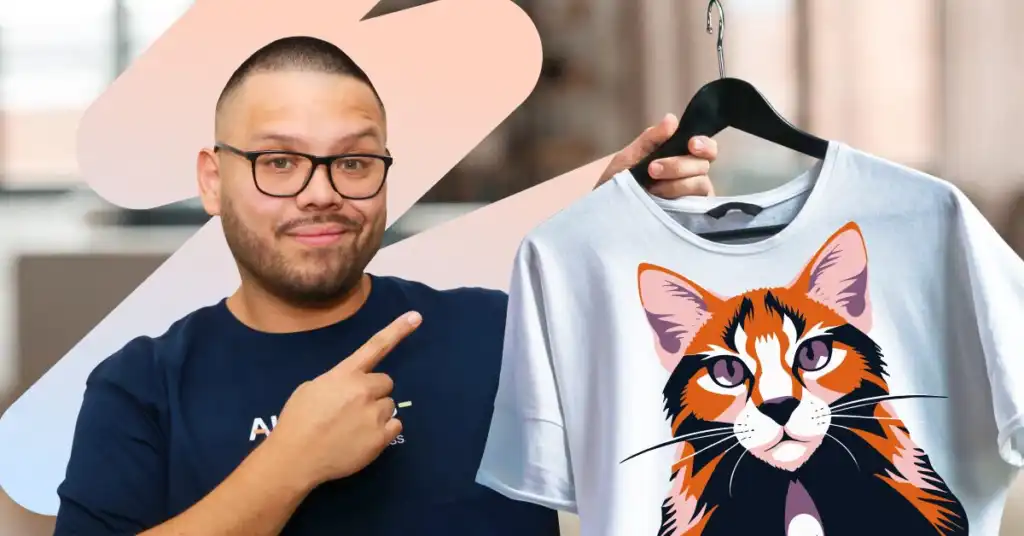


Open any social app, and you’ll see it instantly: outfits being styled, trends reshaped, and clothes turning into conversation starters. Fashion moves fast, and that’s exactly what makes it such an exciting niche for dropshippers.
Clothing keeps evolving with trends, seasons, and online culture, creating constant opportunities for sellers who know how to spot demand early. From everyday basics to trend-driven pieces, this niche thrives on visibility, impulse, and personal style: three ingredients that make it especially powerful in today’s online market.
To turn that momentum into something scalable, structure matters. AutoDS helps sellers automate product sourcing, manage suppliers, and streamline fulfillment, making it easier to focus on what actually moves the needle. In this guide, you’ll learn how to start dropshipping clothes step by step, from choosing what to sell to building a store that’s ready to grow.
Clothing dropshipping remains a strong niche in 2026 thanks to constant demand, trend-driven behavior, and the way people naturally discover fashion online.
This niche works especially well for beginners because it allows flexible testing across styles, seasons, and audiences without committing to a single product direction.
Successful clothing sellers focus on visually marketable, low-risk items like basics, relaxed fits, and versatile pieces that are easy to browse and imagine wearing.
Clear sizing information, realistic product visuals, and transparent return policies are essential to reducing friction and managing one of the niche’s biggest challenges: returns.
Automation plays a key role in scaling clothing stores, helping sellers manage variants, suppliers, orders, and inventory with fewer errors.
Tools like AutoDS centralize product research, importing, fulfillment, and tracking, making it easier to turn a fast-moving fashion niche into a structured, scalable business.
Why the Clothing Niche Is Profitable in 2026
The answer is simple: clothing is profitable because people never stop buying it. They just change why and how they do it. Unlike trend-based dropshipping niches that rise and fall overnight, clothing evolves alongside lifestyles, personal habits, and cultural shifts. That constant movement creates ongoing demand, which is exactly what makes this niche so attractive for sellers looking for long-term potential.
What makes clothing especially powerful is how personal it is. People don’t just shop for clothes because they need them; they shop because something resonates. A style fits their identity, a trend feels relatable, or an outfit solves a daily frustration. This emotional connection drives impulse purchases, repeat buying, and experimentation, behaviors that work extremely well in online stores, especially when products are easy to browse and visually appealing.
Another reason this niche performs well is its flexibility. Clothing allows sellers to adapt quickly to micro-trends, seasonal changes, and shifting lifestyles without reinventing their entire store. One month it’s cozy essentials, the next it’s statement pieces or lifestyle-driven looks. This adaptability gives beginners room to test, learn, and refine their approach without locking themselves into a single product direction.
Finally, clothing fits naturally into how people already discover products online. Social platforms, creators, and everyday users constantly showcase outfits, styles, and “looks,” turning inspiration into demand almost instantly. For dropshippers, this means selling products that feel familiar, relevant, and easy to visualize, making the path from interest to purchase much shorter.
Key Market Insights & Growth Stats for the Clothing Niche
To show you that the clothing niche isn’t just talk but backed by real growth and consumer habits shaping ecommerce, here are some recent statistics, and what they signify for dropshippers like you in 2026:
📊 The global online fashion market is huge: projected around $1 trillion in revenue in 2025, representing nearly half of total fashion retail sales worldwide. This big footprint means there’s a large audience already comfortable buying clothes online, giving dropshippers a broad potential customer base to tap into.
📊 E-commerce is growing fast: online fashion sales are increasing year over year, with the market expected to expand further through the decade. For sellers, this continuing growth implies more buyers entering the space and more opportunities to test products without relying only on slow, traditional retail channels.
📊 Mobile shopping dominates: mobile devices account for a significant portion of online fashion transactions (often 60 %+ of purchases). This trend highlights the importance of mobile-friendly stores and marketing — shoppers are browsing and buying on phones more than ever.
📊 Online fashion is increasingly social: social commerce is rising rapidly, with social platforms becoming key discovery and buying channels for clothing. For dropshippers, this means strategies that blend product exposure with social proof and visual engagement tend to perform especially well.
📊 Cross-border and app adoption continue to rise: a growing portion of fashion purchases occurs across borders and through apps. This adds flexibility for sellers to reach international customers and optimize shopping experiences beyond desktop environments.
These insights make it clear: the clothing niche is vibrant, mobile-driven, and discovery-focused, giving dropshippers multiple avenues to connect with real online shoppers in 2026 and beyond.
Best Clothing Products to Sell in 2026
Some clothing items sell because they look good in photos. Others work because they fit into people’s routines, moods, or daily habits. The most successful products usually sit right in the middle: easy to visualize, easy to wear, and easy to imagine as part of everyday life. That’s what makes them especially effective for dropshipping.
Here are some of the most reliable product categories to explore in 2026, each with strong demand signals and clear selling potential:
Graphic T-Shirts & Statement Tops

These remain evergreen because they allow people to express personality, humor, or identity with minimal effort. Trends rotate quickly, which creates repeat buying opportunities, and designs can easily be refreshed without changing the product structure. They also perform well in social content, where visuals drive fast engagement.
Athleisure & Casual Wear

Comfort-driven fashion continues to dominate everyday wardrobes. Items like leggings, joggers, and relaxed tops appeal to a wide audience and work across multiple lifestyles, from working at home to casual outings. Their versatility makes them easy to market year-round with consistent demand.
Seasonal Essentials (Hoodies, Light Jackets, Summer Sets)

Seasonal clothing performs well because it aligns naturally with weather-driven demand. These products create predictable sales spikes and allow sellers to refresh collections throughout the year without rebuilding their entire store.
Accessories (Hats, Socks, Scarves, Belts)

Accessories are lightweight, affordable, and ideal for impulse buying. They also pair well with upselling strategies, increasing average order value without adding complexity to fulfillment or inventory management.
Niche Lifestyle Apparel

Clothing tied to lifestyles (such as fitness, travel, wellness, or minimalist fashion) connects strongly with identity-based buyers. These audiences often purchase repeatedly and respond well to branding, making this category ideal for building long-term stores rather than one-off sales.
Loungewear & Home Comfort Clothing

As comfort continues to shape buying decisions, relaxed clothing remains a strong performer. These products benefit from emotional appeal, repeat usage, and high perceived value, especially when presented as part of a lifestyle rather than just an outfit.
Gender-Neutral & Inclusive Styles

Unisex and inclusive clothing attracts a broader audience and simplifies sizing decisions. This category continues to grow as consumers look for flexible, wearable options that feel modern and accessible.
👔 Want more niche ideas to explore? Take a look at our full guide to the best clothing products to dropship, with trends and examples to get you started.
How To Start Dropship Selling Clothes: Step By Step Guide
Getting started with clothing dropshipping is about building the right foundation, step by step. As this niche moves pretty fast, having a clear process helps you avoid common mistakes and focus on what truly drives results.
Below, you’ll find a practical roadmap designed specifically for selling clothes online. From budgeting and product research to automation, marketing, and customer experience, each step connects to how this category really works in 2026 and how to manage it efficiently as you grow.
1️⃣ Determine Your Budget
First things first: money. Clothing dropshipping doesn’t require a large upfront investment, but it does reward sellers who plan their budget with intention. Before launching, it’s important to understand where your money will actually go and how to allocate it wisely.
Your core expenses usually include your ecommerce platform, marketing, and the tools you use to manage products and orders. Because fashion is highly visual, a meaningful portion of your budget should support marketing assets like product images, short-form videos, or lifestyle-style content that helps shoppers picture themselves wearing your products.
This is also where smart tooling makes a difference. Using an all-in-one solution like AutoDS can simplify cost planning by automating key processes (such as product management, pricing updates, and order handling) without relying on multiple separate apps. Over time, this helps keep expenses predictable and allows you to focus your budget on growth rather than operational overhead.
2️⃣ Understand Requirements
Compared to other niches, clothing dropshipping is relatively accessible and comes with fewer restrictions, but there are still basic requirements you need to understand before selling. Depending on where your customers are located, this may include sales tax, VAT, or import duties, especially if you plan to sell across borders.
Beyond taxes, each selling channel has its own rules. Marketplaces and social platforms often set guidelines around product descriptions, material claims, and how sizing information is presented. In the clothing niche, accuracy matters: clear size charts, fabric details, and care instructions help set expectations and reduce avoidable issues like returns or disputes.
Taking the time to understand these requirements early makes your store easier to manage as it grows and builds trust with customers who rely on clarity when buying apparel online.
3️⃣ Choose a Selling Channel

Where you sell clothing matters almost as much as what you sell. Different channels shape how shoppers discover fashion, interact with products, and make purchasing decisions, so choosing the right one depends on your goals, content style, and level of control.
Standalone online stores are a popular choice for clothing sellers who want to build a brand, curate collections, and control the customer experience. Marketplaces, on the other hand, offer built-in traffic and faster exposure but come with stricter rules and less branding freedom. Social commerce platforms are especially effective for fashion, since outfits, trends, and styling ideas spread naturally through visual content.
Many sellers don’t limit themselves to just one channel. By connecting platforms like Shopify, WooCommerce, Wix, eBay, or Facebook through AutoDS, it becomes possible to manage multiple selling channels from a single dashboard. This integrated approach allows you to list products across different platforms, track orders, and keep operations organized, while letting each channel do what it does best for clothing discovery and sales.
4️⃣ Search for Products

Finding the right clothing products is less about guessing and more about recognizing patterns early. In fashion, demand often shows up first through trends, content, and behavior (what people are wearing, saving, sharing, and reacting to online).
This is where using dedicated product research tools can save a lot of time. AutoDS offers built-in product discovery features that help sellers spot opportunities faster, from its integrated marketplace to curated sections like Trending Products and Hand-Picked Products. These collections highlight items that are already showing demand signals, making it easier to focus on products with real selling potential.
For sellers who want to go a step further, Ads Spy Tools add another layer of insight. By analyzing active ads and creatives across platforms, you can see which clothing items are currently being promoted, how they’re positioned, and what angles resonate with audiences.
The goal at this stage is to build a shortlist of clothing products that align with current trends, fit your audience, and give you room to explore different styles, variations, and marketing angles.
5️⃣ Select Suppliers

In clothing dropshipping, supplier quality directly shapes the customer experience. Fit consistency, material quality, processing time, and stock stability matter far more here than in many other niches, because apparel has very little margin for error.
Working with suppliers that specialize in fashion helps reduce common issues like sizing discrepancies, unclear product images, or sudden inventory gaps. AutoDS plays a key role at this stage by giving sellers access to a wide network of vetted suppliers and by centralizing supplier management in one place. This makes it easier to compare options, track availability, and avoid relying on a single source for all your products.
Because clothing trends move quickly, having visibility into supplier performance and stock changes allows you to react faster, switching products, updating listings, or replacing suppliers when needed. This flexibility helps protect your store from disruptions while keeping your product catalog aligned with current demand.
6️⃣ Automate Your Workflow

Once you start selling clothing, manual work adds up quickly. Managing multiple sizes, colors, price changes, and supplier updates across different products can become overwhelming, especially as trends shift and catalogs grow.
Automation helps simplify these moving parts. With AutoDS, sellers can manage product listings, monitor price and stock changes, and process orders automatically. This is particularly valuable in the clothing niche, where product variants and frequent updates are the norm rather than the exception.
By automating repetitive tasks like order fulfillment and inventory tracking, you reduce the risk of errors while gaining time to focus on higher-impact work, testing new styles, refining collections, and reacting faster to trends. Instead of spending hours on operations, automation allows your store to stay agile and scalable as demand evolves.
7️⃣ Import Products
Once you’ve selected your clothing products and suppliers, the next step is getting them into your store efficiently and without friction. This stage is about speed and accuracy: importing products with the right images, variants, and pricing, while keeping everything structured from the start.
AutoDS offers several import methods to match different workflows, making it easy to adapt the process to how you prefer to build your store:
- Single product import via URL, ideal for testing individual clothing items or refining specific listings before scaling.
- Chrome Extension imports, perfect for quick sourcing while browsing supplier catalogs and spotting new styles on the fly.
- Bulk import is designed to upload multiple products at once when launching collections, seasonal drops, or testing several styles in parallel.

For clothing sellers, bulk import is especially useful. It allows you to upload entire product groups (such as t-shirts in different colors or seasonal essentials) while keeping variants, pricing rules, and inventory aligned. Instead of repeating manual work for each item, you can move faster, stay organized, and focus on optimizing your listings once they’re live.
By importing products through an automated system, you reduce setup time, minimize errors, and create a cleaner foundation for scaling your clothing store as new trends and opportunities appear.
8️⃣ Market Your Store
Clothing sells through visuals: show, don’t tell. Buyers need to see how a piece looks, moves, and fits into everyday life. That’s why fashion performs so well on visual and impulse-driven platforms.
Short-form content works especially well in this niche. Simple try-on videos, outfit demos, or “how to style it” clips help shoppers instantly picture themselves wearing the product. Clear visuals and relatable styling often matter more than high production.
Instead of promoting single items, focus on looks and collections. Grouping products by style, season, or mood makes your store feel curated and helps increase average order value naturally.
Keep messaging practical and transparent. Highlight comfort, fit, versatility, and how the piece works in everyday situations (workdays, weekends, travel, or social plans). Clear sizing information, fabric details, and realistic expectations reduce friction and build trust, especially in a niche where returns can happen if buyers feel unsure.
📢 Marketing Tip: Before creating ads from scratch, see what’s already working. AutoDS Ads Spy Tools also let you explore high-performing fashion ads on TikTok and Instagram, helping you spot winning creatives, hooks, and angles you can adapt and improve.
9️⃣ Fulfill Orders

Order fulfillment is where consistency really matters in clothing dropshipping. Sizes, colors, variants, and delivery timing all influence how buyers perceive your store, so having a reliable system in place is essential as order volume grows.
With AutoDS, order fulfillment is fully automated from the moment a customer checks out. The system places orders directly with your selected suppliers, updates tracking numbers automatically, and keeps inventory synced in real time. This reduces common issues like overselling, delayed updates, or mismatched variants, problems that can quickly lead to refunds or negative feedback in the clothing niche.
AutoDS also monitors price and stock changes at the supplier level, helping sellers avoid unexpected costs or out-of-stock situations. If an item becomes unavailable, you can react quickly without manually checking each listing, which is especially useful when managing collections with multiple sizes and color options.
By automating fulfillment, sellers spend less time handling repetitive tasks and more time improving listings, expanding collections, and adapting. In a fast-moving niche like clothing, that operational stability makes scaling smoother and far less stressful.
💬 “The great thing about AutoDS is that it triples as a product research, order fulfillment, and automation tool.” That’s how eCommerce expert AC Hampton describes the advantage of running everything from one system instead of juggling multiple platforms. Try it for just $1 and see how much simpler scaling can be.
🔟 Offer Excellent Customer Service
In clothing dropshipping, customer service is closely tied to trust. Questions about sizing, delivery times, exchanges, or order status are common, and how quickly and clearly you respond can define the overall shopping experience.
AutoDS helps simplify customer service by keeping all order information organized in one place. Since tracking numbers are updated automatically and inventory stays synced, sellers can rapidly answer questions like “Where is my order?” or “Has it shipped yet?” without switching between platforms or supplier dashboards.
Clear communication also starts before issues arise. Accurate product descriptions, visible sizing charts, fabric details, and realistic shipping expectations reduce confusion and minimize disputes. When customers know what to expect, they’re more confident in their purchase and less likely to request refunds.
As your store grows, this structure becomes even more valuable. With fewer manual errors and better visibility over orders, you can focus on responding professionally, resolving issues efficiently, and building long-term credibility, something that matters even more in a niche as personal as clothing.
Tips to Reduce Returns and Common Clothing Pitfalls
Returns are one of the biggest challenges in clothing dropshipping, but they don’t have to slow you down. With the right setup and expectations, most issues can be reduced before they even happen. These practical tips help keep your store organized, your customers confident, and your operations under control.
✅ Be obsessively clear about sizing: Always include detailed size charts, measurement guides, and fit notes. Clothing returns often happen because buyers guess their size. The clearer you are upfront, the fewer surprises you’ll deal with later.
✅ Use realistic images and descriptions: Avoid overly edited photos or exaggerated claims. Showing how a piece looks in real-life situations helps buyers set accurate expectations and feel more confident about their purchase.
🆕 Beginner’s Tip: Struggling with product copy? AutoDS’s AI product title & description generator creates conversion-focused titles and descriptions you can easily tweak to match your brand voice and audience.
✅ Start with low-risk clothing items: Focus on basics, relaxed fits, and versatile styles when launching. These products usually generate fewer fit-related complaints than highly tailored or trend-specific pieces.
✅ Set clear return and exchange policies: Make your policies visible and easy to understand. When customers know what to expect, they’re more comfortable buying and less likely to escalate issues later.
✅ Keep your operations organized as you scale: Managing multiple variants, suppliers, and orders manually increases the chance of mistakes. Using an automated system like AutoDS helps keep inventory, orders, and tracking aligned, making returns easier to handle when they do occur.
💡 Pro Tip: Treat returns as feedback, not failure. Patterns in return reasons often reveal sizing gaps, unclear descriptions, or product types to avoid, insights that can quickly improve your product selection and listings.
Frequently Asked Questions
Is the clothing niche profitable for beginners who want to learn how to start dropship selling clothes?
Yes, the clothing niche can be very profitable for beginners starting in dropshipping. Demand is constant, product variety allows easy testing, and trends create ongoing opportunities. It’s a niche where new sellers can learn fast by experimenting with styles, audiences, and seasonal collections.
What types of clothing items sell best when launching a dropshipping store?
The clothing items that sell best when launching a dropshipping store are usually simple, versatile pieces like t-shirts, hoodies, activewear, and everyday basics. These products appeal to broad audiences, are easy to visualize online, and tend to generate fewer sizing-related issues.
Are there sizing, quality, or return policy considerations when dropshipping clothes?
Yes, sizing, quality, and return expectations matter when dropshipping clothes. Clear size charts, fabric details, and realistic product images help reduce confusion and returns. Setting transparent policies from the start also builds trust and improves the overall customer experience.
How can AutoDS streamline and automate the process of dropship selling clothes?
AutoDS streamlines dropshipping clothes by automating product sourcing, order fulfillment, tracking updates, and inventory monitoring in one system. This helps sellers manage multiple variants, reduce manual work, and scale their clothing store with more consistency and control.
Start Your Clothing Dropshipping Store with AutoDS
The clothing niche brings together everything many new dropshippers are looking for: constant demand, trend-driven momentum, and products people actively discover online every day. From everyday basics to seasonal drops and style-led collections, clothing offers room to test, adapt, and grow without relying on short-lived fads or one-hit products.
What turns that potential into something sustainable is structure. AutoDS helps clothing sellers research products, automate sourcing, and manage fulfillment in one centralized system, giving them the flexibility to move fast while keeping operations under control. In simple terms, the platform connects sellers with trusted suppliers, automates workflows, and supports scalable growth, all without adding unnecessary complexity.
👩🏻💻 So, if you’re ready to turn style-driven demand into a real business, this is where to start. Try AutoDS with a 14-day trial for just $1 and build your clothing dropshipping store with the tools, automation, and confidence to grow throughout 2026 and beyond.
Curious to explore more niches, tools, and strategies? Start with these recommended reads: