


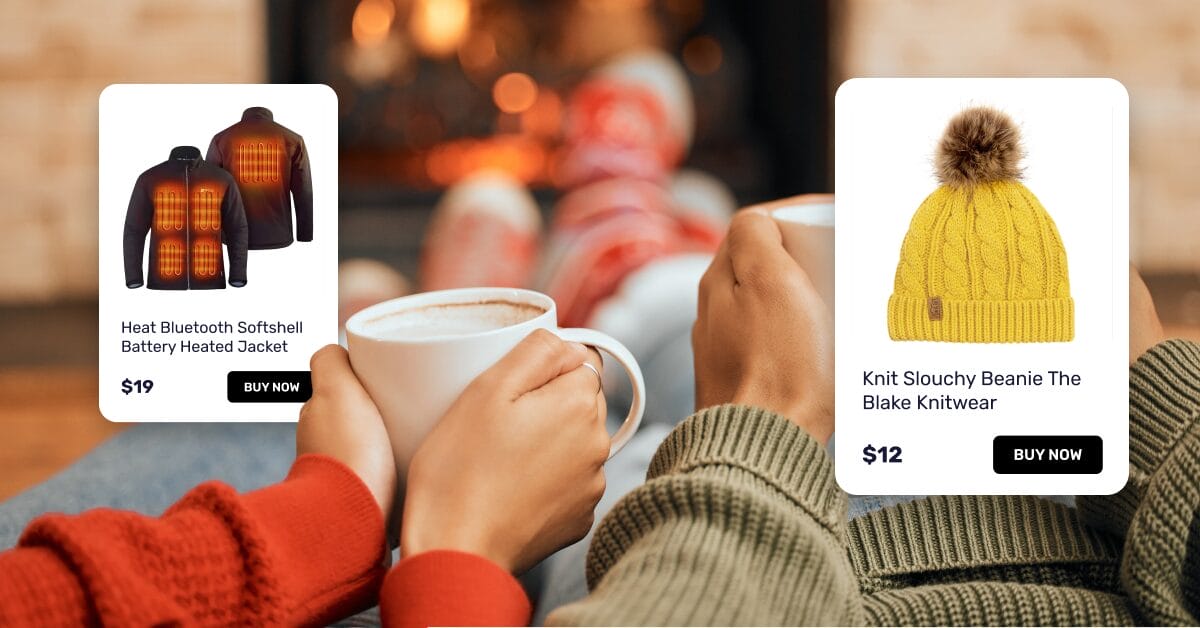
Finding the best products to dropship in winter starts with a simple question: what gets annoying when the temperature drops? Cold hands on your morning commute, an icy windshield, or a dog who refuses to step outside can all point you toward a useful product. You’re looking for everyday problems that customers want solved.
And winter demand doesn’t end at Christmas. Gift shopping has a deadline; staying warm doesn’t. Depending on your target region, cold-weather needs can start in early fall and continue well after the decorations come down. The trick is matching your products to the weather your customers actually experience.
In this guide, I’ll walk you through 25+ winter dropshipping products, grouped by the needs they address, from home warmth to pet comfort. You’ll also learn how to compare categories, validate seasonal interest, and find suppliers, with AutoDS helping you manage sourcing and everyday store operations.
Winter demand goes beyond Christmas: practical cold-weather needs can keep products relevant after holiday shopping ends.
Choose products that fit your audience: explore 28 ideas across home, apparel, automotive, wellness, hobbies, pets, and kids.
Target by climate and timing: validate regional interest before promoting snow gear or other weather-dependent products.
Check the full cost of selling: shipping, sizing, returns, and safety requirements matter as much as the supplier price.
Use AutoDS to simplify operations: research products, import listings, monitor price and stock, and automate eligible orders.
How to Choose a Winter Product Worth Dropshipping
A snowflake on the packaging doesn’t make something a winter bestseller. Before adding a product to your store, I’d check four things: who needs it, where they live, what it costs to deliver, and what could go wrong after it arrives.
- Look for weather-driven demand. An ice scraper solves a clear problem for someone parking outside in a snowy region. That same pitch won’t land everywhere. Check seasonal search interest in your target location and distinguish practical cold-weather needs from products that simply look cozy. Avoid running one nationwide campaign for snow gear without checking which regions actually need it.
- Calculate beyond the supplier price. Get shipping quotes for the product’s packed weight and dimensions, then factor in fees and a realistic allowance for returns. Bulky heaters can be expensive to deliver; boots and jackets need accurate sizing information. Ask suppliers where returns go and who pays for faulty items before setting your selling price.
- Treat safety as a selection filter. For electric blankets, heated clothing, and other powered products, request model-specific test documentation and verify the requirements for your destination market. Check voltage, plugs, instructions, and relevant safety features. For U.S. sales, the CPSC’s seller guidance is a useful starting point for identifying your responsibilities. A supplier’s “safe” badge isn’t enough.
- Find a natural bundle opportunity. Think gloves plus a matching beanie, or an ice scraper paired with a snow brush. The items should serve the same customer and make sense together. Confirm whether your supplier can ship the bundle in one package, because separate delivery charges can eat into the extra revenue.
🆕 Beginner’s Tip: Start with a small, manageable range. Order samples before investing in ads, and check materials, packaging, sizing, and delivery time yourself. For electrical products, a sample helps you assess the customer experience, but it doesn’t replace proper safety documentation.
Best Winter Dropshipping Products by Category
The best dropshipping winter products solve specific problems, whether that’s a drafty bedroom, frozen fingers, or muddy paw prints across the kitchen. I’ve grouped these ideas by customer need so you can find products that belong in your store and compare the work involved in selling them.
Home Heating & Warmth
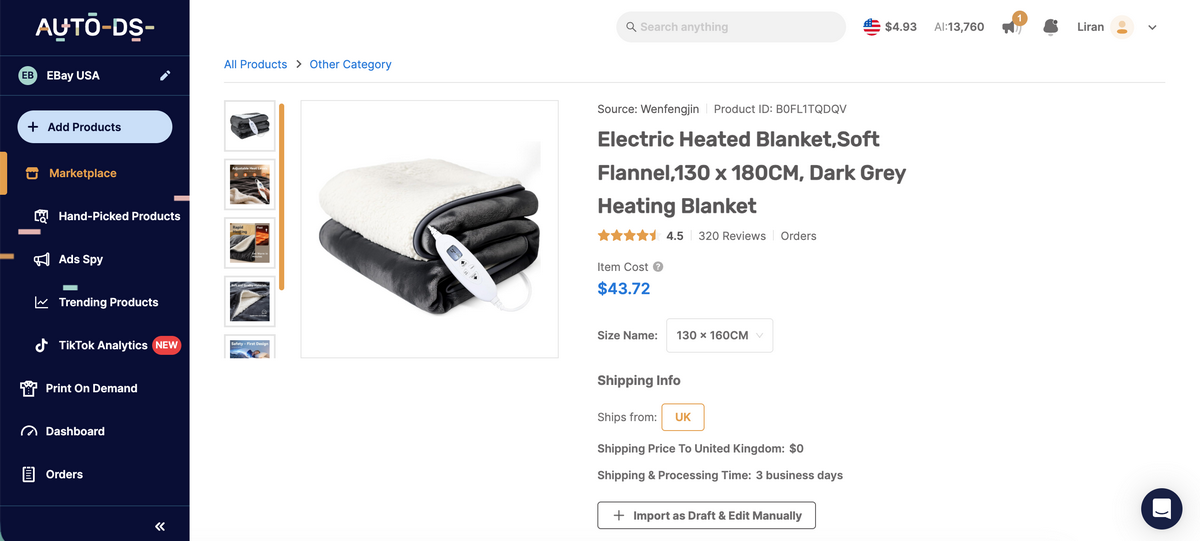
For this category, lead with everyday comfort: a warmer movie night, a less drafty doorway, or a more comfortable home office. Keep energy-saving claims specific and supported. A product that adds warmth doesn’t automatically lower someone’s heating bill.
1. Heated Electric Blankets
An electric blanket brings adjustable warmth to the couch or reading chair, giving you a clear product demonstration: plug it in, choose a setting, and settle down. Make the features easy to compare, including blanket dimensions, cord length, controls, and care instructions.
- Best-fit customer: Adults looking for extra warmth while relaxing at home.
- Selling angle: Adjustable comfort for reading, watching TV, or winding down after work.
- Before you list: Verify model-specific safety documentation, temperature controls, automatic shutoff, and warranty terms. Check recalls for the exact brand and model, too. Recent CPSC recalls show why supplier screening matters in this category.
2. Fleece and Sherpa Throws
For a simpler starting point, fleece and sherpa throws offer cozy appeal without electrical components. Texture does much of the selling here. Close-up photos and a short video showing the blanket’s actual thickness are more useful than another vaguely luxurious product description.
- Best-fit customer: Homeware shoppers looking for an extra layer for the sofa or an adult’s bed.
- Selling angle: Everyday comfort in colors that fit the customer’s room.
- Before you list: Order a sample and check shedding, stitching, softness after washing, and packed shipping dimensions. Show the measurements clearly so a small throw doesn’t arrive looking like an unexpectedly expensive scarf.
3. Door Draft Stoppers
Draft stoppers address a specific annoyance: cold air coming through a gap beneath the door. They’re a practical addition to a home essentials catalog, especially when you demonstrate the fit and installation. The U.S. Department of Energy identifies sealing air leaks as a way to improve comfort and reduce energy waste, although results depend on the home and the solution used.
- Best-fit customer: Shoppers dealing with noticeable drafts around doors.
- Selling angle: A straightforward fix for an uncomfortable spot in the home.
- Before you list: Check door-width compatibility, the gap size covered, and whether the stopper works over carpet or hard flooring. For adhesive versions, test attachment and removal before describing them as renter-friendly.
4. Compact Electric Space Heaters
A compact heater can appeal to someone who wants extra warmth in a chilly room. However, this is a higher-responsibility product, with more to verify than appearance or heat settings. I’d consider it only with a supplier that provides reliable documentation and a clear process for defects and returns.
- Best-fit customer: Adults seeking supplemental warmth in an appropriate indoor space.
- Selling angle: Clearly specified heat output, adjustable settings, and convenient controls.
- Before you list: Verify electrical compatibility, safety testing, overheat protection, and tip-over shutoff. Describe room coverage accurately and include the manufacturer’s usage instructions. Avoid overnight-use imagery: the U.S. Fire Administration advises turning space heaters off before going to bed or leaving the room.
Winter Apparel & Footwear
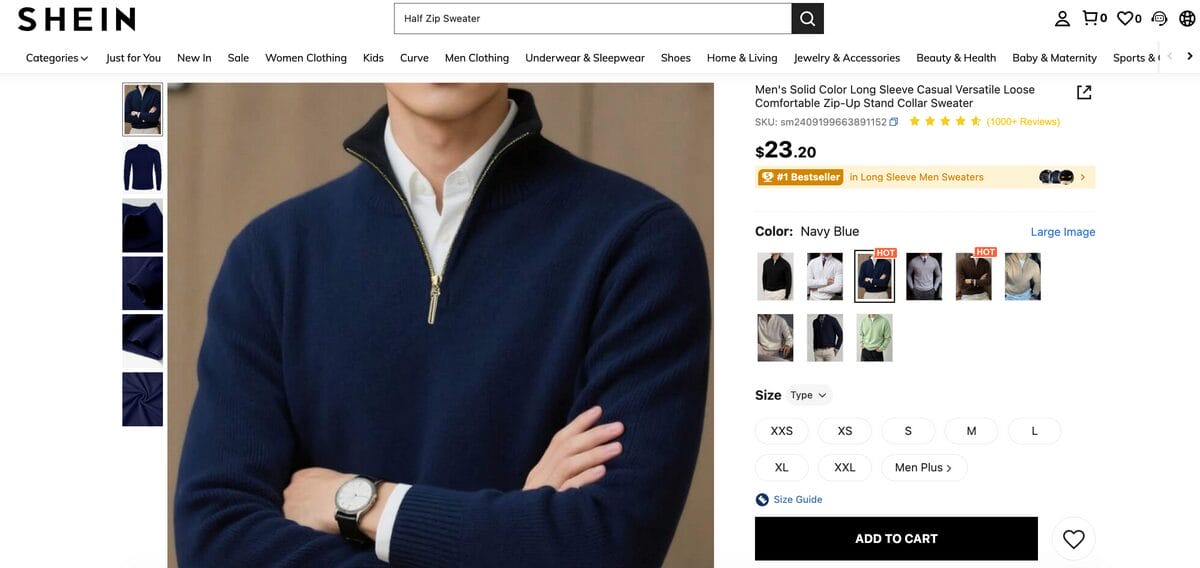
Winter clothing gives you several ways to serve the same customer, from everyday layers to gear for snowy commutes. Choose a clear use case instead of building a random collection of warm-looking clothes. A hoodie for lounging and boots for icy sidewalks need very different product descriptions.
5. Hoodies and Sweatshirts
Hoodies and sweatshirts can fit a winter collection without relying on Christmas graphics. Think fleece-lined styles, heavier fabrics, and colors customers can wear beyond December. Sell the fit and feel, with photos that show how the garment sits on a real person.
- Best-fit customer: Shoppers looking for casual layers for errands, working from home, or relaxed weekends.
- Selling angle: A comfortable everyday staple, with optional matching sweatpants or niche-specific designs.
- Before you list: Check fabric composition, weight, shrinkage, and fleece shedding. Include garment measurements and the model’s size rather than relying on “true to size.”
6. Insulated Winter Boots
Winter boots address cold, wet commutes and outdoor errands, but customers need to understand exactly what they’re buying. Specific features beat vague winter promises: lining material, closure type, boot height, and verified water resistance help shoppers judge whether a pair suits their routine.
- Best-fit customer: People living in cold or snowy regions who need practical everyday footwear.
- Selling angle: Warmth and weather protection for the walk to work, school drop-off, or daily errands.
- Before you list: Verify sizing with samples and provide the supplier’s foot-length chart. Distinguish water-resistant from waterproof, and avoid promising slip-proof performance on ice. Factor bulky packaging and size exchanges into your pricing.
7. Touchscreen Gloves
Taking off your gloves to answer a message is a small winter frustration with an easy-to-show solution. A short video demonstrating the touchscreen fingertips makes the benefit immediately visible, without needing an elaborate sales pitch.
- Best-fit customer: Commuters, dog walkers, and shoppers who use their phones outdoors.
- Selling angle: Handle quick phone tasks while keeping your hands covered.
- Before you list: Test touchscreen responsiveness on different devices, including screens with protectors. Check finger length, seam comfort, and grip. Thin knit gloves shouldn’t be advertised as suitable for extreme cold simply because they work with a phone.
8. Thermal Base-Layer Sets
Thermal tops and bottoms work underneath everyday clothing or outdoor gear, making them useful for customers who prefer layering to wearing one bulky garment. Match the fabric to the activity: someone sitting in a chilly office has different needs from someone hiking uphill.
- Best-fit customer: Cold-weather commuters, outdoor workers, and recreational walkers.
- Selling angle: An extra layer of warmth that fits beneath the clothes customers already wear.
- Before you list: Check fabric composition, stretch, seam placement, and opacity. Only use moisture-wicking or temperature-rating claims when the supplier can substantiate them, and confirm whether shoppers can choose different top and bottom sizes.
📦 Supplier’s Tip: Ask for measurements by variant. A size chart copied across several suppliers can create avoidable returns. Use the measurements for the exact garment you’re selling, and explain whether the chart shows body or clothing dimensions.
Automotive & Winter Safety
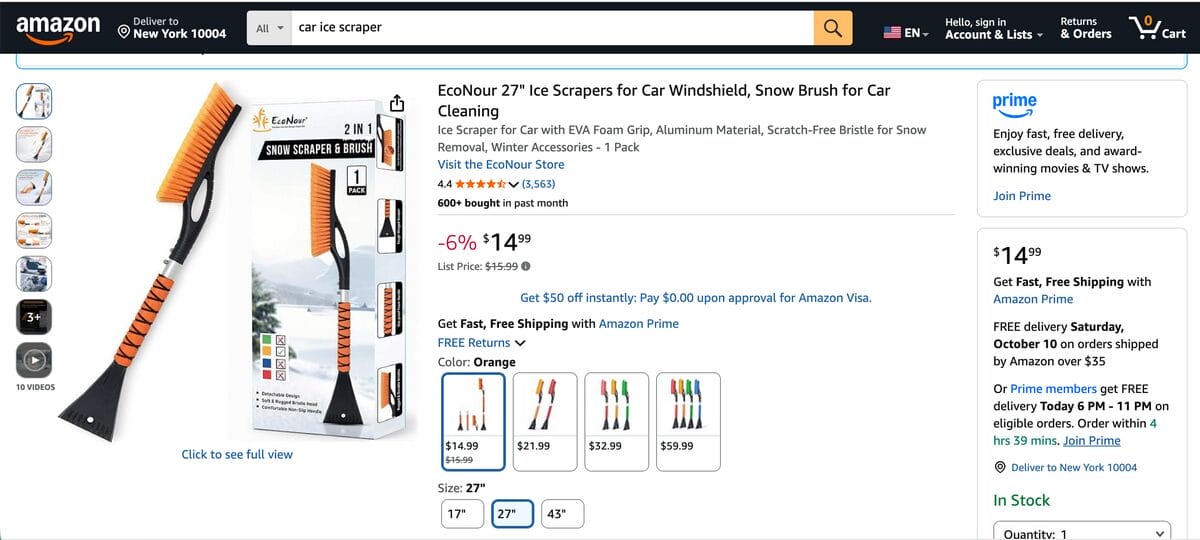
For this category, location matters more than seasonal aesthetics. Focus on drivers dealing with frost, snow, and cold starts. FHWA reports that freezing precipitation was present in 18% of weather-related crashes in its 2019–2023 averages. That provides context for winter preparedness, though it doesn’t mean a particular accessory prevents accidents.
9. Ice Scrapers and Snow Brushes
An icy windshield is a very specific morning problem, which makes the product pitch refreshingly straightforward. Show the tool doing its job, including how far the handle extends and how easily it stores in the car.
- Best-fit customer: Drivers who park outdoors in frost-prone or snowy regions.
- Selling angle: A practical tool for clearing frost and snow before the morning commute.
- Before you list: Check blade quality, handle strength, grip comfort, and brush construction. Confirm which surfaces each part is intended for, and avoid unsupported “scratch-proof” claims.
10. Windshield Frost Covers
A windshield cover gives customers a way to prepare before an overnight frost. The most useful demonstration shows installation, coverage, and removal on an actual vehicle. Make compatibility obvious, because “universal fit” can leave plenty of room for disappointment.
- Best-fit customer: Commuters without covered parking who regularly wake up to frosted windshields.
- Selling angle: Cover the windshield ahead of cold weather to simplify the morning routine.
- Before you list: Provide exact dimensions, explain the fastening system, and test how securely the cover stays attached. Check water resistance and whether it folds into a manageable storage pouch.
11. Portable Car Jump Starters
Cold weather reduces battery power while gasoline and diesel engines need more power to start, according to NHTSA’s winter guidance. A portable jump starter addresses that situation, but technical compatibility comes before convenience. This is a product I’d reserve for a supplier that can answer detailed questions and support faulty units.
- Best-fit customer: Drivers seeking a backup starting device compatible with their vehicle.
- Selling angle: Portable preparedness, supported by clear instructions and verified specifications.
- Before you list: Confirm supported battery voltage, engine compatibility, operating and storage temperatures, and protection features. Verify battery shipping documentation and carrier acceptance for your delivery routes. Don’t assume compatibility with every hybrid or electric vehicle.
12. All-Weather Car Floor Mats
Snowy shoes bring slush, grit, and moisture into the car. All-weather mats give you an everyday convenience angle: make the mess easier to manage. Demonstrate removal and cleaning, with close-ups of the edges and surface texture.
- Best-fit customer: Drivers in wet or snowy climates, particularly families and frequent commuters.
- Selling angle: Removable protection for vehicle carpeting during messy weather.
- Before you list: Verify vehicle fit, retention points, material flexibility, and packed shipping weight. Driver-side mats must stay secure and clear of the pedals. Avoid calling a set universal unless its compatibility and installation limits are clearly explained.
Skin & Home Wellness
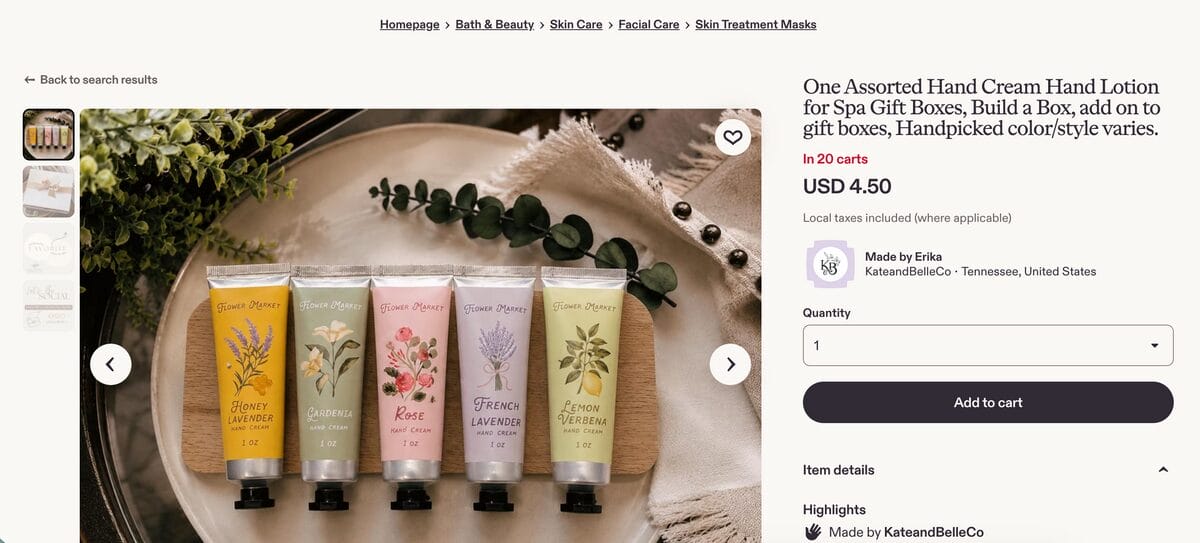
Winter can bring dry skin, chapped lips, and uncomfortable indoor air. The American Academy of Dermatology explains that cold outdoor air and dry indoor conditions can disrupt the skin barrier, giving this category a practical use beyond holiday gifting. Keep your listings focused on supported cosmetic benefits and everyday comfort.
13. Moisturizing Hand Creams
Hand cream fits naturally into a winter routine: a tube beside the sink, another in a work bag. For a skincare store, texture and portability make useful selling points, especially when your photos show the packaging size and how the cream spreads.
- Best-fit customer: Shoppers whose hands feel dry during colder weather or after frequent washing.
- Selling angle: Convenient daily moisturizing at home, at work, or on the go.
- Before you list: Verify the full ingredient list, product origin, batch traceability, shelf life, and storage instructions. Check packaging for leaks, and use claims such as “fragrance-free” only when the formula supports them.
14. Lip Balm Multipacks
Lip balm is small enough to carry everywhere and somehow still disappears when needed. Multipacks offer a practical bundle angle: one for the coat pocket, one for the desk, and a backup. The AAD recommends non-irritating lip products, so don’t assume a tingling sensation is a benefit.
- Best-fit customer: Shoppers looking for a portable addition to their cold-weather skincare routine.
- Selling angle: Everyday lip care in a convenient set, with clearly described formulas and scents.
- Before you list: Check ingredients, seals, shelf life, and temperature-sensitive storage requirements. Avoid adding SPF, medicated, or healing claims unless the exact product is appropriately documented for your market.
15. Compact Cool-Mist Humidifiers
A humidifier adds moisture to dry indoor air, but the best product page explains more than how pretty the mist looks. Make daily maintenance part of the pitch by showing how the tank opens, fills, and cleans. EPA guidance emphasizes regular cleaning and fresh water to reduce microorganism buildup.
- Best-fit customer: Adults looking to manage dry air in a bedroom or home office.
- Selling angle: Adjustable mist output, accessible cleaning, and a footprint that suits the intended space.
- Before you list: Verify room coverage, tank capacity, noise claims, electrical documentation, and replacement-filter availability where applicable. Check for leaks and clear cleaning instructions. Don’t bundle essential oils unless the manufacturer explicitly permits their use.
16. Digital Indoor Hygrometers
A digital hygrometer displays relative humidity, often alongside temperature, giving customers a way to understand their indoor conditions. It’s a natural companion to a humidifier, particularly when the humidifier doesn’t have a reliable built-in humidity display.
- Best-fit customer: Homeowners and renters who want to monitor humidity in rooms they use regularly.
- Selling angle: An easy-to-read display that helps users track changes instead of guessing whether the air is dry.
- Before you list: Check the stated accuracy, measurement range, update interval, and battery type. Compare samples against a trusted reference, and explain placement according to the manufacturer’s instructions. Avoid presenting a basic sensor as a medical device or mold detector.
Indoor Comfort & Hobbies
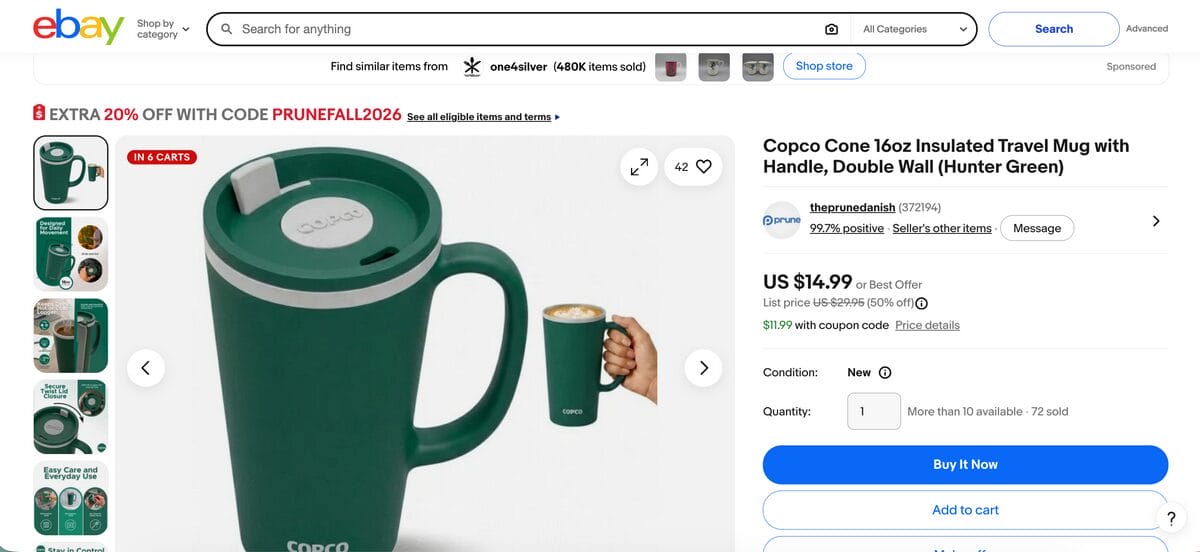
This category gives you a winter angle for products that customers can use throughout the year. Think warm drinks, a reading corner, or a project for a quiet evening. Sell a specific way to unwind, with seasonal photography and bundles that fit naturally into your existing catalog.
17. Insulated Mugs and Tumblers
An insulated mug belongs on a chilly commute just as easily as it does beside a laptop. Show how it fits everyday routines, including its size in someone’s hand, the lid mechanism, and whether it fits a standard car cup holder.
- Best-fit customer: Commuters, home-office workers, and shoppers who like taking hot drinks along.
- Selling angle: A reusable everyday mug with a practical shape and a clearly explained lid design.
- Before you list: Verify food-contact documentation for your market, care instructions, and any heat-retention claims. Test the lid and distinguish splash-resistant from leakproof. Only advertise dishwasher compatibility if the manufacturer confirms it.
18. Jigsaw Puzzles
Puzzles give customers a screen-free activity for evenings indoors, with room to specialize by artwork, difficulty, or audience. Choose a recognizable niche, such as botanical illustrations, travel scenes, or original fantasy art, rather than filling your store with unrelated designs.
- Best-fit customer: Adults who enjoy quiet hobbies, couples looking for an at-home activity, and puzzle enthusiasts.
- Selling angle: An enjoyable project with artwork that customers will want to spend time looking at.
- Before you list: Check print quality, piece fit, finished dimensions, and packaging durability. Confirm that the artwork is licensed for the product, and ask how the supplier handles missing pieces.
19. Beginner Embroidery Kits
A small embroidery project gives shoppers something creative to do indoors, with a finished piece to show for it. For beginners, clear instructions are part of the product. A beautiful listing won’t help much if the customer opens the box and has no idea where to start.
- Best-fit customer: Adult craft beginners and shoppers looking for a manageable creative hobby.
- Selling angle: A complete starter project with an approachable design and guided instructions.
- Before you list: Check that the kit includes every advertised component, enough thread, and readable instructions in the customer’s language. Verify needle packaging and describe the difficulty honestly. Keep adult needlework kits separate from children’s craft products.
20. Rechargeable Reading Lights
A compact reading light suits customers who want focused illumination for a book without switching on the main room light. Demonstrate the details readers care about: how the clip attaches, whether the neck holds its position, and how the brightness settings look on a page.
- Best-fit customer: Evening readers and shoppers building a comfortable reading corner.
- Selling angle: Adjustable light in a portable format that clips onto a book or suitable surface.
- Before you list: Verify battery documentation, charging requirements, clip strength, and runtime at different brightness levels. Explain what charging accessories are included, and avoid unsupported “eye-protection” claims.
📢 Marketing Tip: Build bundles around a real routine. A reading light and insulated mug can make a coherent “evening reading” offer. Photograph them together, explain what’s included, and check combined shipping costs before setting the bundle price.
Pet Winter Products
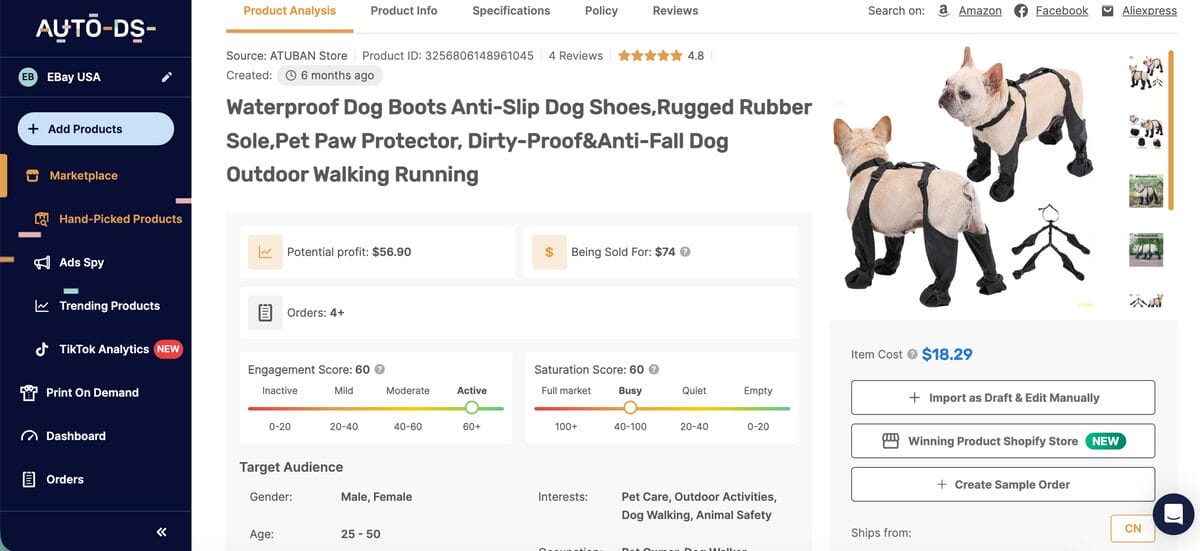
Pet products work best when the cute factor comes with a practical benefit. Match the product to the animal, rather than suggesting every pet needs the same winter wardrobe. Veterinary guidance notes that coats and boots can help some dogs, particularly short-haired, slender, or older dogs, during cold-weather outings.
21. Insulated Dog Coats
A dog coat can add warmth for pets that need it during outdoor walks. For your listing, movement matters as much as appearance: show the dog walking comfortably, with clear views of the chest fastening and harness opening.
- Best-fit customer: Owners of dogs that are sensitive to cold and comfortable wearing clothing.
- Selling angle: An easy-to-put-on layer for everyday winter walks.
- Before you list: Provide chest, neck, and back measurements instead of breed-only sizing. Check freedom of movement, fastening strength, washability, and harness compatibility. Distinguish water-resistant fabric from verified waterproof construction.
22. Dog Booties
Dog booties offer a barrier between paws and cold, icy, or salted surfaces, but fit can make or break the purchase. Include a paw-measuring guide and realistic footage of a dog wearing the boots. Veterinary guidance emphasizes proper fit and giving dogs time to get used to them.
- Best-fit customer: Owners walking dogs on wintry sidewalks, provided their pets tolerate footwear.
- Selling angle: Practical paw coverage with adjustable fastenings and clearly described sole materials.
- Before you list: Check paw-width measurements, flexibility, closure security, and the number of boots included. Explain whether front and rear paws may need different sizes. Avoid promising slip-proof performance on ice.
23. Washable Fleece Pet Blankets
A fleece blanket gives pets a familiar resting layer on a bed or sofa and gives owners something easy to wash. Lead with size and everyday usability, showing how much space the blanket actually covers beside a pet.
- Best-fit customer: Dog and cat owners looking for a washable layer for indoor resting spots.
- Selling angle: A soft, portable blanket that can move between a pet’s favorite places.
- Before you list: Test shedding, stitching, color transfer, and performance after washing. Avoid loose decorative elements, and don’t describe the blanket as chew-proof or suitable for every pet.
24. Absorbent Pet Drying Towels
Wet walks don’t have to end with a trail of paw prints through the house. A dedicated drying towel offers a simple post-walk cleanup angle, with usefulness that extends into rainy seasons and bath time.
- Best-fit customer: Dog owners dealing with wet fur and muddy paws after outdoor trips.
- Selling angle: A washable towel kept near the door for the return-from-walk routine.
- Before you list: Check absorbency, drying time, fabric durability, and dimensions. If the towel includes hand pockets, demonstrate how they work. Use realistic cleanup footage rather than unsupported “instant-dry” claims.
Kids’ Winter Products
Parents need winter gear that fits, holds up to washing, and doesn’t turn getting dressed into a negotiation. Prioritize practical details over decorative extras, and verify the requirements for the exact product and age group. For U.S. sales, check applicable testing, Children’s Product Certificate, and tracking-label requirements before choosing a supplier.
25. Fleece-Lined Mittens
Mittens make a useful addition to a child’s winter collection, especially when the design is easy for parents to put on. Show the opening and fastening clearly, alongside measurements that help shoppers choose a comfortable fit.
- Best-fit customer: Parents buying everyday cold-weather accessories for preschool and school-age children.
- Selling angle: Warm lining, manageable fastenings, and simple care instructions.
- Before you list: Check hand-length and width measurements, lining attachment, and closure comfort. Distinguish ordinary fleece mittens from waterproof snow mittens, and avoid long connecting cords or loose decorative pieces.
26. Kids’ Fleece Jackets
A fleece jacket offers a layer for chilly school mornings and outdoor outings. Demonstrate room for comfortable movement, with photos showing the jacket over the type of clothing a child would normally wear underneath.
- Best-fit customer: Parents looking for a washable everyday layer for their children.
- Selling angle: Lightweight warmth with easy closures and useful pockets.
- Before you list: Check zipper operation, seam quality, pilling, and measurements after washing. Choose designs without hood or neck drawstrings; CPSC identifies these as a strangulation hazard in specified children’s outerwear sizes.
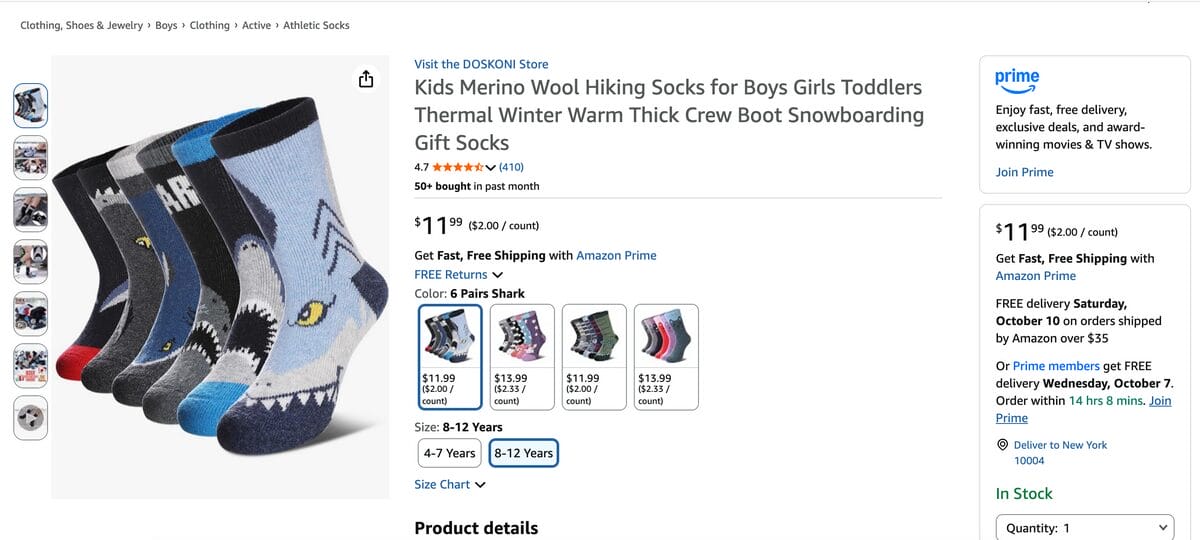
27. Children’s Thermal Socks
Thermal socks can complement a kids’ footwear or clothing collection without taking up much shipping space. Multipacks make the offer practical, particularly for families who want spare pairs for school days and winter outings.
- Best-fit customer: Parents shopping for warmer everyday socks for children.
- Selling angle: Clearly labeled sizes, comfortable seams, and enough pairs to rotate through the wash.
- Before you list: Verify fiber composition, foot-length ranges, cuff stretch, and shrinkage. Show the thickness so parents can judge whether the socks will fit inside existing shoes. Avoid unsupported temperature ratings or circulation claims.
28. Insulated Snow Pants
Snow pants serve a more specific audience than everyday winter layers: children spending time in snowy conditions. That makes regional targeting especially important. Show the garment bending, sitting, and fitting over boots so parents can assess more than its color.
- Best-fit customer: Families in snowy regions and parents preparing for a winter trip.
- Selling angle: Practical coverage for outdoor snow play, with adjustable fit where the design allows.
- Before you list: Verify waist, inseam, and overall measurements, plus closure durability and reinforced areas. Support waterproof claims with product documentation, and explain whether seams are sealed. Make return terms easy to find because fit can be difficult to judge online.
Which Winter Category Fits Your Store
The right category depends on what your store can support, from sizing questions to electrical-product returns. I’d start with the audience you already serve, then compare shipping complexity and the costs that could eat into each sale.
The price bands below are illustrative selling-price ranges to explore, not verified supplier quotes or market averages. Actual pricing and margins depend on the specific product, destination, and supplier.
| Category | Selling price to explore (USD) | Shipping / QC difficulty | Margin considerations | Best store type |
|---|---|---|---|---|
| Home Heating & Warmth | 15–80 | Low–medium for draft stoppers and throws; high for electrical products | Simple accessories offer bundling opportunities; bulky shipping and electrical defects can reduce profit | Home essentials and comfort stores |
| Winter Apparel & Footwear | 15–100 | Medium–high: sizing, fabric consistency, and footwear shipping | Room to differentiate through fit and style; exchanges and returns need a budget | Fashion, outdoor, and niche apparel stores |
| Automotive & Winter Safety | 10–120 | Low–medium for scrapers; high for battery products and vehicle-specific items | Low-ticket tools may need bundles; jump starters require more support and defect allowance | Automotive accessory stores |
| Skin & Home Wellness | 8–60 | Medium–high: cosmetic documentation, leakage, shelf life, and electrical QC | Multipacks can improve order economics; small single-item orders leave less room for paid ads | Beauty, personal care, and home wellness stores |
| Indoor Comfort & Hobbies | 15–50 | Low–medium: packaging, missing components, and battery checks where relevant | Niche designs and thoughtful bundles can support pricing; factor in replacements | Hobby, reading, craft, and lifestyle stores |
| Pet Winter Products | 10–60 | Low–medium: sizing, seams, washability, and material durability | Matching products offer bundle potential; coats and booties need a sizing-return allowance | Pet stores with an existing customer niche |
| Kids’ Winter Products | 10–80 | Medium–high: age-specific requirements, sizing, and durability | Multipacks can help, but documentation and size exchanges add costs | Established children’s clothing stores |
For a first seasonal test, start with products you can inspect easily, such as draft stoppers, throws, or pet towels. Electrical products and children’s goods require more supplier verification, so make sure your sourcing process can support them before expanding.
To calculate a product’s gross margin, subtract its landed product cost from the selling price, divide by the selling price, and multiply by 100. Here, landed cost includes the item, supplier shipping, and applicable import costs. Advertising, payment fees, returns, and store overhead still need to come out before you know your net profit.
How to Find Winter Best-Sellers for Your Store
A product list gives you ideas; research helps you decide which ones deserve a test. I’d look for several signals pointing in the same direction: relevant seasonal interest, a workable supplier offer, and a clear reason for customers to choose your listing.
Using the AutoDS Hand-Picked Products Hub
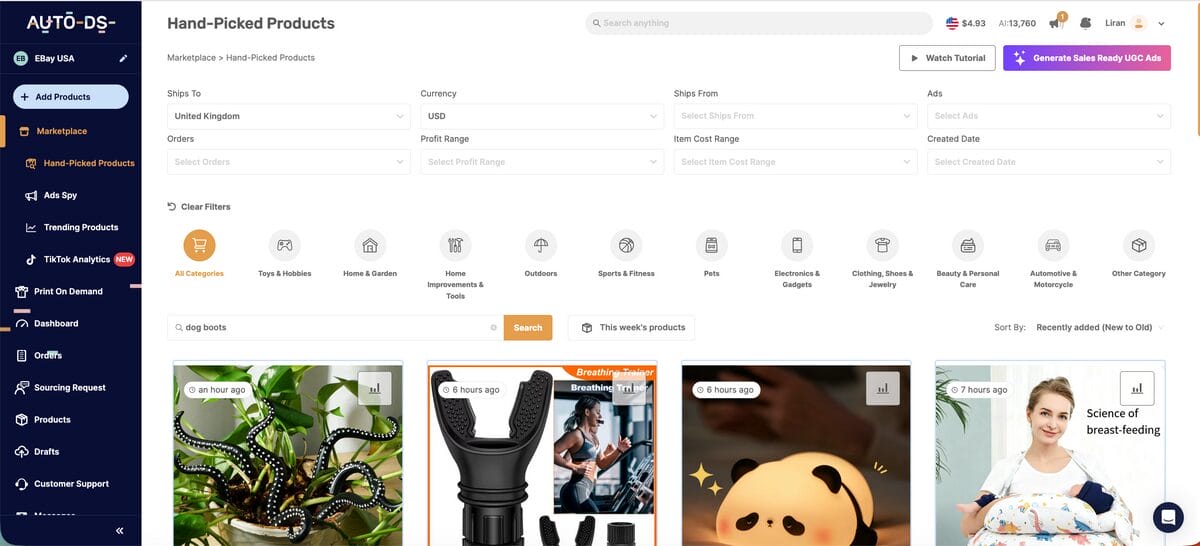
Start with the AutoDS Hand-Picked Products Hub to build a shortlist. AutoDS curates products to help reduce the time spent searching, giving you a starting point for your own evaluation.
For winter, evaluate each candidate against your market. A promising heated accessory still needs suitable delivery times, documentation, and pricing for the customers you plan to reach.
- Check the use case: Which cold-weather problem does it solve?
- Review the offer: Can you compete through clearer information, a useful bundle, or a better presentation?
- Calculate the costs: Include shipping, fees, advertising, and likely returns.
- Validate the supplier: Confirm the exact variant, destination coverage, and sample quality before importing.
Google Trends for Seasonal Timing Validation
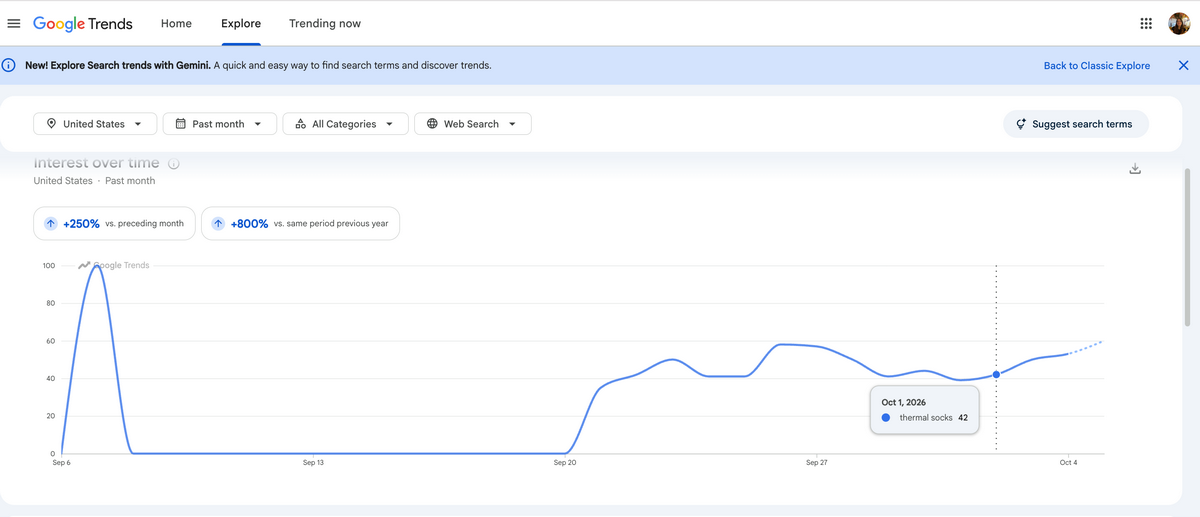
Use Google Trends to see when interest starts building in your target market. Compare specific terms such as “windshield frost cover” or “thermal socks,” rather than relying only on a broad phrase like “winter products.”
- Choose your target country and review several years to look for recurring seasonal patterns.
- Inspect the recent period to see whether interest is beginning to rise.
- Compare regional interest to identify locations worth investigating.
- Work backward from demand, allowing time for samples, listings, creative production, and delivery.
Google Trends measures relative search interest, not sales. Its normalized scale doesn’t tell you how many units a product will sell, and a region with higher relative interest doesn’t necessarily have more total searches. Use it to inform timing and targeting, then validate with your own store results.
AliExpress Dropshipping Center
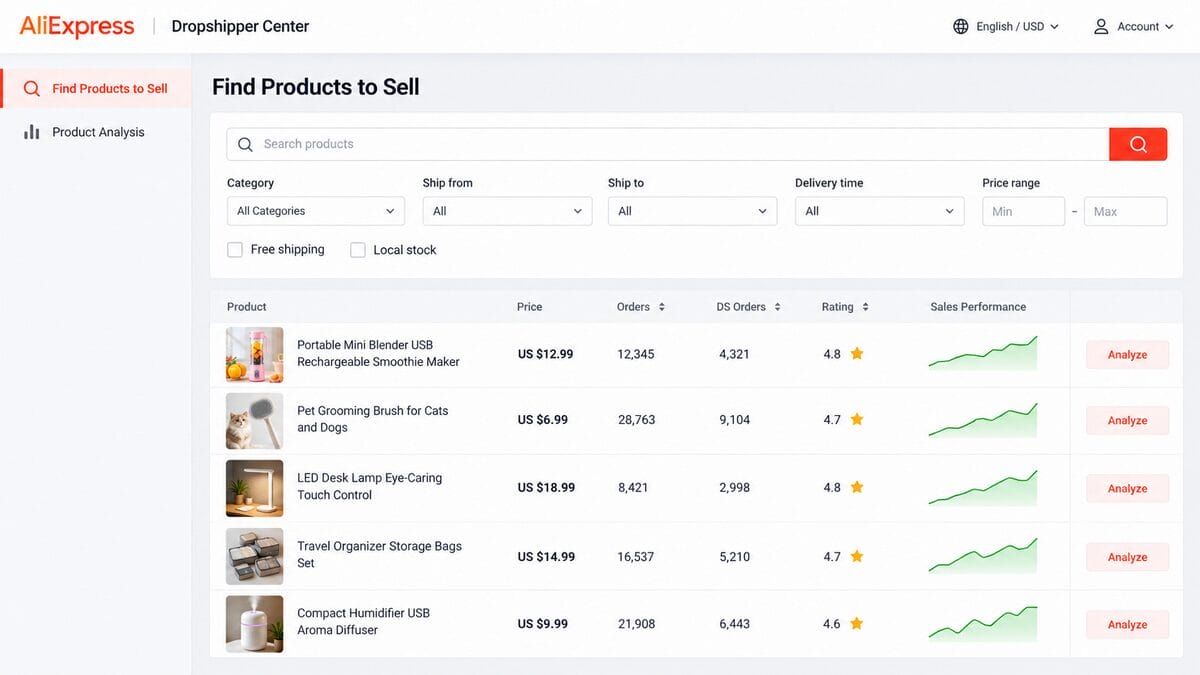
The AliExpress Dropshipping Center can help you discover product candidates and examine available product-performance information. For winter research, use it to compare several listings for the same need, rather than choosing the first cheap option you find.
Check the exact variant’s price, shipping offer to your destination, recent reviews, and customer photos. Read complaints for recurring patterns: inconsistent glove sizing, leaking humidifiers, or missing puzzle pieces can reveal costs that the supplier price doesn’t show. Ask the seller about anything unclear and place a sample order before committing.
Spying on Competitor Listings and Ads
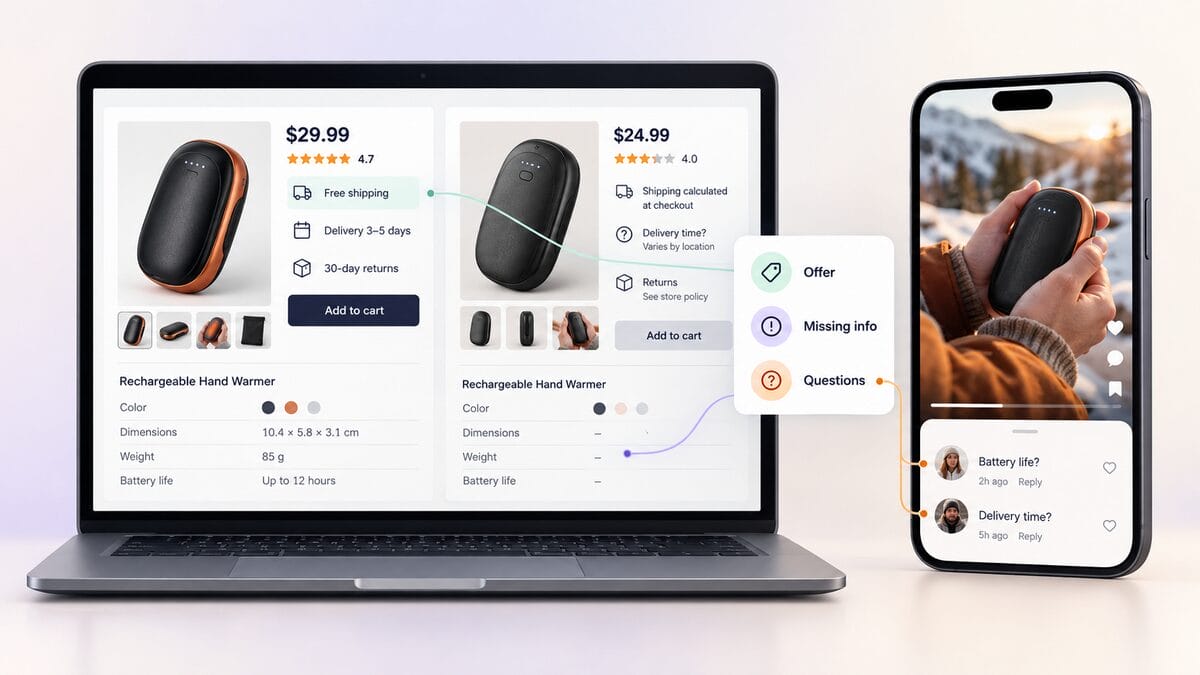
Competitor research helps you understand how other sellers present the product. Study their listings and publicly visible ads for the problem they lead with, the demonstration they use, and the questions shoppers keep asking.
- Compare the complete offer: Price, shipping charges, delivery promises, bundles, and returns.
- Look for missing information: Measurements, compatibility, care instructions, or realistic product footage.
- Study customer objections: Questions and reviews can suggest what your listing needs to explain.
Treat visibility and engagement as clues. A popular ad doesn’t prove profitability, and copying another seller’s photos or creative introduces its own problems. Build an original demonstration around something you can genuinely show or explain better.
🔍 Research Tip: Keep a dated product shortlist. Record the target region, supplier quote, delivery estimate, search pattern, and your reason for testing each item. That makes it easier to spot when changing costs or seasonal timing weaken the opportunity.
Reliable Suppliers for Winter Dropshipping
A useful winter supplier needs more than an appealing catalog. Check the exact product and delivery route, including stock availability, documentation, and how the supplier handles defects. These sourcing options give you a focused starting point.
| Supplier or sourcing option | Where to start | Pricing and conditions to check |
|---|---|---|
| AutoDS Marketplace and private suppliers | Compare products from private and retail suppliers within your existing AutoDS workflow. | Product costs, shipping, and return terms vary by supplier. Account for your AutoDS subscription and any applicable service charges separately. |
| AliExpress | Compare listings for winter accessories, hobby products, and pet essentials. | Check the selected variant’s price and shipping to your customer’s destination. Don’t build your margin around a temporary welcome discount. |
| Banggood | Explore its dropshipping program for home, electronics, and practical accessories. | The dropshipping program is free to join; products and applicable shipping still cost extra. Confirm warehouse availability and warranty terms for each item. |
| vidaXL products through dropXL | Explore home, garden, and pet categories that complement a seasonal catalog. | dropXL advertises a €30 monthly subscription. Check destination-specific product pricing, delivery conditions, and return costs before subscribing. |
AutoDS provides access to multiple sourcing options through its Marketplace. Banggood’s program and dropXL’s subscription offer different ways to source, so compare the total cost per order, not just the advertised item price.
Before choosing a supplier, get answers to these questions:
- Stock: Is the exact size, color, or model available in the stated warehouse?
- Delivery: What are the processing time and delivery estimate for your target postcode?
- Quality: Can the supplier provide relevant documentation and a sample?
- Returns: Where do faulty products go, who pays, and what evidence is required?
- Packaging: What branding, invoices, or promotional inserts will the customer receive?
If delivery speed is your main constraint, the fast dropshipping suppliers guide can help broaden your shortlist. Still, test the route yourself before advertising a delivery promise, and confirm that your sourcing arrangement fits your selling channel’s policies.
How to Automate Your Winter Dropshipping Store With AutoDS
Once you’ve chosen your products, the next challenge is keeping listings and orders under control. AutoDS brings sourcing, importing, monitoring, and fulfillment tools into one all-in-one dropshipping platform, helping you spend less time repeating tasks as your seasonal catalog grows.
Product Import at Scale

Use the AutoDS Product Importer to bring products from supported suppliers into your store, including bulk imports when you’re preparing a collection. This helps you build your winter catalog faster without copying each listing manually.
Before publishing, review the details customers rely on: sizes, materials, compatibility, delivery information, and care instructions. Organize products into useful collections such as “Cold-Weather Commute” or “Cozy Nights In,” and replace generic supplier copy with descriptions that explain the actual benefit.
Price & Stock Monitoring During Cold-Snap Demand Spikes
A sudden cold spell can make accurate availability especially important. AutoDS monitors supplier price and stock changes for supported products and updates connected listings according to your settings, helping reduce repetitive manual checks.
Set your pricing rules around your costs before promoting the collection. Check the correct warehouse and variants, especially for size-dependent products such as boots and dog coats. Monitoring helps you respond to changes, but it doesn’t reserve supplier inventory or guarantee that an item will remain available between updates.
Automatic Order Fulfillment
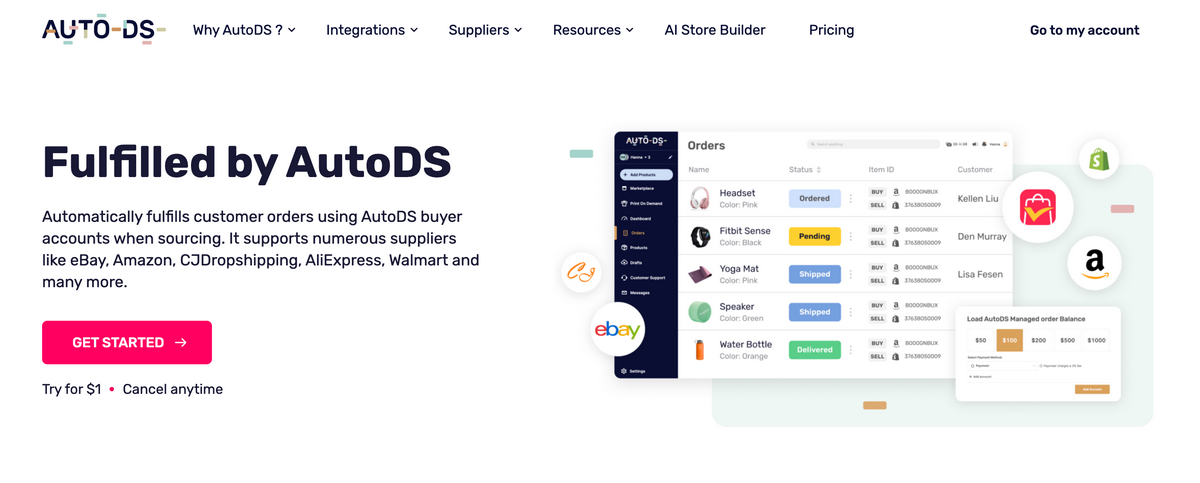
With Fulfilled by AutoDS, eligible orders can be placed through AutoDS buyer accounts, with tracking updates passed to your connected store when available. That means less manual order processing when several customers buy at once.
Before launching ads, confirm that your supplier, warehouse, and selling channel support your chosen workflow. Enable the required services, maintain sufficient order funding, and review applicable fees. Keep an eye on exceptions, including failed orders and delivery delays, so customers get a useful update before they have to ask.
Frequently Asked Questions
What winter products are in high demand right now?
Demand depends on where your customers live and the weather they’re experiencing. Thermal clothing, blankets, draft stoppers, ice scrapers, and pet coats are practical candidates to research for cold-weather markets in 2026. To identify what’s gaining interest right now, check recent regional search trends alongside marketplace activity and your own sales data. A seasonal product list alone doesn’t establish current demand.
When should I start selling winter products?
Start researching and ordering samples before cold-weather interest rises in your target region. For many Northern Hemisphere markets, late summer and early fall are useful preparation periods, with opportunities continuing beyond the Christmas dropshipping. Work backward from local demand patterns and your supplier’s delivery times, leaving room to test products and ads. Reverse the seasonal calendar for Southern Hemisphere markets.
Is seasonal dropshipping profitable?
Yes, seasonal dropshipping can be profitable, provided your selling price covers product costs, shipping, fees, advertising, returns, and overhead. Seasonal demand creates an opportunity, but late deliveries or expensive customer acquisition can erase the profit. I’d test a focused selection first and keep complementary year-round products available so the store doesn’t depend entirely on a short winter peak.
Are electronic winter products like heated blankets worth the return risk?
They can be worth considering when you have verified product documentation, consistent quality, and a supplier that handles defects reliably. Calculate whether your margin can absorb refunds, replacements, and return shipping before testing them. If you can’t verify the product or support customers after purchase, start with simpler alternatives such as fleece throws or draft stoppers.
Do I need to target winter products differently by region?
Yes. Snow brushes and insulated boots need different targeting from products suited to mild, rainy winters. Segment campaigns by relevant locations, adapt the creative to local conditions, and check whether delivery will arrive while the product is still useful. Avoid treating an entire country as one winter market, especially where climates vary widely.
How can I reduce quality issues with electric winter products?
Request test reports and applicable compliance documents for the exact model, verify the manufacturer, and check product recalls. Inspect samples for build quality, instructions, electrical compatibility, and everyday usability, but remember that a sample doesn’t replace safety testing. Agree on defect handling with the supplier and monitor customer complaints for recurring problems. Pause sales if a potential safety issue appears.
What’s the difference between winter products and Christmas or holiday products?
Winter products address needs created by cold weather, such as warmth, frost removal, and protection from wet conditions. Christmas and holiday products are tied more closely to celebrations, decorations, and gifting deadlines. Some items fit both categories, but functional winter products can remain relevant after the holidays wherever cold weather continues.
Conclusion
The best winter products solve everyday problems: cold hands, drafty rooms, frosted windshields, or a dog who treats the morning walk like an unreasonable request. Match those needs to your customers’ climate, and your collection can stay useful long after the holiday decorations disappear.
My advice? Start with one category you understand, order samples, and test a small selection before expanding. Check what each sale leaves after shipping, ads, and returns, then build on the products customers actually respond to. You don’t need all 28 ideas in your store to find a worthwhile opportunity.
When you’re ready to put that shortlist to work, you can try AutoDS for $1 and use its sourcing, importing, and automation tools to help manage your winter collection. That leaves you more time to improve your offers and take care of customers.
For your next steps, these guides can help you plan, price, and refine your catalog: