


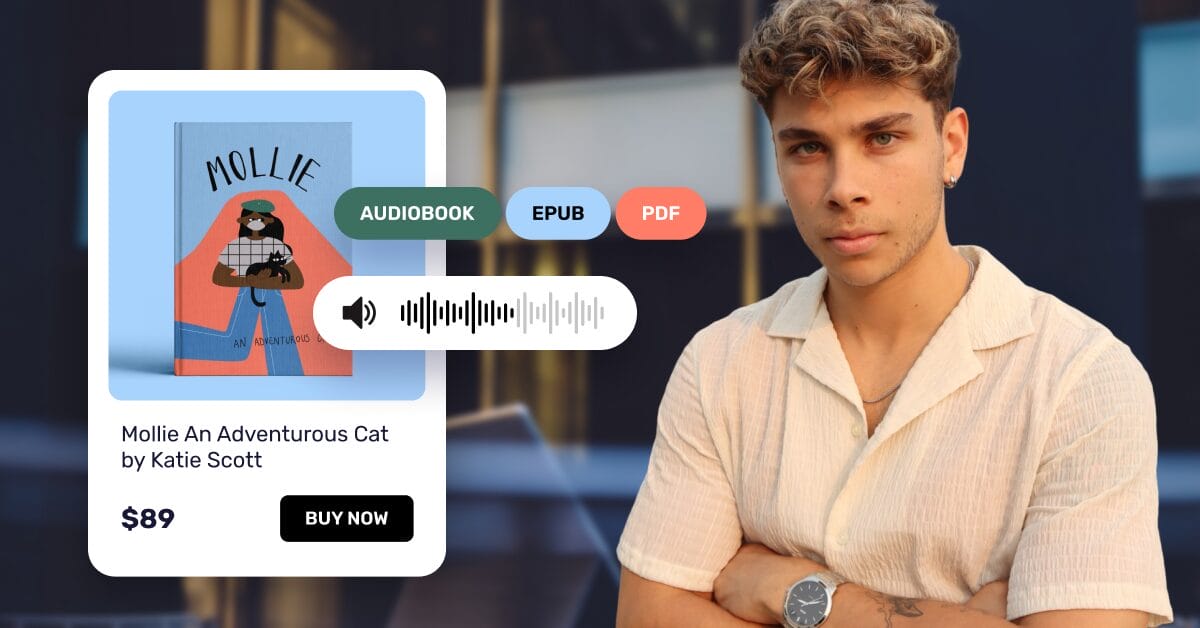
Digital dropshipping means selling products that are delivered digitally rather than shipped to someone’s door. Unlike physical dropshipping, there’s no package traveling from a supplier to your customer: the product itself lives online and can be delivered almost instantly.
That removes a pretty big chunk of the traditional dropshipping equation. No boxes to pack. No inventory taking up warehouse space. No customer refreshing a tracking page for the fifth time today. But it doesn’t remove the question that matters most: what are people actually willing to pay for?
A template might cost virtually nothing to deliver again, but that doesn’t make every template a business. The product still needs a reason to exist, an audience that wants it, and enough perceived value to earn the sale.
In this guide, I’ll take you through how digital dropshipping works, which digital dropshipping products are worth exploring in 2027, and how to choose, launch, and market the right ones. Nothing to pack? Great. Now let’s find something worth selling.
Zero logistics involved. Digital dropshipping is about selling products delivered entirely online, without physical inventory or shipping.
There are plenty of products to explore. Templates, ebooks, courses, software, and memberships are some of the main categories, with options ranging from Canva business kits to AI prompt packs and niche digital planners.
High margins and passive income possibilities. Digital products are created once and continue to sell over time. This lets you create revenue without constantly reinvesting.
Positioning is just as important as the product. Choosing the right niche, validating demand, and differentiating your offer is what turns a simple digital product into a consistent seller.
Hybrid strategies hit the sweet spot. Combining digital and physical products can help you scale your brand, diversify revenue streams, and build a more resilient store.
What Is Digital Dropshipping?
You’ve probably got the basic idea by now: digital dropshipping replaces the physical product with something that can be delivered online. But the easiest way to understand the model is to follow an order from checkout to customer.
Say you’re dropshipping a desk lamp. You don’t keep 200 lamps in your garage; the supplier holds the stock. When a customer buys one from your store, the order goes to that supplier, who picks, packs, and ships the actual lamp. You skip inventory handling, but there’s still a physical item making a very real trip to someone’s doorstep.
Now swap that lamp for a $15 budgeting template. There’s nothing for a supplier to pull from a shelf. Once the customer pays, the file or access link can be delivered automatically by email, download page, or the platform where you sell it. The same principle applies to eBooks, presets, digital art, courses, software, and other products that exist entirely online.
That’s the mechanical difference: physical dropshipping outsources inventory and shipping; digital dropshipping removes physical fulfillment from the equation altogether. No warehouse stock needs to be replenished, no package needs to cross the country, and selling the tenth copy of a file doesn’t require producing ten more of them.
Digital Dropshipping Product Types at a Glance
So, what can you actually sell when there’s nothing to put in a box? More than just eBooks and online courses. Digital products can solve a problem, teach a skill, provide a creative resource, power a task, or give customers ongoing access to something they value.
Here’s the bigger picture:
| Product Type | Where to sell | Price range | Margin Potential |
|---|---|---|---|
| Templates & Design Assets — Canva kits, social media templates, website templates | Etsy, Creative Market, Gumroad, your own store | $5–$100+ | High margin potential |
| Educational Content — online courses, ebooks, guides, printables | Gumroad, Udemy, Teachable, Etsy, your own store | $5–$500+ | High margin potential |
| Creative Assets — stock photos, video, music, audio, digital art | $1–$100+ · | Adobe Stock, Shutterstock, Etsy, Creative Market, your own store | Moderate to high margin potential |
| Tools & Software — AI prompt packs, apps, plugins, digital tools | Gumroad, app marketplaces, SaaS websites, your own store | $5–$100+/month or one-time | High margin potential |
| Recurring Content — memberships, premium resources, exclusive content | Patreon, Substack, membership platforms, your own store | $5–$100+/month | High recurring-revenue potential |
One thing jumps out pretty quickly: digital products can have attractive margins because you’re not paying to manufacture and ship another physical unit every time you make a sale. Create or license a template once, for example, and the same file can potentially be sold again and again.
But don’t let the word digital make all five categories look equally easy. A $9 printable and a $200 course have very different expectations attached to them. Software can command recurring revenue but needs maintenance. Memberships can turn one sale into several months of revenue, but only if there’s a reason to keep subscribing.
The format changes. So do the economics, the workload, and what customers expect for their money. Let’s look at the individual products behind those categories.
Best Digital Dropshipping Products to Sell in 2027
It’s time to get specific. Nobody wakes up thinking, “I’d love to buy an Educational Content product today.” They buy a course because they want to learn paid ads, a resume template because there’s an interview on Friday, or a planner because their current organizational system is 37 open tabs and hope.
That’s the useful way to approach the list below: not just as files you can sell, but as products people have a reason to buy. Here are some of the best digital dropshipping products to explore in 2027:
Templates & Design Assets
A good template sells something people are always willing to pay for: a head start. Instead of designing a brand, resume, website, or week’s worth of social posts from scratch, your customer gets something they can customize and put to work.
Canva Business Kits
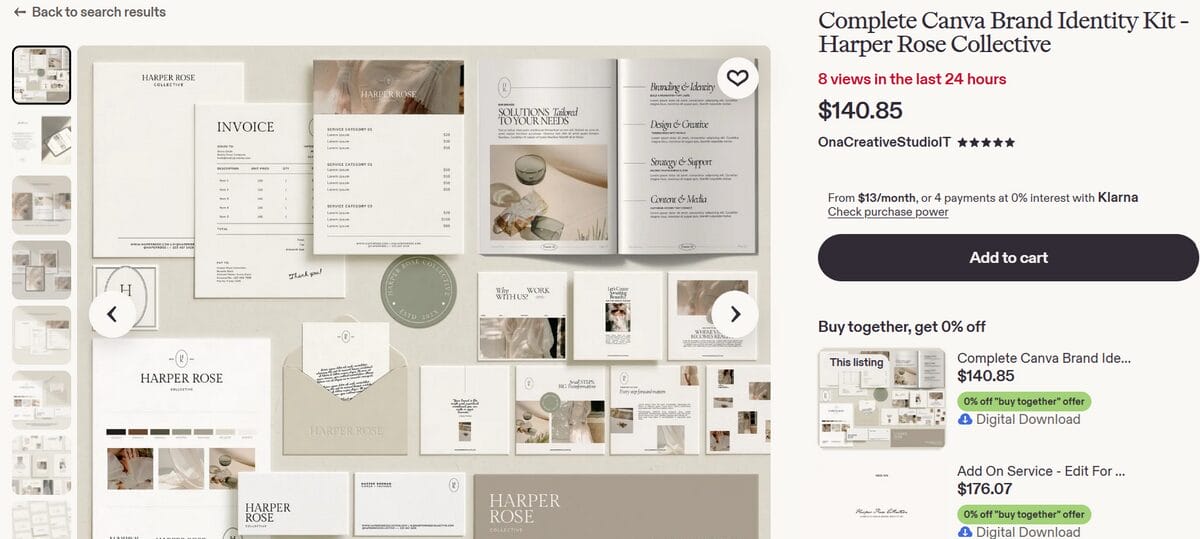
Branding a small business can get expensive quickly. Canva business kits offer a shortcut: ready-to-customize bundles of logos, color palettes, fonts, and templates that help entrepreneurs build a more consistent visual identity without hiring a designer for every asset.
The opportunity gets stronger when the kit has a clear audience. A generic “business branding kit” has to compete with thousands of alternatives; a kit designed around a bakery, real estate agent, fitness coach, or beauty business already gives the buyer a much clearer reason to choose it.
You can also bundle complementary assets together (a logo kit, brand guidelines, business cards, and social templates) to turn several small downloads into a more complete branding package.
UGC Video Scripts & Ad Templates
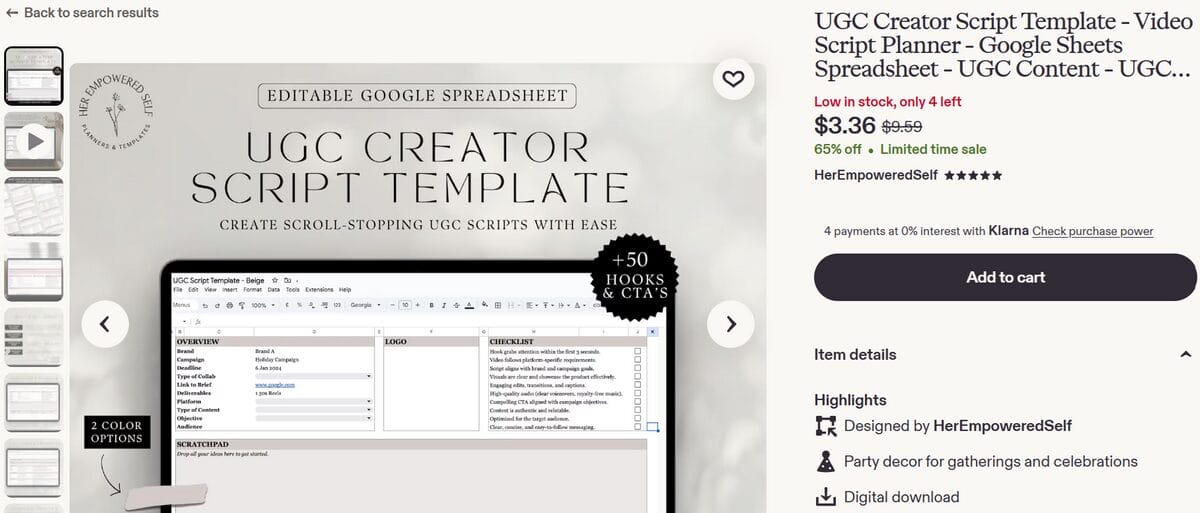
Not every digital product has to be visual. UGC scripts and ad templates sell the thinking behind the content: hooks, structures, calls to action, and frameworks creators or brands can adapt instead of staring at an empty document.
AIDA (Attention, Interest, Desire, Action), PAS (Problem, Agitation, Solution), and BAB (Before, After, Bridge) are familiar starting points, but the real product is what you build around them. Think packs of TikTok hooks for beauty brands, UGC scripts for ecommerce ads, or short-form video frameworks for real estate agents. The narrower the use case, the easier it is for the buyer to picture using it.
Digital Planners for Niche Audiences
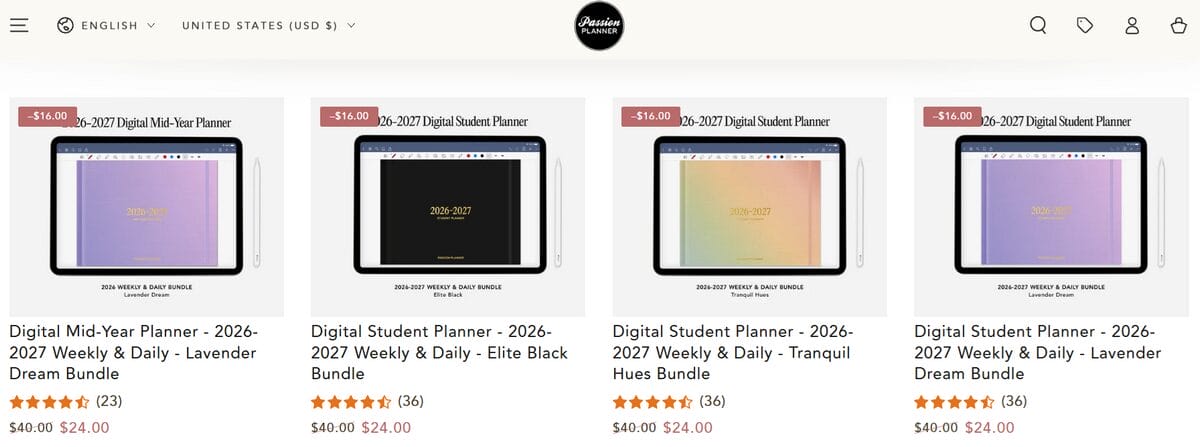
“Planner” is broad. Wedding budget planner, marathon training planner, or freelance finance planner is a product.
That’s why niche targeting matters so much here. Digital planners can be built around fitness, finances, weddings, productivity, and other specific routines or goals, giving buyers something designed around how they actually intend to use it.
Resume & Career Templates

Job hunting comes with plenty of blank pages: CVs, cover letters, portfolios, even LinkedIn profiles. Career templates turn those blank pages into a starting point.
You can package professionally designed assets for Word, Google Docs, or Canva and target different professions, experience levels, or career moments. And unlike products tied to a holiday or passing trend, people apply for jobs, change careers, graduate, and update their professional profiles all year, giving this category a more consistent source of demand.
A recent graduate and a senior UX designer probably shouldn’t be buying the same resume template, and that distinction gives you plenty of ways to specialize.
Website Templates
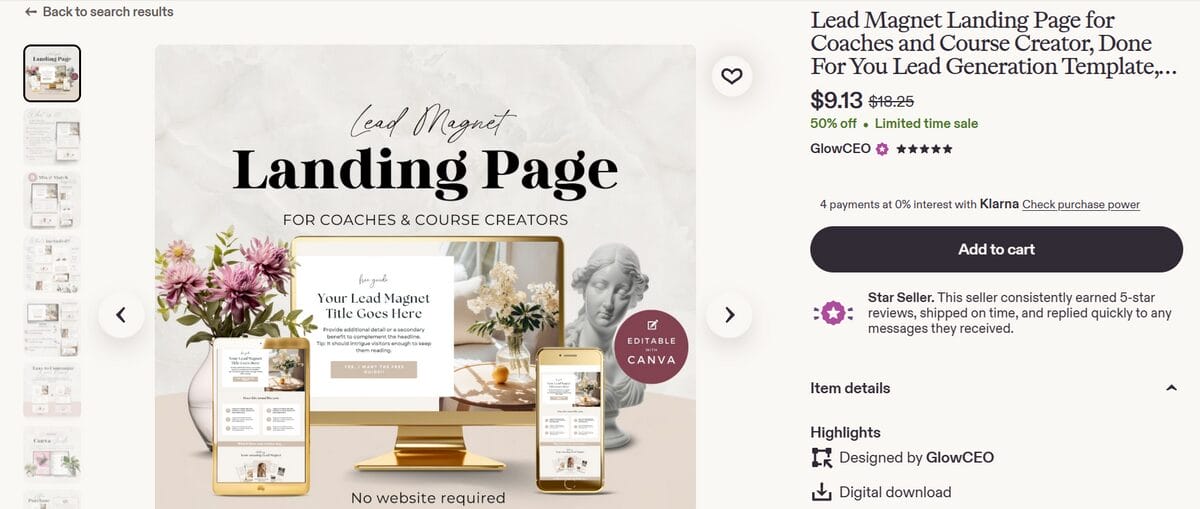
Here’s digital dropshipping getting a little meta: you can sell digital products to other people building online businesses.
Website templates for platforms such as Shopify, WordPress, or Webflow give customers a pre-built foundation rather than asking them to design every page from zero. Layouts, product pages, navigation, and other elements can be packaged around a specific business or website type.
Social Media Templates
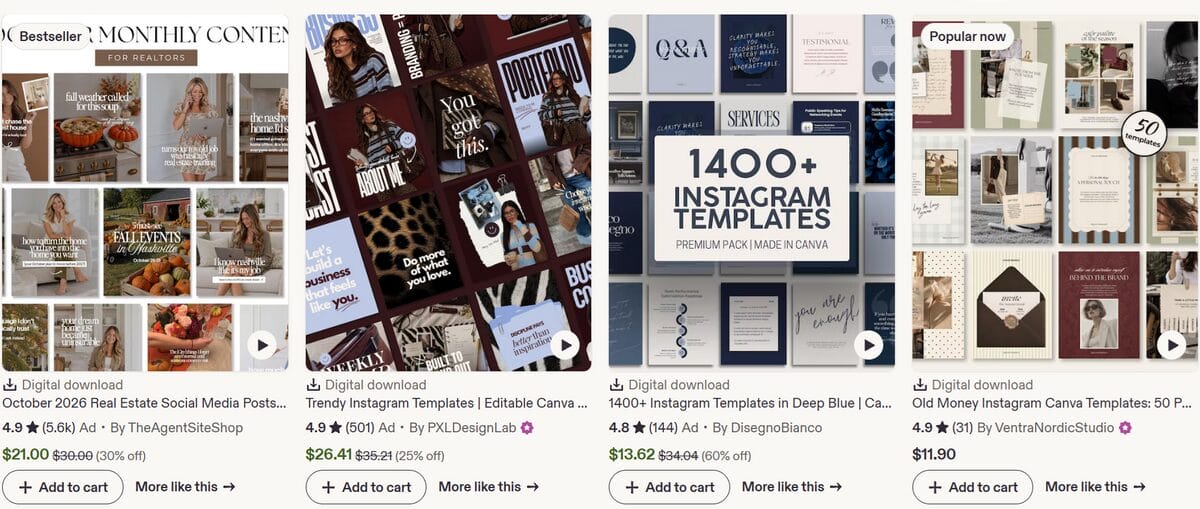
Creating one Instagram post isn’t particularly intimidating. Creating the next 100 is where things change.
Social media template packs give creators and businesses editable posts, stories, carousels, and other reusable assets for platforms such as Instagram, TikTok, and Pinterest. Rather than competing on “nice-looking templates,” you can build packs around an industry, campaign, content format, or visual style.
Educational Content
Here, knowledge is the product. Sometimes that’s a five-page guide that solves one frustrating problem; sometimes it’s an entire course. Either way, customers are paying to get from I don’t know how to now I do.
Kids Learning Printables
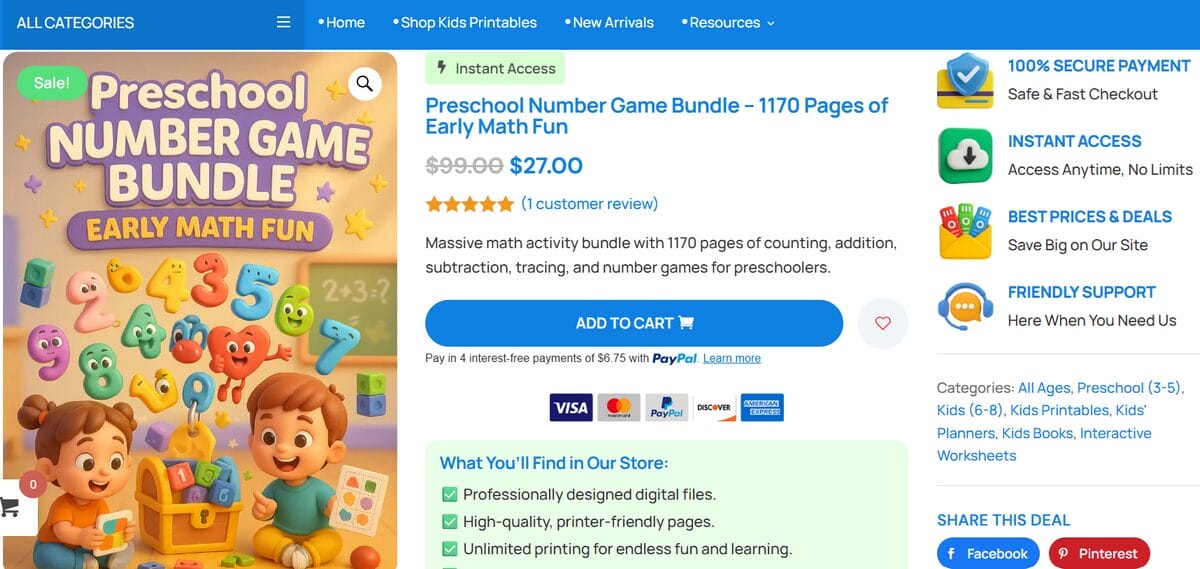
A rainy afternoon, a long car ride, extra math practice before a test: parents and educators don’t always need another app. Sometimes, they need something useful they can download and print right now.
Kids learning printables can include worksheets, puzzles, flashcards, coloring activities, and educational games designed around a particular age, subject, or skill. Instead of selling a generic “activity pack,” think about the moment it’s meant for: preschool letter practice, multiplication exercises, road-trip games, or Spanish vocabulary for beginners. The problem you’re solving gives the printable its angle.
Online Courses

Some skills need more than a PDF. Online courses package knowledge into a structured path, usually combining video lessons, written resources, exercises, or modules that customers can work through at their own pace.
And almost any useful expertise can become the basis for a course: marketing, fitness, photography, design, AI, language learning. The list goes on. But “I know a lot about this” isn’t quite a course yet. The stronger offer is a clear transformation: what should your student be able to understand, make, improve, or accomplish by the final lesson?
eBooks
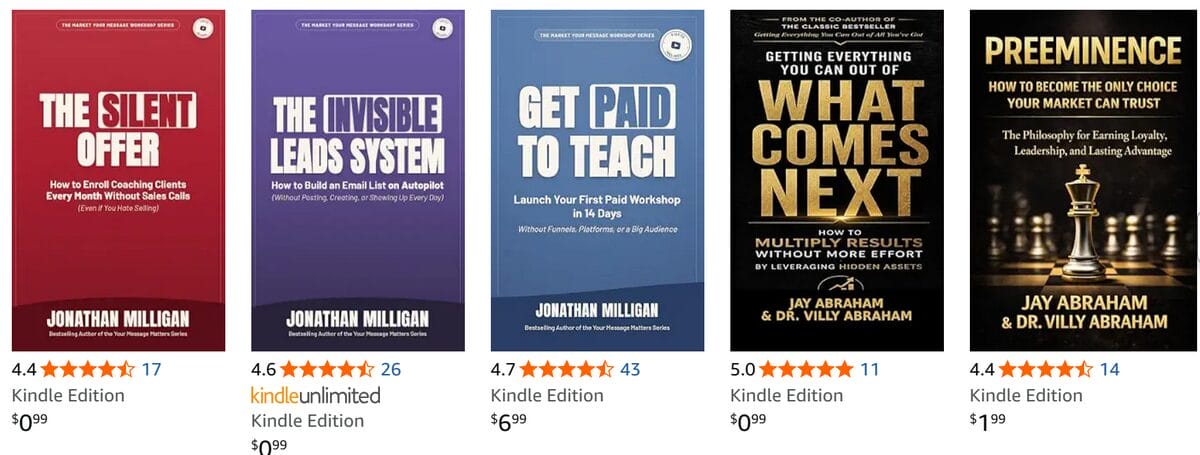
Not every customer needs ten hours of video lessons. Sometimes they just want the answer in a format they can open, read, and come back to whenever they need it.
That’s where eBooks fit particularly well. They can turn a focused piece of knowledge into cooking guides, fitness routines, marketing playbooks, how-to manuals, or other resources built around a specific problem or skill.
Specificity does a lot of the selling here: A Guide to Fitness is vague; Your First 5K Training Plan tells the buyer exactly where it’s taking them.
Printables (Planners, Trackers)
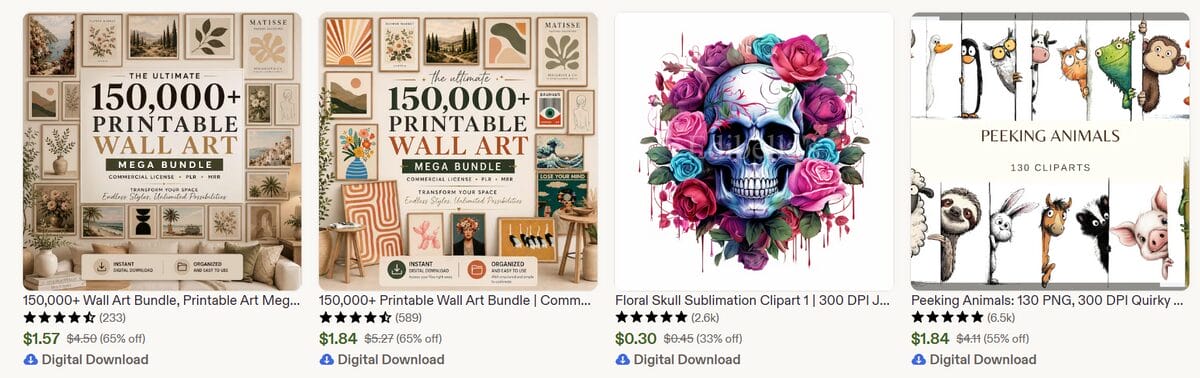
Some digital products are designed to be read. Printables are designed to be used.
Think habit trackers pinned above a desk, meal planners stuck to the fridge, budget sheets filled in every payday, or checklists brought along for a trip. They’re typically downloadable PDFs customers can print whenever they need another copy.
They’re relatively simple products, which also means “printable” alone isn’t much of a selling strategy. A useful format, clear purpose, and specific audience are what turn a PDF into something worth paying for.
Creative Assets
Creative work constantly needs raw material. Photos, video clips, sounds, music, and artwork can become products when they save another creator from having to produce those assets themselves.
Digital Art & Wall Decor
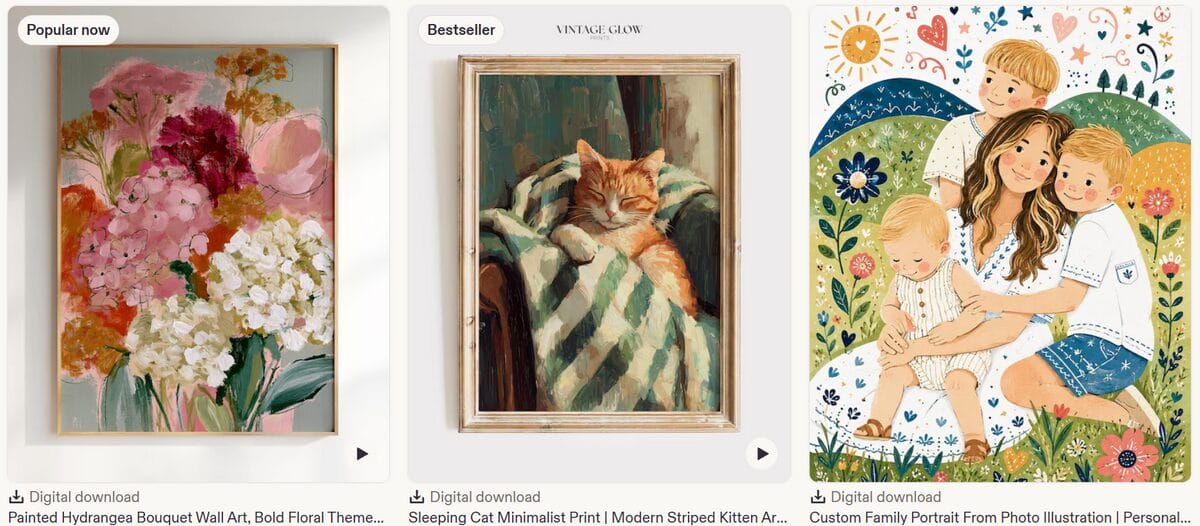
Here’s one digital product that can end up on a very physical wall. Digital art lets customers buy a design, download the file, and handle the printing and framing themselves. No canvas, poster tube, or delivery truck required on your end.
Minimalist illustrations, typography prints, nursery art, gallery walls, seasonal decor: there’s plenty you can create around a particular aesthetic or occasion. And because trends move quickly in home decor, you can experiment with new styles and seasonal collections without producing physical stock first.
Music & Audio Files
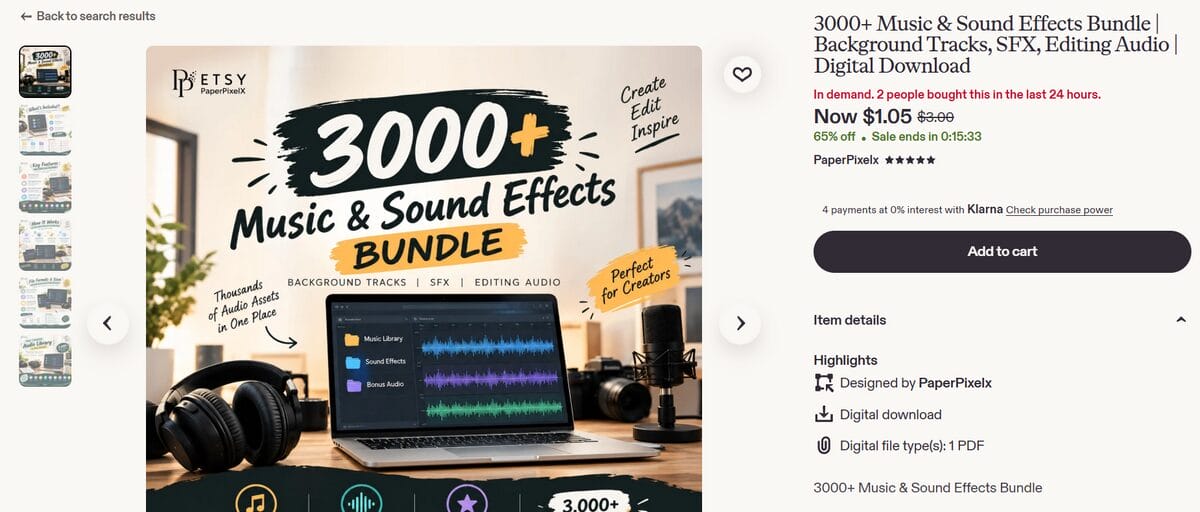
A whoosh for a transition. Background music for a product video. A podcast intro. Rain sounds for a meditation track. Audio may be invisible, but creators notice very quickly when they don’t have the right one.
That creates opportunities to sell music tracks, sound effects, samples, loops, voiceovers, and other audio assets for videos, podcasts, ads, games, and social content. The original list already points toward royalty-free audio as a useful angle for creators, brands, and agencies.
📢 Marketing Tip: Don’t stop at a single sound. Bundle assets around a use case, like TikTok Transition Sounds, Podcast Starter Kit, or Cinematic Background Music Pack. A collection can solve more of the buyer’s problem at once while increasing the perceived value of the offer.
Stock Photos & Videos

Picture a fitness brand that needs ten new Reels this month. Booking a shoot every time would be expensive; recycling the same generic stock clip won’t make the content particularly memorable either. That’s the gap more specialized stock assets can fill.
Instead of trying to compete with enormous libraries on sheer volume, you can create or curate specific, contemporary visuals for a defined audience or use case: UGC-style product clips, remote-work scenes, fitness footage, travel shots, or ecommerce visuals, for example.
Tools & Software
This category is less about consuming content and more about getting something done faster or better. A useful tool might automate a task, improve an AI workflow, calculate something annoying, or add one very specific capability to software someone already uses.
AI Prompt Packs
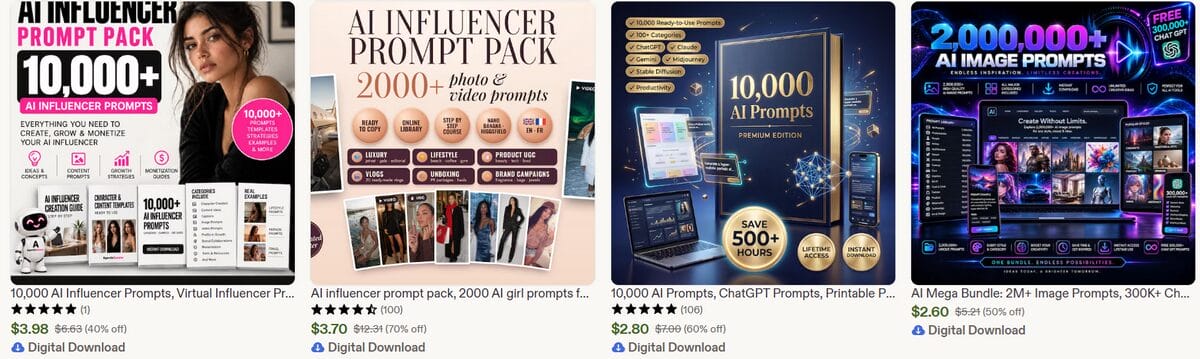
Anyone can type a question into ChatGPT. Getting a useful result consistently is another matter. That’s the problem AI prompt packs try to solve: instead of making customers figure out the right instructions every time, you give them a curated set they can adapt and reuse.
The strongest packs tend to have a job attached to them. Think description prompts for ecommerce sellers, TikTok hook formulas for creators, or Google Ads prompts for marketers. “500 AI prompts” tells me how many files I’m getting; “Prompts for launching your first Facebook ad campaign” tells me what they’re supposed to help me accomplish.
And as AI tools evolve, there’s another consideration: prompt packs can age quickly. Testing and updating yours for the models and workflows they’re designed for can become part of the value you’re selling.
Software & Tools
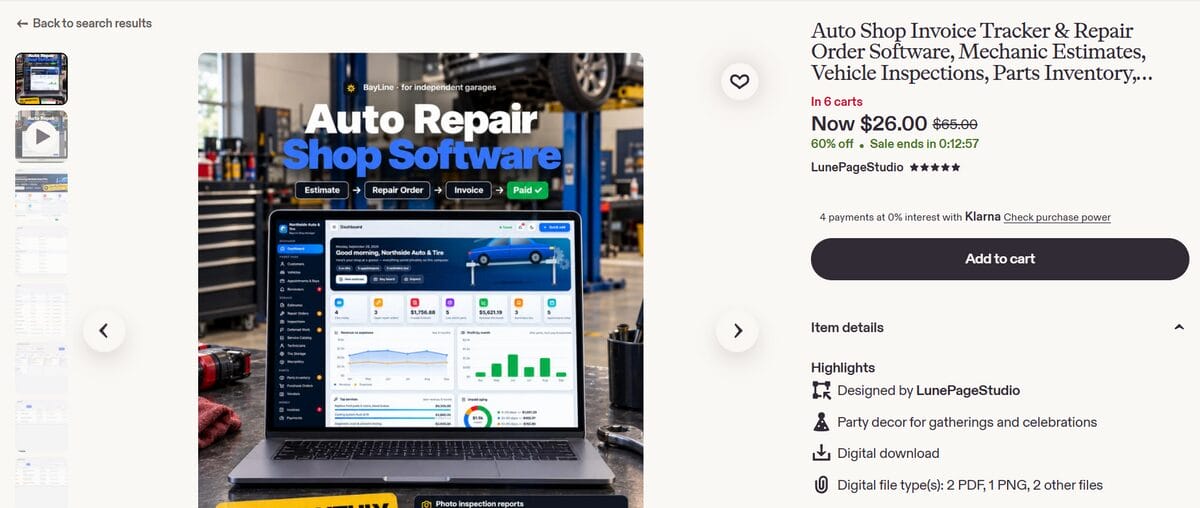
Now we’re moving from telling software what to do to building something that does the job itself.
That doesn’t necessarily mean developing the next massive SaaS platform. A niche calculator, Chrome extension, Shopify app, AI tool, or automation script can be valuable precisely because it handles one annoying task particularly well.
Software also opens up a different pricing model from most products on this list. Instead of charging once, you can offer subscriptions, paid updates, or premium features, creating the possibility of recurring revenue.
Recurring Content
Most products on this list aim for one transaction. This category changes the math: the customer pays for continued access rather than a single download.
Membership Content
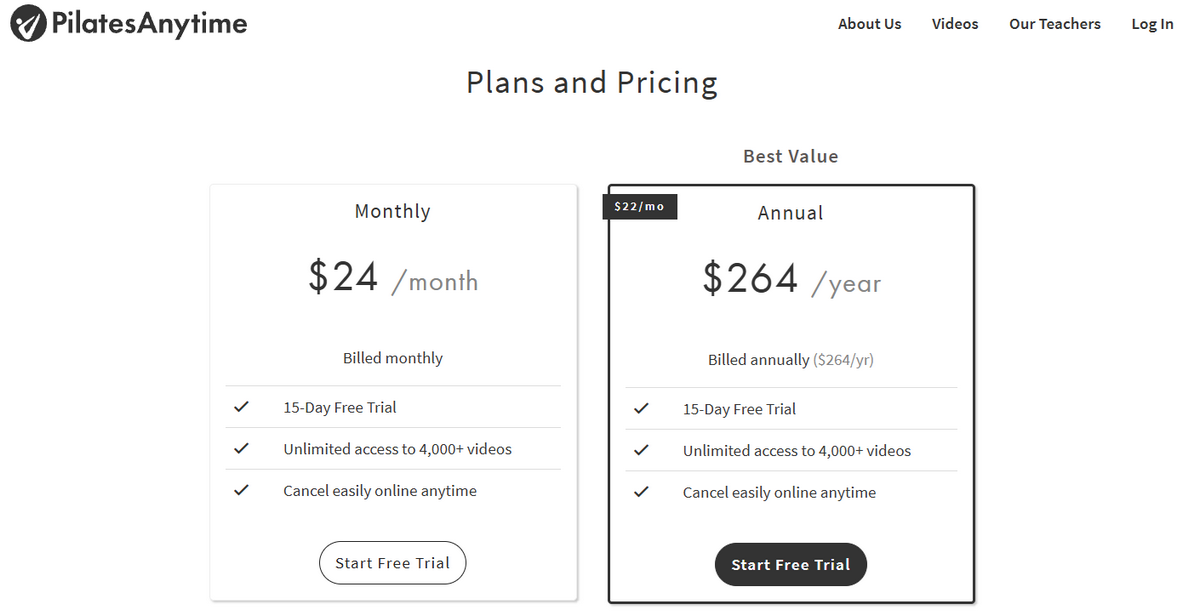
Think Netflix, but for whatever niche you know best. Membership content gives customers ongoing access to something they can’t get from a one-time download: new templates every month, exclusive courses, premium resources, private communities, or regularly updated content.
And the concept can stretch well beyond business content. You might build a book club with monthly reading guides, a film community with regular watch parties, or a running membership with new training routines each week. Instead of asking “What can I sell them next?”, you’re building the next piece directly into the offer.
That’s what makes memberships attractive for recurring revenue. But the subscription renews only if the value does too. Fresh resources, updates, community activity, or some other ongoing benefit need to give members a reason to stay after month one.
Why Digital Products Are Growing in 2027
Digital products aren’t exactly new, but the market around them keeps getting bigger. The numbers speak for themselves: the global digital goods industry is expected to grow from $157.39 billion in 2026 to $511.43 billion by 2031, at a 26.6% annual growth rate. That alone makes it one of the fastest-growing segments in eCommerce.
Now, the real question: why are digital products becoming such an attractive business model? A few advantages are working in their favor at the same time.
First, there’s the most obvious one: no physical inventory or shipping. Unlike a traditional dropshipping business, there’s no supplier packing an order, no warehouse stock to replenish, and no package making its way to the customer. A digital product can be delivered almost immediately, whether your buyer lives across town or across the world.
Then comes the part everyone loves: high margins and scalability. The cost of fulfilling another digital order can be extremely low. A template, ebook, or audio file doesn’t need to be manufactured again every time someone buys it, which can support attractive profits and make the catalog easier to grow.
AI is lowering some of the barriers even further. You no longer need advanced design, coding, or production skills to create every type of digital product, opening up more ways for creators and entrepreneurs to turn useful knowledge, assets, and tools into something sellable.
But there’s a flip side to that accessibility: if it’s easier for you to enter the market, it’s easier for everyone else too. The opportunity in 2027 isn’t simply selling something digital. It’s finding something useful, specific, and valuable enough to earn the sale.
How to Choose the Right Digital Product
While the demand for digital products is rising, not all are worth your time. Or maybe they are, as long as you source and market them right. The difference between something that sells and something that just sits there is strategy.
So, here’s what I’d check before committing to one:
Demand Validation
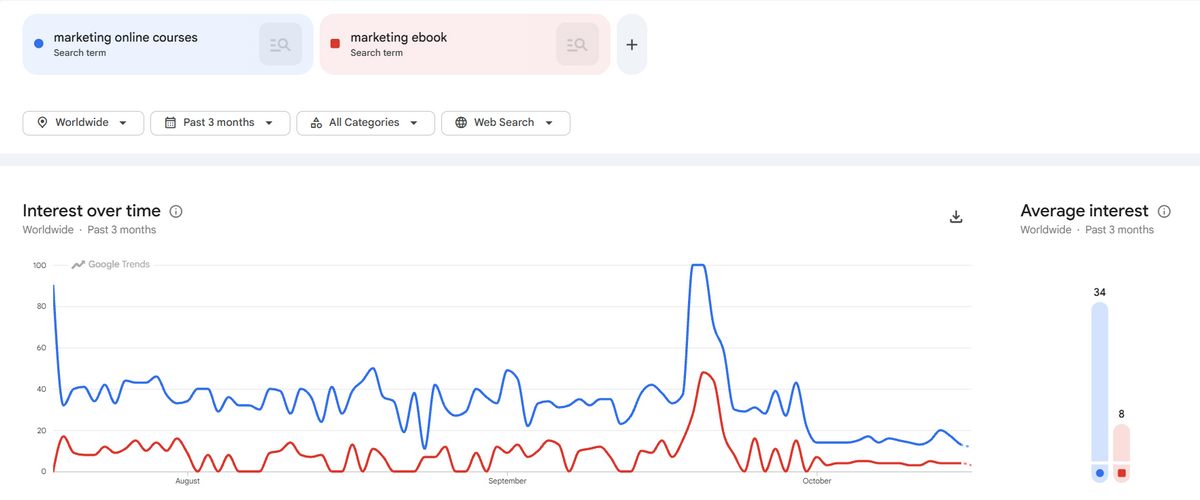
Before creating anything, make sure people actually want it. Look at what’s gaining traction on TikTok, Etsy, and other marketplaces, then compare those signals with search interest using tools like Google Trends. Remember: you’re looking for several signs that people are searching for, talking about, and ideally already buying products like yours.
Competition Analysis
Competition isn’t automatically a reason to walk away. Existing sellers can tell you that buyers already understand the product; your job is to figure out whether there’s a useful gap you can occupy.
Study comparable offers, pricing, reviews, positioning, and especially what customers complain about. Can you target a more specific audience? Bundle more value? Solve a problem competitors keep missing? You don’t need an empty market: you need a reason for someone to choose you within it.
🔍 Research Tip: Yes, your competitors’ ads can tell you a lot. Use AutoDS Ads Spy Tools to study what’s being promoted, how it’s being sold, and which angles are getting attention.
Ease of Creation and Sourcing
Some products you can create yourself, like templates or eBooks. Others might require a designer, developer, creator, or licensed asset. Be realistic about your time, skills, budget, and what the product will need after launch.
Choose something you can actually create or source, sell, and maintain. A simple template might need occasional updates; software could require ongoing technical support.
Clear Target Audience
Before choosing a digital product, ask yourself: Who is this for, and what are they trying to accomplish? The more specific the answer, the easier it becomes to shape the product, listing, pricing, and marketing around an actual buyer.
“Digital planner” is a category. “ADHD-friendly daily planner for freelancers” is an offer. That’s the difference.
How to Start Digital Dropshipping
You’ve got the product ideas. Now comes the part that turns one of them into an actual store. Let’s get down to business and start building yours, step by step.
Step 1 – Choose Your Product Type
Start with one clear idea. Don’t try to sell everything at once. Planners, templates, software, and audio assets can attract very different customers, so choose a category from the list above and narrow it down from there.
More importantly, give the product a job. Who is it for? What does it help them create, learn, organize, or accomplish? The clearer that answer is, the easier the next four steps become.
Step 2 – Create or Source the Product
You can create the product yourself using tools like Canva, AI, or editing software, or work with creators and freelancers to produce it.
If someone else made it, though, don’t assume buying the file means you can resell it. Check that your license or agreement actually gives you the commercial or resale rights your business needs.
Step 3 – Choose a Selling Platform
Next, decide where customers will buy. Platforms like Shopify or Wix let you build your own branded store and give you more control over the customer experience, but you’ll also be responsible for bringing in traffic.
A marketplace like Etsy, meanwhile, puts your products in front of an existing audience, although you’ll have less control over the storefront and will be competing alongside other sellers.
Neither route is automatically better. Think about whether you value brand control or access to an existing marketplace more. Remember that you can always expand to another channel later.
Best Platforms to Sell Digital Products
There are plenty of platforms you can use to sell digital products for dropshipping. The best one depends on your niche and purpose. Here’s a quick guide:
- Want to build your own branded store? 👉 Go for Shopify or Wix. Customizable, beginner-friendly, and no coding skills needed.
- Want to tap into existing demand? 👉 Go for Etsy or CreativeMarket, one of the best marketplaces for printables, templates, guides, and authentic digital products.
- Want to sell online courses and eBooks? 👉 Go for Kajabi, LearnWords, Hotmart, or Teachable, ideal for membership-based content, learning communities, and guided modules.
Step 4 – Upload and Price Your Product
Once your product is ready, give customers enough information to understand what they’re buying. Use a clear, keyword-relevant title and a benefit-focused description. For templates, planners, or other visual assets, previews can do a lot of the explaining for you.
When setting your price, work backward from what the sale actually leaves you. Factor in platform and payment fees, licensing or creator costs, advertising, refunds, and any tools you pay to deliver or maintain the product. Then compare that number with similar offers and test from there.
Don’t be afraid to experiment with price. Digital products give you flexibility to test different price points, bundles, or tiers and see what converts without sacrificing the profit you need.
Step 5 – Deliver Automatically
This is where the magic happens. Set up automatic delivery so customers get instant access after purchase. No manual sending, no delays. Your customers (and yourself) get a smooth experience that scales as you grow.
Depending on your platform and product, that might happen through a download page, built-in digital delivery feature, or automated email. You can also use the post-purchase flow to send instructions, useful tips, relevant upsells, or related products.
The goal is simple: the customer shouldn’t have to wait for you to hit “send.”
How to Market Digital Products Successfully
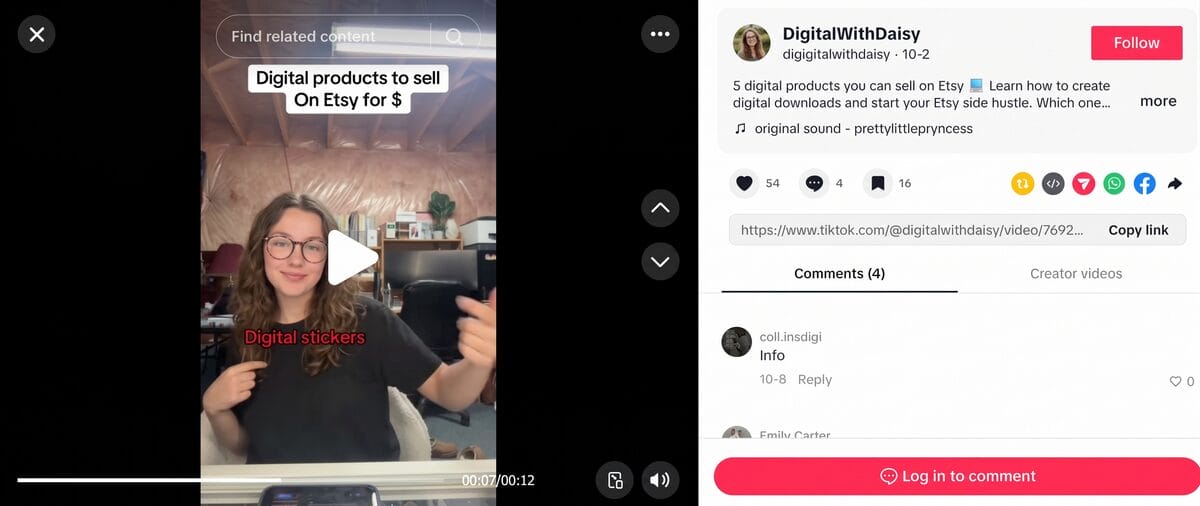
You made it to your live store. Now it’s time to drive traffic and start getting sales. As you would imagine, promoting digital products doesn’t work the same as promoting physical goods. The good news? They’re even easier to market.
Here are a few common methods:
- Organic traffic (SEO and Pinterest). This is the long game. Blog posts, optimized product pages, and Pinterest pins can keep bringing people to your offer without paying for every click. Create how-to content, tutorials, and problem-solving guides around the same questions your product helps answer. Organic traffic takes time to build, but useful content can keep working long after you publish it.
- Social media (TikTok and Instagram). Short-form content gives you plenty of ways to show the product rather than simply talk about it. Try quick tutorials, before-and-afters, screen recordings, use cases, or behind-the-scenes content that lets potential customers see what the product actually helps them do.
- Paid ads. This one works great once you’re ready to scale. Digital products work especially well here because there’s no shipping friction, and profits are higher. You can test creatives, audiences, and offers quickly. Then, you can double down on what converts. Just make sure your product is already validated before you start spending money.
- Email funnels. Email can turn attention from your other channels into an audience you can reach again. Someone might discover a tutorial, download a free resource, receive a few useful emails, and eventually come back for the paid product. Once the flow is built, much of that follow-up can be automated, while you keep testing the messaging, offers, and emails themselves.
📢 Marketing Tip: Capture email addresses with a freebie or lead magnet. For example, you share the first module of your course for free in exchange for an email. Then, nurture your audience with value, trust, and offers over time.
Common Mistakes in Digital Dropshipping
Digital products remove plenty of traditional eCommerce headaches. They also come with a few mistakes of their own. Before you launch (or wonder why something isn’t selling), check that you’re not falling into one of these:
Competing with the generic version
Saturation isn’t necessarily the problem. Being interchangeable is. If your product could be swapped with twenty similar listings without the customer noticing much difference, give them a clearer reason to choose yours.
Compare:
❌ “Social media templates” — too vague.
✅ “Instagram lead-generation templates for real estate agents” — specific audience, platform, and purpose.
That difference can come from better design, a narrower niche, additional resources, stronger branding, or simply solving the problem more completely than the generic alternative.
Forgetting the product after launch
Digital doesn’t mean permanent. Links break. Information becomes outdated. Software changes. AI prompts stop producing the same results. Templates can lose compatibility.
Treat maintenance as part of the product, especially when what you’re selling depends on another platform, tool, or fast-changing information. A download that worked perfectly six months ago still needs to work when someone buys it today.
Expecting instant delivery to create instant demand
Your product can reach a customer in seconds. Getting that customer to checkout is the slower part.
Positioning, traffic, testing, and marketing still matter after you’ve removed inventory and shipping from the equation. Instant fulfillment is an advantage, but it can’t make an unwanted product sell.
Ignoring branding
A digital product may not come in a box, but the experience around it still carries your name. Your storefront, product previews, visuals, copy, and even the file itself should feel like they belong to the same business.
Consistent branding helps customers recognize what they’re buying and makes a digital product feel like your offer rather than just another file on the internet. Don’t treat it as decoration. It’s part of how you build trust and make the product memorable.
Digital vs. Physical Dropshipping: When to Choose Which
At this point, you might be wondering: if digital products remove so much fulfillment friction, why sell physical products at all? Well, digital and physical dropshipping solve different problems. The better choice depends on what you want to sell and the kind of business you want to build. So, which setup sounds more like yours?
Digital dropshipping makes sense when you want low overhead and minimal fulfillment complexity. It’s particularly well suited to creators, educators, freelancers, and solo sellers who can turn their knowledge or skills into templates, courses, tools, or other resources. The trade-off? Your positioning and perceived value have to work hard when customers have plenty of digital alternatives.
Physical dropshipping gives you a much broader range of products customers can use, wear, gift, or display. Tangible products can also work particularly well for visual advertising and create a customer experience digital downloads can’t replicate. The disadvantage is more operational complexity: suppliers, stock, shipping, tracking, and returns all enter the picture.
And a hybrid store can give you both, when the products actually belong together. A fitness store might pair workout equipment with a downloadable training plan; a cooking store could sell kitchen products alongside recipe collections. The key is serving the same customer, not adding an unrelated ebook just because you can.
So, digital or physical? Choose based on the customer and offer first, fulfillment model second. And if both solve different pieces of the same problem, they may belong under the same roof.
Frequently Asked Questions
What are digital dropshipping products?
Digital dropshipping products are downloadable or online items sold without physical inventory or shipping. Examples include templates, courses, eBooks, software, and audio files. After purchase, customers typically receive a download, link, or online access.
Can you dropship digital products without inventory?
Yes, you can dropship digital products without inventory (that’s the whole point). You can create the product yourself or obtain the appropriate rights to sell one created by someone else, then deliver it digitally without storing or shipping physical stock.
What are the best digital products to sell in 2027?
Some of the best digital products to explore in 2027 include AI prompt packs, Canva templates, UGC scripts, niche digital planners, online courses, software tools, and membership content. The right choice depends on demand, competition, your target audience, and what you can realistically create or source.
Do digital products make passive income?
Yes, digital products can make passive income. Once your product is created and your system is set up, sales and delivery can run automatically. That said, you still need to market and optimize to keep the income flowing.
Where can I sell digital products online?
You can sell digital products through your own store or an established marketplace. Shopify and Wix give you more control over your storefront and brand, while marketplaces like Etsy can put your products in front of an existing audience.
Are digital products better than physical products?
No, digital products are not necessarily better than physical products. They’re just different. Digital products offer higher margins and no logistics, while physical products can sometimes be easier to validate and scale with ads. Many sellers combine both in hybrid stores.
How do you deliver digital products automatically?
You can deliver digital products automatically using your selling platform’s delivery features or an integrated tool. After payment, the system can automatically provide the customer with a download, access link, login, or email without requiring you to send it manually.
Can beginners sell digital products successfully?
Yes, beginners can sell digital products successfully. The barrier to entry is low, especially with tools like Canva and AI. The key is choosing the right product, targeting a clear audience, and focusing on strong positioning and marketing.
Launch Your Digital Products Dropshipping Store Today!
No boxes, no warehouse, no tracking numbers. Digital dropshipping is one of the smartest ways to sell online today. The key? Choosing the right niche, validating demand, and positioning your offer to stand out.
Get those pieces together, and digital products give you a flexible way to turn knowledge, creativity, or a useful solution into something you can sell online. So don’t start by asking how many items you can add to your store. Start with one worth selling. Validate the idea, build the offer around a real customer, and see what the market tells you.
And if you decide a hybrid store with physical products fits your business better, AutoDS can help automate sourcing and order workflows while you focus on growing the store. You can try AutoDS for $1 and start building the physical side of your catalog.
In the meantime, here are a few reads you might find helpful:
- What Is Digital Dropshipping?
- Digital Product Types At A Glance
- Best Digital Products To Sell In 2027
- Why Digital Products Are Growing
- How To Choose The Right Digital Product
- How To Start Digital Dropshipping
- How To Market Digital Products
- Common Mistakes To Avoid
- Digital VS Physical Dropshipping
- FAQ
- Conclusion