


Dropshipping is legal in South Africa. The country has one of the most mature digital retail markets on the continent, and its mobile-first population makes it a genuinely good place to launch a low-risk online store in 2026.
I’ve broken this guide into everything you actually need: the current market numbers, the legal basics, the best platforms, and a step-by-step process to get your store live. I’ll also show you where automation tools like AutoDS fit in, but let’s start with the data, because that’s what should shape your decision.
South Africa’s e-commerce market is growing rapidly, offering promising openings for dropshippers.
Register with CIPC if trading formally; comply with SARS tax rules including VAT thresholds.
Shopify, WooCommerce, Wix, eBay, and Amazon integrate smoothly with AutoDS for automation.
AutoDS automates listing import, price/stock monitoring, orders, and tracking, saving time and reducing errors.
Use social media, email marketing, influencers, and spy tools to reach and engage your audience.
What Is Dropshipping In South Africa? Market Definition & Key Stats
Dropshipping is a retail model where you sell products online without ever stocking them yourself — your supplier ships directly to the customer once an order comes in. In South Africa, this model has taken off alongside one of the fastest-growing digital economies in Africa.
Here’s what the numbers actually say about the market you’d be entering:
- South Africa’s e-commerce market was valued at USD 41.86 billion in 2026 and is projected to reach USD 63.06 billion by 2031, growing at a CAGR of roughly 8.54%.
- Internet penetration in South Africa stood at 79.6% of the population by the end of 2025, with 51.7 million people online.
- The same report found 127 million active cellular connections in the country, equal to 196% of the total population, which confirms just how mobile-dependent South African shoppers really are.
- Fashion and apparel are the leading product categories, holding a 24.67% revenue share in 2025, while credit and debit cards remain the dominant payment method at 44.68% of transactions.
Put simply: you’re looking at a large, mobile-first, still-underserved market compared to the US or EU — which is exactly the kind of environment where a new dropshipper can carve out a niche before it gets crowded.
🔍 Research Tip: Before picking a niche, check Google Trends for South Africa specifically, not just global data. Local demand patterns (think load-shedding gadgets or school-season items) can differ a lot from what’s trending elsewhere.
Is Dropshipping Legal in South Africa?

Yes, dropshipping is completely legal in South Africa. Even though you don’t hold physical inventory (which trips some people up when they first hear about the model), this business structure is 100% allowed under South African law.
The key is playing by the same rules any other business would follow. Here’s what that looks like in practice:
- Formal registration (CIPC): If you want to run this as a serious business rather than a side hustle on Facebook Marketplace, register with the Companies and Intellectual Property Commission. Think of it as your entrepreneur’s license.
- Taxes (SARS): You need to comply with the South African Revenue Service, which means declaring your income and paying what’s owed. Dropshipping won’t get you out of taxes, but it doesn’t complicate them either.
- Consumer protection (Consumer Protection Act): You’re legally required to be transparent about delivery times and refund policies. If a customer feels misled, the law is on their side, not yours.
Stick to these rules and there’s nothing stopping you from building a legitimate business here. Automating the operational side, which is where AutoDS comes in, just makes compliance-friendly selling a lot less of a headache.
Why Dropshipping Is Popular in South Africa
Dropshipping is gaining ground worldwide, but a few local factors make South Africa a particularly good fit right now.
Growing E-Commerce Adoption
South Africa’s e-commerce sector isn’t just growing, it’s accelerating, with the market projected to climb from USD 41.86 billion in 2026 to USD 63.06 billion by 2031. Rising internet access and improving digital payment infrastructure are turning online shopping into the default, not the exception, for a growing share of the population.
A Massive Mobile-First Audience
With 127 million active mobile connections and internet use concentrated on smartphones, South Africa is a mobile-first market through and through. That means your marketing, checkout flow, and product pages all need to be built mobile-first, too, or you’re leaving money on the table.
Room To Sell Locally Or Go International
South African sellers can serve local demand or expand into markets like the US and EU. Local logistics providers such as iDeliver and Nexus Fulfillment handle last-mile delivery domestically, while platforms like AutoDS give you access to a global supplier network and automated fulfillment, so you’re not limited to one market by default.
Less Competition Than The US Or EU
Compared to the saturated US and European markets, South Africa still has plenty of underserved niches. That’s a real advantage if you’re just starting out: less noise to cut through, and more room to build brand loyalty before the market fills up.
Best Platforms for Dropshipping in South Africa
Picking the right platform matters as much as picking the right product. The strongest options all integrate directly with AutoDS, which means less manual work importing products, monitoring stock, and fulfilling orders.
Shopify
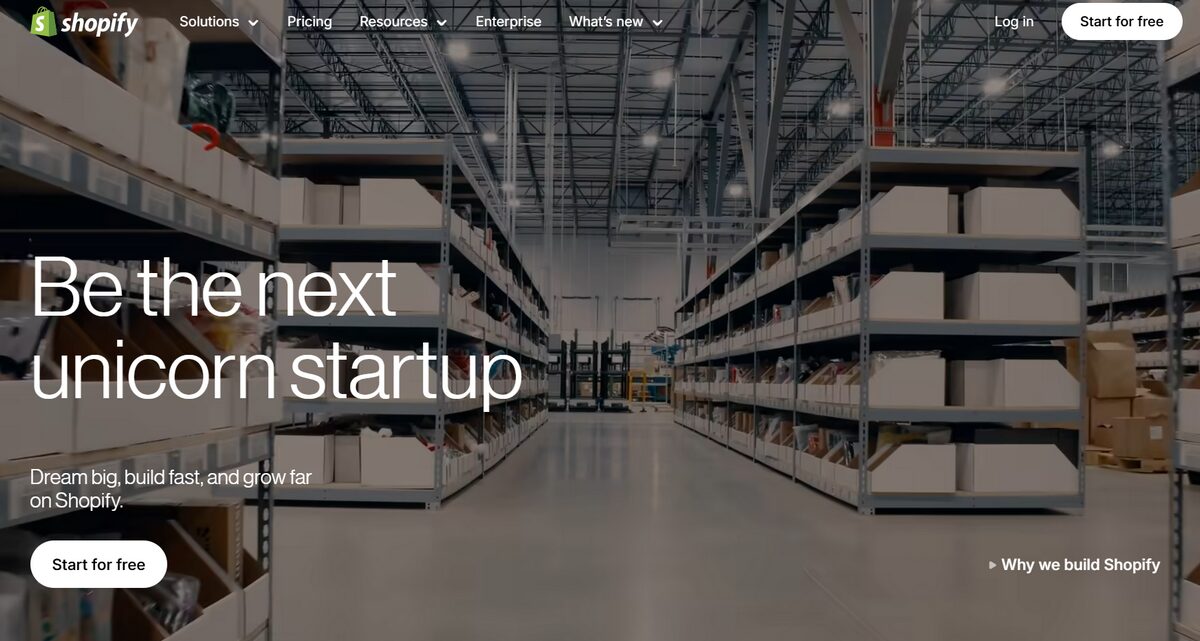
Shopify is the global leader for dropshipping, and South Africa is no exception. Its huge app ecosystem, direct AutoDS integration, and flexible customization make it the go-to for sellers who want a scalable, branded store.
Key features:
- Direct integration with AutoDS for full automation
- Large library of apps and themes
- Built-in marketing and SEO tools
- Reliable, scalable hosting with 24/7 support
- Simple local and international payment setup
WooCommerce
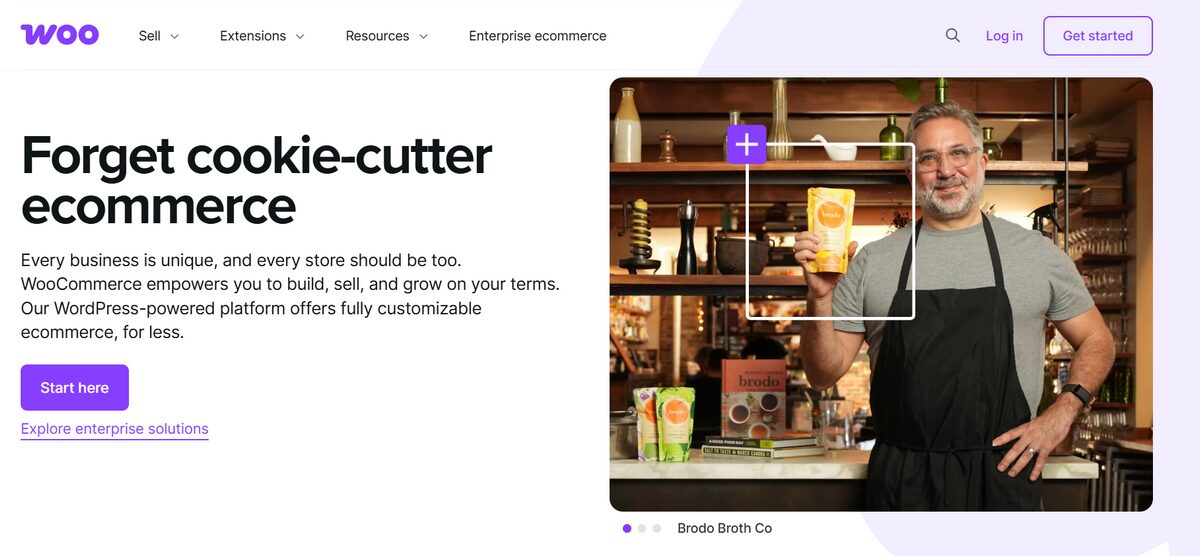
For WordPress fans, WooCommerce offers a flexible and cost-effective alternative. With the right plugins, WooCommerce connects with AutoDS to handle dropshipping automation while giving you full control over design, SEO, and content.
Key Features of WooCommerce:
- Open-source and highly customizable
- Compatible with AutoDS for dropshipping automation
- Strong SEO and content management features
- Large plugin marketplace and community support
- Flexible payment and shipping options
Wix
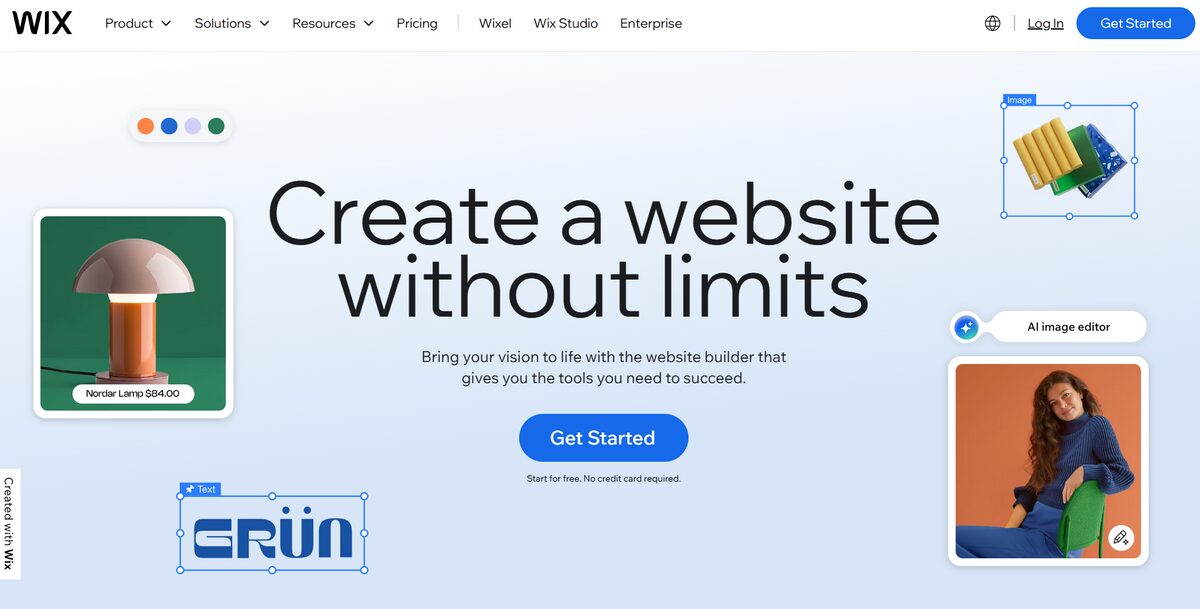
Wix has been rising fast in popularity, especially for beginners. Its intuitive drag-and-drop builder makes it simple to launch a store in minutes. Add in its native integrations with dropshipping tools like AutoDS, and you’ve got a beginner-friendly platform that can scale as your business grows.
Key Features of Wix:
- Easy drag-and-drop website builder
- Native integration with AutoDS and other dropshipping apps
- Mobile-optimized templates
- Built-in SEO and marketing tools
- Multiple payment gateway options
eBay
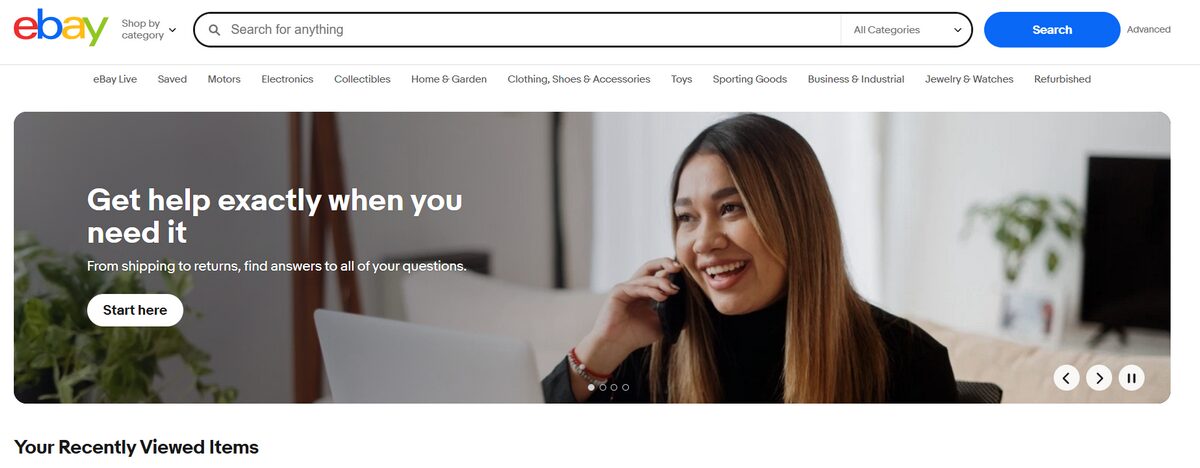
eBay is a global powerhouse and still a strong option for South African dropshippers. By pairing eBay with AutoDS, sellers can automate inventory management and order processing, keeping up with the fast-paced marketplace environment.
Key Features of eBay:
- Huge global customer base
- Integration with AutoDS for stock and order automation
- Auction-style and fixed-price listings
- Seller protection programs
- Wide variety of shipping options
Amazon
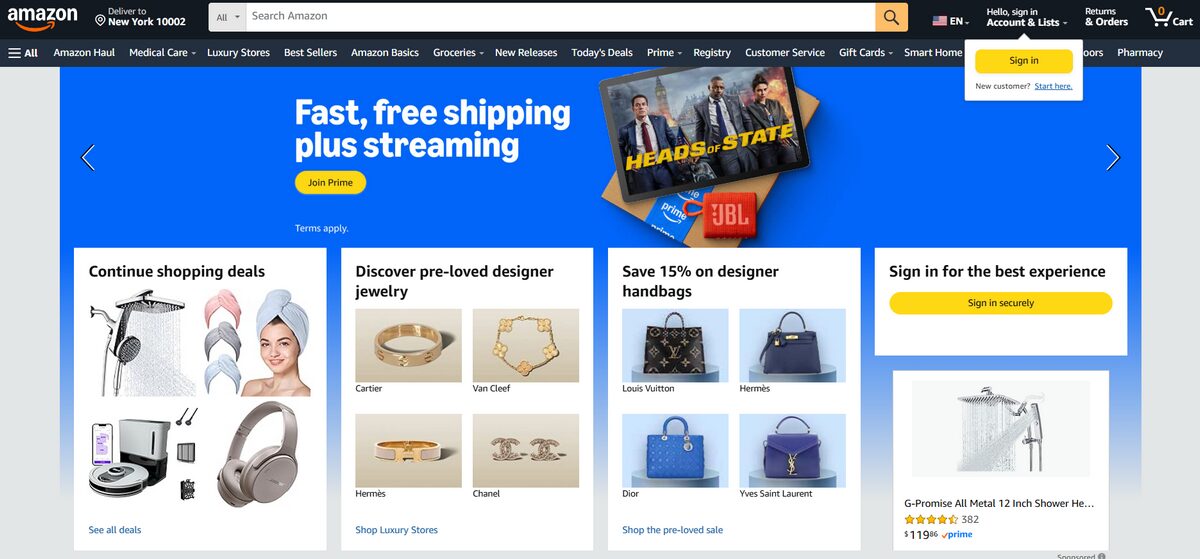
The e-commerce giant Amazon is another lucrative platform for South African sellers. When combined with AutoDS, sellers can automate operations while taking advantage of Amazon’s vast customer base and fulfillment options.
Key Features of Amazon:
- Massive worldwide reach
- Integration with AutoDS for order and inventory automation
- Fulfillment by Amazon (FBA) for faster deliveries
- Trusted platform with strong buyer confidence
- Advanced advertising and promotional tools
Step-by-Step Guide to Launch a Store in South Africa
Okay! Enough chit-chat, let’s roll up our sleeves and shape your South African dropshipping store. Here’s a step-by-step guide to help you start off on the right foot:
1. Determine Your Starting Budget
You can start a dropshipping store in South Africa with a modest upfront investment. Since you’re not buying stock ahead of time, your main costs are:
- Domain registration
- E-commerce platform subscription
- Marketing (ads, SEO, influencers)
- Automation tools
Most people get going with somewhere between $200 and $1,000, which is enough to launch and start testing what sells.
💰 Financial Tip: Keep a buffer for currency fluctuations and payment gateway fees, since transactions in South African Rand (ZAR) can shift your margins more than you’d expect month to month.
2. Understand Your Legal Requirements
Formal registration with CIPC is recommended if you’re building a real business, not just testing the waters. You’ll also need to understand SARS rules around VAT (15%) and income tax, prepare basic legal documents like terms and conditions and a privacy policy, and make sure your refund and delivery policies comply with the Consumer Protection Act.
3. Choose A Selling Channel
Broadly, dropshipping platforms fall into two camps: customizable e-commerce sites (Shopify, WooCommerce, Wix) and marketplaces (eBay, Amazon, Facebook). Customizable sites give you full brand control but you build your audience from zero. Marketplaces come with less design freedom but a built-in customer base.
💡 Pro Tip: Building a store from scratch sounds daunting, but the AI Store Builder can get you a functional, good-looking Shopify store in about two minutes.
4. Find Products To Sell

Once your store is up and running, it’s time to fill the virtual shelves! But be careful, don’t just pick the first product you see. You need to carefully search for a dropshipping niche that allows you to grow in the African market.
For that, you’ll need to do product research using some key tools:
- Best seller sections: Major e-commerce platforms have sections filtering their most chosen and demanded products. This helps you analyze demand and find desirable items.
- Google Trends: This excellent Google tool gives you specific information on product demand, including who’s interested, seasonality, related products, and what works best in South Africa.
5. Choose A Dropshipping Supplier
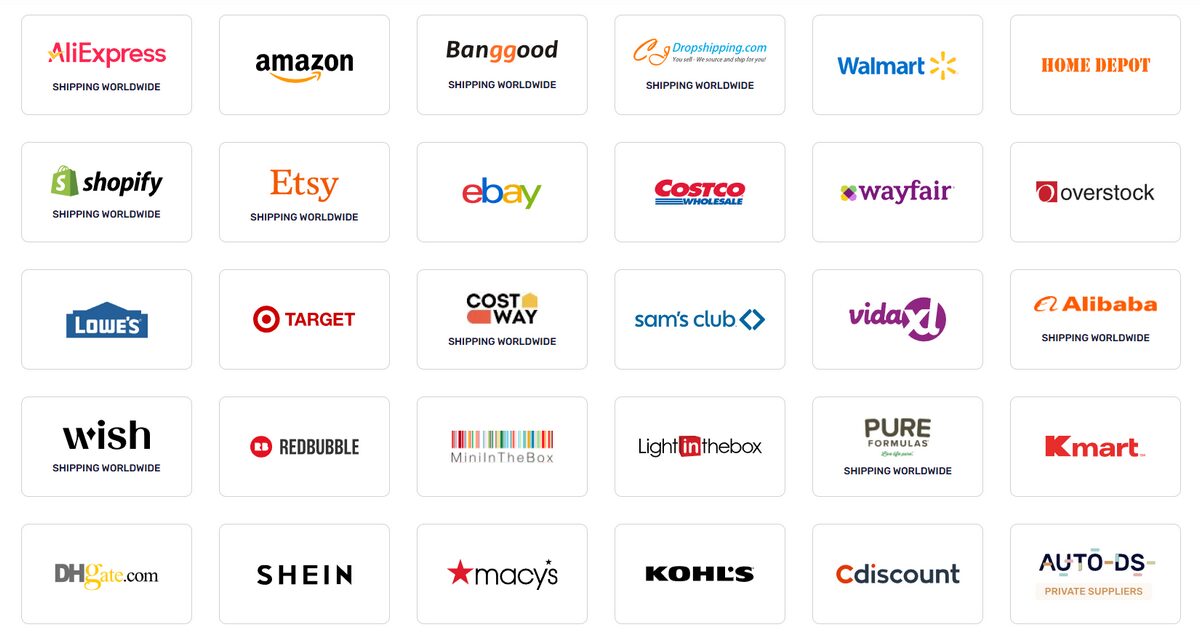
Here’s where you need to sit up straight and listen: the supplier is a key part of your South African dropshipping business. A bad supplier can seriously damage your brand’s reputation. So, be sure to look for suppliers who meet these requirements:
- Fast shipping times
- Quality and quantity of products
- Good return and replacement policies
- Positive user reviews from previous clients
- Excellent customer service
These factors are critical when choosing your next partner.
📦 Supplier’s Tip: Request product samples before committing to a supplier, and responsibly consider working with more than one!
6. Connect With An Automation Tool
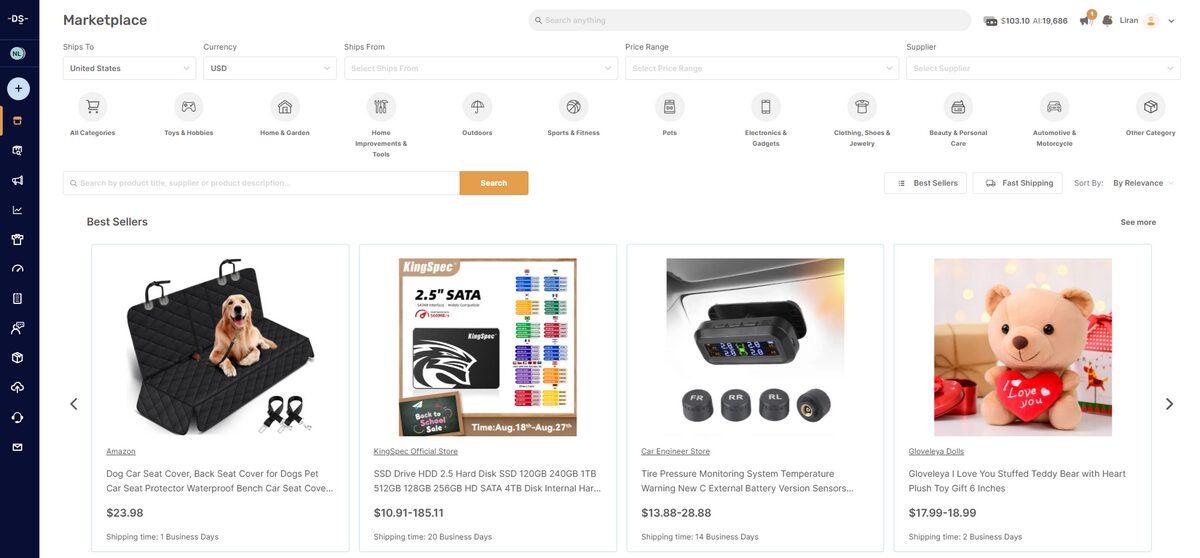
Dropshipping isn’t complicated at all, in fact, its essence is the ease and flexibility as a business model. But even so, it requires managing many small tasks that grow with your business. That’s why automation becomes key.
AutoDS boosts South African dropshipping by automating crucial tasks that would take you ages to do manually. For example, If your supplier suddenly changes a price or runs out of stock and you miss it, you lose money. With AutoDS’s automatic price & stock monitoring, you don’t have to hit F5 daily or manually update prices.
You also don’t have to stress about all incoming orders because with Fulfilled By AutoDS, the order is fully tracked from “add to cart” to delivery at your customer’s door.
These are just two features designed to save you time and reduce errors. Sure, you can dropship manually if you want, but tell me: who climbs 10 flights of stairs when there’s an elevator available?
7. Import Your Products
You can import manually (writing descriptions and sourcing images product by product) or automatically. With AutoDS, you paste a product URL into the importer and the listing details populate for you, which you can then edit to match your brand’s voice.
💡 Pro Tip: If you don’t have time to craft creative titles and descriptions, let our AI do it for you. Try our AI Product Title & Description generator!
8. Market Your Products
Now it’s time to connect your products with your audience. These days, mastering social media like Facebook, TikTok, or Instagram is key (or hire someone on Fiverr who does). Each platform has specific audiences and strategies. Staying on top of trends helps, and you can use resources like these:
- Email marketing: Use (ethically, of course) the data from potential customers to build a mailing list and offer personalized discounts. Everyone likes to feel special.
- Hire an influencer: Depending on your niche, choose an influencer or micro-influencer connected to your target audience. This creates a more organic reach to many people.
- Use Spy Tools: Spy tools give insight into your competitors’ posts, helping you see what works and what to avoid.
9. Provide Excellent Customer Service
Customer service isn’t just “answering emails”, it’s how you build long-term trust. In South Africa, that means:
- Responding promptly to questions and inquiries
- Handling returns and refunds according to the Consumer Protection Act
- Being transparent about delivery timelines and stock availability
But let’s stretch this further: great customer service is the secret sauce that transforms one-time buyers into loyal brand advocates. Go beyond the basics by:
- Personalizing your replies (no robotic templates, real human touches matter).
- Offering proactive updates about order status, mainly if shipping delays occur.
- Following up post-purchase with thank-you messages or discount codes for their next order.
Happy customers don’t just come back, they spread the word. And in a market like South Africa, where e-commerce is still growing, word-of-mouth can be your strongest marketing weapon. Treat customer service as your competitive advantage, and you’ll be ahead of most dropshippers who only see it as an afterthought.
Frequently Asked Questions
Is dropshipping legal in South Africa?
Yes. Dropshipping is a fully legal business model in South Africa. If you’re trading formally, you should register your business with the Companies and Intellectual Property Commission (CIPC) and comply with South African Revenue Service (SARS) rules on income tax and VAT.
What are the best payment gateways for South African dropshippers?
PayFast, Peach Payments, and PayGate are the most widely used payment gateways for South African online stores. They support local currency transactions, multiple payment types, and integrate directly with platforms like Shopify and WooCommerce. Yoco is another common option for sellers who also need in-person or hybrid payment capabilities.
Do I need to register for VAT as a dropshipper?
You’re only required to register for VAT if your annual turnover exceeds ZAR 1 million. Below that threshold, registration is optional, though it can let you reclaim input VAT on business expenses.
Can I sell internationally from South Africa?
Yes. You can ship products internationally from South Africa, but you’ll need to account for customs regulations, shipping times, and tax rules both locally and in the destination country.
Can I dropship with AutoDS from South Africa?
Yes. AutoDS supports South African sellers with automated product sourcing, order fulfillment, and inventory monitoring, and it integrates with major platforms including Shopify, eBay, and Amazon.
Start Dropshipping in South Africa with AutoDS
South Africa is a genuinely good market to build a dropshipping business in right now: it’s large, growing fast, legally straightforward, and still has plenty of room before it gets as crowded as the US or EU. Pick your niche carefully, choose a supplier you trust, and build a store that actually works on mobile, since that’s where most of your customers will find you.
Automation is what turns this from a time-consuming side project into something you can actually scale, and that’s where AutoDS handles the tedious parts, from price monitoring to order fulfillment, so if you want to see how it fits into a South African store, you can get started for $1 and try it yourself.
If you want to keep building out your dropshipping knowledge, here are a few more guides worth reading next: