


Let me guess: You’re probably spending hours thinking about your pricing strategy, but completely forgetting about Shopify shipping rates. These might seem like small details, but they’re actually among the most important conversion factors.
Get shipping rates wrong, and customers abandon checkout the second they see the total. Now, get them right, and see how quickly people buy just because you offer free shipping.
In this guide, we’re focusing on one of the most important (yet usually forgotten) questions: which Shopify dropshipping shipping rate strategy makes sense for your store? Flee, flat, tiered… We’ll cover them all to help you make smarter shipping decisions.
Plus, we’ll show you how to scale your profits with automation. AutoDS helps you automate pricing, track supplier prices, and manage fulfillment all in one place.
The right shipping rate strategy depends on your product price, supplier geography, and profit margins.
48% of cart abandonments stem from unexpected shipping costs — transparency at checkout is non-negotiable.
Free shipping drives conversions, but only works when you bake costs into product pricing without killing margins.
Flat-rate and tiered models offer the best balance of simplicity and profitability for most Shopify dropshippers.
Automation tools like AutoDS simplify shipping cost management across multiple suppliers.
Why Shipping Rates Can Make Or Break Your Dropshipping Store
Newsflash: Your shipping rate strategy directly impacts whether customers complete checkout or abandon their carts. Simple (and harsh) as that. You can have the best product, the most reliable supplier, and the prettiest store. But if shipping is too expensive, forget it: shoppers will go to the store next door.
The data is stark: 39% of online shoppers abandon their carts when extra costs like shipping fees appear unexpectedly at checkout. That single statistic should reshape how you think about Shopify dropshipping shipping rates.
Moreover, 59% of adults get frustrated by high delivery costs and 37% by having to pay for returns, according to e-Marketer. The same study shows that shoppers are even willing to meet a minimum purchase threshold just to have free shipping.
💡 Pro Tip: You can take advantage of that last metric by setting a free shipping threshold slightly above your average order value. This encourages customers to add more items to their cart, boosting your revenue while covering shipping costs.
From an operational standpoint, 64% of dropshippers cite shipping delays as their biggest pain point, based on a 2025 SellersCommerce survey of 3,161 store owners. When you factor in that most dropshipping businesses operate at 15-20% net margins, the gap between what your supplier charges for shipping and what you present to customers defines your business’s viability.
The scenario is clear: your shipping rate strategy is just as important as your pricing, supplier, or marketing strategy. It’s the lever that controls cart abandonment, customer satisfaction, and bottom-line profit.
5 Shopify Shipping Rate Types Every Dropshipper Should Know
Shopify offers five distinct shipping rate structures, and choosing the right one depends on your product mix, supplier locations, and margin targets. Here’s what each type delivers and where it fits best.
Type | How It Works | Best For | Profit Impact |
Free Shipping | No shipping charge displayed; costs absorbed into product price | Low-ticket items, competitive niches, conversion optimization | Highest conversion rates, but requires careful margin math |
Single Flat Rate | One fixed shipping fee regardless of order size or weight | Simple product catalogs, predictable supplier costs | Predictable margins, easy to calculate |
Tiered Flat Rates | Different rates based on order value or weight thresholds | Mixed product catalogs, encouraging larger orders | Balances accuracy with simplicity |
Per-Item Rates | Each product carries its own shipping charge | Varied product sizes/weights, accuracy-focused stores | Most accurate but complex at scale |
Calculated Rates | Real-time rates pulled from USPS, UPS, DHL, or shipping apps | High-volume stores, transparent pricing strategies | Accurate but can cause checkout friction |
Let’s break them down one by one.
First, everyone’s favorite: Free shipping. This removes the biggest conversion barrier but requires you to absorb costs into your product pricing. In other words, it’s not actually free. It’s just that you are paying for it. This works well for items under $30, where shipping costs represent a larger share of the total price.
Then, you have single flat rate shipping. This one gives both you and your customers predictability. You charge $5.99 or $7.99 regardless of what they order, and you build your product pricing to account for that fixed revenue.
Tiered flat rates, on the other hand, let you scale shipping costs with order value. This can be price-based or weight-based. You might charge free shipping for orders over $50, $4.99 for orders $25-$50, and $7.99 for orders under $25. This structure encourages customers to add items to reach the next threshold.
Another option is per-item rates. Basically, these assign specific shipping costs to each product. This approach is most accurate for stores with items of significantly different sizes and weights, but it becomes complicated as your catalog grows beyond a few dozen items.
Lastly, you have calculated carrier rates. In this case, you pull real-time shipping quotes from carriers like USPS, UPS, or DHL based on the customer’s location and package details. Some customers appreciate the transparency, but others abandon carts when rates seem high.
🆕 Beginner’s Tip: Don’t know how to set up these shipping rates on Shopify? No worries: check out the complete guide to setting up shipping on Shopify for dropshipping.
The rate type you choose shapes customer expectations and your profit per order. Make sure to choose based on your product economics, not just what seems simplest.
How To Choose The Right Shipping Rate Strategy For Your Store
The best shipping rate strategy is shaped by five factors: product price range, supplier geography, margin targets, customer expectations, and your business stage. Each factor narrows your options toward the approach most likely to protect both conversions and profitability.
Factor 1: Product Price Range
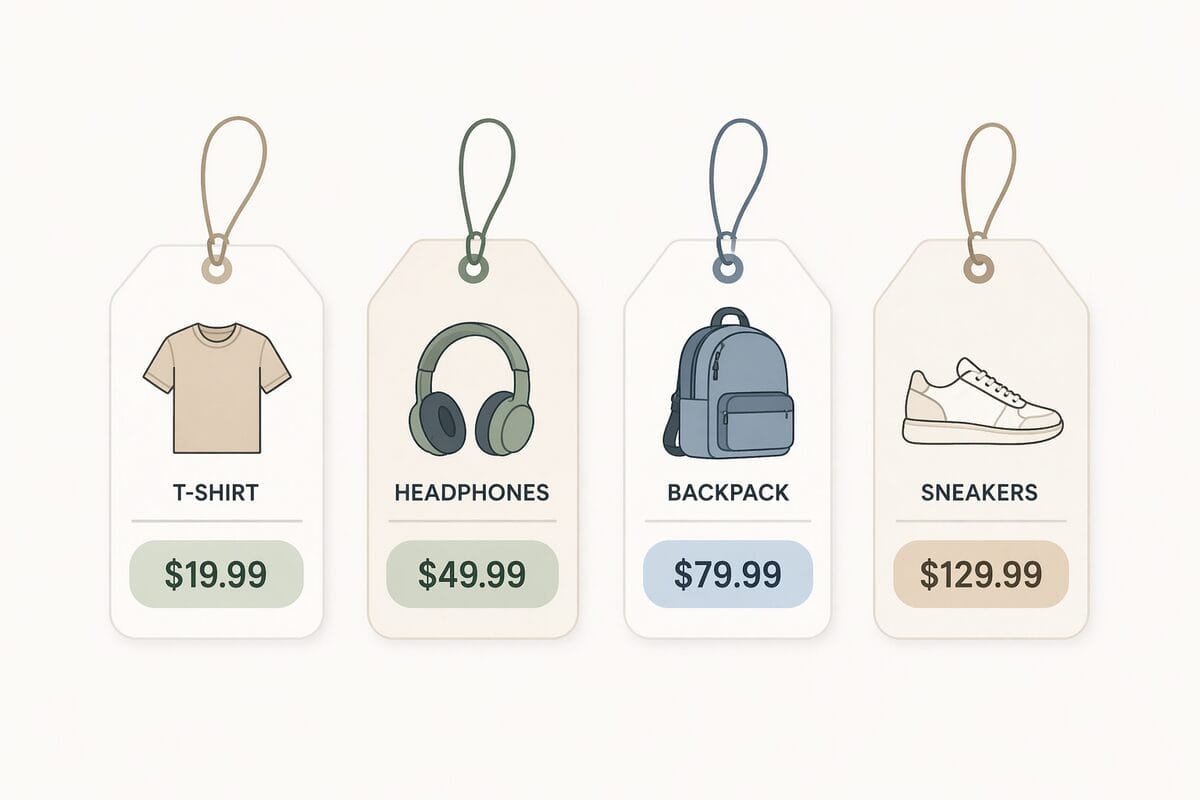
Low-ticket products under $25 almost always need free shipping baked into the price. When shipping costs represent 20-30% of a cheap product’s value, displaying them separately creates immediate sticker shock.
Instead, higher-ticket items above $50 can absorb a flat-rate fee without a huge impact on conversion, since the shipping charge represents a smaller percentage of the total.
Factor 2: Supplier Geography
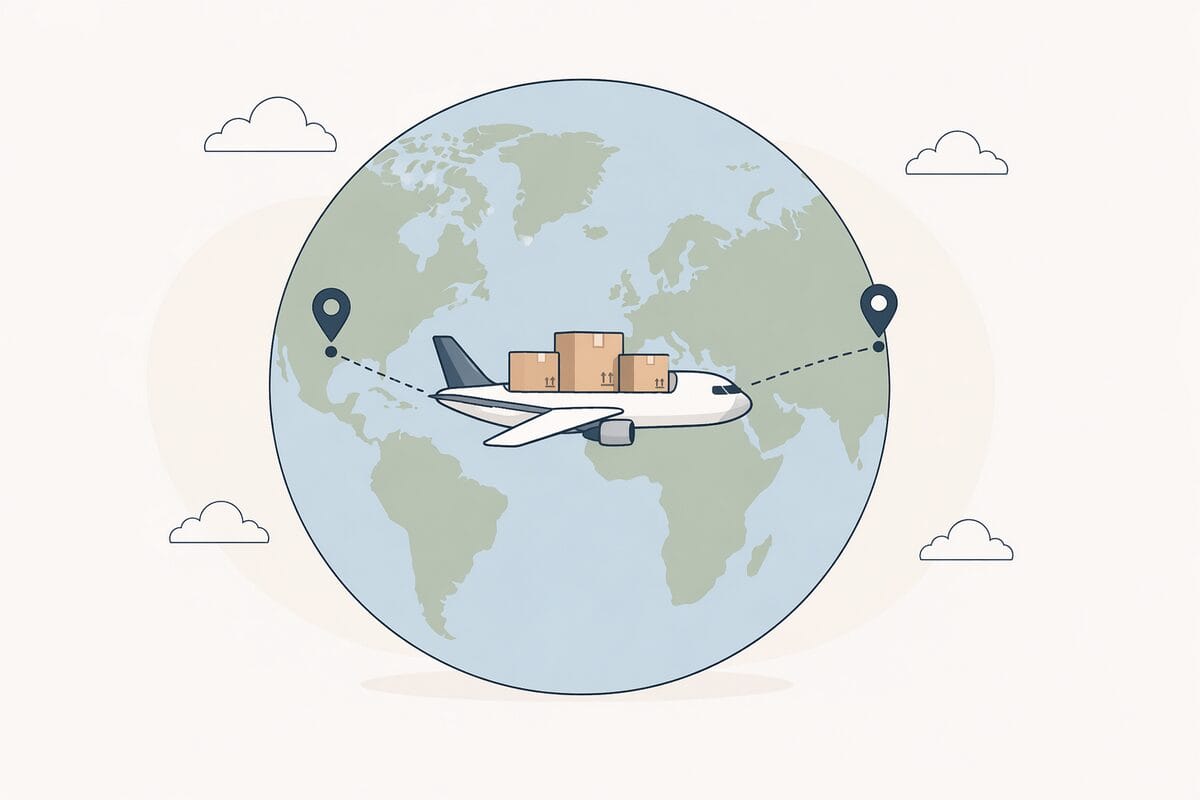
Your supplier’s location defines your baseline shipping costs (and your delivery times):
US dropshipping suppliers typically charge $5-$15 for standard domestic shipping with 3-7 day delivery. Meanwhile, China and AliExpress suppliers often offer free or low-cost ePacket shipping ($0-$5), but with longer delivery windows of 7-20 days.
The key is finding suppliers that hit that sweet spot between cost and speed
📦 Supplier’s Tip: AutoDS’s built-in research tools help you evaluate shipping costs and timelines, so you understand your true landed cost before committing to a product.
Factor 3: Profit Margin Targets
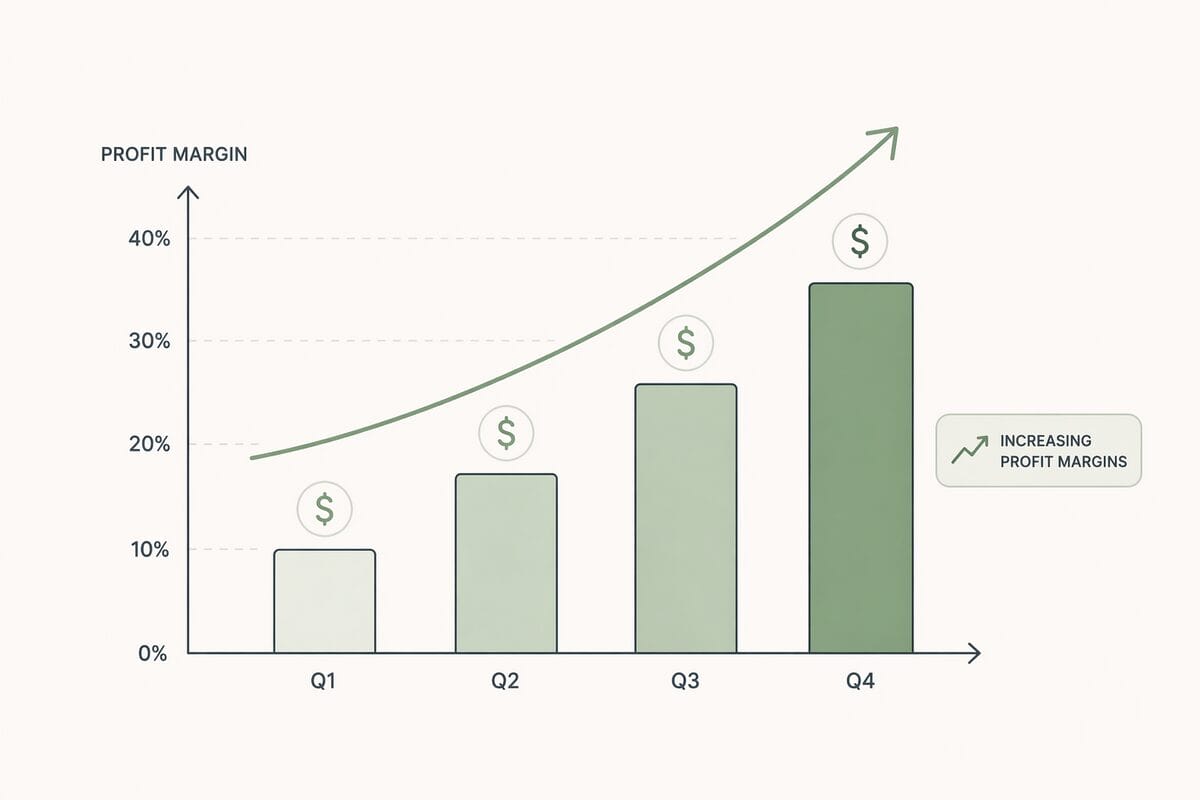
Before you decide what to charge for shipping, you need to understand one thing: how much room you actually have to work with. Many dropshippers lose significant profits on miscaculated margins, especially when shipping costs are not factored in from the beginning.
You can use this formula to understand your cost structure: (Product Cost + Shipping Cost + Platform Fees) / Selling Price = Cost Ratio.
Most successful dropshippers target a cost ratio of 60-70% in their dropshipping pricing strategies. This leaves 30-40% gross margin before marketing expenses. If your shipping strategy pushes that cost ratio above 80%, your margins disappear after ad spend.
Factor 4: Customer Expectations
When it comes to shipping, speed isn’t the top priority most sellers think it is. What customers really care about is simple: avoiding extra costs at checkout.
In fact, consumer research reveals a clear hierarchy. 82% of shoppers prefer free shipping over fast shipping, according to Capital One Shopping’s 2026 data. The same research found that 95% prefer free standard shipping over paid expedited options.
This means one simple thing: your customers would rather wait longer to avoid a shipping charge.
Factor 5: Business Stage
Your shipping strategy doesn’t need to be perfect from day one. In fact, trying to optimize too early usually just adds unnecessary complexity.
At the beginning, simplicity wins. If you’re just getting started on Shopify dropshipping, you can start with free shipping or simple flat rates. This will give you clean data on product performance before making more strategic decisions.
“This is probably the most popular automated dropshipping product app for Shopify right now. It uses AI to automate many of the processes. Plus, AutoDS also manages the entire fulfillment process for you.” – Wholesale Ted
Then, as you scale and incorporate more order data, you can start testing tiered rates and more sophisticated approaches.
Here’s a simple framework you can follow:
Business Stage | Product Price | Recommended Strategy |
Beginner (0-100 orders) | Under $30 | Free shipping baked into price |
Beginner (0-100 orders) | $30-$75 | Flat rate $4.99-$6.99 |
Growing (100-1,000 orders) | Mixed catalog | Tiered rates with free shipping threshold |
Scaling (1,000+ orders) | Varied | Data-driven tiered rates or calculated rates |
One important benchmark: the average free shipping threshold sits at $64 according to Red Stag Fulfillment, but shoppers are only willing to add $43 worth of products to reach it. So, the main takeaway? Set your threshold too high, and customers won’t stretch to meet it.
Your shipping strategy should evolve as your business matures. Start simple, optimize with data, and automate as complexity grows.
How To Calculate Breakeven Shipping Costs (With Examples)
Before you decide what to charge for shipping, you need to know how much you can actually afford to spend on it. This is where most dropshippers get it wrong. They set shipping rates based on guesswork, not on real numbers.
In reality, your shipping budget isn’t random. It’s whatever is left after covering product cost, platform fees, and marketing expenses, while still protecting your margins. Here’s a formula that covers it:
Selling Price – Product Cost – Platform Fees – Marketing Cost = Maximum Shipping Budget.
Let’s break down how that math works in a few real-world scenarios.
Example 1: Low-Ticket Product
You’re selling a trending gadget for $25. Your product cost from the supplier is $8. Shopify’s transaction fees run approximately 2.9% + $0.30, totaling about $1.03 on this order. You’ve allocated $5 for customer acquisition cost.
👉 $25 – $8 – $1.03 – $5 = $10.97 remaining
👉 If your supplier charges $3 for shipping, you have $7.97 left as gross profit.
💰 Total margin = 32%
Free shipping works here because you can absorb the $3 cost and still maintain healthy margins. If you displayed that $3 as a separate charge, you’d probably lose that 48% of shoppers who abandon carts because of the extra charge.
Example 2: Mid-Range Product
You’re selling a home organization product for $45. Product cost is $18. Shopify fees are approximately $1.61 (2.9% + $0.30). Marketing cost is $8.
👉 $45 – $18 – $1.61 – $8 = $17.39 remaining
👉 Your supplier charges $6 for shipping. You could absorb this and keep $11.39 profit (25% margin), or charge a $4.99 flat rate for a total of $49.99
💰 Total margin = 27%
In this case, for mid-range products, flat-rate shipping on Shopify often makes more sense than pure free shipping.
Example 3: Multi-Supplier Cart
A customer orders three items from your store: a $20 item (Supplier A, $3 shipping), a $35 item (Supplier B, $5 shipping), and a $15 item (Supplier A, $2 shipping). Total order value is $70, but your combined shipping cost is $10 since the two Supplier A items ship together.
A tiered shipping structure handles this elegantly. You might charge free shipping on orders above $60, which this order qualifies for. Your blended shipping cost of $10 on a $70 order represents 14% — acceptable if your product margins support it.
Two often-overlooked factors:
- Shopify Shipping offers discounted carrier rates — up to 88% off retail prices from USPS, UPS, and DHL — when you purchase labels through the platform. This can dramatically reduce your actual shipping costs versus what suppliers quote.
- Second, budget for return shipping. If your return rate is 5% and return shipping costs $8, that’s an average of $0.40 per order, eating into your margins.
Most dropshippers maintain 15-20% dropshipping profit margins after all costs. This means that your shipping rate calculations need to protect those margins while remaining competitive.
So here’s the main lesson: Run the breakeven math on your actual products before setting shipping rates, as assumptions can cost you money.
Handling Shipping From Multiple Suppliers On Shopify
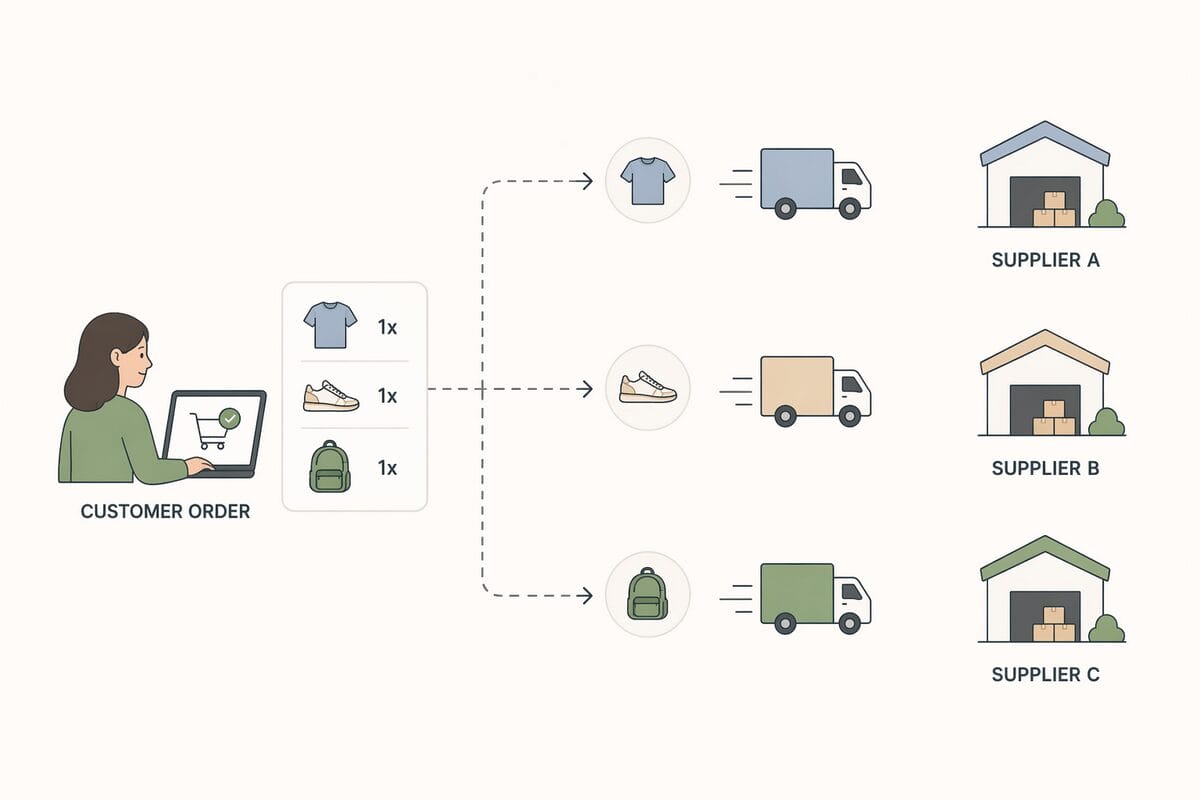
Managing shipping rates becomes genuinely complicated when your products come from different suppliers with different costs, locations, and delivery timeframes. A customer who orders three products might trigger shipments from three separate warehouses, each with its own rate structure.
The core problem:
- Supplier A ships from California with $5 rates and 3-day delivery.
- Supplier B ships from China with free ePacket but a 15-day delivery.
- Supplier C ships from New Jersey with $8 rates and 5-day delivery.
The challenge: How do you present this to customers without creating checkout confusion?
Well, here’s the good news: Shopify shipping profiles let you assign products to different rate structures based on their shipping origin. For example, you can create location-based profiles that reflect your actual supplier costs.
The tradeoff? While this approach works well, it can become hard to manage as your catalog grows. Every new product needs to be assigned correctly, and small mistakes can lead to inaccurate rates, lost margins, or confusing checkout experiences.
Next, we’re breaking down a few strategies you can implement.
Strategy 1: Blended Flat Rate
Calculate your average shipping cost across all suppliers, add a small buffer, and charge one flat rate. If your average is $4.50, charge $5.99. Some orders will be more profitable than others, but it averages out, and customers get a simple, predictable experience.
Strategy 2: Separate Location Profiles
Create distinct shipping profiles for each supplier location. Products from US suppliers carry one rate structure; products from international suppliers carry another. This is more accurate but creates complexity when customers mix products from different origins.
Strategy 3: Automation Routing
Once you start scaling (think 50+ products across multiple suppliers), shipping management stops being a small task and turns into a real operational workflow. Manually tracking different shipping costs, locations, and delivery times quickly leads to mistakes and margin leaks.
This is where automation comes into play. Instead of handling everything manually, AutoDS centralizes supplier data and automates pricing rules to keep your store up to date and profitable at all times.
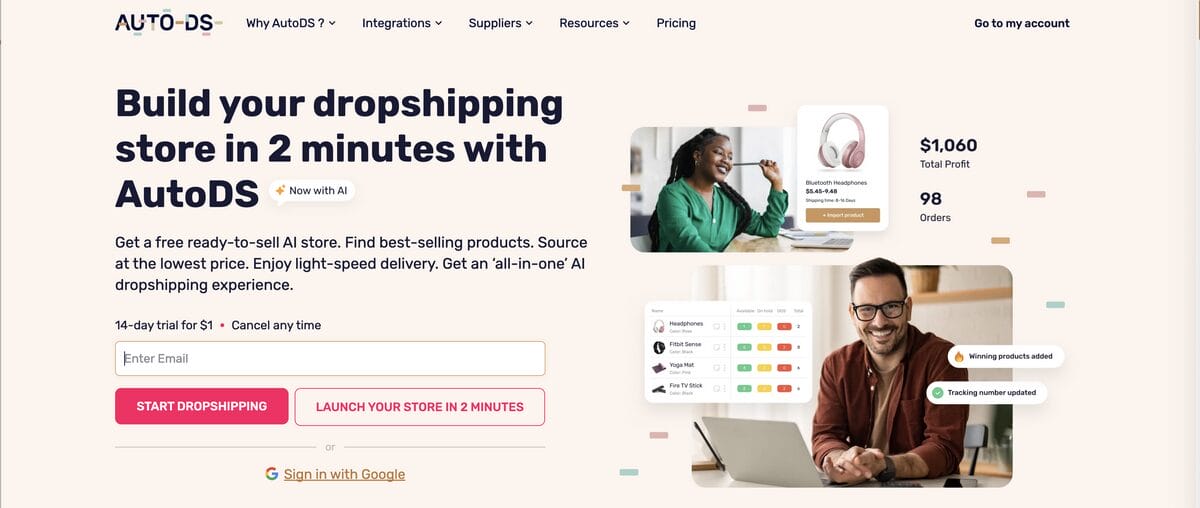
AutoDS lets you import products from multiple suppliers, like Amazon, eBay, Etsy, and more, and manage your listings directly in one dashboard. From there, you can activate price and stock monitoring, as well as pricing rules to protect your margins.
Then, the Fulfilled by AutoDS feature routes orders to suppliers automatically, handling the fulfillment complexity that would otherwise require a dedicated operations person.
4 Best Practices To Optimize Your Shipping Rates Over Time
Your initial shipping strategy is a starting point, not a permanent decision. The most profitable Shopify dropshippers adjust shipping rates over time, based on real data like conversion rates, order value, and actual shipping costs.
Here are a few tricks to improve your shipping rate strategy:
1. Track Actual Vs. Estimated Shipping Costs Monthly
Once you start selling, you need to keep an eye on how shipping costs actually work out. Go back and compare what you expected to pay with what you’re actually being charged.
Supplier rates can change, carriers add extra charges, and even small differences in package weight can throw things off. If you’re consistently paying 10-15% more than projected, your margins are slowly shrinking. A simple habit helps: review your numbers monthly, and make adjustments every quarter.
2. A/B Test Free Shipping Thresholds
The threshold you choose makes all the difference. But how to choose the right one? Simple: with A/B testing. An A/B testing process is designed to compare two versions of something, like pricing, shipping threshold, or even titles and descriptions. The goal is to choose the one that performs better based on real user behavior.
Start with a $50 free shipping threshold, then test $35 and $75 to see how order values respond. Capital One Shopping’s 2026 research found that 81% of American shoppers will add items to their cart specifically to qualify for free shipping. The right threshold captures this behavior without giving away margin on orders that would have converted anyway.
3. Display Shipping Costs Early
Showing shipping costs too late in the checkout process can cause shoppers to abandon their carts. That’s why transparency from the beginning is so important.
Show estimated shipping on product pages or in the cart summary, not for the first time on the final checkout screen. Transparency reduces abandonment even when the shipping cost itself is higher. Having a clear shipping policy template helps you communicate rates upfront.
4. Revisit Strategy As You Scale
As your store grows, the way you handle shipping needs to grow with it. Here’s the thing: what works at 50 orders per month can start breaking down at 500.
That’s when more structured approaches, like tiered rates, start making sense. They may feel like overkill at the beginning, but at higher volumes, they’re key to protecting your margins. The same goes for automation. What once felt optional becomes essential to keep everything running on autopilot.
For instance, AutoDS’s Price And Stock Monitor tracks price and inventory changes from your suppliers, keeping your shipping cost data up to date without manual checks.
In short, your shipping strategy should evolve with your business. The approach that works for your first 100 customers won’t necessarily work for 10,000.
Frequently Asked Questions
What Should My Shipping Rates Be On Shopify?
Your rates depend on product price and supplier costs. Most successful dropshippers use free shipping baked into the price for items under $30 and flat rates of $4.99-$9.99 for higher-priced items.
How Much Does Shopify Charge For Shipping?
Shopify doesn’t charge shipping fees directly — you set your own rates. Shopify Shipping offers discounted carrier rates of up to 88% when you purchase labels through the platform.
Should I Offer Free Shipping On My Dropshipping Store?
Yes, you should offer free shipping on your dropshipping store. Free shipping can increase the average order value (AOV) by 15% to 20%. That said, it only works if you absorb the cost in your product pricing. Calculate your margins first before committing.
How Do I Handle Shipping When I Have Multiple Suppliers?
When you have multiple suppliers, you can handle shipping by using Shopify shipping profiles to assign products from different suppliers to separate rate structures. Alternatively, use a blended flat rate that averages costs across suppliers. You can also use dropshipping tools like AutoDS to centralize the entire operation in one place.
What Is The Average Shipping Cost For Dropshipping In The USA?
The average shipping cost for dropshipping in the US is usually around $5-$15 to ship from US dropshipping suppliers. International suppliers like those on AliExpress may offer free or low-cost ePacket shipping, but with longer 7-20 day delivery times.
Choose The Right Shipping Strategy & Scale With AutoDS
Your shipping rate strategy touches every part of your dropshipping business, like cart abandonment rates, customer satisfaction scores, and your profit margins. Get it wrong, and you lose money on every sale. Get it right, and shipping becomes a competitive advantage.
Truth is… the right approach evolves as your business grows. Start simple with free shipping or flat rates while you learn how your products and customers behave. As orders increase, you can introduce tiered pricing and free shipping thresholds. And once things start getting harder to manage manually, bring in automation to keep everything running smoothly.
AutoDS brings product research, supplier management, and fulfillment into a single platform designed for dropshippers. Instead of manually handling orders, AutoDS integrates directly with Shopify to centralize your operations and automate fulfillment. You can try for just $1 now!
In the meantime, here are a few other reads you might find helpful for your Shopify dropshipping strategy: