



Starting a home-based business in the UK is one of the most practical ways to build extra income, test a business idea, or move toward working for yourself. With more people shopping online, hiring remote services, and looking for flexible ways to earn, there are now plenty of opportunities that don’t require a physical shop, warehouse, or large upfront investment.
The key is choosing an idea that fits your skills, budget, and lifestyle. Some home businesses are service-based, like web design or consulting. Others are product-based, like dropshipping, print-on-demand, or selling handmade items online.
In this guide, I’ll explore the best home business ideas in the UK, how much they can cost to start, what you can realistically earn, and which UK rules, platforms, and tools you should know before getting started.
For instance, if you choose dropshipping, AutoDS can help simplify the process by automating product research, importing, price and stock monitoring, order fulfillment, and tracking updates from one centralized platform.
Why Home Business Ideas In The UK Are Worth Considering In 2026
Home-based business ideas in the UK are especially attractive because they align with how many small businesses already operate. According to the UK Government’s official statistics, at the start of 2025, the UK had an estimated 5.7 million private-sector businesses, and 4.3 million (75%) of them had no employees other than the owners. In other words, around three-quarters of UK private-sector businesses were owner-run or non-employing.
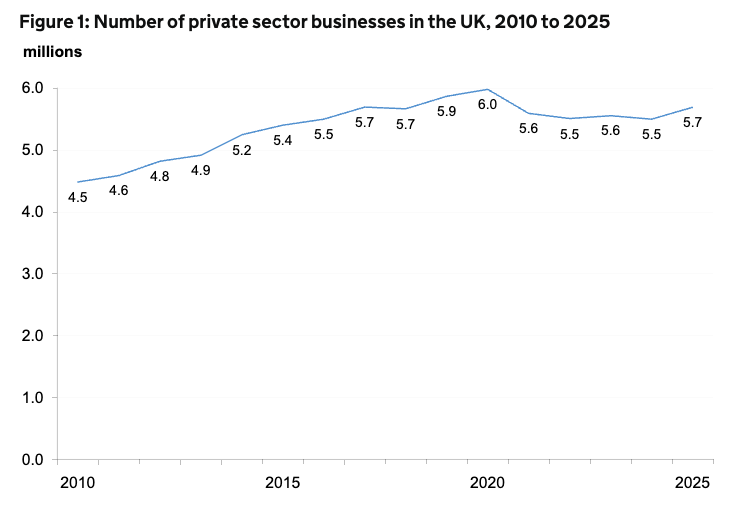
The trend is also moving in favor of small, flexible businesses. The same report indicates that between 2024 and 2025, the total UK private-sector business population increased by 191,000 businesses, while non-employing businesses increased by 201,000. Since 2010, non-employing businesses have accounted for 84% of total business growth, showing how important solo founders, freelancers, and home-based entrepreneurs have become to the UK economy.
Startup costs can also be lower than many people expect, especially for online and service-based models. Startup costs vary depending on the business model, but many UK home business ideas can be started with around £1,000 or less, especially if you choose a service-based, digital, or inventory-free model.
And for online business ideas, the UK market is already highly digital. ONS data shows that internet sales represented 27.6% of total retail sales in May 2026, up from 21.4% in December 2019, according to the UK Office of National Statistics.
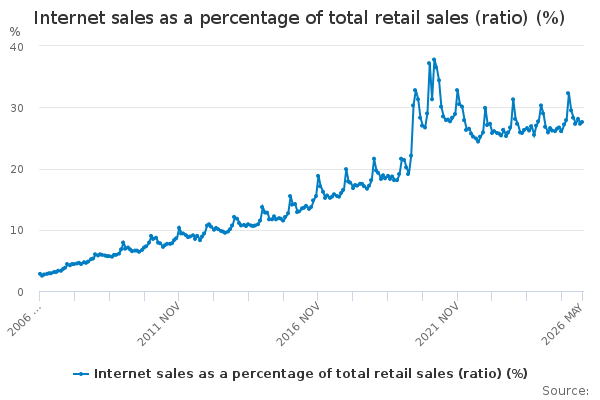
So, the opportunity is clear: the best home-based business ideas in the UK are flexible, low-overhead models built around convenience, simple logistics, online shopping, remote services, and solo entrepreneurship.
The Pros And Cons Of Making Money From Home In The UK
Before I list the best home business ideas, let’s explore the benefits and drawbacks of working from home in the UK. Here are the pros and cons:
Pros
- Global reach
- No more commuting
- Low-cost
- Flexibility
One of the biggest advantages of working from home is flexibility. Since you’re not tied to a physical location, you can reach customers beyond your local area and sell your products or services to a much wider audience.
It also helps reduce everyday costs and time commitments. There’s no commute, no need to rent office space, and fewer traditional overhead expenses. That makes it easier to start lean, manage your schedule, and focus more energy on actually growing the business.
On top of that, running a home-based business gives you more control over how and when you work. You can build a routine that fits your lifestyle, choose the hours that make you most productive, and create a work environment that supports your goals.
Cons
- Increased distractions
- Comply with traditional UK business regulations
- Reduced social life
Running a business from home comes with a few challenges. One of the biggest is distraction. While offices have their own interruptions, home can bring a different set of distractions, from family and pets to household tasks. That’s why it’s important to create a dedicated workspace and set boundaries between work time and personal time.
Also, working from home does not mean operating outside the rules. If you run a home business in the UK, you still need to understand basic UK business regulations around taxes, VAT, customs duties, online selling rules, and business records.
Another potential downside is isolation. Without a shared office environment, it can be harder to connect with colleagues, partners, suppliers, or other business owners. To avoid this, schedule regular check-ins, join online communities, attend networking events, or use tools like Zoom, Slack, and Google Meet to stay connected.
Finally, it helps to follow a clear work schedule. Having defined working hours makes it easier to stay productive without feeling like you are always “on,” which is essential for maintaining a healthy work-life balance.
10 Best UK Home Business Ideas To Boost Your Profit Margins
Now that you know about the advantages and disadvantages of working from home in the UK, let’s find out the best ways to make money. Here are the ten best UK home business ideas to boost your profit margins, plus a comparison table to help you compare them easily and quickly.
10 Best UK Home Business Ideas — Comparison Table
| Home Business Idea | Estimated Startup Cost | Revenue Potential | Best UK Platforms | UK Requirements To Check |
|---|---|---|---|---|
| Handmade Products | £50–£500+ | £100–£2,000+/month | Etsy UK, eBay UK, and a Shopify/WooCommerce store | Register for Self Assessment once you earn over £1,000 in a tax year |
| Dropshipping Business | £100–£1,000+ | £200–£5,000+/month after product validation | Shopify, eBay UK, AutoDS, Amazon UK, TikTok Shop, Facebook Marketplace | Follow UK consumer return rules, product safety standards, VAT rules, and supplier/marketplace policies |
| Print-On-Demand Business | £100–£600 | £200–£4,000+/month | Shopify, Etsy UK, AutoDS, Printify | Follow UK online selling and return rules |
| Affiliate Marketing | £0–£300 | £50–£5,000+/month | Amazon Associates UK, TikTok, Blogs, YouTube | Track commissions as taxable income and disclose affiliate links clearly |
| Buy & Sell on Marketplaces | £100–£1,000+ | £200–£5,000+/month | eBay UK, Amazon UK, Facebook Marketplace | Follow marketplace rules, distance selling obligations, product safety rules, and VAT rules if turnover scales |
| Website Design Services | £100–£800 | £500–£5,000+/month | Fiverr UK, PeoplePerHour, Upwork, LinkedIn, local business directories | Keep invoices and expense records; check whether you need to pay the ICO data protection fee if you process personal data |
| SEO Consulting | £100–£500 | £500–£6,000+/month | Fiverr, LinkedIn, PeoplePerHour, UK startup communities | Use contracts, keep records, and check ICO obligations if handling client data or analytics access |
| Create a Blog | £50–£300 | £0–£2,000+/month after traffic growth | WordPress, Shopify blog, and Wix | Disclose affiliate relationships, protect user data, and track income for Self Assessment |
| Become A YouTuber | £0–£1,000+ | £0–£3,000+/month once monetized | YouTube (or TikTok and Instagram for short-form content) | Eligibility milestones before monetization, including subscriber, upload, watch-hour, or Shorts-view requirements |
| Host a Podcast | £100–£800 | £0–£2,000+/month after audience growth | Spotify for Podcasters, Apple Podcasts, YouTube | Sponsorships, affiliate income, and ad revenue are taxable; contracts help clarify deliverables with sponsors |
Sell Your Handmade Products
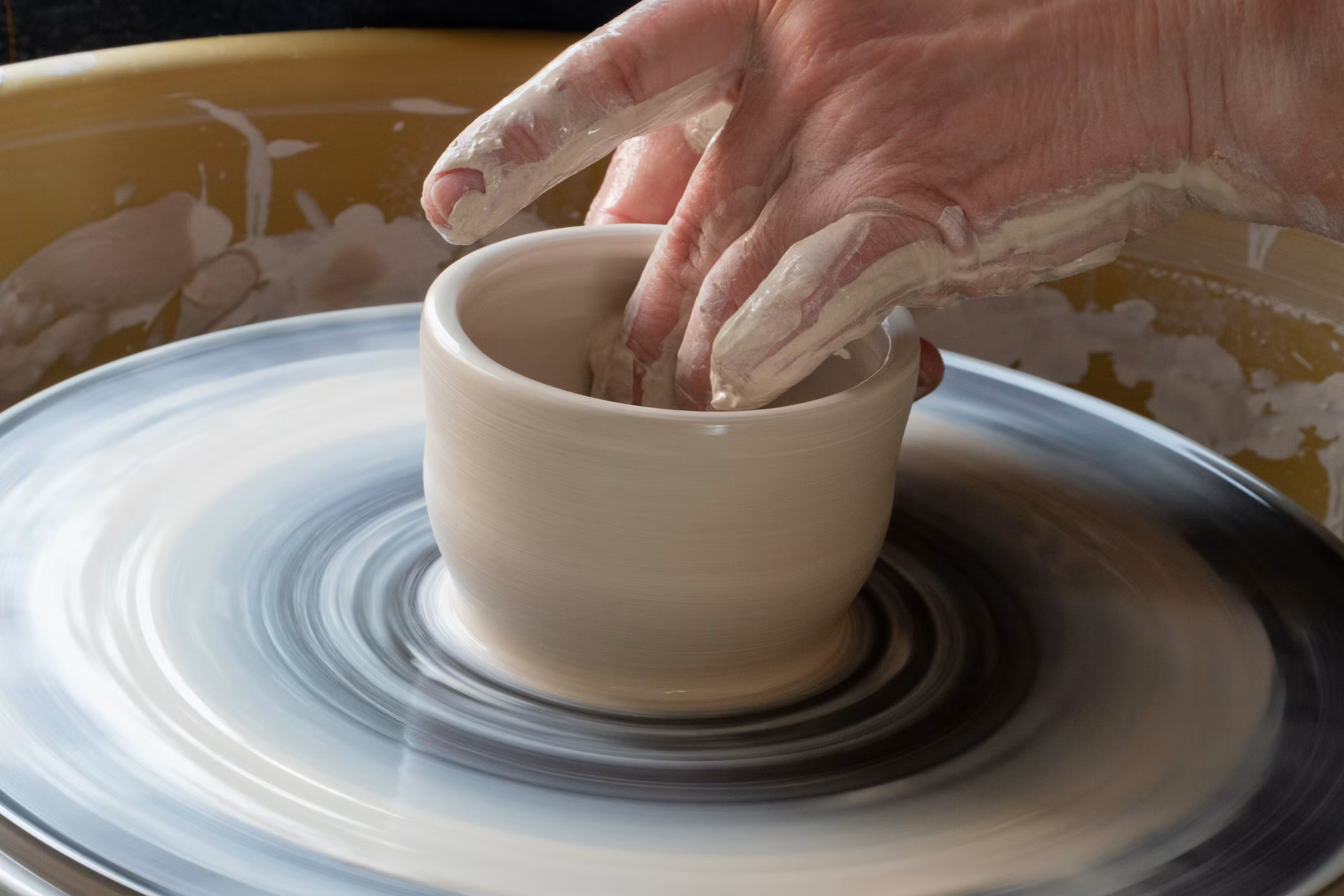
If you have a hobby that you enjoy, then why not turn it into a money-making business? Generally, there are many ways to make money from handmade products. All you need is a skill set good enough to create products. Think candles, apparel, home decorations, handmade jewelry, soaps, baked goods, art prints, ceramics, knitted accessories, or personalized gifts.
The best part is that homemade products often feel more personal than mass-produced items, which can help you stand out in a crowded market and sell at higher prices. You can start small by selling through platforms like Etsy UK, eBay UK, Shopify, or local craft markets, then scale once you understand which products attract the most demand.
💡 Pro Tip: Etsy is an excellent selling channel for this purpose. Etsy stands out as a marketplace for handmade, authentic, and creative products. You can sell your own production or dropship on Etsy as long as you meet its creativity standards. This includes handmade products, vintage items, craft supplies, or products they have designed or curated themselves.
Start A UK Dropshipping Business
And finally, the last but most effective home business idea is to start dropshipping in the UK. In essence, dropshipping is an eCommerce business model where you fulfill your customers’ orders without holding inventory. Instead, you partner with a dropshipping supplier who holds the inventory in their warehouse and delivers the order to your customers.
As a dropshipper, you act as the middleperson between the customer and the supplier. Most importantly, you only have to pay the supplier after selling the product. Therefore, dropshipping is the most efficient method to make money from home as it’s low-risk and high-reward.
💡 Pro Tip: You can pair many of the ideas above with the dropshipping business model to increase your earning potential. For instance, you can combine a monetized blog with a dropshipping store that supports the same niche, such as a fitness blog selling workout accessories, a beauty blog selling skincare tools, or a home decor blog selling trending interior products.
AutoDS For Dropshipping Automation
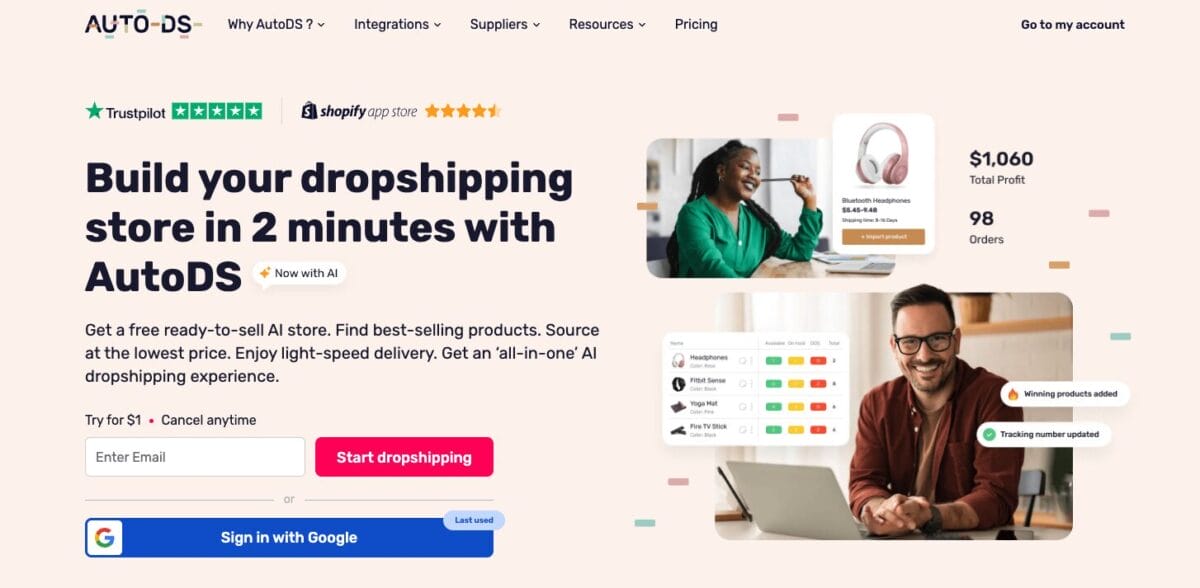
Now that you know why dropshipping can work well as a home business idea in the UK, the next step is making the process easier to manage. After all, dropshipping is not just about choosing products. It also involves importing listings, tracking supplier stock, updating prices, processing orders, uploading tracking numbers, and handling customer expectations.
Technically, you can manage these tasks manually. However, that becomes difficult as soon as you start testing multiple products or receiving consistent orders. A price change can reduce your margins, an out-of-stock product can lead to cancellations, and manual order fulfillment can quickly take up hours of your day.
That’s why automation is so useful. Instead of handling every repetitive task yourself, dropshipping automation helps you manage the operational side of your store more efficiently. With AutoDS, for example, you can automate and streamline key tasks such as:
- Product research
- Product importing
- Price and stock monitoring
- Order automation
- Fulfillment management
- Tracking updates
- Price optimization
By automating these processes, you can spend less time on manual admin and more time on the parts of the business that actually drive growth, such as choosing better products, improving your store, testing marketing channels, and increasing sales.



Start A UK Print-On-Demand Business
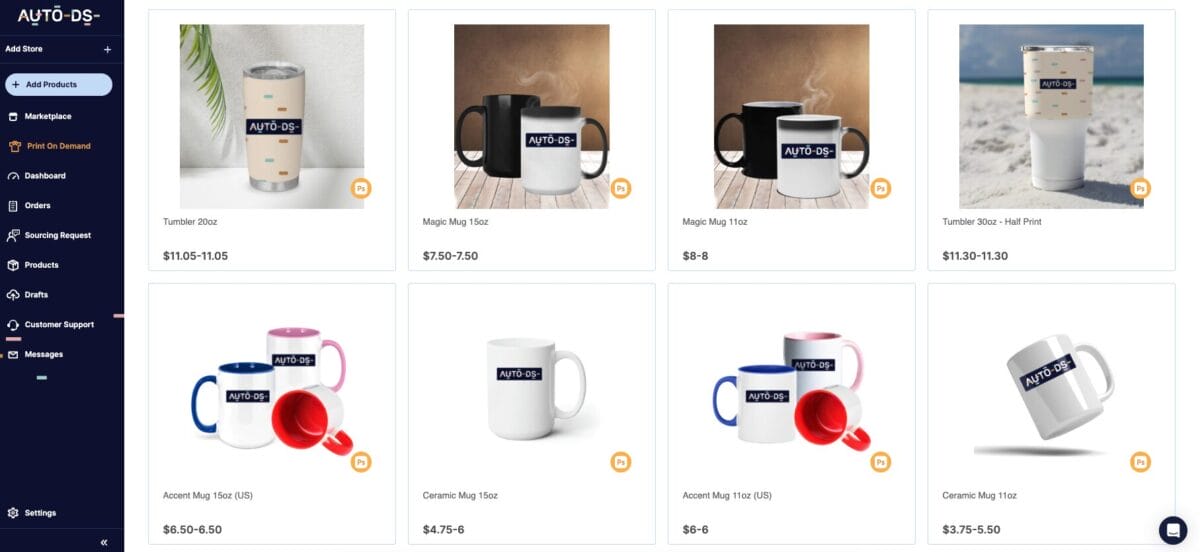
If you have a keen eye for design, then getting into the print-on-demand business in the UK is the best way to make money. Print-on-demand is an order fulfillment service that allows you to customize products like t-shirts, mugs, and pillowcases with your design and sell them in your stores.
With this business, you can sell print-on-demand products at a higher profit margin because they are unique and not already on the market. Overall, a print-on-demand business offers you a great opportunity to use your creativity and design skills to earn money from home.
Become A UK Affiliate Marketer

If you are a good blogger, you can also be an excellent affiliate marketer. In general, affiliate marketing is a type of performance-based marketing. And businesses reward affiliates for each customer that purchases their products and services through an affiliate’s marketing efforts.
To elaborate, you can use your blog or social channel to promote products and services and include affiliate links. When your viewers click the link, they are redirected to the other business’s product page. Then, if customers buy products or subscribe to services, conversions are tracked, and you earn a per-click commission.
This way, affiliate marketing is an excellent, easy way to make money online, especially if you already have an audience.
Buy & Sell On Marketplaces
Another home business idea in the UK is to buy and sell on marketplaces like eBay and Amazon. Now, I know what you are thinking. Everyone can buy and sell on marketplaces. However, the secret lies in buying low and selling high.
Even though everyone is doing it, you can make money in the UK by buying low on one marketplace and selling it at a higher price in another. Similarly, you can also sell in the same marketplace but in a different region. Therefore, if you can consistently find good deals and sell them for profit, you can make a lot of money remotely in the UK.

Create A Blog

While video content keeps growing, written content still has a strong place online. A blog is a website that’s regularly updated with articles, guides, opinions, or resources, often written in a more conversational style. Many businesses use blogs to attract traffic, educate potential customers, and promote their products or services. At the same time, personal blogs can become profitable, especially in niches such as fashion, travel, beauty, finance, food, parenting, and lifestyle.
There are several ways to monetize a blog, including affiliate marketing, display ads, sponsored posts, paid reviews, digital products, and your own services. So, if you enjoy writing and want to build an audience around a specific topic, creating your WordPress or Substack blog can be a flexible home business that lets you turn your knowledge, opinions, or passions into income.
Become A YouTuber

Let’s admit it, we all wanted to be famous YouTubers with millions of subscribers at some point in our lives. Who doesn’t want to have both fame and fortune, right? As one of the most popular video-sharing sites in the world, YouTube has become a platform for people to make money.
In essence, video creators can earn from their videos by either running ads before or during their videos. Also, they can generate income through sponsorships from companies that want to advertise on their channel. Therefore, if you have a specific skill to engage an audience, you can also create your own YouTube channel and make money from home in the UK.
Start A Podcast

As you now know, content-based businesses are a great way to earn money from home in the UK. Beyond blogs and YouTube channels, you can also create audio content, most commonly through podcasts. With the right niche and consistency, a podcast can help you build an audience, grow your authority, and eventually generate income.
To start, choose whether your podcast will be mainly entertaining, educational, interview-based, or a mix of formats. Then, define a clear niche, such as technology, finance, fashion, entrepreneurship, wellness, or pop culture. The more specific your angle, the easier it becomes to attract listeners who care about that topic.
You can also invite guests to share insights, stories, or expertise, which can make your episodes more engaging and help you reach new audiences. Once your podcast grows, you can monetize it through sponsorships, ads, affiliate links, paid memberships, or by promoting your own products and services. The key is to build trust first; revenue usually follows once you have a loyal and engaged audience.
UK Tax & Legal Requirements For Home Businesses
Before starting a home business in the UK, it is important to understand the basic rules around tax, VAT, home working, customer rights, and business records. You do not need to become a legal expert before making your first sale, but you do need to know when to register, what records to keep, and which rules apply to your business model.
1. Register for Self Assessment if You Earn Over £1,000
If you earn more than £1,000 in a tax year from self-employment or side-business income, you must register as a sole trader by signing up for Self Assessment. Just to clarify, there are two business structures in the UK:
- A sole trader is the simplest type of business structure. It means you run the business as an individual rather than as a separate legal entity. You keep all the profits after tax, but you are also personally responsible for any debts or losses the business makes.
- As your business grows, you may also consider setting up a limited company. Unlike a sole trader, a limited company is a separate legal entity, which can help limit your personal liability if the business runs into debt or legal issues. However, it also comes with more admin, reporting duties, and accounting responsibilities, so many beginners start as sole traders and review this option later.
Self Assessment is the system used by HMRC (HM Revenue and Customs), which is the UK government department responsible for collecting taxes and administering tax laws. When you register, you will need to submit a tax return each year reporting your income and expenses, and HMRC will calculate how much tax and National Insurance you owe.
The UK tax year runs from 6 April to 5 April. The UK government’s official site also states that you must tell HMRC by 5 October if you need to complete a tax return for the previous tax year and have not already done so.
This applies whether you are selling products on eBay, offering website design services, earning affiliate commissions, running a blog, or starting a dropshipping store. Even if the business is part-time, income still needs to be tracked.
2. Know The UK VAT Threshold
Next: taxes. VAT (Value Added Tax) is a type of consumption tax that is added to most goods and services sold in the UK. When you are VAT registered, you charge VAT on your sales (known as output VAT) and can usually reclaim VAT on your business purchases (known as input VAT). The difference between what you collect and what you pay is then reported and paid to HMRC.
You must register for VAT if your total taxable turnover goes over £90,000 in the last 12 months, or if you expect your taxable turnover to go over £90,000 in the next 30 days. You can also register voluntarily before reaching the threshold, but that decision depends on your pricing, customers, and business model.
💰 Financial Tip: If you’re just getting started, don’t worry, VAT is not the first step. That said, it is important to monitor sales monthly, especially if you sell high-volume products through Shopify, eBay, Amazon, or TikTok Shop.
3. Check If You Need Permission To Run A Business From Home
Most online home businesses can be run from a spare room or desk without major issues. Still, GOV.UK notes that you may need permission from your mortgage provider, landlord, local planning authority, or local council, depending on the type of business. This is especially relevant if you expect regular deliveries, customer visits, signage, or major home alterations.
You may also need separate business insurance, because standard home insurance may not cover business stock, equipment, customer visits, or commercial activity.
4. Follow UK Competition, Consumer & Distance Selling Rules
If your home business sells products or services online, you need to follow UK competition, consumer protection, and distance selling rules. This is especially important for dropshipping, print-on-demand, affiliate marketing, and marketplace selling, where customers rely on product descriptions, prices, delivery information, and refund policies before buying.
A useful starting point is Competition and Consumer Laws for Business: OFT911, a UK business guide that explains how to compete fairly, avoid misleading customers, treat buyers properly, and follow consumer protection rules. In practice, this means your product descriptions, prices, delivery times, promotional claims, and refund policies must be clear, accurate, and fair.
You should also understand the UK’s online and distance selling rules, which apply when customers buy from you without seeing the product in person. These rules cover the information you must provide before a sale, delivery expectations, cancellation rights, returns, and refunds. For example, online customers usually have the right to cancel within 14 days of receiving their order, with another 14 days to return the item after notifying you.
Overall, the goal is simple: be transparent about what you sell, how much it costs, when it will arrive, and what customers can do if they change their mind or receive a faulty item.
5. Keep Business Records From Day One
From the beginning, track:
- Sales revenue
- Product costs
- Platform fees
- Shipping costs
- Ad spend
- Software subscriptions
- Refunds and chargebacks
- Home office expenses
- Supplier invoices
This will make Self Assessment easier and help you understand whether your home business is actually profitable.
💡 Pro Tip: For dropshipping and e-commerce sellers, tools like AutoDS can also help centralize product importing, price monitoring, stock updates, order fulfillment, and tracking updates, reducing the amount of manual admin required as orders grow.
How To Start A Home Business In The UK: 10 Steps
Awesome, now that you have your ideas and understand the legal requirements, it’s time to get hands-on and start building your business the right way. Here are ten steps to start a UK home business:
Step 1: Choose A Profitable UK Home Business Idea
Start with an idea that fits your skills, budget, and available time. Here’s a quick recap:
- If you already have a marketable skill, service businesses like SEO consulting, website design, copywriting, tutoring, or social media management are usually the fastest to start.
- If you prefer product-based businesses, dropshipping, print-on-demand, handmade products, or marketplace reselling can work well.
Step 2: Validate UK Demand
Before building a store or website, check whether people in the UK are already searching for or buying what you want to sell. You can use:
- Google Trends, with the location set to the United Kingdom.
- Amazon UK Best Sellers.
- eBay UK sold listings.
- TikTok Creative Center.
- Competitor stores.
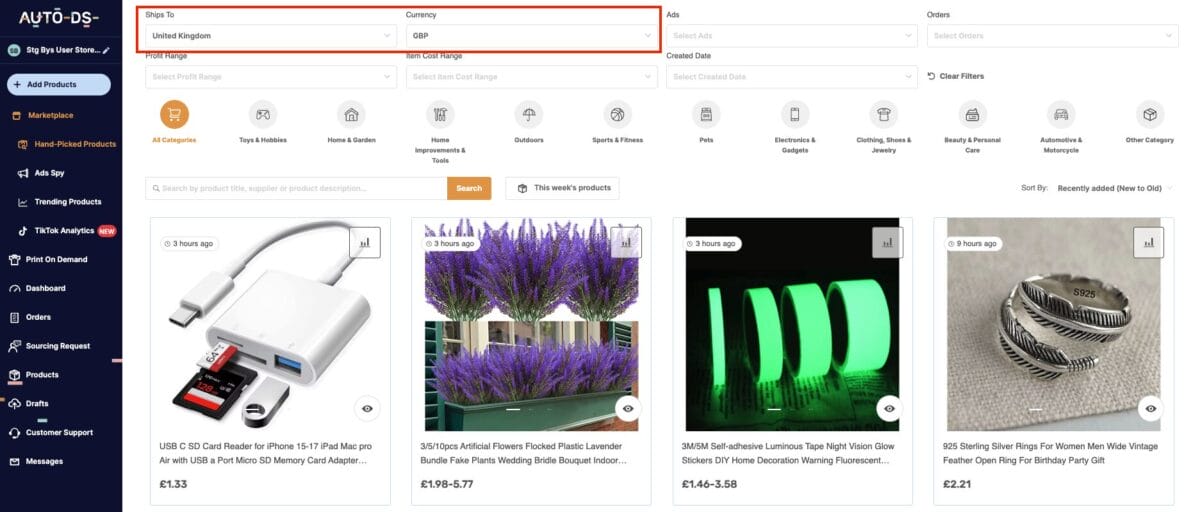
If you’re dropshipping or selling products online, you can also use AutoDS product research tools for e-commerce products. This allows you to analyze real-time demand using metrics such as sales volume, order trends, product ratings, and supplier performance, and to filter products by category, price, shipping location, currency, and delivery time to identify items currently gaining traction. In this case, you can use the AutoDS Marketplace or the Hand-Picked products to filter for products shipped to the UK in GBP.
🔍 Research Tip: For dropshipping, look for products with clear demand, reasonable shipping times, strong reviews, and enough margin after product cost, platform fees, payment fees, shipping, and ads.
Step 3: Choose A Business Structure & Comply With UK Business Regulations
Before launching, make sure your home business follows the basic UK rules that apply to your model. This may include registering with HMRC, tracking income and expenses, checking VAT requirements, monitoring VAT thresholds, understanding consumer rights, and following online selling rules if you sell products or services digitally.
You don’t need to solve everything at once, but you do need to know which requirements apply from the start. This will help you avoid tax issues, customer disputes, and compliance problems as your business grows.
🆕 Beginner’s Tip: For most beginners, the practical approach is to start as a sole trader, keep accurate records, and speak with a UK accountant to monitor your income and keep your taxes organized from the beginning.
Step 4: Estimate Startup Costs
Make a simple startup budget before launching. Include tools, website costs, samples, initial stock if needed, ads, packaging, shipping, insurance, product testing, and accounting support.
For context, the UK government’s Start Up Loans scheme offers loans between £500 and £25,000 to help new businesses get started, highlighting the typical funding range many founders rely on in the early stages.
Step 5: Choose Your Selling Platform
Pick the platform that matches your business model:
- Shopify: Best for building a branded e-commerce store. Works great for creating a Shopify UK dropshipping brand from scratch.
- eBay UK: Best for marketplace selling, reselling, and testing demand. Dropshipping on eBay UK is also a great business model.
- Etsy UK: Best for handmade, creative, vintage, and print-on-demand products.
- Amazon UK: Best for high-demand products, but with stricter rules and competition.
- TikTok Shop UK: Best for viral, creator-led product discovery.
- WordPress: Best for blogs, affiliate sites, and service businesses. You can also sell products on WordPress through WooCommerce.
- Fiverr: Best for B2B services like SEO, design, consulting, and marketing.
Step 6: Select A Sourcing Method + Supplier
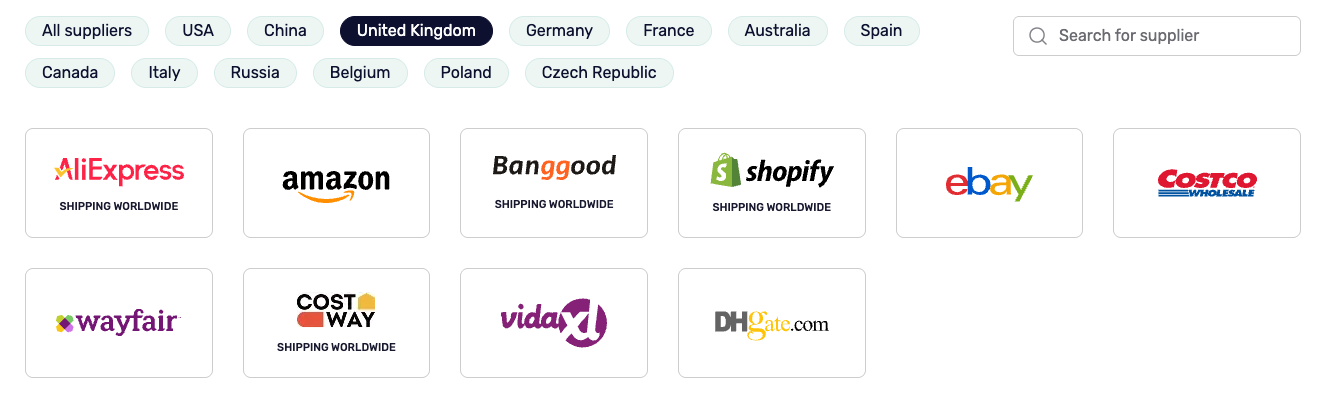
Next, decide how you’ll source what you sell. You can either create the product or service yourself or outsource it through a third-party supplier. This is especially important if you’re dropshipping, reselling, or selling print-on-demand products.
When comparing suppliers, look beyond price. Check product quality, UK shipping times (if they have a UK warehouse, even better), reviews, return policies, and stock reliability. For dropshipping, AutoDS can help you connect with top UK dropshipping suppliers and manage all of them from the same dashboard.
Some examples of excellent UK suppliers are AliExpress UK, Amazon UK, and Wayfair UK. Nevertheless, there are many more suppliers in the UK to source your products from.
🆕 Beginner’s Tip: Before committing to any supplier, order a sample whenever possible. This helps you check product quality, packaging, delivery speed, and the overall customer experience before selling the product to real buyers.
Step 7: Add Products To Your Store
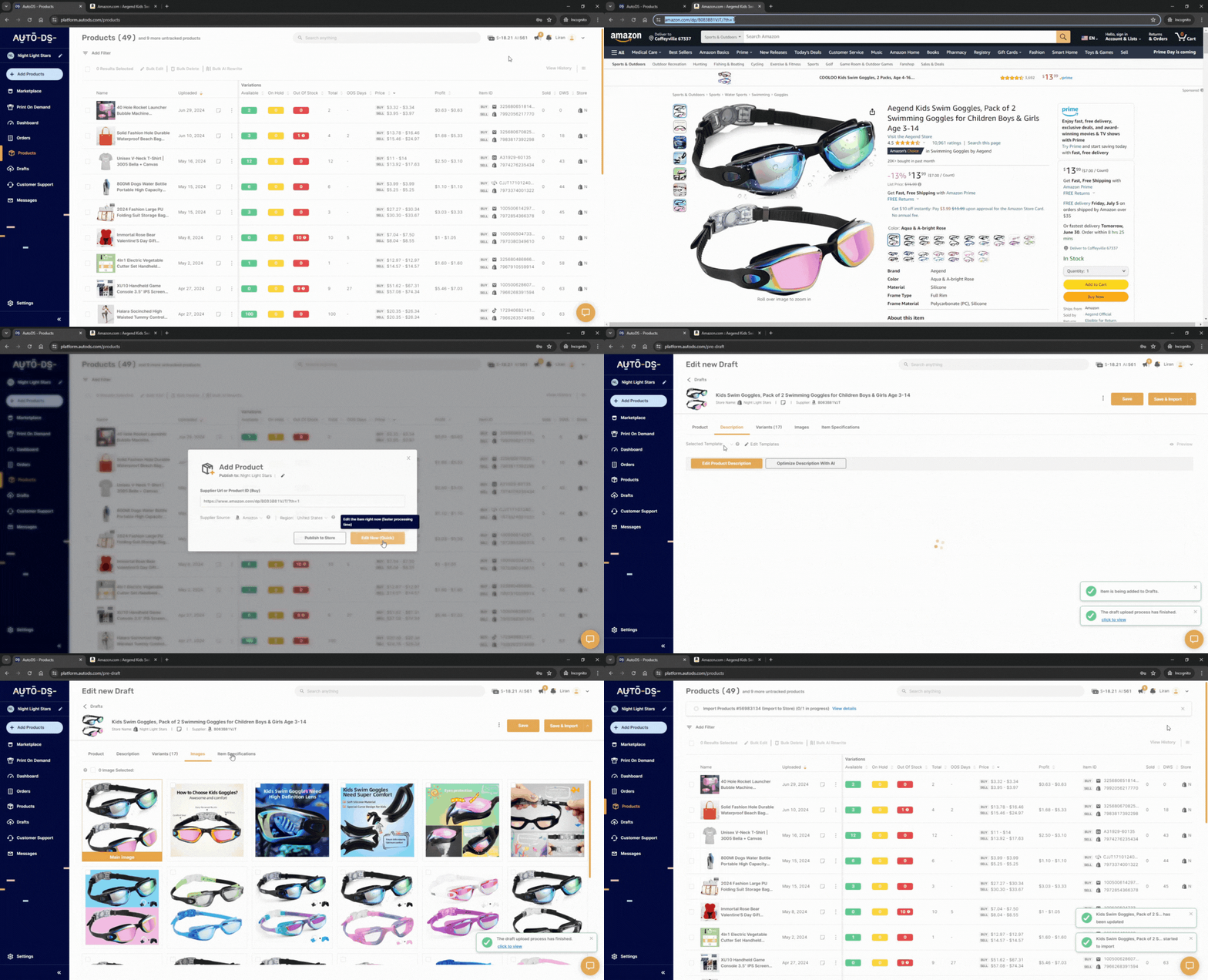
Once you know what you’re selling, the next step is to add it to your website, store, or chosen platform. This will look different depending on your business model.
- If you offer services, you’ll need to create clear service pages, packages, pricing, and contact forms.
- If you sell handmade products, digital products, or print-on-demand items, you’ll need product titles, descriptions, images, variations, pricing, and shipping details.
For product-based businesses, this step can take time if done manually. Every listing needs accurate information, good visuals, and clear details so customers understand exactly what they’re buying. As your store grows, automating this process can help you save time, reduce errors, and upload products more efficiently.
💡 Pro Tip: For dropshipping businesses, this is where the AutoDS Product Importer can help. Instead of manually copying product info into your store, AutoDS lets you import products in just a few clicks, including titles, descriptions, variations, images, and more. This makes it easier to test products, expand your catalog, and keep your store moving without spending hours on manual uploads.
Overall, the goal is simple: make your offers easy to understand, easy to buy, and easy to manage as your home business grows.
Step 8: Launch Your UK Home Business
Once your offer, platform, suppliers, and basic legal requirements are in place, you’re ready to launch your UK home business. At this stage, the goal is not perfection. It’s about starting to sell, collecting feedback, tracking results, and improving as you go.
Before launching, double-check the essentials: your product or service pages, pricing, payment methods, shipping or delivery details, refund policy, contact information, and customer support process. If everything is clear and easy to understand, customers will feel more confident buying from you.
After launch, focus on making your business easier to manage. For service-based businesses, this might mean using booking tools, invoice templates, CRM software, or email automation. For product-based businesses, it could mean automating inventory updates, order management, customer messages, and tracking information.
💡 Pro Tip: For dropshipping businesses, AutoDS can help streamline many of these tasks. Its automation features include price and stock monitoring, price optimization, and automatic tracking updates. This reduces manual work, avoid pricing or stock errors, and keep customers updated after they place an order.
Overall, launching is only the beginning. The more you automate repetitive tasks, track performance, and improve your customer experience, the easier it becomes to grow your home business without adding unnecessary workload.
Step 9: Deliver Customer Orders
Once customers start buying from you, the next step is making sure they receive what they paid for smoothly and on time. This applies whether you’re selling physical products, digital products, or services from home.
The delivery process will depend on your business model. For example:
- If you sell handmade products, you may need to package items and ship them yourself.
- If you sell digital products, you’ll need to send files, links, or access details. In this case, you can create automated email workflows that send the file automatically once payment is confirmed.
- If you offer services, delivery means completing the work, hosting the session, or sending the final result to the client. You can also automate a confirmation email with the next steps.
- If you dropship or sell print-on-demand, the supplier ships the product directly to the customer after the order is placed
Let’s zoom in on these last ones: dropshipping and POD. In this case, an automation platform for fulfillment becomes essential. AutoDS offers automated order fulfillment, which includes order processing, transferring the order to your supplier, and sending tracking updates. This helps reduce manual work and makes it easier to keep customers informed after they buy.
No matter the method, the goal is the same: give customers a reliable experience, keep them informed, and make sure they receive the product, service, or result they expected.
Step 10: Track Results And Improve
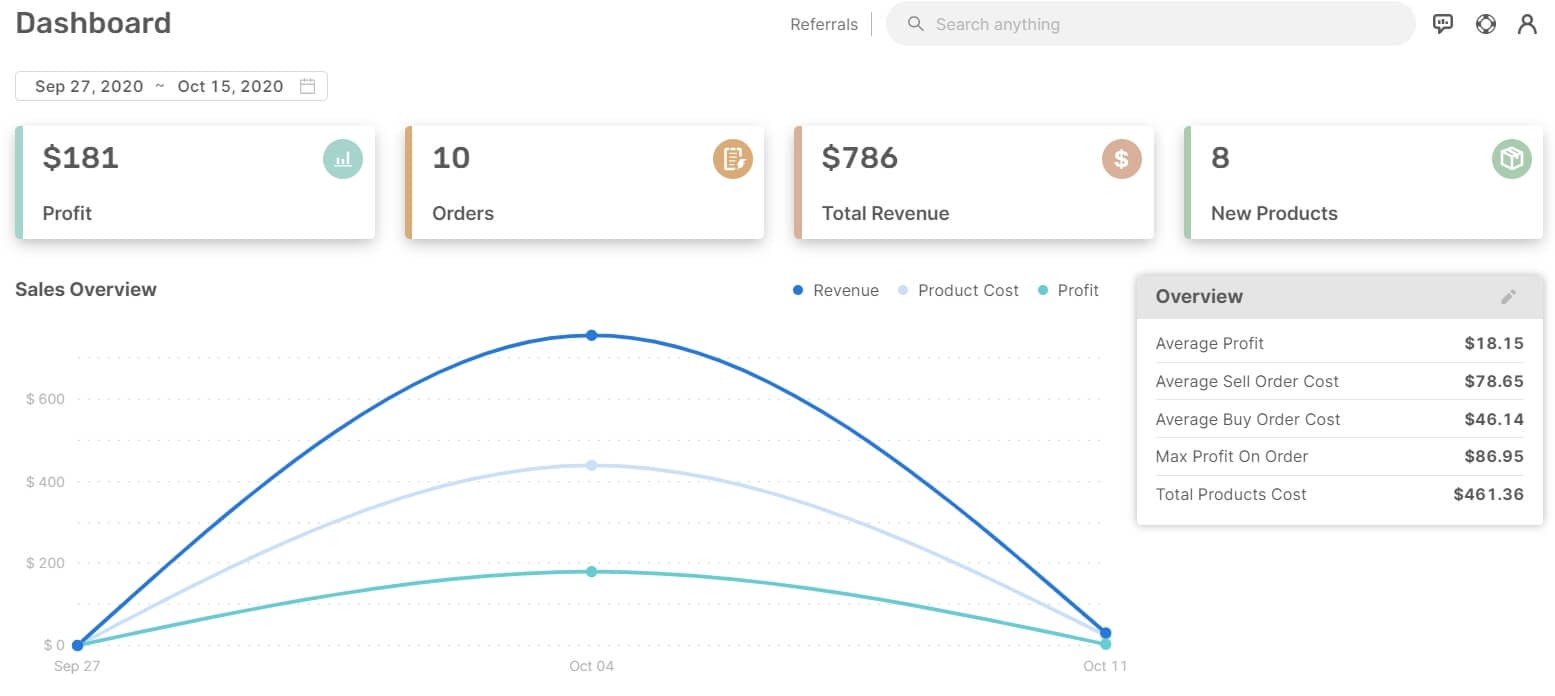
Once the business is live, it’s time to start promoting it through marketing campaigns. More importantly, review your numbers weekly. Track revenue, profit margin, customer acquisition cost, refunds, best-selling products, traffic sources, and repeat customers. The goal is to identify what is working, remove what is not, and gradually reinvest in the ideas with the clearest demand.
A UK home business does not need to be perfect on day one. It needs to be compliant, measurable, and flexible enough to improve as you learn.
Frequently Asked Questions
What Are The Best Home Business Ideas In The UK?
Some of the best home business ideas in the UK include dropshipping, print-on-demand, web design, SEO consulting, affiliate marketing, selling handmade products, creating digital products, and reselling items on marketplaces like eBay or Etsy. The best option depends on your skills, budget, and goals. For beginners, low-overhead models like dropshipping, services, digital products, and affiliate marketing are often easier to test because they don’t require a physical storefront or large inventory.
Can I Profit From A Home Business In The UK?
Yes, you can profit from a home business in the UK, but profitability depends on your business model, pricing, demand, costs, and consistency. To increase your chances, choose an idea with clear demand, keep startup costs low, track expenses carefully, and focus on building a reliable customer experience. For product-based businesses like dropshipping or print-on-demand, tools like AutoDS can also help reduce manual work by automating product imports, price monitoring, order fulfillment, and tracking updates.
Can I Start A UK Home Business Without An Initial Investment?
Yes, it is possible to start some UK home businesses with little to no upfront investment, especially service-based options like freelancing, consulting, tutoring, content writing, virtual assistance, or social media management. However, most businesses still require at least some basic costs, such as a domain, website, tools, samples, marketing, or platform fees. If your budget is very limited, start with a skill-based business first, then reinvest your early profits into tools, branding, advertising, or product-based models.
Start Your Home Business In The UK
Starting a home business in the UK is one of the most accessible ways to build extra income, test a new idea, or move toward working for yourself. From service-based businesses and digital products to dropshipping, print-on-demand, and marketplace selling, there are plenty of flexible models that can be started with low overhead and scaled over time.
If you’re interested in dropshipping or product-based e-commerce, AutoDS simplifies many of the time-consuming tasks, from product research and importing to price monitoring, order automation, and tracking updates. You can check it out with the AutoDS $1 trial to see how easy it can be to start a home-based business from scratch.
Want to learn more? Here are a few reads you might find helpful: