



AutoDS vs Doba… which one to choose? Both promise to simplify dropshipping, but they take fundamentally different approaches.
AutoDS is an end-to-end dropshipping platform that covers everything from product research to order fulfillment. In contrast, Doba is a supplier directory that connects you with US-based vendors and syncs their inventory to your store. The key difference? AutoDS runs your operations, while Doba mainly helps you source products.
But let’s zoom in. In this AutoDS vs Doba comparison guide, I’ll break down the differences across automation, supplier access, platform integrations, ease of use, and pricing. The goal is to help you choose the right one for your business based on features, pros and cons, pricing, and use cases.
AutoDS provides access to 500M+ products from 25+ US-based and global suppliers, while Doba offers a curated catalog of approximately 1.5M products from US-based suppliers.
AutoDS delivers full end-to-end automation covering product sourcing, listing, price monitoring, and order fulfillment; Doba focuses primarily on supplier matching and inventory sync.
Both platforms offer several integrations with major selling channels, but while Doba focuses on supplier syncing, AutoDS adds automation to manage pricing, orders, and fulfillment.
AutoDS is the better dropshipping automation platform for sellers who want to scale efficiently across multiple channels.
Overview of AutoDS
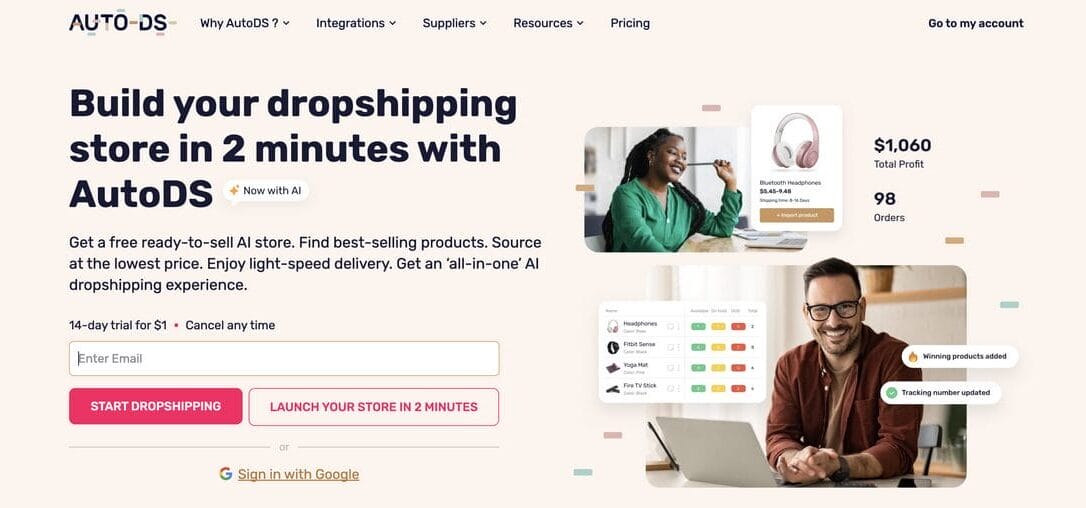
AutoDS is an all-in-one dropshipping automation platform designed to handle the entire operational workflow of running an online store.
Instead of juggling multiple tools and spreadsheets, sellers manage product research, importing, pricing, stock monitoring, and order fulfillment from a single dashboard.
All in all, the platform serves everyone from first-time sellers building their initial store to experienced operators managing thousands of listings across multiple channels. The core idea? To centralize and automate the entire operation.
Key Features of AutoDS
- AI-Powered Product Research: AutoDS’s built-in product research tools use real sales data to find trending products, with filters for margins, suppliers, and shipping. It includes an exclusive marketplace, a hand-picked section, a trending products hub, and ad spy tools, all to help you catch viral items early.
- One-Click & Bulk Importing: AutoDS lets you import products individually or in bulk from 25+ supported suppliers, including AliExpress, Amazon, CJDropshipping, Walmart, and US-based wholesalers. Plus, each import automatically optimizes titles and descriptions using AI.
- Automated Order Fulfillment: Fulfilled by AutoDS automatically places orders with your supplier, syncs tracking numbers, and updates inventory in real time, saving hours of manual work.
- Real-Time Price & Stock Monitoring: AutoDS monitors supplier prices and inventory levels in real time and updates them on your store automatically based on your own pricing rules. This prevents overselling and protects profit margins.
- Multi-Platform Integration: AutoDS integrates directly with major selling channels, including Shopify, eBay, Amazon, Etsy, Wix, WooCommerce, TikTok Shop, and Facebook. This lets you manage multiple stores from one account, with unified inventory and pricing across all channels.
- Print-on-Demand & Custom Sourcing: AutoDS offers print-on-demand (POD) services with branded packaging options, letting sellers offer custom-designed products.
Pros & Cons of AutoDS
Pros:
- Access to 500M+ products across 25+ suppliers.
- Full automation from sourcing through fulfillment.
- 8+ platform integrations for multi-channel selling.
- AI-powered product research and listing optimization.
- 24/7 customer support via live chat.
- Active community and mentorship programs.
- Starting price of $26.90/month (or $19.90/month paid annually) with a $1 trial.
Cons:
- Learning curve when first exploring the full feature set.
- Some advanced features, like auto-ordering, require an optional add-on ($9.90/month)
Best For
AutoDS stands out as a comprehensive solution that handles every step of the dropshipping workflow, making it suitable for both beginners building their first store and experienced sellers looking to scale.
All in all, it’s perfect for those looking to automate workflows and centralize operations in one single place (from suppliers to inventory, pricing, and order management).
Overview of Doba
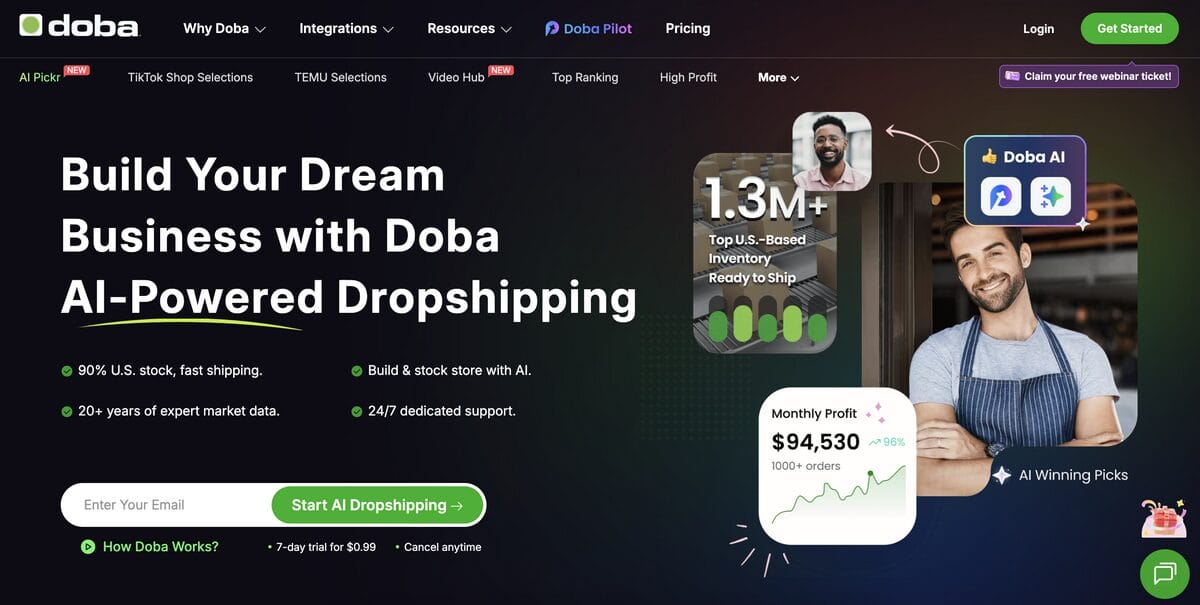
Doba is a dropshipping platform that connects sellers with a network of primarily US-based suppliers. The platform focuses on providing access to vetted suppliers with reliable inventory data and quality control.
Unlike AutoDS, which handles the full operational workflow, Doba positions itself as a supplier discovery and management tool.
Key Features of Doba
- Curated Supplier Network: Offers a catalog of approximately 1.5M products from around 1,000 vetted suppliers. The focus is on US-based suppliers, which enables faster domestic shipping times.
- Supplier Scorecard System: Suppliers are rated on shipping speed, accuracy, and feedback, helping you quickly identify reliable options.
- Platform Integrations: Connects with Shopify, WooCommerce, BigCommerce, eBay, Amazon, and TikTok Shop. Product data syncs automatically to connected stores.
- AI Product Recommendations: Provides AI-driven suggestions for product selection and pricing. It analyzes your catalog to recommend items and pricing adjustments, though with less control than rule-based automation like AutoDS.
- Inventory Sync & Order Processing: Inventory levels update automatically, and orders can be processed through the platform.
Pros & Cons of Doba
Pros:
- US-based suppliers that enable 2-5 day domestic shipping.
- A supplier scorecard that provides transparency on reliability.
- Clean, organized product data.
Cons:
- Doba offers a smaller catalog with 1.5M products compared to 500M+ on AutoDS.
- Less robust automation than AutoDS, with no features beyond inventory sync.
- Its single supplier network model limits sourcing flexibility.
- Doba doesn’t handle the entire dropshipping operation as AutoDS does. It’s limited to supplier management.
Best For
Doba works best for sellers who prioritize US-based suppliers and fast domestic shipping over catalog size and full automation. Moreover, it needs to be paired with other dropshipping tools that handle the rest of the workflow after sourcing.
AutoDS vs Doba — Comparison Table Overview
Feature | AutoDS | Doba |
Product Catalog | 500M+ products from 25+ suppliers | 1.5M products from ~1,000 suppliers |
Automation | Full end-to-end (sourcing to fulfillment) | Inventory sync and order routing |
Platform Integrations | Shopify, eBay, Amazon, Etsy, Wix, WooCommerce, TikTok Shop, FB Marketplace | Shopify, WooCommerce, BigCommerce, eBay, Amazon, TikTok Shop |
Starting Price | $26.90/month (paid monthly) | $29.99/month (paid monthly) |
Trial | ✅ | ✅ |
AI Tools | AI-Built Shopify Store, Product research, AI listing optimization | AI Product Recommendations |
Supplier Type | Global + US-based wholesalers | Primarily US-based |
Support | 24/7 live chat, blog, tutorials, mentorship | Standard support |
AutoDS vs Doba: Feature-by-Feature Comparison
Choosing between AutoDS and Doba comes down to what you need most: full automation with massive product selection, or a US supplier network. Here is how they compare across the categories that matter.
Automation & Workflow
AutoDS automates the entire dropshipping lifecycle. You can manage everything from one single place, including product research, importing, price and stock monitoring, order fulfillment, and tracking. The system runs continuously on autopilot, following your rules and settings.
As one Trustpilot reviewer put it: “What I like most is how much time it saves me on product importing and order fulfillment. Tasks that used to take hours are now done in minutes, which makes managing my store much less stressful.”
Instead, Doba focuses solely on supplier management. While it includes inventory sync and order routing, it doesn’t offer the end-to-end automation that AutoDS provides. For instance, price optimization exists, but with less granularity than AutoDS pricing rules.
Where this matters most is at scale. Managing a few dozen products manually is feasible. But managing thousands is not.
Most online sellers already know this. According to Wix, 79% of successful dropshippers now use automated order processing systems, which reduces manual errors by roughly 94%. The same report indicates that dropshippers using automation manage 3.2 times as many products as those still doing things manually.
In this scenario, AutoDS enables true scalability with full dropshipping automation, including automated pricing, stock monitoring, and order fulfillment across large catalogs. Meanwhile, Doba still requires more manual handling beyond sourcing, making it harder to scale efficiently.
👉 Winner: AutoDS wins against Doba with full automation across the entire dropshipping workflow.
Supplier & Marketplace Support
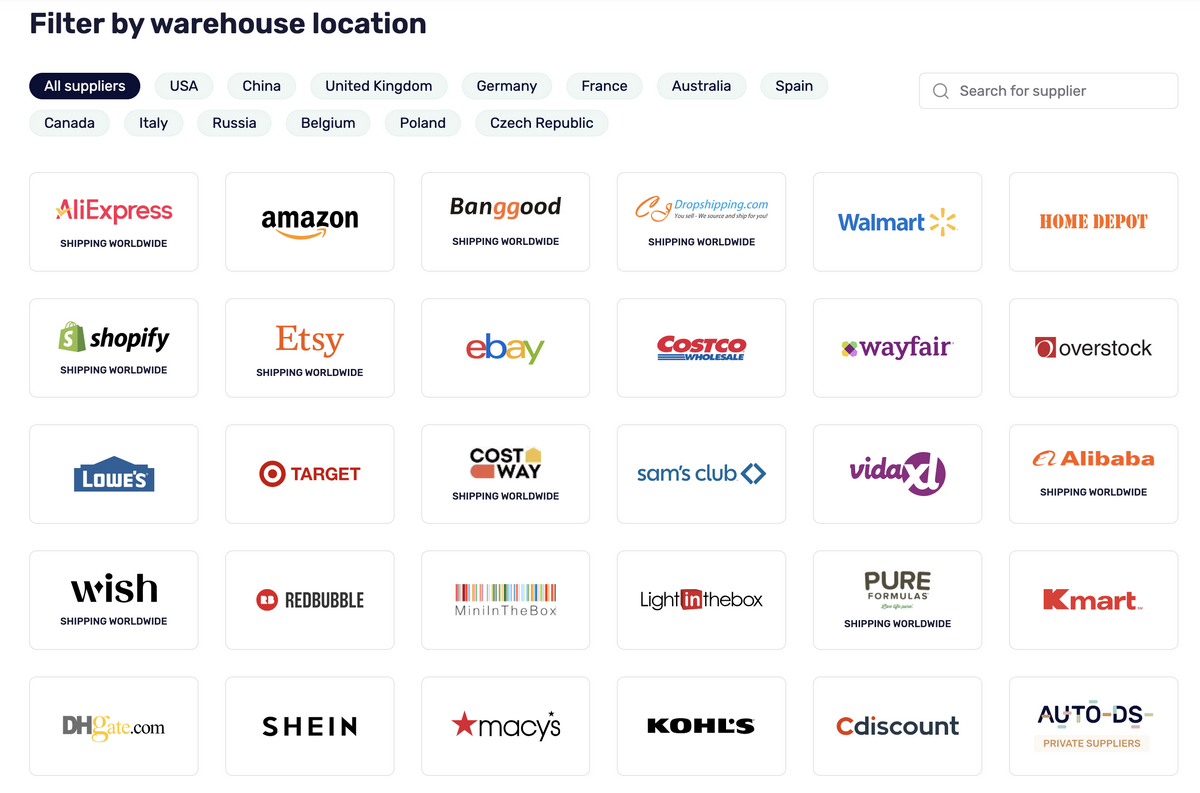
AutoDS connects to 25+ global suppliers offering access to over 500 million products. Sources include Amazon, AliExpress, CJ Dropshipping, Walmart, Cost, and US-based dropshipping suppliers. This variety means you can source the same product from multiple suppliers (from all around the world) and choose based on price, shipping time, or reliability.
Doba provides approximately 1.5M products from around 1,000 private suppliers, primarily based in the United States. This provides more control over delivery times, but less flexibility and reach.
Ultimately, both platforms offer fast shipping and vetted suppliers. This matters because 62% of online shoppers expect their orders to arrive within three business days.
Doba’s US-based supplier network helps meet fast shipping expectations for domestic orders. AutoDS, on the other hand, extends that advantage globally, with suppliers across multiple regions, including the US, Europe, Australia, China, and more. This allows you to sell internationally while still offering fast, reliable delivery.
On the marketplace support side, both AutoDS and Doba integrate with major e-commerce platforms, like Amazon, TikTok Shop, Shopify, and Wix.
That said, the difference lies in scope. AutoDS uses integrations to power a fully automated workflow, while Doba’s integrations are mainly focused on connecting your store to suppliers and syncing inventory, with less automation across day-to-day operations.
👉 Winner: AutoDS wins on product variety, global reach, and the scope of marketplace integrations.
Ease of Use & UI
AutoDS provides a centralized dashboard where all store operations are visible in one place. Orders, inventory status, pricing alerts, and performance metrics appear on a single screen.
New users can create an AI-built Shopify store in minutes using guided setup, eliminating the blank-page problem that stops many beginners. Also, product imports include step-by-step guidance, and automation rules use plain-language configuration that does not require technical knowledge.
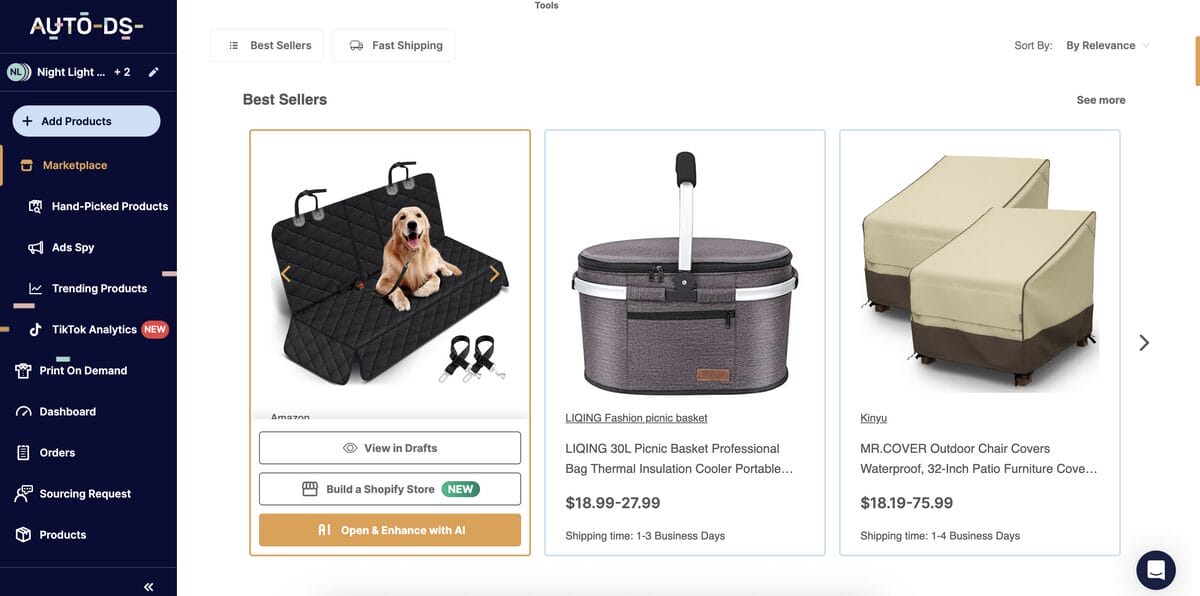
Doba offers a clean, straightforward interface for product browsing. Categories are clearly organized, and filtering works as expected. The learning curve is lower because there are fewer features to learn.
However, this simplicity comes at the cost of less depth for advanced operations. Sellers who outgrow the basic functionality may find themselves hitting walls rather than finding new capabilities.
Where AutoDS differentiates is support infrastructure. The platform includes 24/7 live chat support, a comprehensive blog library with hundreds of tutorials, video walkthroughs, dropshipping courses, and mentorship programs. For sellers who want guidance beyond just the tool itself, this ecosystem adds significant value.
👉 Winner: Both platforms are accessible to beginners, but AutoDS provides more room to grow into advanced functionality as your business scales.
Pricing & Value
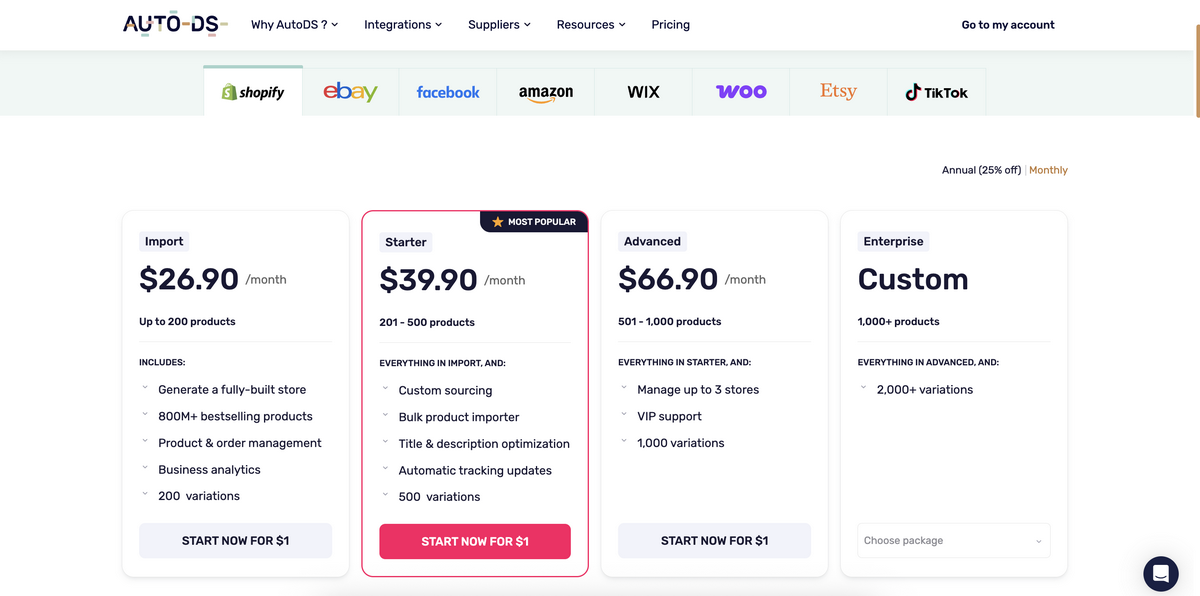
AutoDS offers three main pricing plans (paid monthly or annually):
- Import: $26.90/month – covers product importing and basic automation
- Starter: $39.90/month – adds more products and enhanced features
- Advanced: $66.90/month – full feature access for scaling sellers
Annual billing saves 25%, which adds up quickly as your business grows. Plus, it offers a $1 trial that gives you full access to all features at your subscription tier. You also have optional add-ons for auto-ordering or product-finding features.
Doba pricing starts at $29.99/month with a $0.99 trial. Neither platform charges per-order fees.
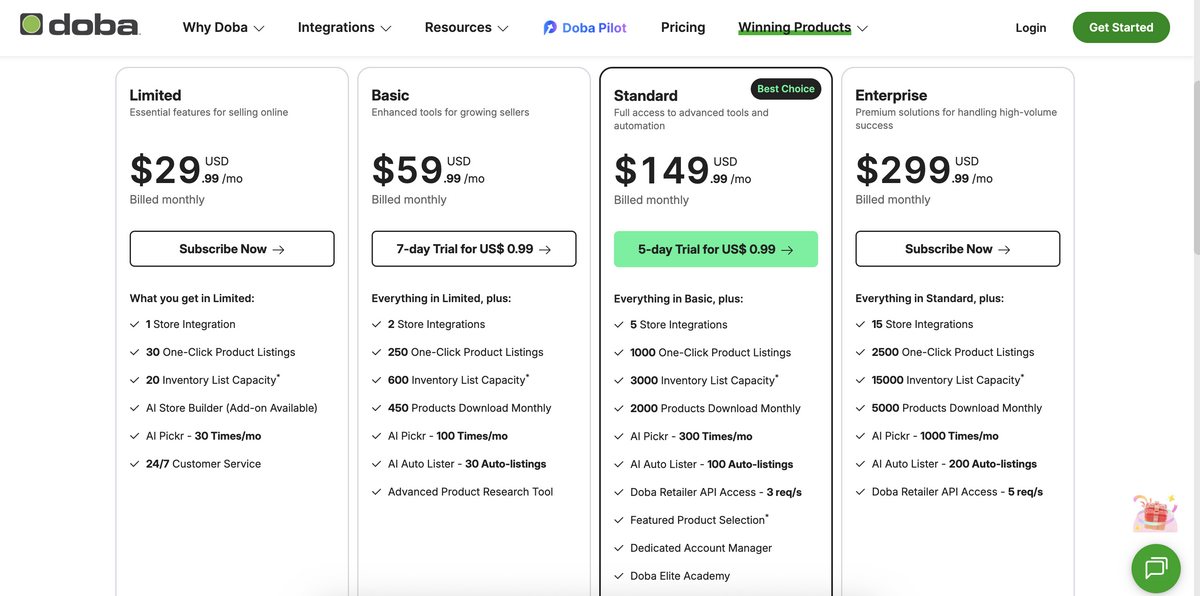
The value calculation favors AutoDS when you consider what is included: automation, product research, supplier access, and fulfillment tools all in one platform. Meanwhile, Doba primarily charges for supplier access, often requiring additional tools to handle the rest of the workflow.
👉 Winner: AutoDS delivers more functionality at a lower entry point, making it the better value for sellers planning to grow.
Which Platform Is Better for Your Business?
The right platform depends on your selling strategy, growth goals, and where you want to invest your time. Here is how to decide.
Who Should Use AutoDS?
AutoDS is the better choice if you…
- Sell across multiple channels: Managing stores on Shopify, eBay, Amazon, and TikTok Shop requires a platform that integrates with all of them. AutoDS connects to major selling channels from a single dashboard and lets you manage multiple stores and suppliers from the same place.
- Want full automation: If your goal is to reduce manual work and let systems handle fulfillment, price updates, and stock monitoring, AutoDS delivers that infrastructure.
- Start from scratch as a beginner: The AI-built Shopify Store creates a shop in minutes. Product research tools surface winning products without manual hunting.
- Plan to scale to high volume: Bulk actions, automated pricing rules, and Fulfilled by AutoDS support thousands of products without proportional increases in workload.
- Need global and domestic sourcing: Access to 25+ suppliers means you can balance price, shipping speed, and reliability based on each product’s requirements.
Centralize your operations with AutoDS
Test AutoDS across your selling channels for just $1 and experience full automation, multi-platform management, and access to 500M+ products worldwide.
“The great thing about AutoDS is that it triples as a product research, order fulfillment, and automation tool. This is going to reduce your overall expenses and the amount of work that you need to do.”
When Doba Might Work
Doba could make sense if your situation is highly specific:
- US-only domestic fulfillment is non-negotiable: If your entire business model depends on 2-5 day US shipping and you never source internationally, Doba’s focused supplier network aligns with that constraint.
- You run a small catalog with fewer than 1,000 SKUs: With fewer products, the automation gap matters less. Manual management is still feasible at this scale.
- Shopify-only selling with no multi-channel plans: If you have one store and no intention to expand to other platforms, Doba’s more limited integration scope is not a limitation.
These are edge cases. For most sellers building a business they intend to grow, AutoDS provides the tools and scalability to support that trajectory.
Getting Started With AutoDS
So, if you made your choice and decided to go with AutoDS, I have everything ready for you to jump straight to the next step: setting up your store. The whole point of AutoDS is to help you create, launch, and scale fast, so processes and workflows are super easy and quick.
Here is how to go from signup to your first automated product listing.
Step 1: Create Your Account
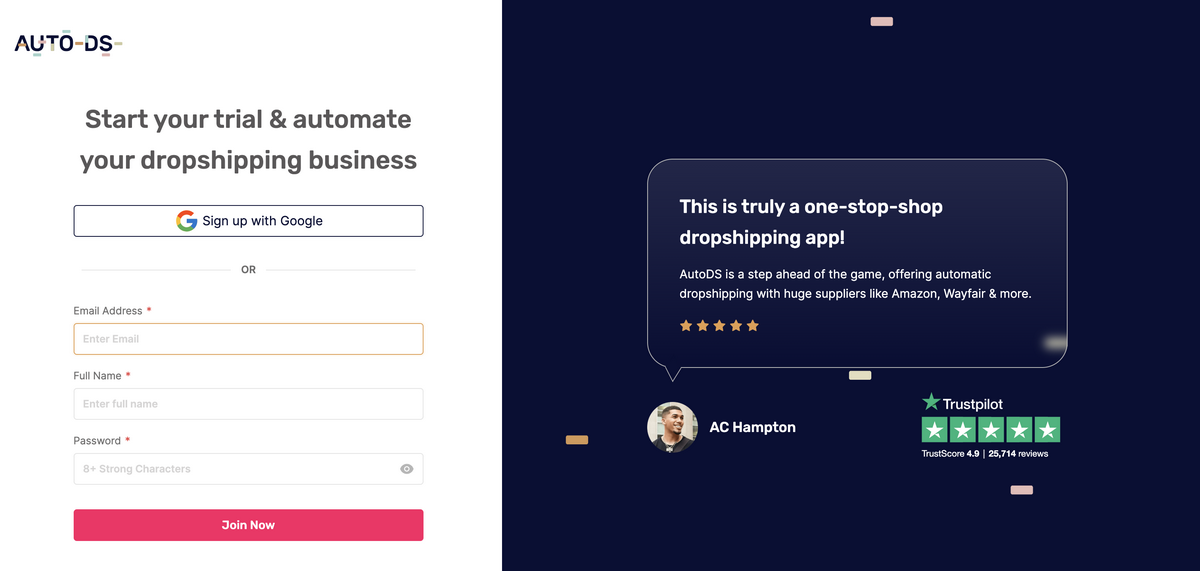
First things first. Start by signing up for the AutoDS $1 trial to get full platform access. No long-term commitment required to test the features.
This only takes a minute. You just have to create your account, follow a couple of prompts, and that’s it.
Step 2: Connect Your Selling Channels
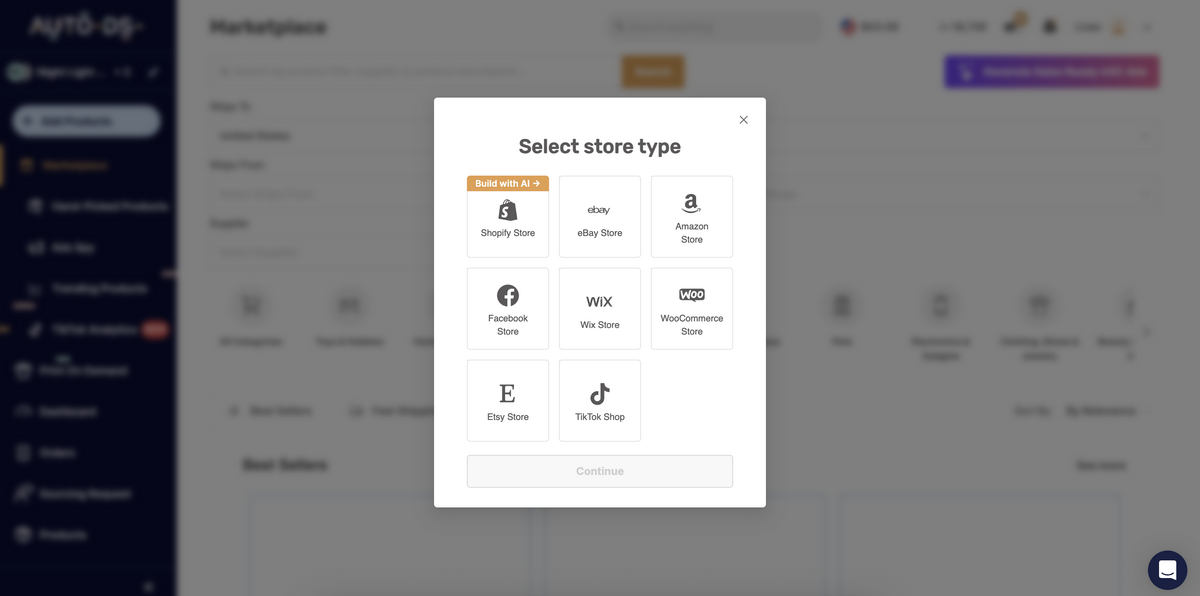
Next, link your Shopify, eBay, Amazon, Etsy, WooCommerce, Wix, TikTok Shop, or Facebook Marketplace stores. AutoDS syncs with your existing catalog and prepares the dashboard for product imports.
This process varies by platform, but it is typically super easy and quick. Just head to the top left corner, click “Add Store”, and pick your selling channel. Each option will guide you through a short setup, typically connecting your account, granting permissions, and confirming the integration so AutoDS can sync data and start managing your store.
Step 3: Find Products with Product Finder
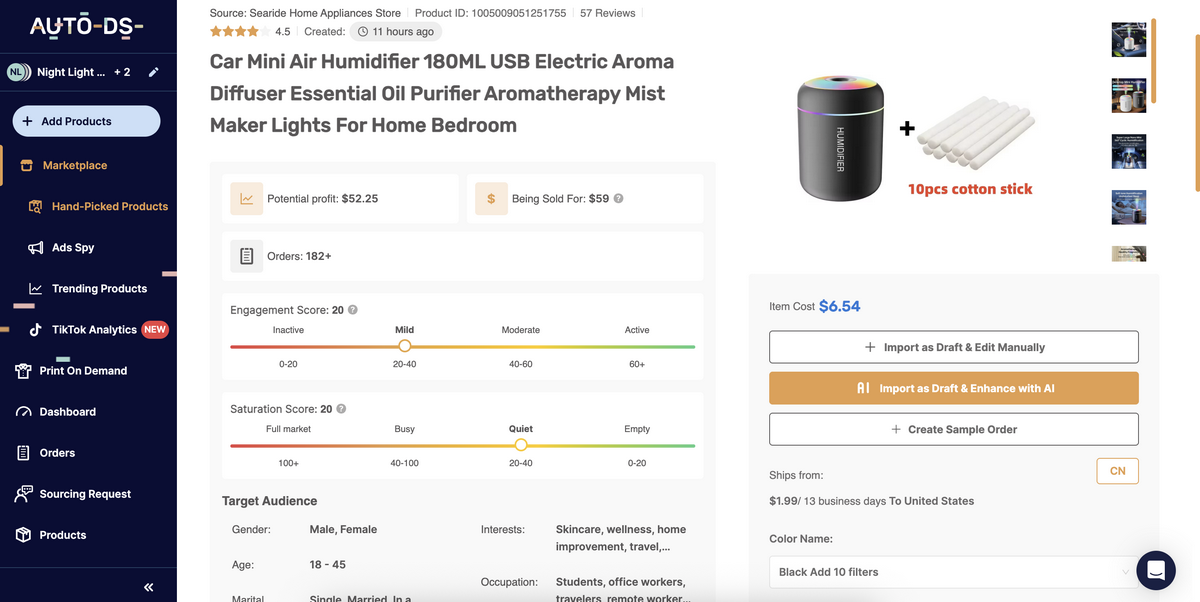
Now everything is connected and synchronized. This is where my favorite part begins: building your catalog and finding trending products.
AutoDS offers multiple product research tools. Explore them and analyze the data each provides. You can filter by niche, supplier, shipping time, or profit margin.
🔍 Research Tip: I usually start in the Trending Products hub, since it highlights products gaining traction right now. Each item comes with a product score that indicates its demand, competition level, and overall selling potential at a glance. Then, I continue with the Hand-picked section, a curation made by human AutoDS experts.
Step 4: Import Products to Your Store

You can import products to your store directly from the AutoDS product research tools. This is super simple: you just click on “Import Draft,” and that’s it.
You can also add items from the 25+ supported suppliers. This means you can browse Amazon, eBay, AliExpress, Shein, Walmart, and more to choose any product you like. This gives you access to literally hundreds of millions of products worldwide. In this case, you have a couple of options:
- You can use the AutoDS Helper Chrome extension to get a little “Import Draft” button right in your browser and add items in one click.
- You can import products using the single or bulk importer in the AutoDS dashboard. Here, you just copy and paste the product’s URL, whether for one or multiple URLs at once.
In any case, AutoDS pulls all the product information automatically, from titles and descriptions to visuals, variations, and prices. Then, you can even optimize each listing with the AI Product Title and Description Generator to polish them and make them sound like your brand.
Step 5: Set Your Automation Rules
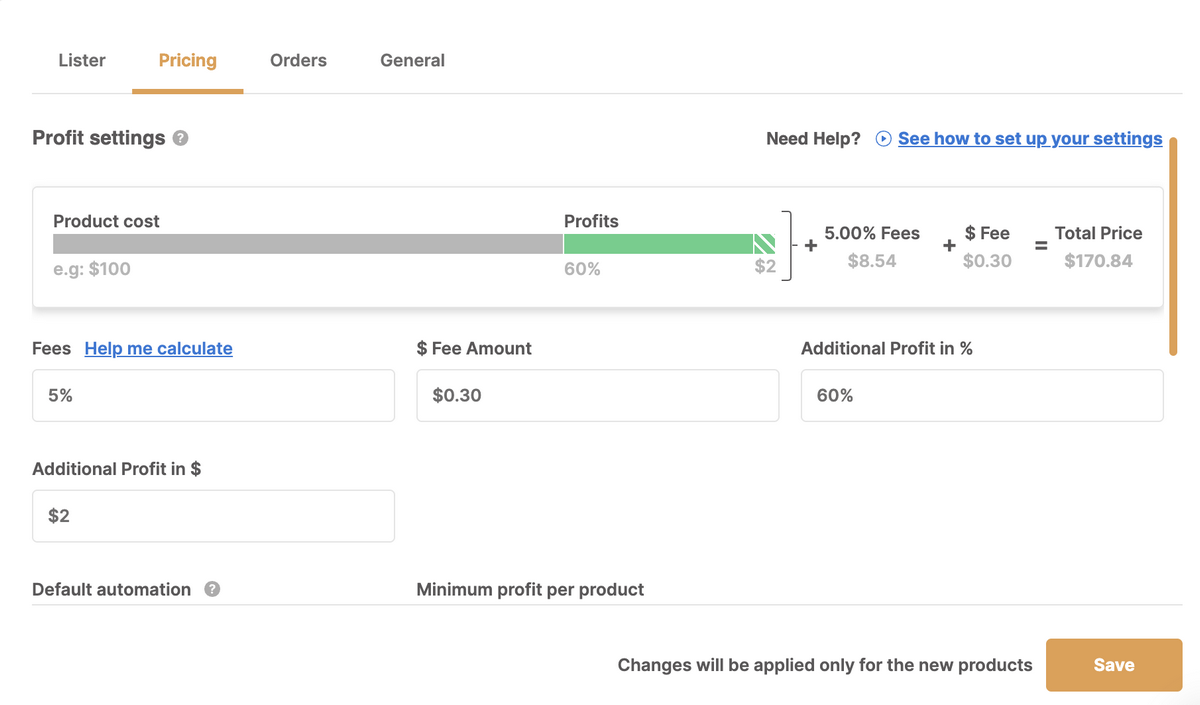
Once your items are all imported and your catalog is ready to go live, it’s time to enable automation and customize your own settings based on your goals.
Set up pricing rules to maintain margins when supplier costs change. Also, set price and stock monitoring to prevent overselling and protect your margins. Finally, enable Fulfilled by AutoDS for automatic order placement and tracking sync.
You can do all of this from Settings > Supplier Settings.
Step 6: Track Performance
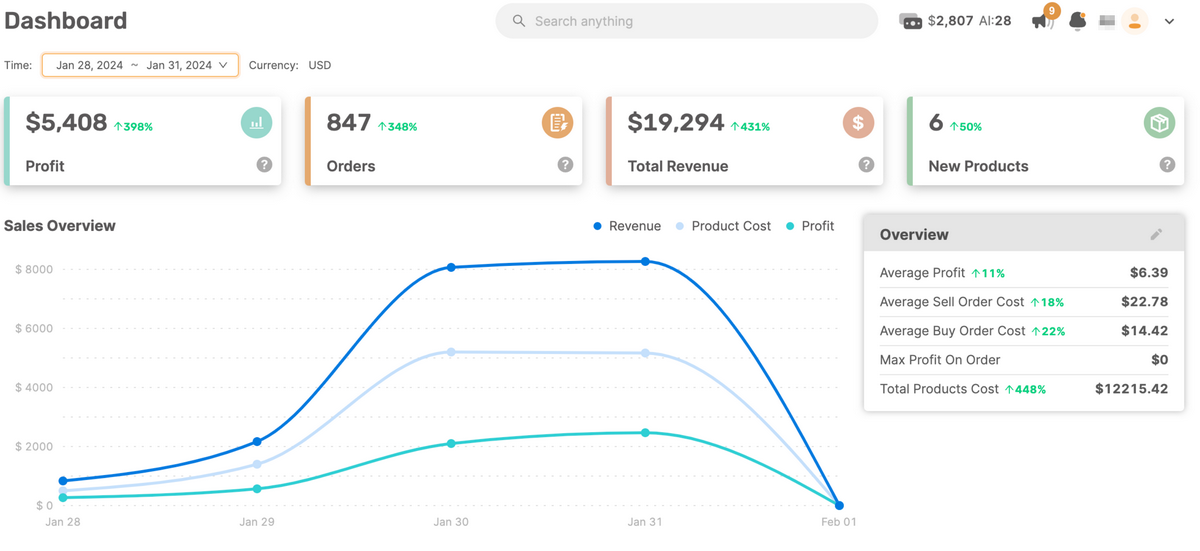
Last step! Before going live, make sure everything is working properly. Then, once you start getting traffic and conversions, it’s time to track your performance.
Monitor sales, profit margins, and product performance from the dashboard. Identify top performers and scale what works.
That is the complete workflow. Once set up, AutoDS handles the operational work while you focus on growing your business.
Frequently Asked Questions
Is AutoDS Better Than Doba for Shopify Dropshipping?
Yes, AutoDS is generally better than Doba for dropshipping. AutoDS offers deeper Shopify integration with AI store building, automated fulfillment, and more product sourcing options than Doba provides. This makes it an all-in-one dropshipping platform, while Doba is mainly a supplier management tool.
Does AutoDS Have US-Based Suppliers?
Yes, AutoDS includes US-based wholesalers among its 25+ supplier integrations, alongside international options like AliExpress, and private vendors. This enables fast domestic shipping and seamless delivery experiences.
What Is the Real Cost Difference Between AutoDS & Doba?
AutoDS starts at $26.90/month, compared to Doba’s $29.99/month. The real difference isn’t really in the price, but in what you get for it. AutoDS includes automation, product research, and fulfillment tools in one platform, while Doba mainly charges for supplier access, often requiring additional tools to run your operations.
Can AutoDS Automate My Entire Dropshipping Business?
Yes, AutoDS automates entire dropshipping workflows, including product research, importing, price and stock monitoring, and order fulfillment. With Fulfilled by AutoDS enabled, orders are automatically placed with suppliers, and tracking is synced to customers without manual input. The remaining work involves monitoring performance dashboards and scaling what works.
AutoDS Wins Against Doba With Full Automation — Start Today!
There you go: the ultimate AutoDS vs Doba comparison guide. Both platforms serve different segments of the dropshipping market.
AutoDS delivers a complete automation platform that handles the full operational workflow (from product discovery to order fulfillment) across major selling channels and 25+ global suppliers.
In contrast, Doba offers a focused US supplier directory with fast domestic shipping, all limited to supplier management—no end-to-end workflows, no automatic order handling.
For sellers who want to build a scalable dropshipping business, AutoDS provides a larger product catalog (500M+ vs. 1.5M), deeper automation, broader platform integrations, and a lower starting price.
All in all, AutoDS is the stronger choice for dropshippers who want to scale efficiently across multiple channels. See how AutoDS automation works with the $1 trial.
In the meantime, here are a few other reads you might find helpful: