


Social commerce is booming, generating billions in revenue and continuing to expand year after year. This growth creates new opportunities for dropshippers to reach wider audiences and unlock additional revenue streams.
The challenge, however, is more than just showing up on social media; it’s building a cross-platform strategy that turns scrollers into buyers and clicks into fulfilled orders.
In this article, you’ll learn how to use social media for e-commerce in 2026:
- How to choose the best channels for your products.
- How to create content that actually converts.
- And how to scale with the right systems.
AutoDS acts as the automation layer behind this process, helping you find winning items, reach your audience, and fulfill every order automatically, without the manual grind.
For dropshippers, an effective e-commerce social media strategy requires consistent coordination across all platforms.
Focusing on a select group of well-matched platforms leads to better consistency and stronger results than attempting to maintain a presence on every channel.
Short-form video and user-generated content consistently outperform polished brand ads in driving conversions
Native features such as TikTok Shop and Instagram Shopping allow customers to buy without ever leaving the app, removing friction at critical shopping moments.
Tracking metrics like ROAS and CPA makes it easier to identify effective strategies and areas for increased investment.
Automation tools like AutoDS help connect product discovery and fulfillment into one scalable system. 👇
How To Build a Social Media Strategy for Your E-Commerce Store
Building a social media strategy for your e-commerce store means creating a system that connects three core elements:
- Where you show up.
- What you post.
- How you turn engagement into sales.
At its core, what is social commerce if not the ability to connect discovery, engagement, and purchase into one seamless experience? Without that structure, even great content fails to convert consistently. Trust me, I’ve seen stores publish great videos for weeks and still get zero traction simply because nothing was tied together.
In this guide, you’ll follow a simple framework. Each step builds on the last, helping you turn scattered efforts into a strategy that’s focused on selling, not just getting views.
Choose the Right Platforms for Your Products

One of the biggest mistakes new dropshippers make is trying to be everywhere at once. It feels productive, but in practice, it spreads your attention thin and kills consistency before you gain traction.
A better approach is to start with one or two channels and master them before expanding. Platform–product fit matters more than reach. The channel that aligns with how your product is discovered and consumed will always outperform a scattershot presence across five.
Here’s how to think about it in practice:
- TikTok Shop: Projected to reach $23.41 billion in US ecommerce sales in 2026 (a 48% YoY increase), TikTok Shop has quickly become a product-first discovery engine. It’s ideal for impulse buys and trend-driven items like beauty gadgets, kitchen tools, or novelty products. If your product “clicks” in a few seconds, TikTok’s algorithm can push it far beyond your audience, fast.
- Instagram: Built for visual storytelling and lifestyle positioning. It works best for fashion, home decor, fitness, and anything tied to identity or aesthetics. With shopping features integrated directly into posts, Reels, and Stories, users can move from inspiration to purchase without leaving the app.
- Pinterest: Designed for intent-driven discovery. Users come here to plan, not just scroll. It’s a strong fit for evergreen niches like home improvement, DIY, recipes, or weddings. If your product solves a future need, Pinterest gives it a longer shelf life.
- Facebook: One of the most reliable channels for reaching 35+ audiences and running structured ad campaigns. Dropshipping on Facebook is especially effective for products that benefit from clear messaging, repetition, and targeting precision.
The key is simple: choose based on where your buyer already spends time. For example, if you’re selling a problem-solving kitchen gadget, TikTok gives you speed and reach. If you’re building a home decor brand, Instagram or Pinterest will likely convert better over time. Begin with the platform that suits your product best, then scale once you’ve built consistency.
🆕 Beginner’s Tip: If you’re testing multiple channels, use AutoDS to connect to TikTok Shop, Facebook Store, and more from one place, so you can automate listings and orders without juggling platforms.
Create Content That Drives Sales (Not Just Likes)
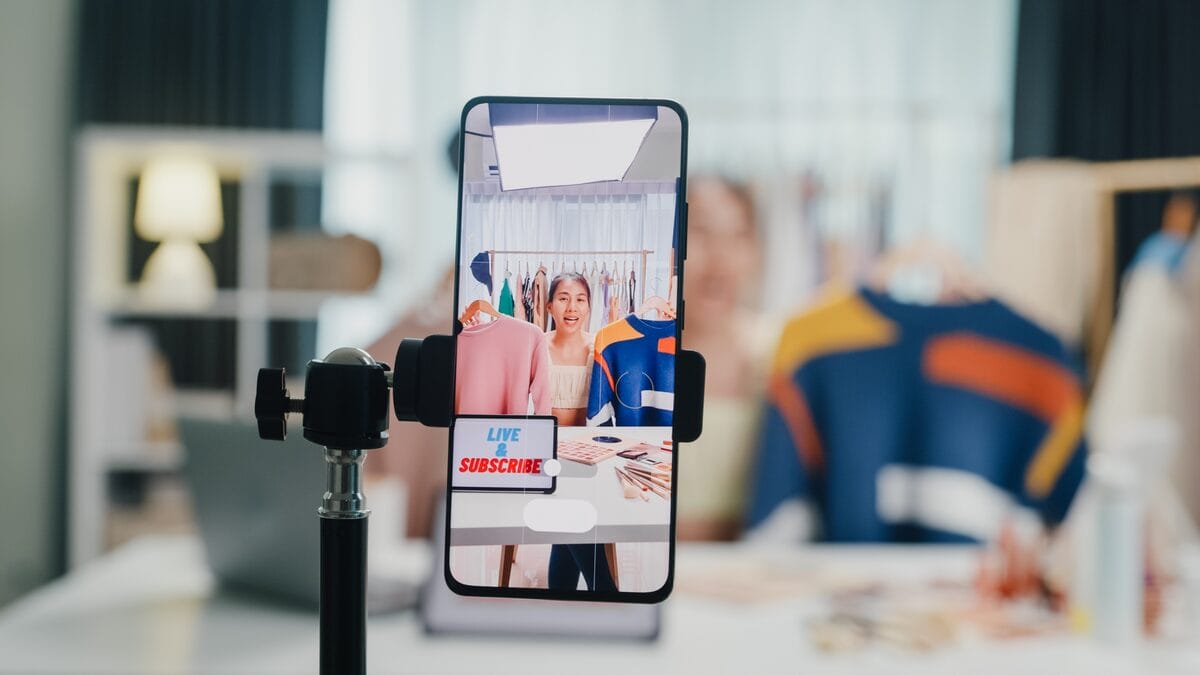
If your content looks good but doesn’t sell, something’s missing. In most cases, the issue is the structure behind what you’re showing. High-converting content usually comes down to three things:
- A clear problem.
- A product that solves it.
- Proof that it works.
But before anything else, it’s worth understanding how people actually consume content today. Attention is short, feeds move fast, and most users decide in seconds whether to keep watching or scroll past. That’s why short-form video dominates. It fits the pace, grabs attention quickly, and makes it easy to show your product in action.
For dropshippers, it’s the most direct path from scroll to sale. To make it work, use the “Problem → Product → Proof” framework in every piece of content:
1️⃣ Problem: Open with something the viewer instantly recognizes. “You’ve been cleaning your car with the wrong brush.” or “This is why your kitchen smells weird.” The goal is to trigger that quick “wait, that’s me” moment that stops the scroll.
2️⃣ Product: Once you have their attention, bring in the solution naturally. Show the product in action, solving the exact problem you just introduced. No need for long explanations. Just a clear, visual fix that feels immediate.
3️⃣ Proof: Close the loop with something that makes the result believable. That could be a before-and-after, a real reaction, or even a simple comment like “I didn’t expect this to work, but it actually does.” This is what turns curiosity into trust.
Execution matters just as much as structure. The first two to three seconds determine whether your content gets pushed or ignored. A weak hook, and your video dies in the feed before it has a chance to convert.
When it comes to cadence, consistency helps, but quality matters more. Posting three to five strong videos per week will outperform daily low-effort content almost every time.
💡 Pro Tip: You don’t need to create more, just distribute smarter. One strong video can fuel your entire week if you repurpose it across TikTok, Instagram Reels, Pinterest, and Facebook.
Most importantly, this only works if what you’re selling is worth talking about. That’s where research becomes critical. Platforms like AutoDS include features designed to help you identify trending products for dropshipping with real demand. The Ads Spy Tools, for instance, reveal what’s already being promoted across social platforms, so you build content around momentum instead of assumptions.
Turn User-Generated Content Into Your Best Sales Tool

User Generated Content (UGC) — organic content made by real customers or third-party creators showing your product in everyday use — is one of the most powerful assets you can build. It feels real, relatable, and easy to believe. When your product shows up naturally in someone’s feed, it removes friction and makes the buying decision feel effortless.
Here’s how you can start generating UGC without upfront costs:
- Tag requests: Ask buyers in your post-purchase email to tag you when they receive their order. A simple “We’d love to see it in use” is often enough to get content flowing.
- Review reposts: Turn positive reviews into content. Screenshot them, add a quick voiceover, and post them as Stories or Reels to give them more visibility.
- Hashtag challenges: Create a branded hashtag and encourage customers to share their experience. Even a small audience can generate content you can reuse.
When you’re ready to scale, micro-influencers (10K–100K followers) often deliver better engagement and more authentic placements than larger accounts — at a fraction of the cost. Before reaching out, check for an engagement rate above 3%, real comments (not just emojis), and a clear match with your niche.
One important rule: always get written permission before using any customer or creator content in paid ads. Organic and paid use are treated differently, and skipping this step can lead to account issues.
In short, UGC removes the need for a production budget: your customers and community become your best marketing engine.
📢 Marketing Tip: If you don’t want to wait on creators, tools like CreateUGC let you generate UGC-style videos with AI avatars in seconds. You can test different hooks, formats, and lengths fast, then tweak and reuse what works.
Why Social Media Matters for E-Commerce in 2026
In 2026, social media has evolved into a complete shopping environment, where discovery and purchase happen almost simultaneously. A user scrolls through their feed, spots a product in action, and within seconds, they’re already buying it, without ever leaving the app.
That shift is reflected in the numbers. In the United States alone, social commerce revenue is projected to reach past US$150 billion by 2029. The growth is driven less by spending itself and more by how people now approach buying. Instead of actively searching, users encounter products naturally through content that blends into their feed. These “ambient purchases” —unplanned buys triggered by what people see while scrolling— are becoming part of everyday behavior.
At the same time, buying directly within platforms is gaining momentum. TikTok Shop stands out here, often outperforming traditional storefronts in conversion rates. Live shopping takes it even further: a creator demonstrates a product in real time, answers questions, and builds urgency, leading to conversion rates that can range from 9% to 30% in a single session.
For dropshippers, this creates a unique advantage. Without the burden of inventory, you can move as fast as the trends themselves, testing new products, adapting your content, and scaling what resonates. Sellers who succeed on social aren’t necessarily the ones with the biggest budgets, but those who iterate quickly, learn from feedback, and adjust in real time.
Advanced Social Media Tactics to Scale Your E-Commerce Sales
Once your foundation is in place, growth comes from execution. The tactics below are designed to help you remove friction, increase conversions, and scale what’s already working without overcomplicating your setup.
🎯 Use TikTok Shop & Instagram Shopping to Sell Directly
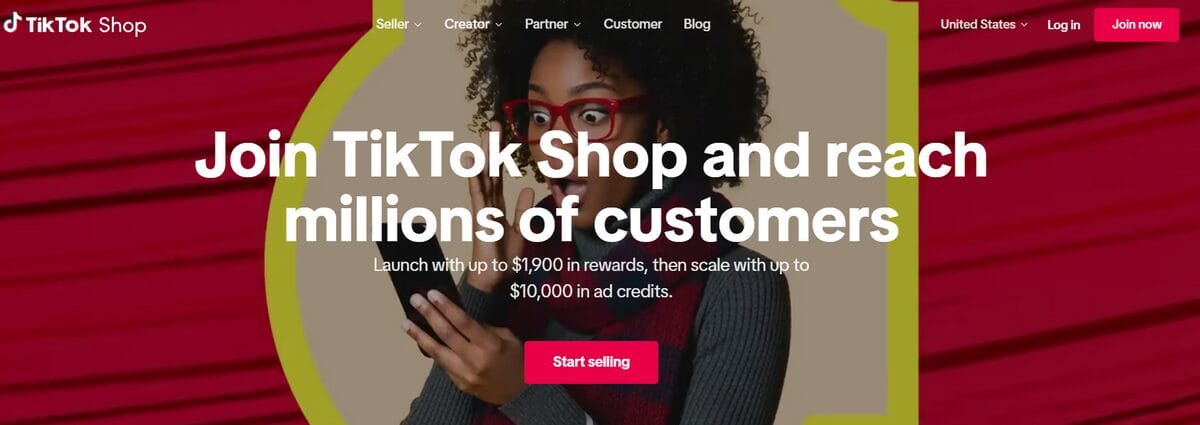
One of the biggest advantages in social commerce today is the ability to sell without redirecting users elsewhere. The entire journey,from discovery to checkout, can happen inside the same platform.
That matters more than it seems. Every extra step between seeing a product and buying it creates hesitation. In-app shopping removes that friction and keeps the momentum going.
So, if you’re planning to run content or ads, this setup should come first. It ensures that when demand shows up, conversion isn’t lost in the process:
👉 TikTok Shop setup:
- Connect your store through the TikTok Shop Seller Center.
- Upload your product catalog with clear titles, images, and pricing.
- Enable the affiliate program so creators can tag your products in their content (you only pay when a sale happens)
👉 Instagram Shopping setup:
- Connect your product catalog via Meta Commerce Manager.
- Tag products directly in feed posts, Reels, and Stories.
- Use link stickers to guide users directly to the checkout page.
💁♀️ Leverage Influencers & Affiliates on a Budget
Influencer marketing doesn’t require big names. It requires the right ones. Micro-influencers and nano-influencers (less than 10K followers) tend to have more engaged audiences and stronger purchase intent. Their content feels closer, more specific, and more trustworthy within their niche.
A practical way to approach this is through performance-based collaborations. Instead of paying upfront, offer a commission per sale. This aligns incentives and reduces risk while giving creators a reason to push content that converts.
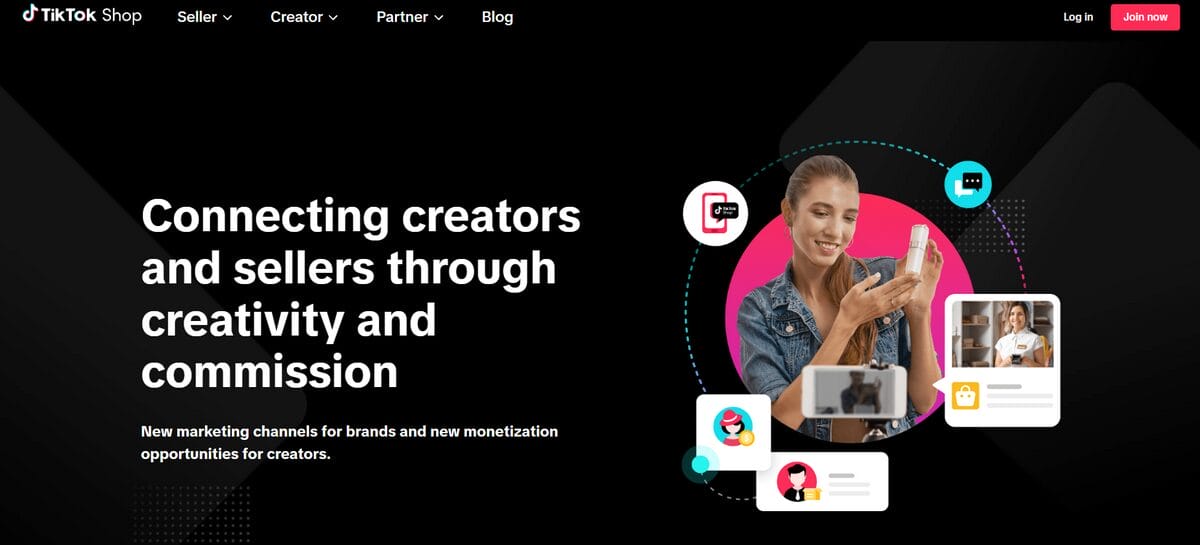
TikTok Shop’s built-in affiliate program makes this frictionless: creators browse your product catalog, apply to promote items they want, and earn a percentage of each sale they drive.
When evaluating potential partners, focus on three signals:
- Engagement rate — aim for 3% or higher. A consistent interaction matters more than follower count.
- Comment quality — genuine questions and personal reactions signal a real, active audience. Generic comments don’t.
- Niche relevance — the product should feel natural within their content. A fitness creator selling your kitchen product is a mismatch, regardless of their follower count.
If working with creators isn’t feasible yet, UGC platforms offer a flexible alternative. You get ready-to-use content without depending on an audience, while keeping full control over how it’s used.
📊 Track What Works: Measuring Social Media ROI

You can’t scale what you can’t measure. The goal here is to track what connects directly to revenue. Two metrics tend to guide most decisions:
- ROAS (Return On Advertising Spend): how much revenue you generate per dollar spent.
- CPA (Cost Per Acquisition): how much it costs to acquire a customer.
From there, align your metrics with your objective:
- Awareness → reach and visibility.
- Engagement → saves, shares, comments.
- Conversion → purchases and cost efficiency.
All three major platforms give you free analytics tools: TikTok Analytics, Instagram Insights, and Meta Ads Manager. Review performance frequently enough to spot patterns. Over time, you’ll start to see what consistently works, whether it’s a type of product, a hook style, or a content format.
When something performs above your baseline, that’s your signal to lean in, test variations, and build around it.
🔍 Research Tip: Don’t stop at your own data. Use ShopShark analytics tools for TikTok Shop to check which videos and lives are actually driving revenue. It’s a much faster way to figure out what’s worth doubling down on.
⭐ Simplify And Scale With Automation
As your strategy grows, handling everything by hand gets harder. Content, product testing, order management, and pricing all start to compete for your time. That’s where having the right setup early on makes a difference. Besides helping you scale, automation tools like AutoDS can support your workflow from day one.
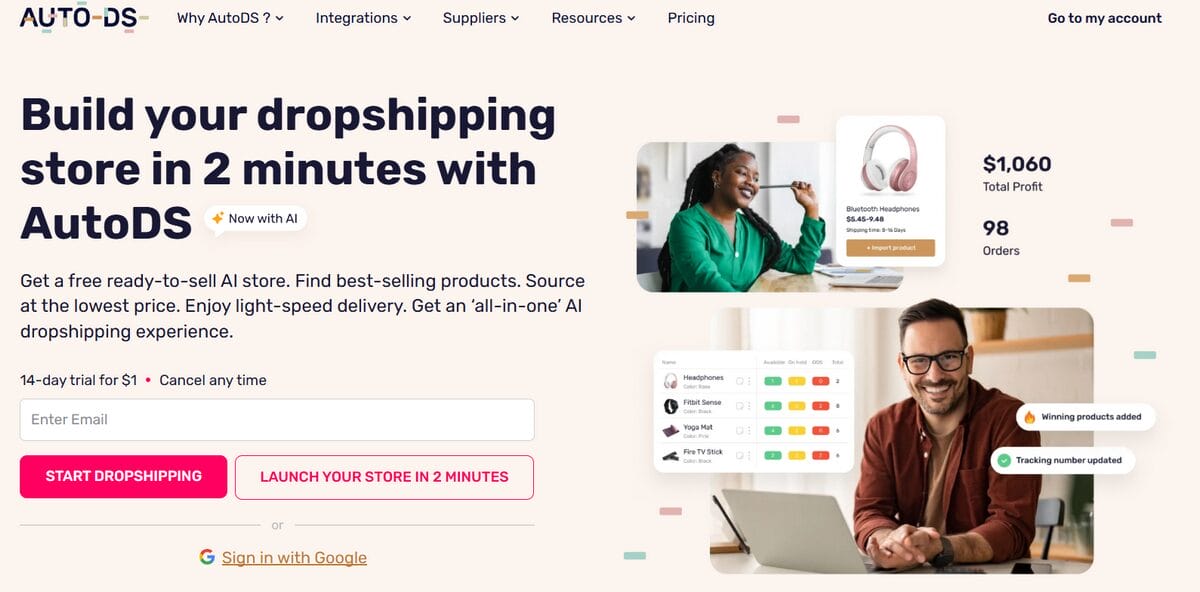
One of the biggest advantages comes from how it connects directly to your selling channels. With AutoDS, you can integrate TikTok Shop and Facebook Marketplace as active storefronts, turning social engagement into immediate purchase opportunities. Combined with access to a global network of vetted suppliers, this creates a powerful infrastructure to run models like TikTok dropshipping more efficiently.
Here’s how it all comes together:
- Product discovery that feeds your content strategy: AutoDS helps you identify trending products with real demand, so you’re not guessing what to promote. Instead, you’re creating content around items that already have traction.
- Analytics that tie content to real performance: AutoDS shows you which products are actually selling, helping you track what’s driving revenue and not just engagement.
- Optimization tools for listings that convert: AutoDS generates optimized titles and descriptions, aligning your product pages with the intent created by your content.
- Automation that removes execution bottlenecks: From product imports to price updates and order fulfillment, AutoDS handles the repetitive work in the background.
The result is simple. You spend less time managing operations and more time focusing on what drives growth: content, testing, and strategy.



Frequently Asked Questions
How is social media useful for e-commerce?
Social media is useful for e-commerce because it shortens the path from product discovery to purchase. Platforms like TikTok Shop and Instagram Shopping allow users to buy directly within the app. For dropshippers of affiliates without a physical store, it acts as both a marketing channel and a sales floor.
What social media platform is best for e-commerce?
The best social media platform for e-commerce depends on your niche and target audience. TikTok Shop works well for trend-driven products, while Instagram suits lifestyle and fashion. Pinterest excels in evergreen niches, and Facebook is effective for reaching older audiences.
How do I start selling on social media with no budget?
You can start selling on social media with no budget by focusing on organic content. Post short videos showing your product solving real problems and stay consistent several times per week. UGC, hashtags, and starting with one platform help build traction before scaling with small ads.
What is social commerce vs. social media marketing?
The difference between social commerce and social media marketing is where the purchase happens. Social media marketing drives traffic to external stores, while social commerce completes the entire buying process inside the platform. The shopper discovers, evaluates, and checks out without leaving the app.
Can I automate my social media e-commerce workflow?
You can automate your social media e-commerce workflow, especially on the fulfillment side. AutoDS manages price monitoring, stock updates, and order processing automatically — so when your social content drives a sale, the back-end takes care of itself. It also streamlines product research and imports, reducing the time from discovery to live listing.
Start Selling on Social Media With AutoDS
In 2026, social commerce has moved into its next phase. Buyers are already on social platforms, discovering products, engaging with content, and making purchase decisions in real time. For dropshippers, that shift opens a clear path to growth if the correct pieces are in place.
In essence, scaling on social comes down to three things: choosing products people actually want, creating content that captures attention and converts, and ensuring every order is handled seamlessly behind the scenes.
AutoDS is built exactly for that. With tools for product discovery and automation that manages fulfillment, pricing, and stock, AutoDS allows you to spend your time where it matters most: driving sales.
🚀 From scroll to sale—that’s what social media for e-commerce is about. You can start on AutoDS with the $1 trial and see how it helps you bridge that gap.
Think this was interesting? If you’re building your store right now, the next articles will come in handy: